

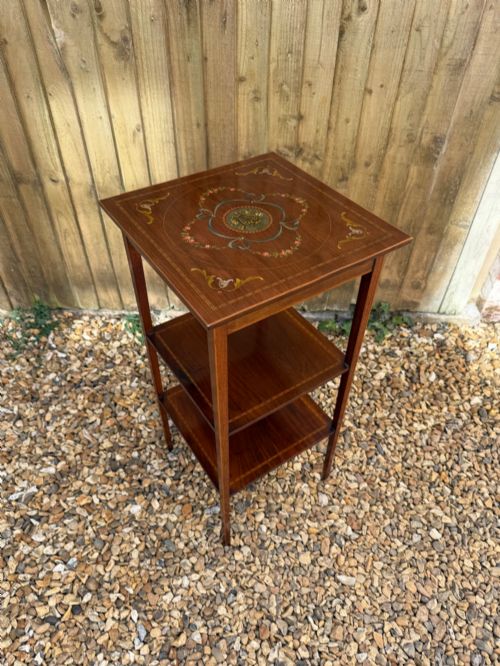
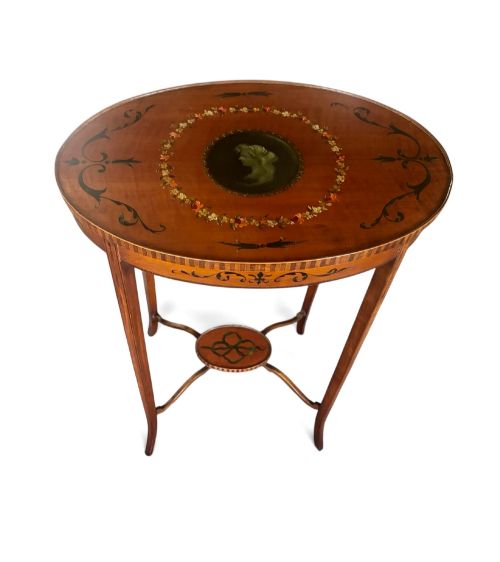
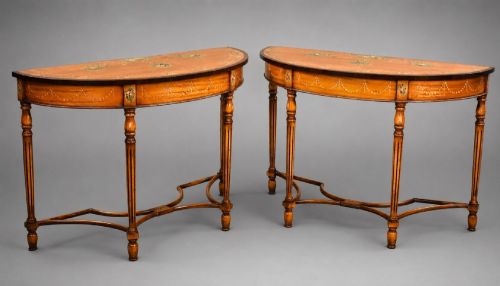
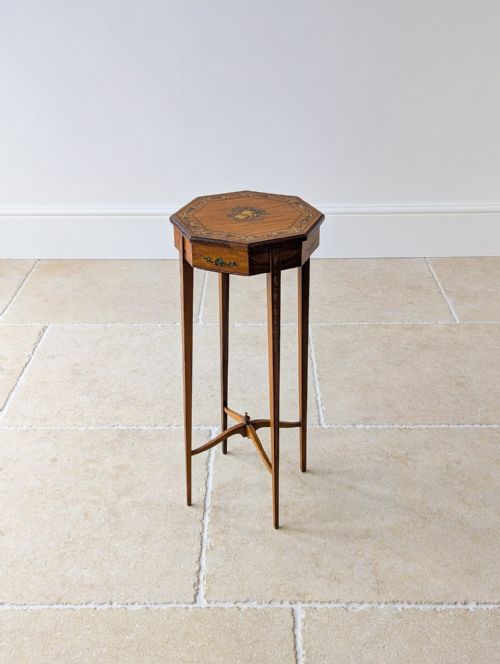



Painted Satinwood Table
When you search for a painted satinwood table, you are looking at fine timber surfaces adorned with delicate brushwork.

Painted Satinwood Table
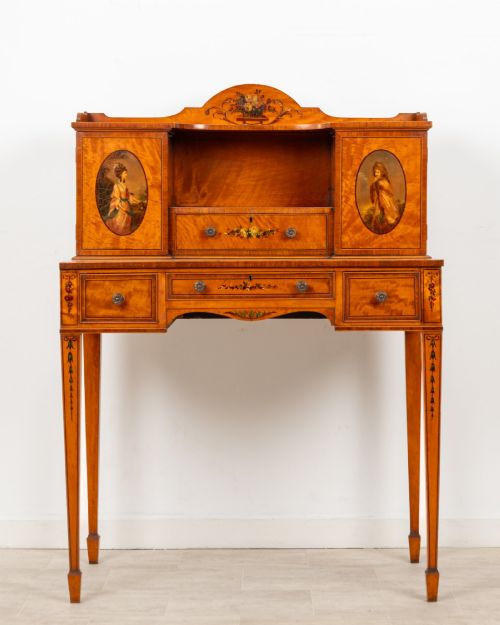
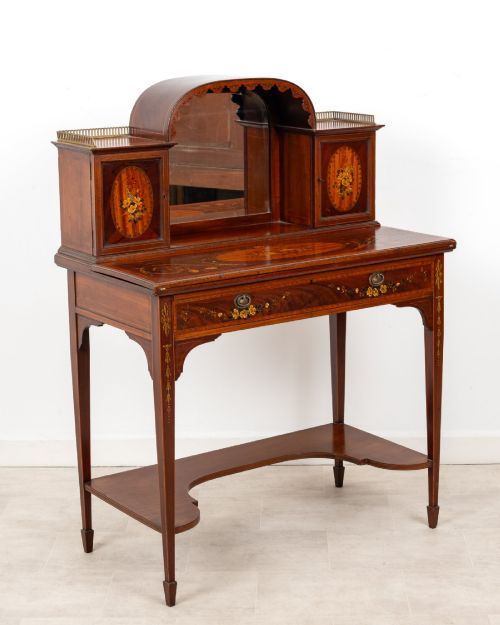
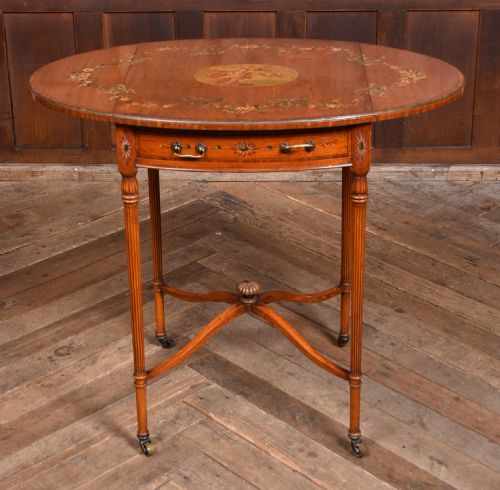
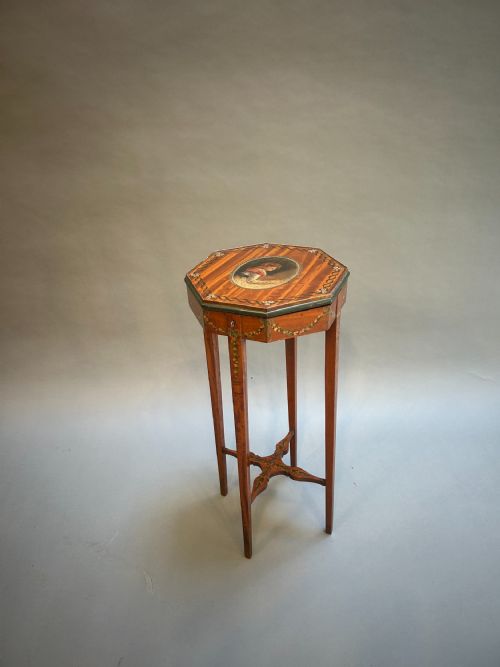
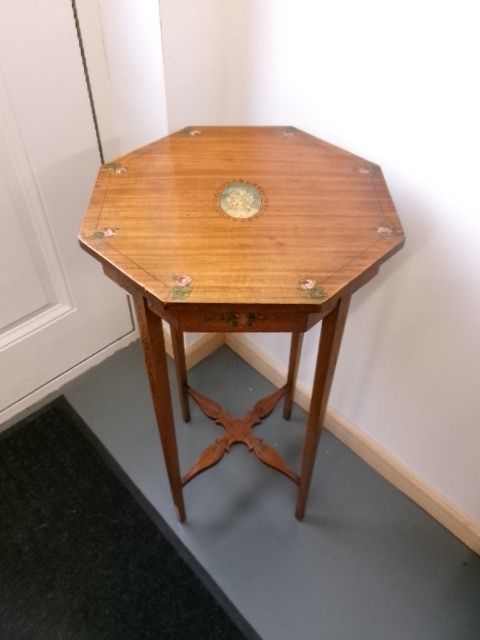
A painted satinwood table encompasses a variety of domestic forms ranging from compact occasional pieces to large console tables and desks. The selection includes work tables, card tables, and bijouterie cabinets produced across several centuries.
Edwardian and Sheraton Revival examples dominate the current offerings, alongside pieces dating back to the Georgian and Regency periods. These items reflect classical design influences such as the Neoclassical manner and Sheraton taste.
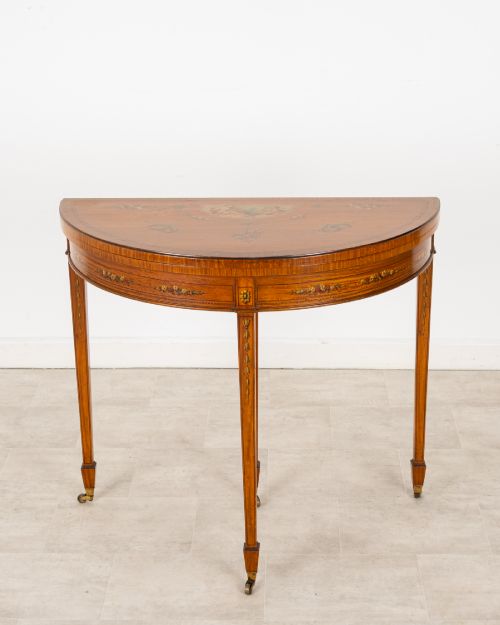
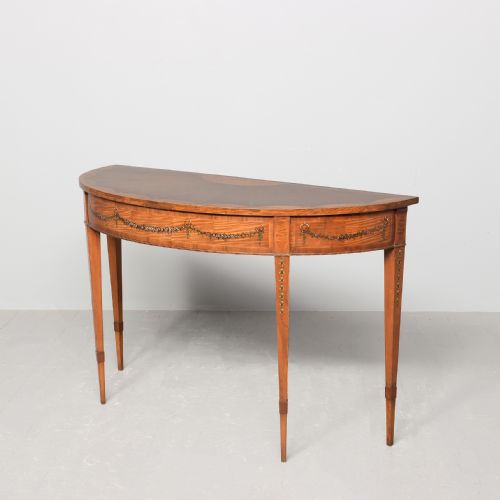
Buyers frequently encounter demi-lune console tables, Pembroke tables, and small side stands. Many of these survivors feature dedicated spaces for writing, sewing, or display.
Materials and Technique
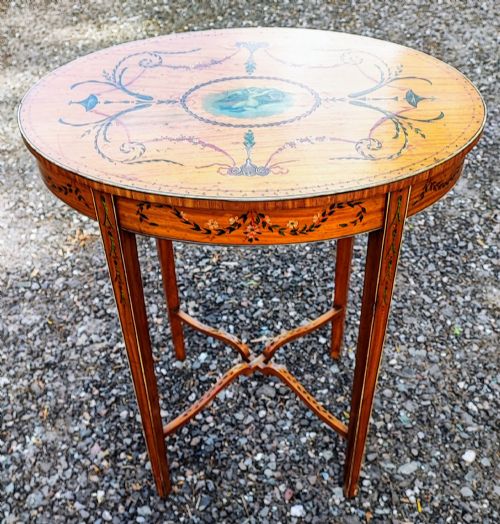
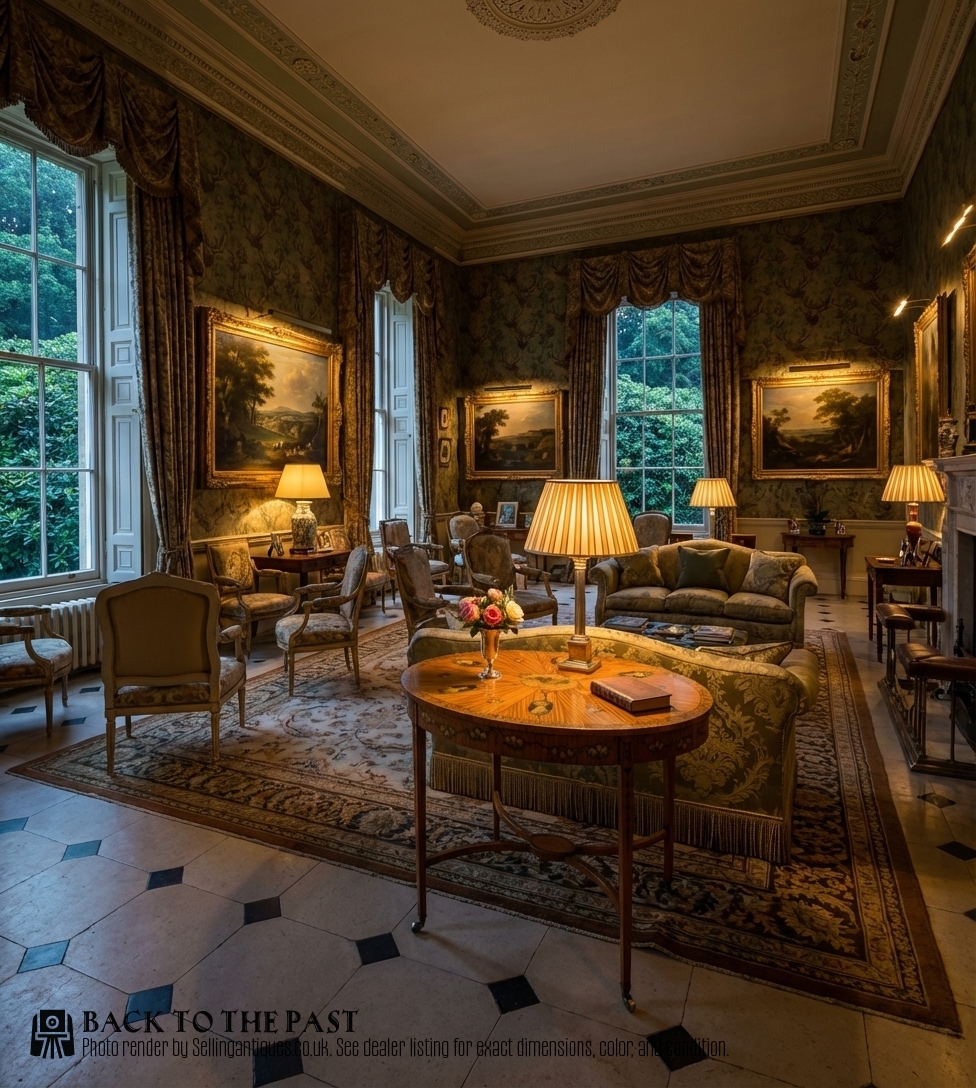
Craftsmen utilised smooth satinwood veneers over sturdy timber carcases, often incorporating mahogany and other secondary woods. Surfaces received detailed hand-painted floral motifs, swags, and classical vignettes directly onto the wood.
Inlay work frequently accompanied the painted decoration, alongside brass fittings, leather inserts, and glass panels on display items. Joinery techniques varied from simple drop-leaf mechanisms to intricate folding card table tops.
Painted Satinwood Table Retail Price Guide 2026
Typical asking prices for painted satinwood table among the pieces listed under this phrase on Sellingantiques today, from the lower quarter to the upper quarter. They describe what is for sale here now, not the wider market.
Several tables include hidden compartments for secret letters or sewing notions, built precisely where guests would least expect to find them.
Judging Quality
The distinction between ordinary and exceptional pieces lies in the crispness of the hand-painted decoration and the natural figuring of the underlying satinwood. Superior examples display refined brushwork with delicate shading, rather than stiff or heavily applied pigments.
Proportion and structural integrity also separate fine workshop output from standard production. Cabinetmakers who achieved balanced proportions and seamless joints produced enduringly elegant furniture.
Gillows
The Painted Satinwood Table Glossary
- Satinwood
- A lustrous tropical timber known for its golden-yellow sheen and smooth grain. It provides a pale, reflective ground for painted decoration.
- Demi-lune
- A half-moon shape popular for console and card tables designed to sit flush against a wall. This profile allowed tables to occupy minimal space when closed.
- Pembroke table
- A small rectangular table featuring two hinged drop leaves on either side. It typically includes one or more small drawers.
- Sheraton Revival
- A late nineteenth and early twentieth century design movement that reinterpreted the light, neoclassical furniture of the eighteenth century. Makers drew heavily on the patterns published by Thomas Sheraton.
Painted Satinwood Table: Frequently Asked Questions
What rooms suit a painted satinwood table?
These pieces suit reception rooms, drawing rooms, and hallways where their reflective surfaces can catch the light. Smaller occasional and bedside variants fit easily into bedrooms.
Console and card tables function well against walls or positioned behind sofas as decorative accents.
How should I care for satinwood furniture?
Keep these items away from direct sunlight and excessive heat to prevent the painted decoration and timber from fading or drying out. Gentle dusting with a dry, soft cloth preserves the polished finish.
Avoid using modern silicone sprays or harsh chemical cleaners on the delicate painted surfaces.
How do I distinguish Edwardian pieces from Georgian originals?
Edwardian and Sheraton Revival pieces often exhibit slightly lighter construction methods and standardised floral motifs influenced by mass production techniques of the period. Georgian originals typically display denser structural timbers and hand-wrought secondary woods underneath.
Examining the underside, drawer linings, and the style of the hand-painted details helps clarify the period of manufacture.
Were these tables used for writing or display?
Many variants served specific functions, such as writing desks, card tables, sewing work tables, and bijouterie display cabinets. Some Pembroke and occasional tables doubled as tea or lamp tables.
The presence of folding tops, drawers, or glass-topped compartments indicates the intended domestic use.