






Marble Top Plant Stand
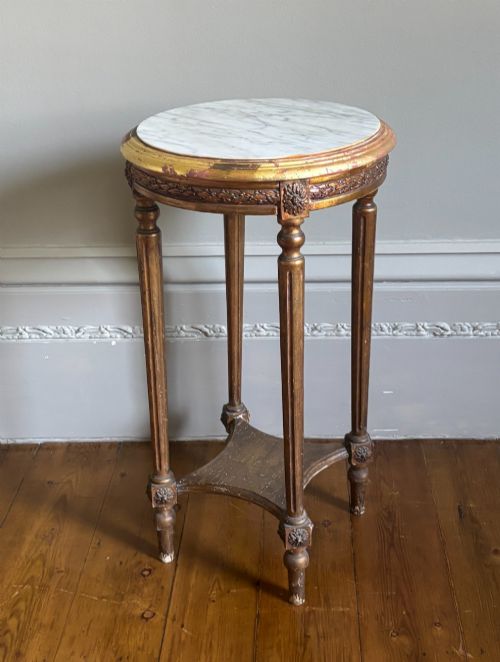
When you look for a marble top plant stand, you are choosing an elevated surface designed to hold greenery, urns or decorative objects.

Marble Top Plant Stand
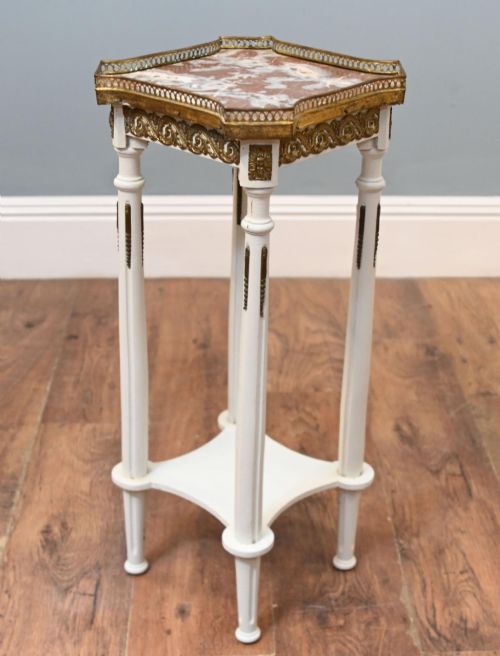
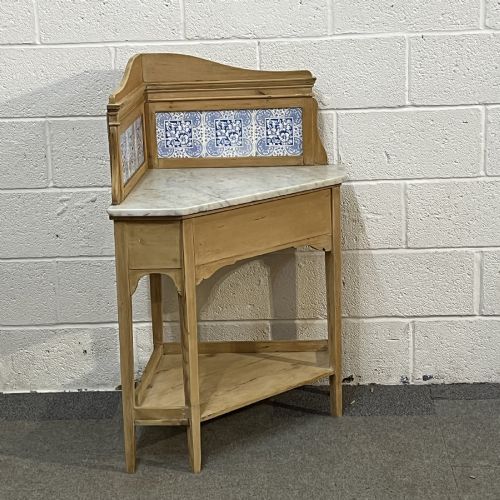
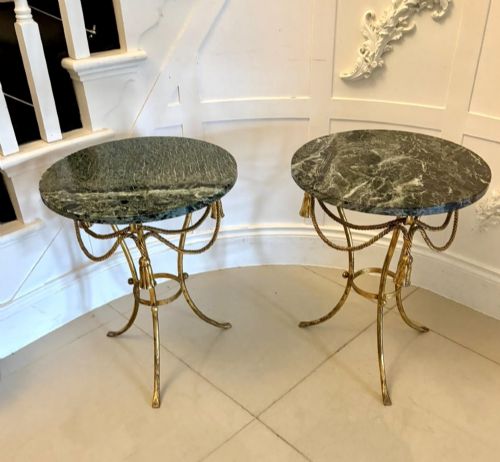
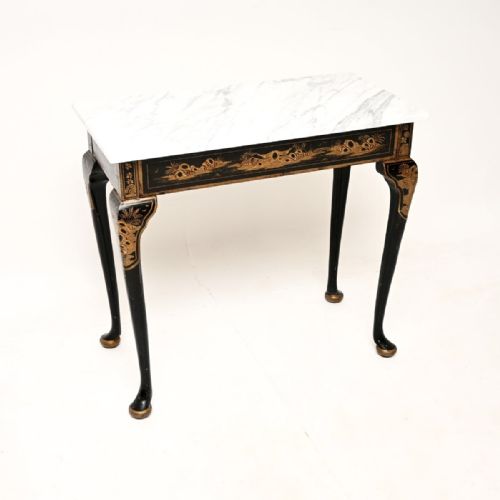
A marble top plant stand serves as an elevated support designed for heavy urns, trailing plants and decorative vessels. The pieces listed under this phrase span periods from the Regency era through the Victorian period, Edwardian years and the early twentieth century.
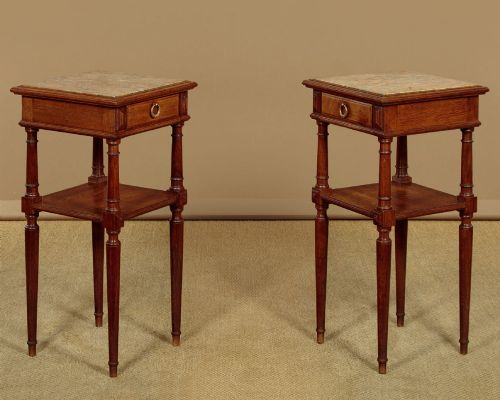
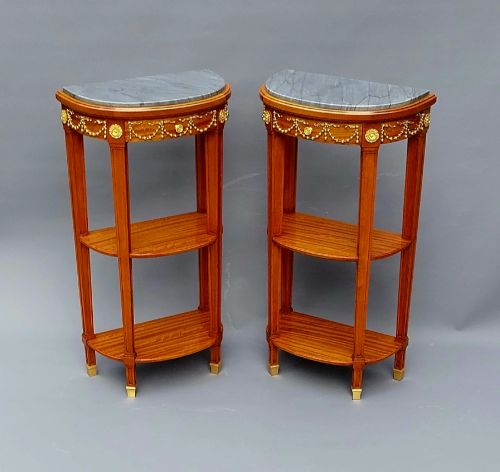
The form appears in both European workshop styles, such as French Neoclassical, Louis XVI revival and Empire, and in extensive Asian traditions including Qing Dynasty and Chinese Export pieces. Alongside dedicated plant stands and jardiniere stands, the selection includes occasional tables, side tables, guéridons and pedestals sharing the characteristic inset stone surface.
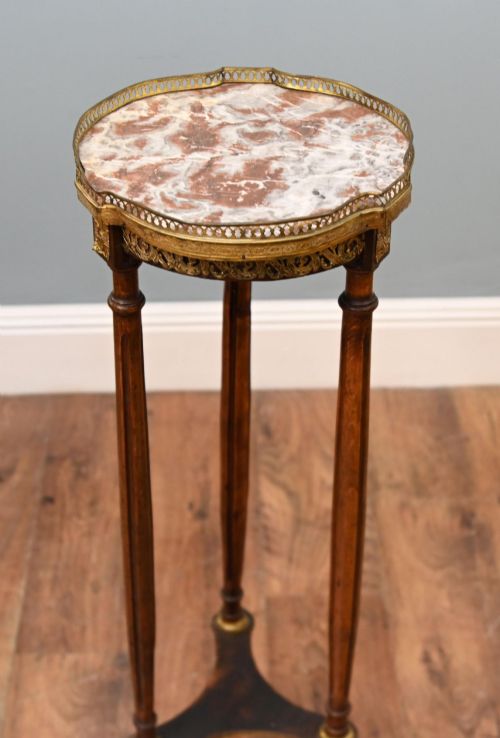
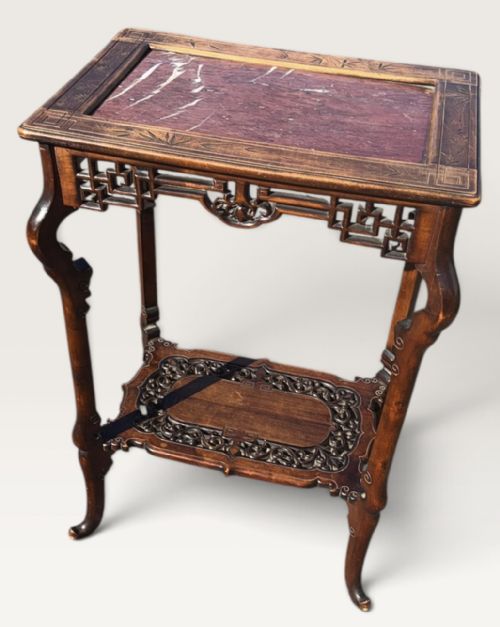
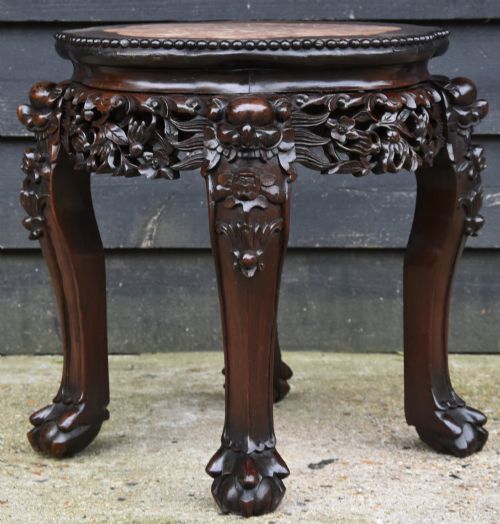
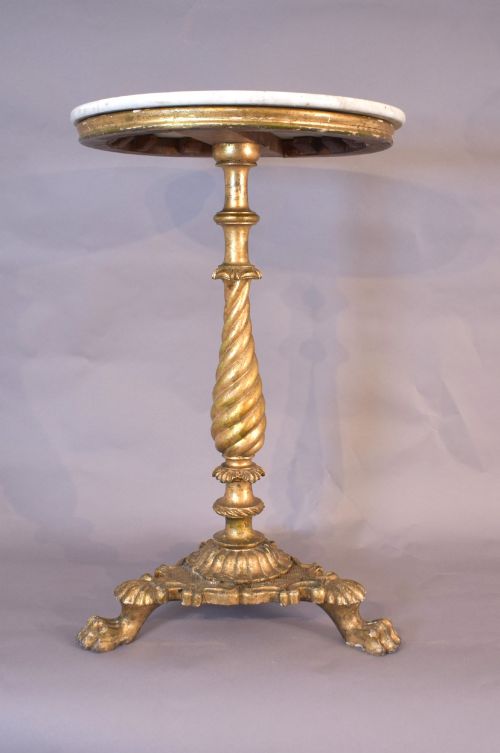
Chinese hardwood examples form a large part of the selection, often carved from rosewood, padouk, huanghuali or hongmu with inset variegated rouge or white marble. European variants frequently combine mahogany, walnut, satinwood or giltwood structures with shaped marble or onyx tops.

How They Were Made
Construction relies on joining dense timbers such as mahogany, rosewood, walnut and exotic Asian hardwoods to support heavy stone inserts without warping. Frames incorporate mortise and tenon joints, hand-carved floral or geometric mouldings, and sometimes giltwood or gilded brass mounts.
Stonemasons shaped the marble, onyx or quartz panels to fit precisely into recessed table frames, finishing the surfaces with polished or matte textures. Details such as mother of pearl inlay, lacquer work, bronze mounts and patinated iron elements complete the structural assemblies.
Marble Top Plant Stand Retail Price Guide 2026
Typical asking prices for marble top plant stand among the pieces listed under this phrase on Sellingantiques today, from the lower quarter to the upper quarter. They describe what is for sale here now, not the wider market.
One unusual survivor incorporates a deep quartz top cradled inside wild, knotted rootwood.
What Varies in Quality
Quality depends upon the depth and crispness of hand carving in the wooden frames and the selection of the stone insert. Superior pieces display dense, heavy hardwoods with tight grain and deeply undercut botanical motifs rather than shallow machine routing.
The integration of the marble top into the wooden rebate indicates craftsmanship, with high-tier examples showing seamless alignment between stone and timber. Furthermore, the presence of specific regional materials, such as well-figured hongmu or matched exotic veneers paired with fire-gilded bronze, distinguishes exceptional workshop output from standard production.

The Marble Top Plant Stand Glossary
- Jardiniere stand
- An ornamental table or pedestal specifically designed to hold a ceramic or metal planter filled with flowers or foliage. These pieces often feature water-resistant stone or marble inserts to protect the woodwork.
- Guéridon
- A small French table supported by one or more columns, figural supports or a tripod base. They frequently appeared in nineteenth-century salons with inset marble surfaces.
- Vernis Martin
- A simulated Japanese lacquer technique developed in eighteenth-century France and revived in later furniture. It involves multiple layers of translucent varnish applied over painted decoration.
Marble Top Plant Stand: Frequently Asked Questions
What is a marble top plant stand used for?
These pieces were built to elevate heavy ceramic pots, jardiniers and decorative vases, keeping damp soil away from fine flooring. The stone surface provided a durable, water-resistant top that could handle accidental spills during watering.
Over time, owners also utilised them in hallways and reception rooms as convenient display surfaces for sculptures, lamps and decorative objects. Their compact footprints made them suitable for filling corners and narrow spaces.
How do I distinguish Chinese hardwood stands from European ones?
Chinese stands often feature distinct timber species such as hongmu, padouk or huanghuali, accompanied by traditional carvings like prunus blossoms, key fret borders or shaped aprons. The joinery frequently incorporates tight inset panels and pierced floral brackets.
European pieces generally follow classical design revivals such as Louis XVI, Empire or Victorian styles. They rely on mahogany, walnut or giltwood frames paired with brass mounts, turned columns or cabriole legs.
Are these stands strong enough for heavy plants?
Period stands were constructed to bear substantial weight, particularly those featuring dense Asian hardwoods or robust mahogany frames. The heavy marble or onyx inserts add significant structural stability to the base.
However, fragile tripod legs or delicate giltwood carvings require careful placement to avoid lateral stress. Checking the stability of the joints ensures the frame can safely support heavy terracotta or ceramic containers.
How do I care for the marble top?
Marble and onyx surfaces require gentle cleaning with a soft cloth and mild, neutral soap solution to avoid dulling the polish. Acidic liquids like citrus juice or vinegar should be wiped away immediately to prevent etching the stone.
Applying a specialist stone wax periodically helps protect the surface from moisture rings and everyday wear. Lifting pots gently rather than sliding them across the marble prevents surface scratches.