

French Cocktail Table
A french cocktail table brings continental elegance to a room, combining practical low surfaces with sophisticated materials like marble and brass.

French Cocktail Table
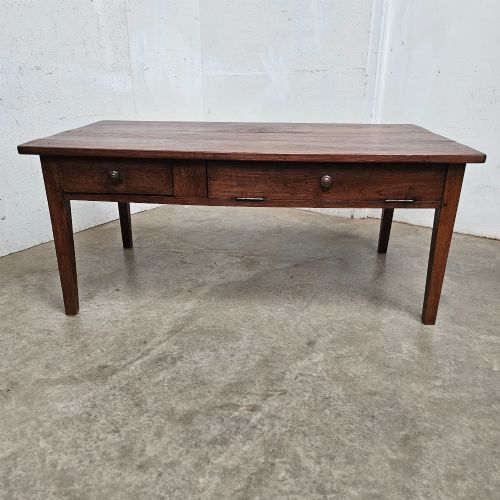
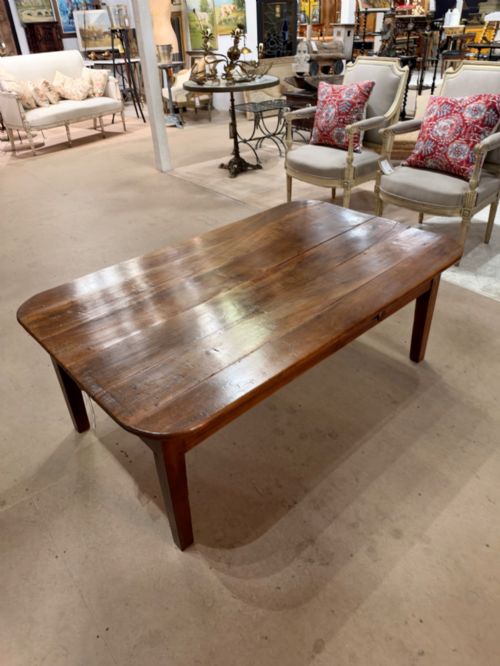
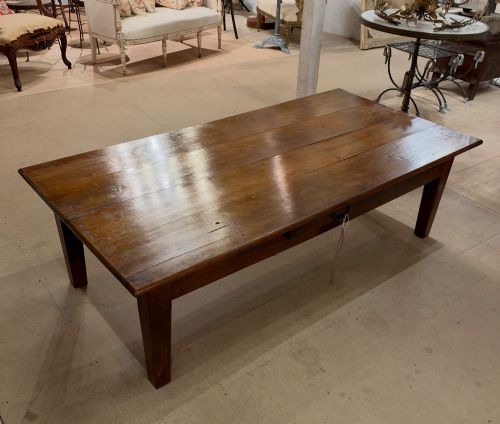
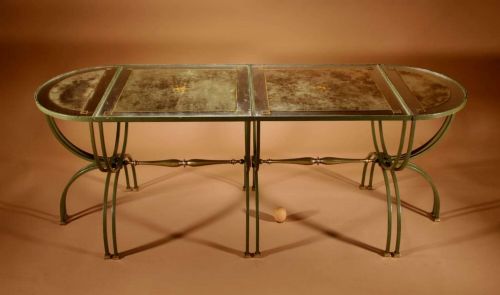
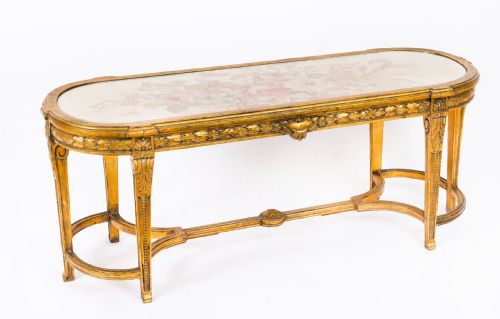
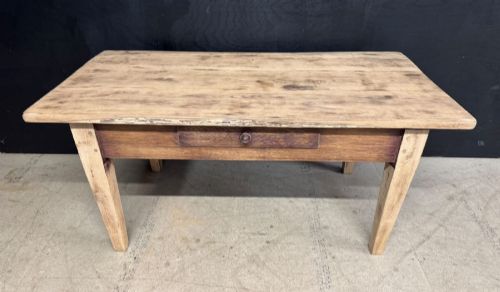
When you search for a french cocktail table, you encounter low tables, tea trolleys, and home bars spanning the nineteenth and twentieth centuries. These pieces arrive in regional forms like French Provincial and Rustic Farmhouse, alongside formal iterations such as Art Deco, Louis XV Style, and French Neoclassical.
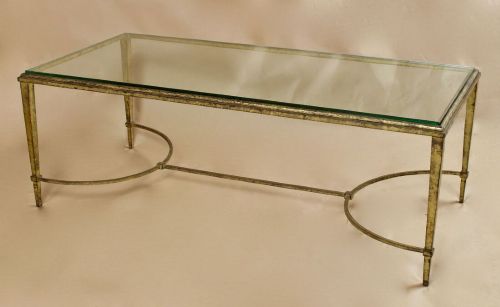
The most frequent examples on this page are coffee tables dating from the nineteen-twenties and thirties. They take various shapes, including round, square, and long formats, often standing on turned legs or wrought iron bases.
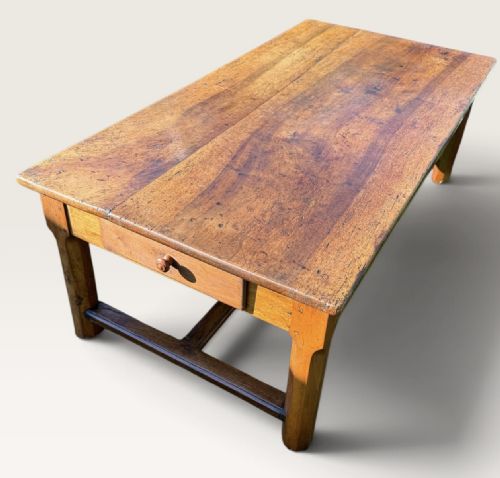
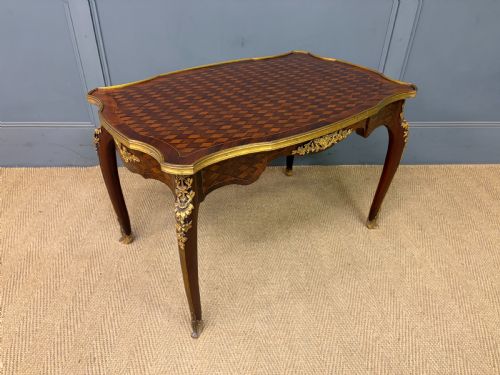
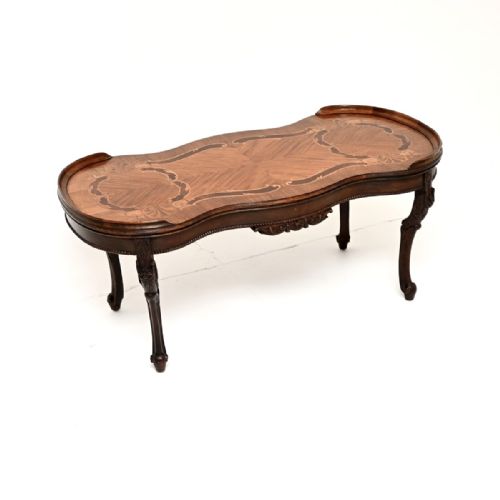
Makers and designers from past centuries set standards that later workshops followed. Pieces range from simple oak or cherry wood farmhouse tables to highly decorated giltwood and parquetry surfaces.
Materials and construction methods
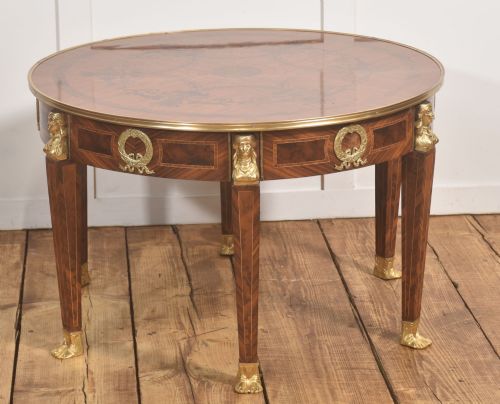
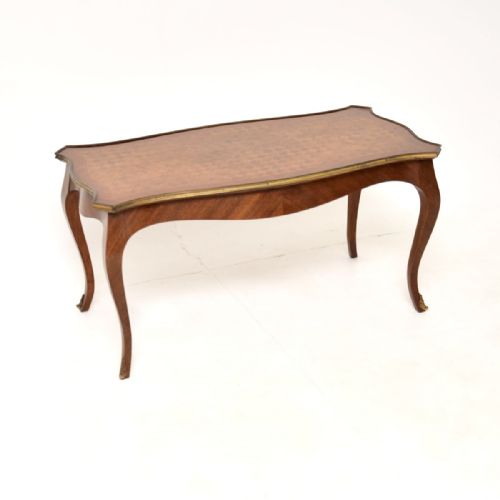
Cabinetmakers utilised timber frameworks of walnut, mahogany, oak, and satin wood, frequently applying intricate marquetry and parquetry patterns to top surfaces. Burr walnut and cherry wood provide distinct grain figures on seventeenth to twentieth-century examples.
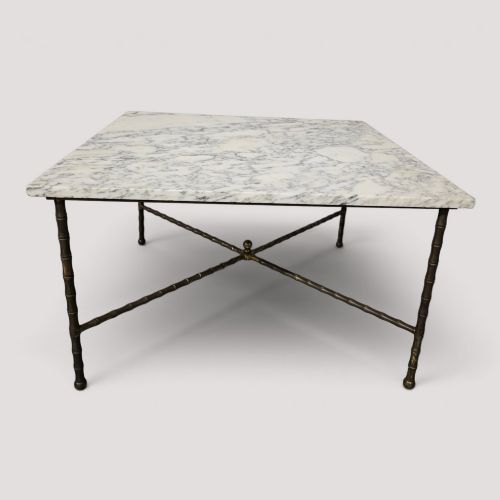
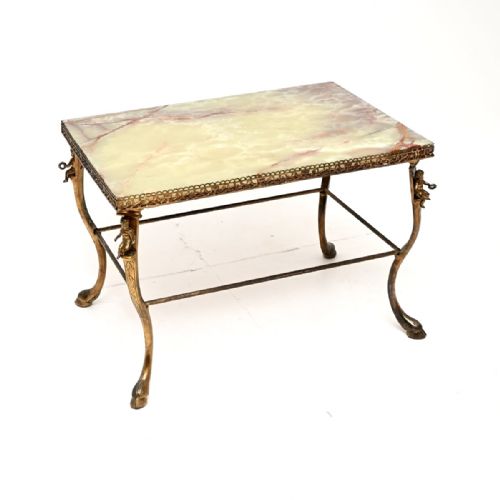
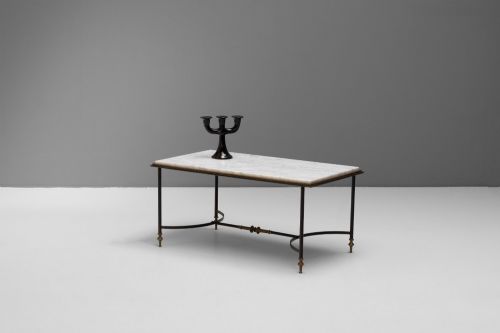
Metal elements appear in polished brass, bronze, and wrought iron, often paired with contrasting white or black marble tops. Giltwood and black lacquer finishes offer a decorative sheen suited to formal reception rooms.
Original glass inserts and inset marble slabs require careful seating within wooden or metal rebates. Turned legs and carved walnut details demonstrate traditional joinery techniques handed down through generations of artisans.
French Cocktail Table Retail Price Guide 2026
Typical asking prices for french cocktail table among the pieces listed under this phrase on Sellingantiques today, from the lower quarter to the upper quarter. They describe what is for sale here now, not the wider market.
Some tea trolleys still retain their drop sides, ready for an impromptu parlour tea party from a century ago.
Assessing quality and finish
Quality rests in the crispness of carved walnut, the precision of inlaid marquetry work, and the weight of cast brass or bronze fittings. Superior items display harmonious proportions between the timber frame and the stone or glass top.
The choice of marble slab and the subtlety of its veining elevate certain tables above standard production. Signed works by established design houses carry distinct metal castings and refined structural joinery that distinguish them from anonymous pieces.
Maison Jansen·Maison Bagues·Masion Ramsay·Paul Michel Roche Bobois
The French Cocktail Table Glossary
- Marquetry
- Decorative veneer work arranged in pictorial or geometric patterns using various coloured woods. This technique requires immense skill to cut and fit each tiny wooden piece into the surface.
- Parquetry
- Geometric mosaic woodwork forming repeating patterns like chequers or cubes across a tabletop. Craftsmen used contrasting timbers to create depth and movement.
- Giltwood
- Timber carved and coated with a thin layer of gold leaf or gesso paint. It reflects candlelight and adds brightness to formal salon interiors.
- Chinoiserie
- European artistic style incorporating imitated Chinese and East Asian motifs. This aesthetic appears on decorative lacquer surfaces and specialised tables.
French Cocktail Table: Frequently Asked Questions
What is a french cocktail table used for?
These low tables serve as central living room surfaces for holding drinks, books, and decorative objects. Historically, they evolved from tea trolleys and low occasional tables into dedicated spaces for evening hospitality.
Larger versions accommodate serving trays and glassware during gatherings. Their sturdy marble or wooden tops withstand daily use while anchoring the seating arrangement.
How do I identify Art Deco styles?
Art Deco pieces from the nineteen-twenties and thirties feature geometric lines, streamlined silhouettes, and contrasting materials like wrought iron and glass. They depart from ornate floral carvings in favour of sleek, symmetrical forms.
Look for bold parquetry patterns and minimalist frames that emphasise industrial modernity alongside traditional craftsmanship.
Are marble tops original to these tables?
Many tables retain their original inset marble slabs, which can be white, black, or variegated in colour. These heavy stone surfaces were chosen for durability and resistance to liquid spills during entertaining.
When inspecting a piece, check how the marble sits within the wooden or brass frame to understand its period of manufacture.
How do I care for antique wood?
Maintain wooden surfaces by dusting regularly with a soft cloth and avoiding excessive moisture or direct sunlight. Periodic application of appropriate wax preserves the natural sheen of walnut, oak, and mahogany.
Protect marble tops from acidic liquids like wine or citrus juice to prevent etching on polished stone.