

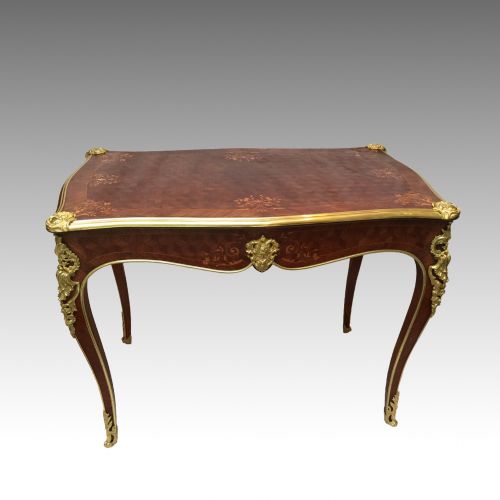
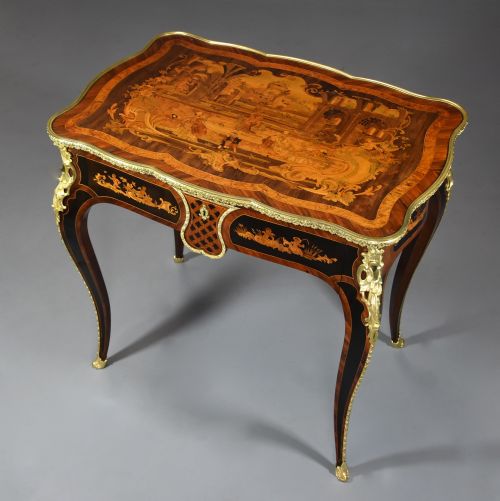
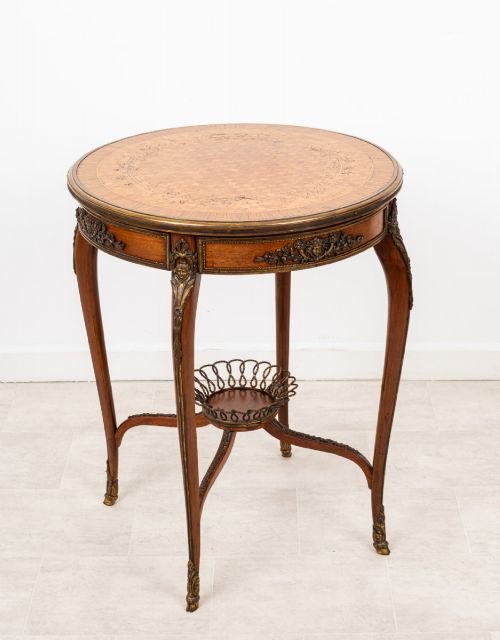
French Marquetry Centre Table
A french marquetry centre table brings sophisticated floral and geometric wood veneers into the middle of a room, offering both decorative presence and a functional surface.
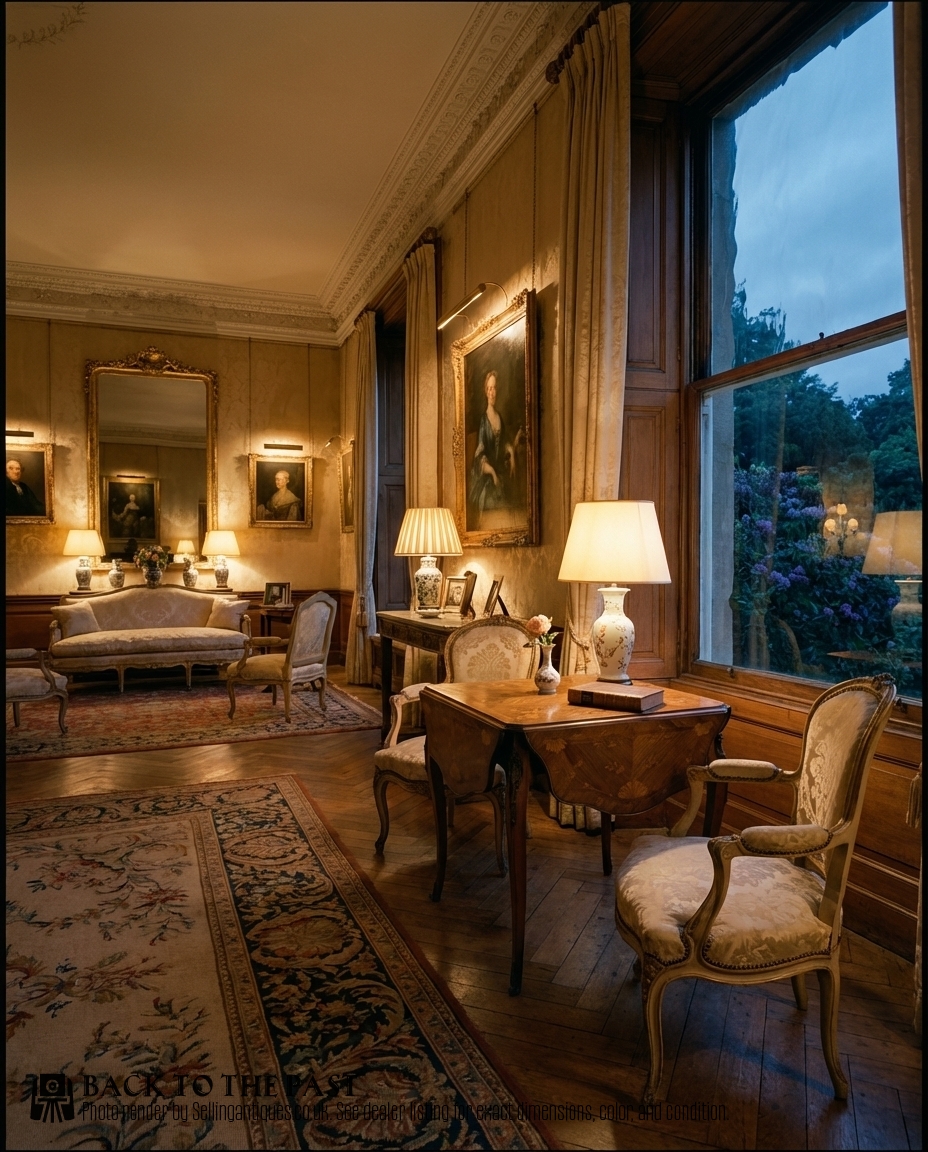
What a french marquetry centre table is
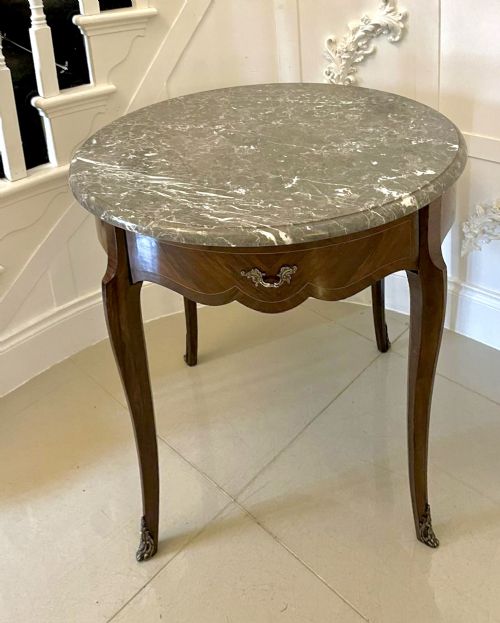
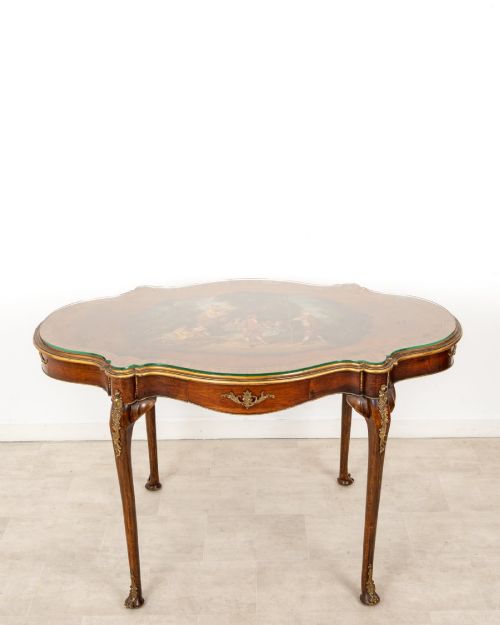
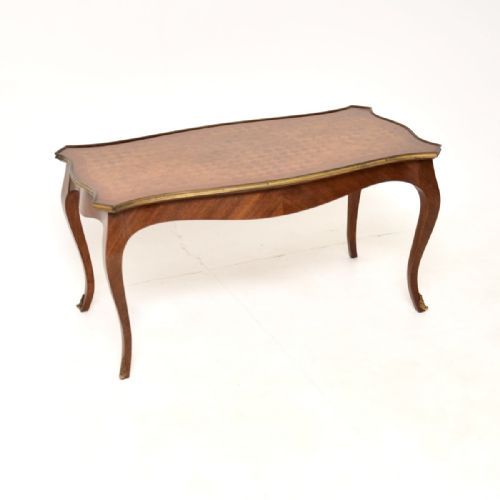
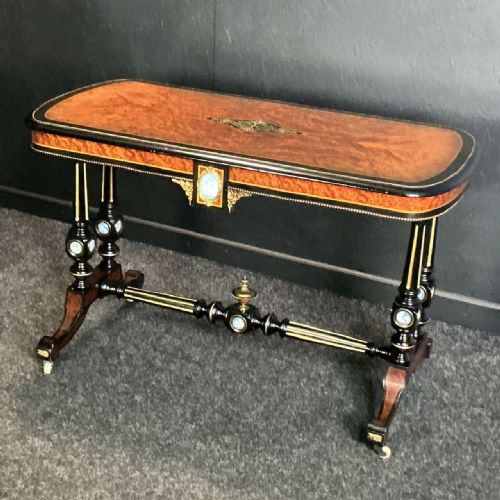
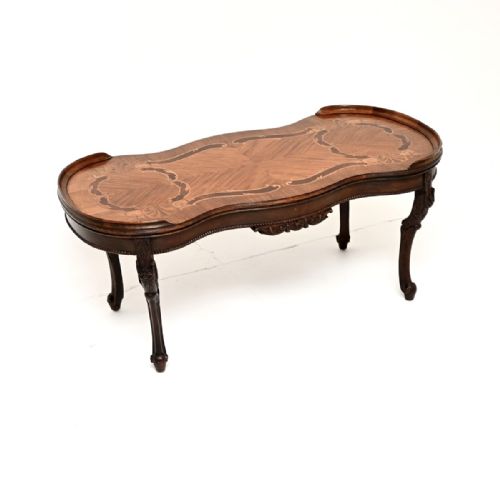
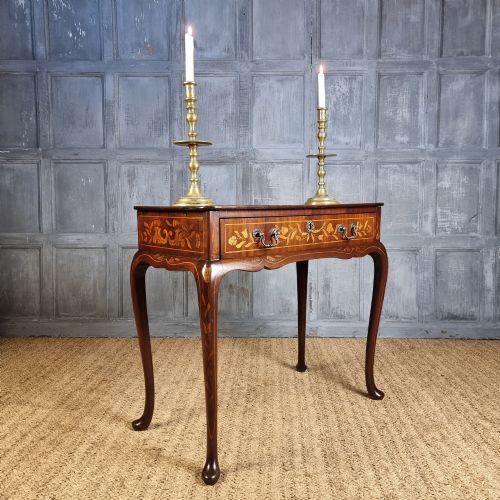
A french marquetry centre table is a freestanding piece designed to be viewed from all sides, commonly appearing in forms such as centre tables, coffee tables, and occasional tables. These pieces date across the nineteenth century, including Victorian periods, alongside later examples from around nineteen thirty.
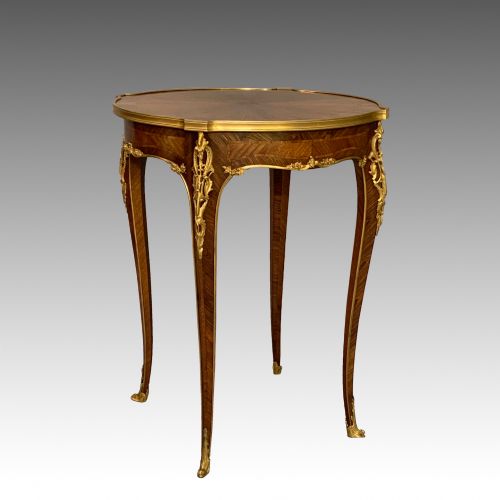
Buyers encounter styles drawn from Louis XV and Louis XVI revivals, reflecting classical French design motifs. Such tables often function as writing surfaces, games tables, or decorative display pieces within reception spaces.
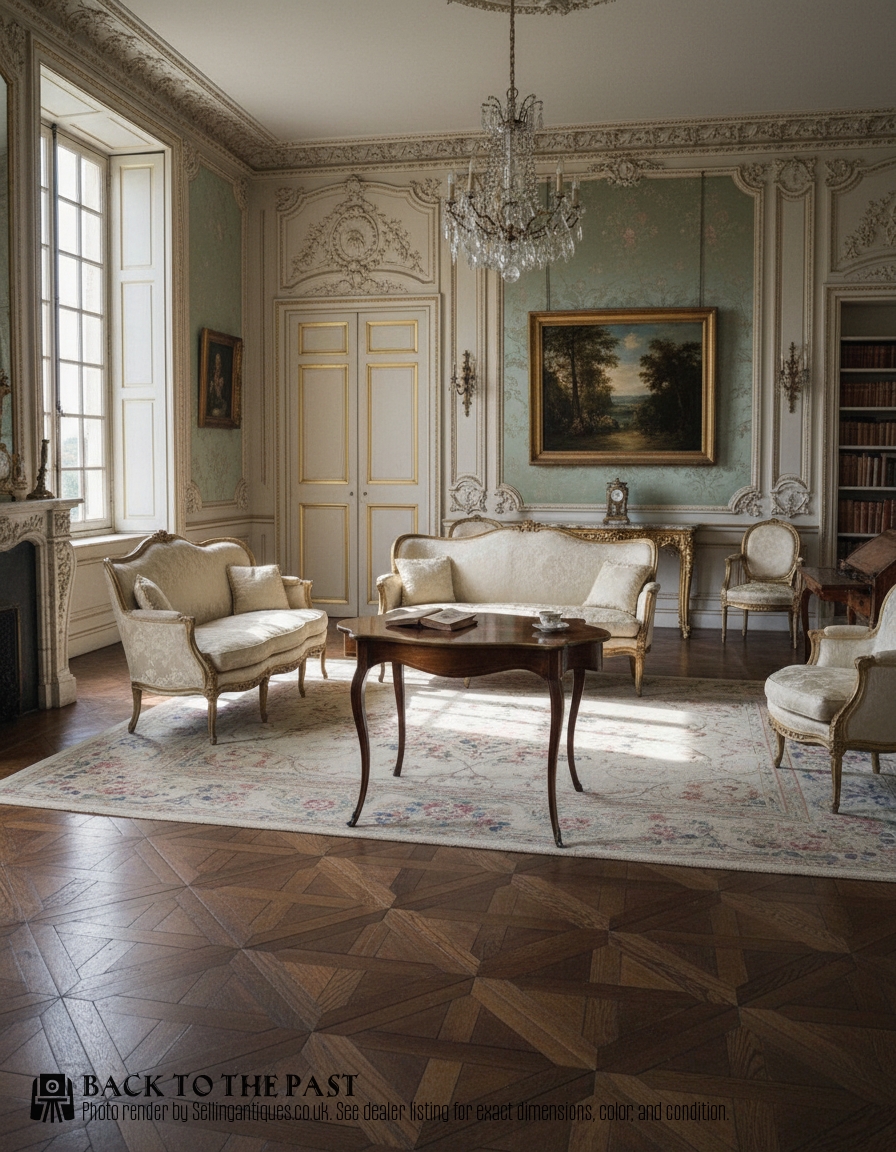
How they were made
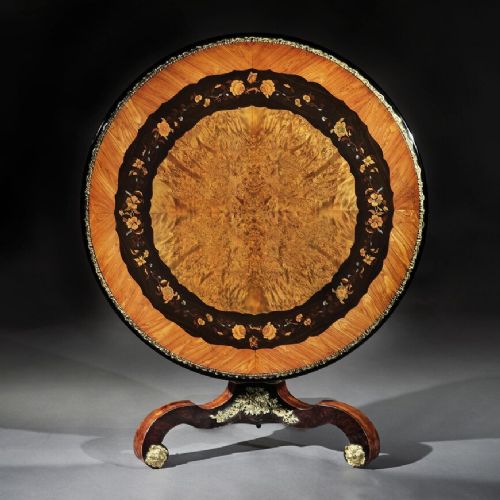
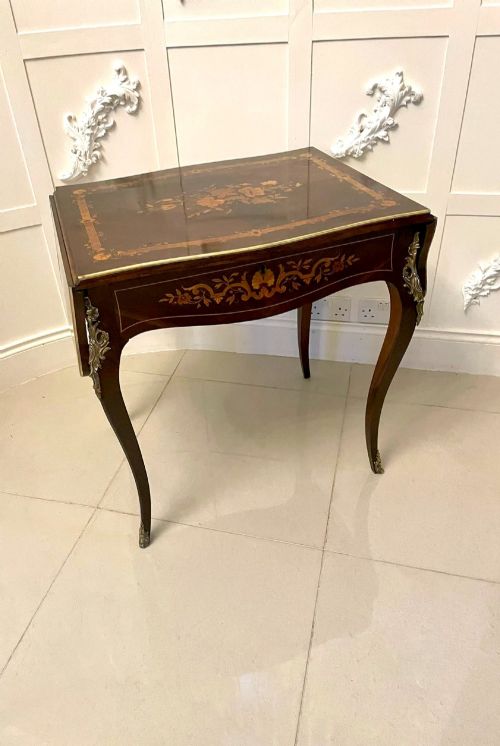
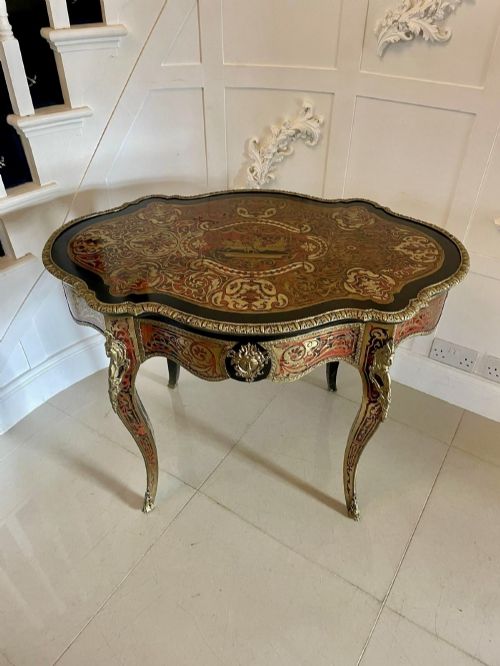
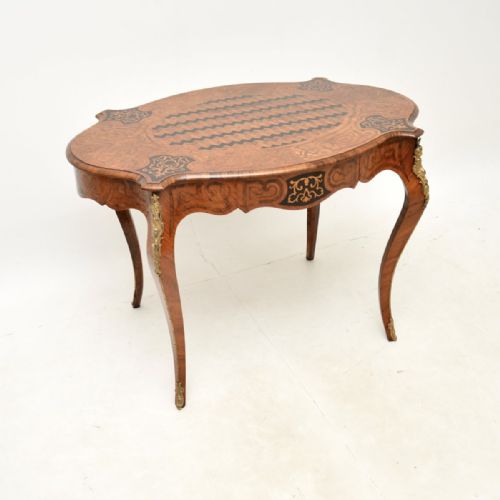
Craftsmen built these tables using foundational timbers like walnut, rosewood, kingwood, tulipwood, amboyna, and ebonised wood. Marquetry veneers and parquetry patterns were meticulously cut and fitted onto the primary carcase.
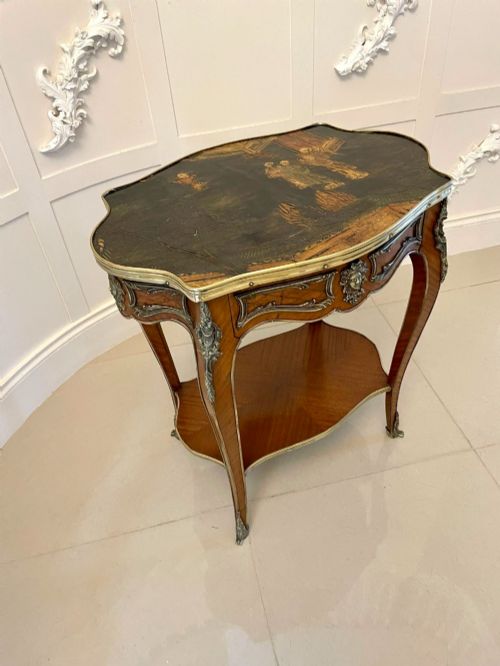
Metal enrichment played a vital role in the construction, utilising ormolu, brass, and gilt bronze mounts to accentuate the curves and corners of the woodwork.
Retail Price Guide 2026
Typical UK retail prices for french marquetry centre table, calculated from the Sellingantiques database of over a million retail prices indexed since 2003. This retail price guide relies exclusively on Sellingantiques data; no external sources or auction records are used, so the figures do not describe the wider market.
Listings feature nineteenth century and Victorian periods alongside Louis XV and Louis XVI styles, utilising walnut, rosewood, kingwood, and ormolu mounts.
What varies in quality
The sophistication of the veneer work defines the upper tiers of these tables, distinguishing simple geometric parquetry from elaborate pictorial marquetry designs. Richer timbers like kingwood and rosewood often signal higher ambition in the piece.
The integration of metalwork marks another distinction, where finely cast ormolu and gilt bronze mounts complement the timber rather than merely adorning it. Freestanding execution with finished detailing on all sides separates standard forms from superior examples.
The French Marquetry Centre Table Glossary
- Marquetry veneers
- Thin slices of decorative wood applied to a carcase to create pictorial or floral designs. These patterns define the visual character of the tabletop.
- Ormolu
- Gilt bronze mounts applied to furniture to highlight structural lines and corners. This technique provides metallic contrast against dark timbers.
- Parquetry
- Geometric wood inlay patterns forming precise tiled designs. It frequently appears alongside floral marquetry on these tables.
- Bureau plat
- A type of writing table designed to stand free in a room. Many examples share forms with standard centre tables.
- Kingwood
- A dense, richly grained exotic timber utilised in fine French cabinet making. Its dark tones provide a dramatic background for inlaid veneers.
Frequently Asked Questions
Where should I place a french marquetry centre table?
These pieces are designed to be freestanding, making them ideal for the middle of a drawing room or hallway where all sides remain visible.
Because they feature detailed veneer work across the entire surface, keeping them away from direct sunlight preserves the natural colours of the wood.
How do I care for the wood veneers?
Regular dusting with a soft, dry cloth protects the delicate marquetry and prevents abrasive particles from dulling the polished surface.
Avoid placing damp items directly onto the timber to protect both the underlying walnut or rosewood and the intricate inlay work.
What is the difference between Louis XV and Louis XVI styles?
Louis XV revival pieces tend to display flowing serpentine curves, cabriole legs, and asymmetric floral marquetry arrangements.
Louis XVI style tables generally introduce straighter lines, geometric parquetry, and classical architectural proportions.
Can these tables be used for daily writing?
Several variations function specifically as writing or bureau plat tables, offering a suitable surface for occasional correspondence.
Using a leather blotter or protective pad helps prevent accidental scratching on antique wood and marquetry veneers.