


Vintage Fold Down Table
A vintage fold down table offers clever surface space, bringing sturdy oak, rich mahogany and drop-leaf ingenuity directly into compact rooms.
Vintage Fold Down Table
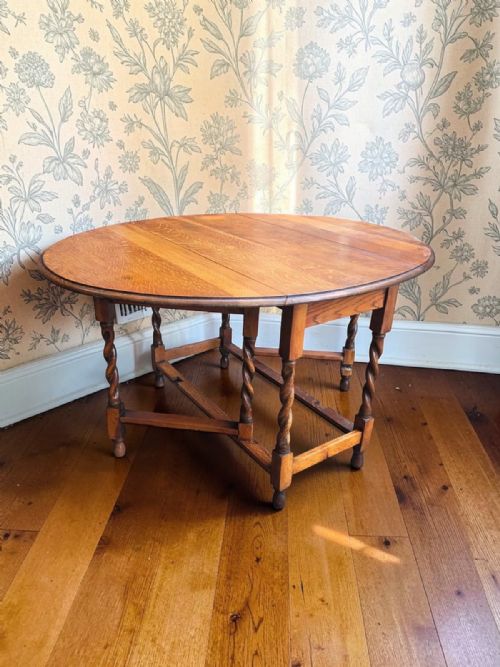
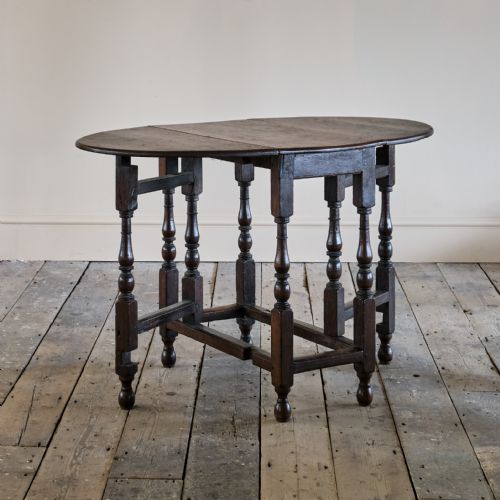
When you search for a vintage fold down table, you encounter practical surfaces designed to expand when needed and tuck away tightly against a wall. The selections span from robust oak gateleg dining tables from the nineteen twenties back to eighteenth-century George III mahogany pembroke examples.
Most pieces met on this page take the form of gateleg tables, drop leaf tables, and sutherland tables built in oak or mahogany. Styles reach across English country traditions, Jacobean revival, and Regency elegance, alongside Scandinavian countryslagbord designs.
Makers and craftsmen shaped these dining tables, coffee tables, and occasional tables to serve multiple functions in smaller domestic spaces. The folding mechanism remains central to each piece, defining its utility and historical period.
How they were made
Carpenters utilised solid timber such as oak, mahogany, walnut, and satinwood, frequently pairing them with brass hinges and structural pivots to support the drop leaves. Construction relied on traditional joinery to ensure the folding legs and swing brackets endured daily use.
Surface decoration involved subtle marquetry inlay and painted finishes, particularly on finer eighteenth-century and Edwardian pieces. Turned legs, including barley twist designs, added structural rigidity while introducing sculptural detail to the framework.
Vintage Fold Down Table Retail Price Guide 2026
Typical asking prices for vintage fold down table among the pieces listed under this phrase on Sellingantiques today, from the lower quarter to the upper quarter. They describe what is for sale here now, not the wider market.
Materials recorded across the current selection include oak, mahogany, walnut, satinwood, pine, paint, brass, and marquetry inlay.
What varies in quality
The distinction between standard examples and finer pieces lies in the selection of timber and the precision of the turning work. Superior tables display carefully matched grain across the drop leaves and the central top when fully opened.
Hardware choice and the tightness of the hinge fittings dictate the smoothness of the folding action. Well-executed marquetry inlay and balanced proportions distinguish elite formal tables from simpler utilitarian country pieces.
The Vintage Fold Down Table Glossary
- Gateleg table
- A table with hinged leaves supported by legs that swing outward like a gate. This design provides sturdy support for large drop leaves.
- Sutherland table
- A particularly narrow drop leaf table invented in the nineteenth century where the leaves drop nearly vertically. The folding legs support both the leaves and the main surface.
- Barley twist
- A decorative turning style resembling a twisted rope. Carpenters utilised this motif extensively on table legs during the Jacobean period and later revival eras.
- Marquetry
- The art of applying pieces of veneer to a structure to form decorative patterns. Craftsmen used contrasting woods to create intricate surface imagery on finer tables.
Vintage Fold Down Table: Frequently Asked Questions
How did people use fold down tables?
These tables served primarily as adaptable dining, tea, or occasional surfaces in domestic interiors. Owners expanded the leaves during meals or gatherings and dropped them afterward to preserve floor space.
Smaller versions functioned as tea or coffee tables in parlours and drawing rooms. Their dual nature made them essential furniture in rooms requiring flexible layouts.
How do I identify a pembroke table?
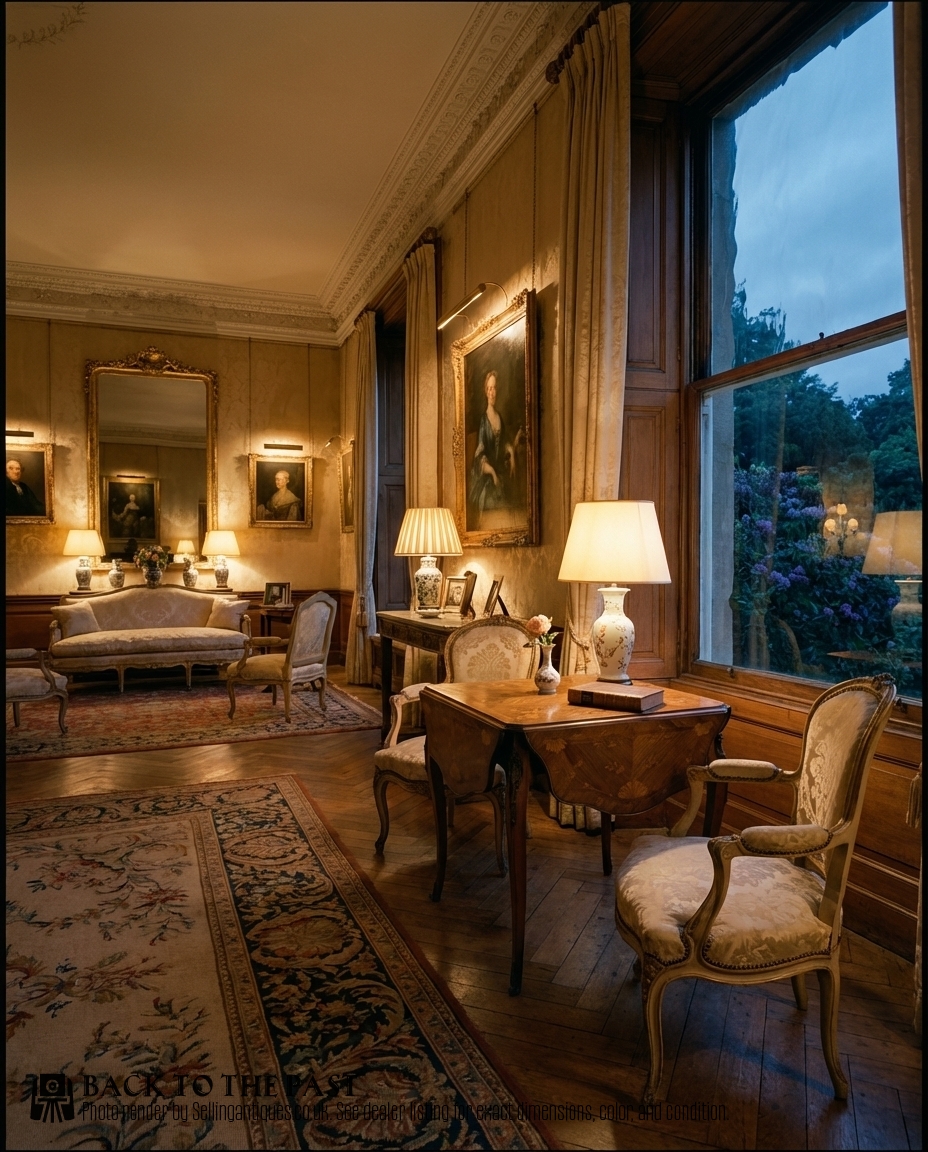
A pembroke table typically has a rectangular or serpentine centre top flanked by two short drop leaves. They usually include slender legs and occasional drawer storage beneath the surface.
Regency and eighteenth-century examples often showcase fine mahogany construction and delicate brass handles. Their lighter frames suited parlour and sitting room environments.
Where do slagbord tables originate?
Slagbord tables represent traditional Scandinavian country drop leaf furniture design. They share functional similarities with British gateleg tables but reflect Nordic woodworking aesthetics.
These pieces emphasise practical utility and sturdy construction using regional timber. They bring a distinct regional character to the broader category of folding tables.
How do I care for antique wood tables?
Maintain antique wooden surfaces by keeping them away from direct heat sources and drastic humidity changes. Regular dusting with a soft cloth preserves the original polish and finish.
Apply suitable wax sparingly to nourish older timber like oak and mahogany without building up residue. Avoid placing unprotected hot items directly onto the antique polish.