
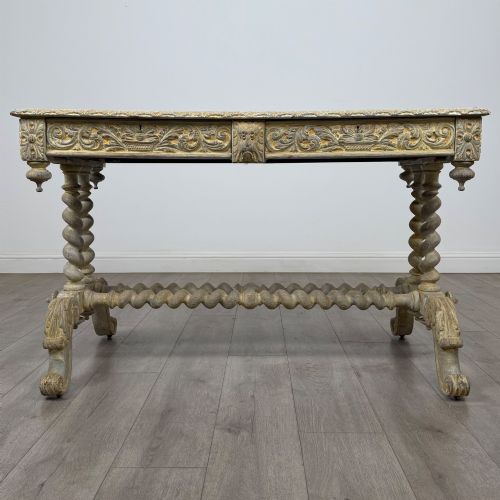
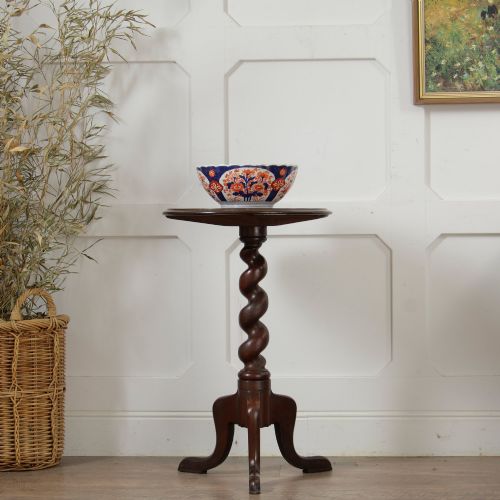
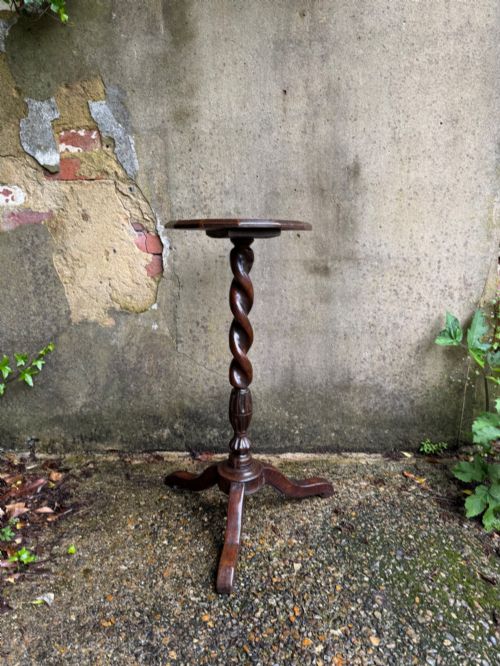
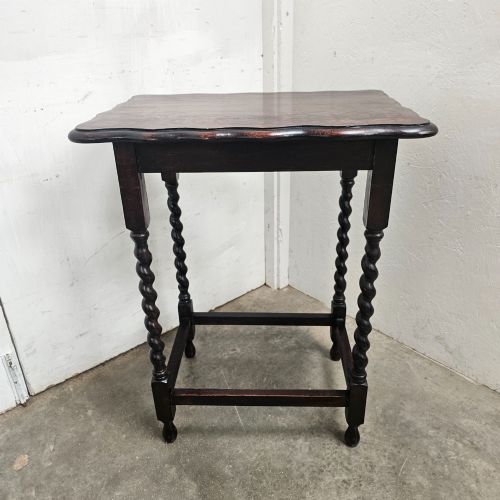
Carved Barley Twist Table
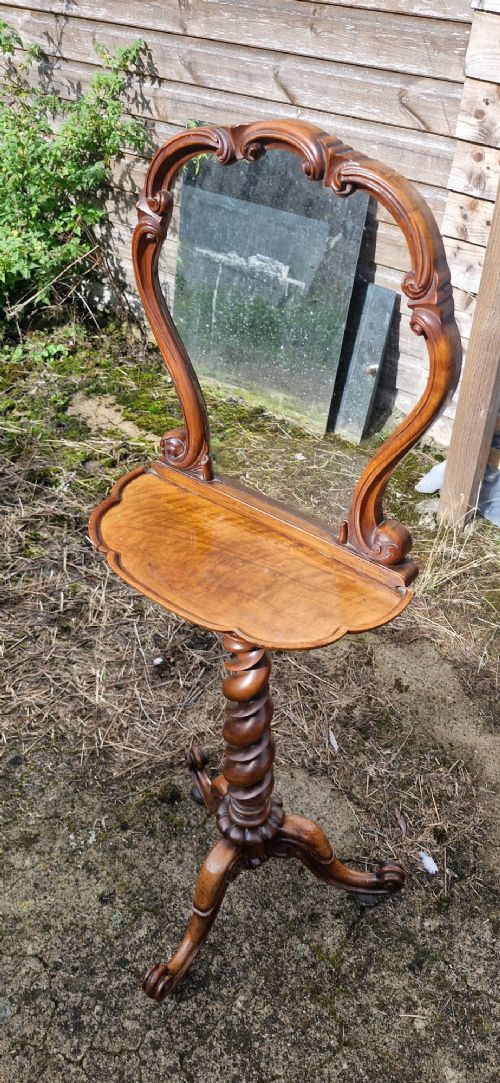
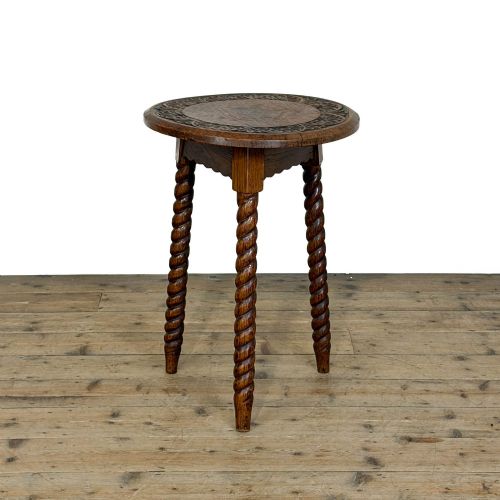
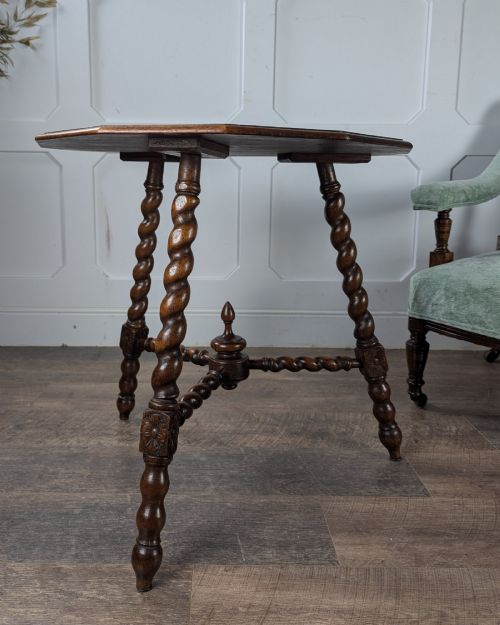
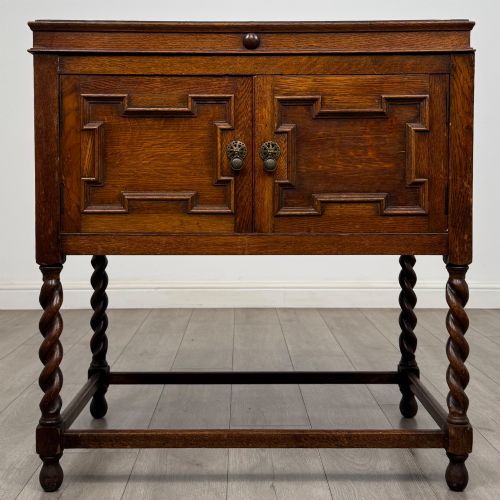
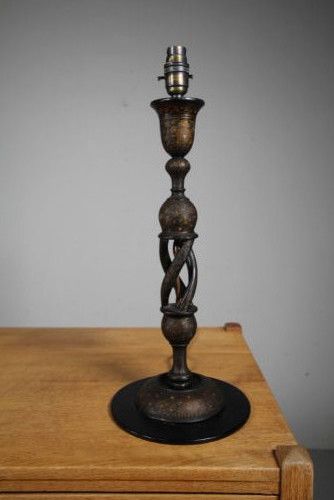
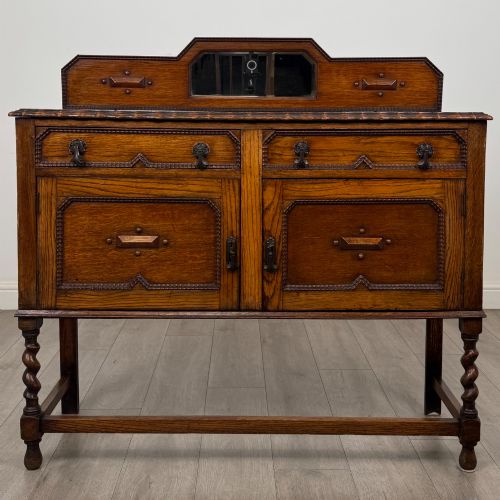
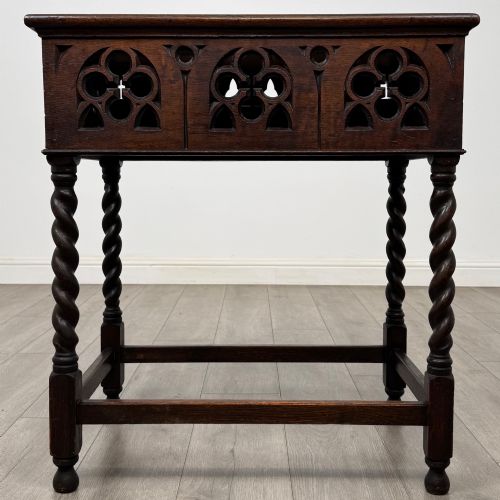
A carved barley twist table brings tactile turned timber into a room, offering sturdy charm through spiralling legs.
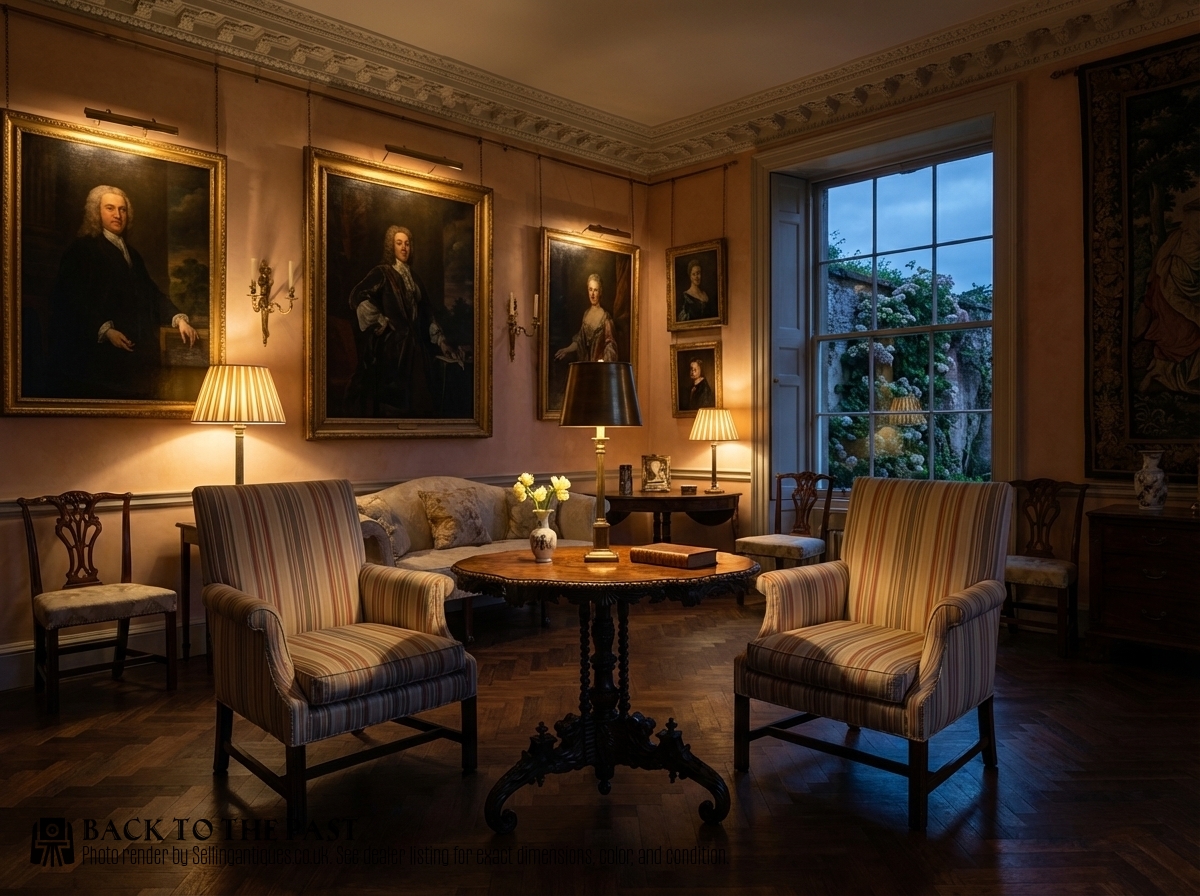
Understanding carved barley twist table designs
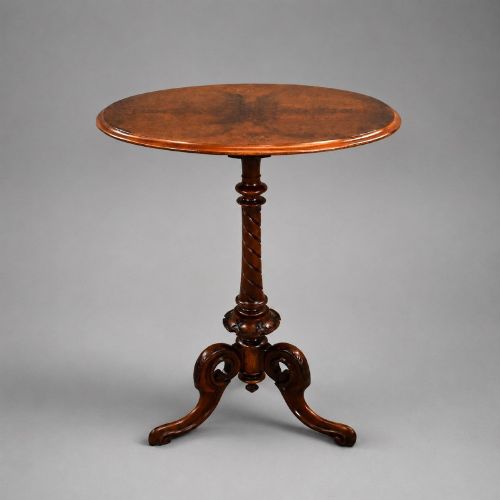
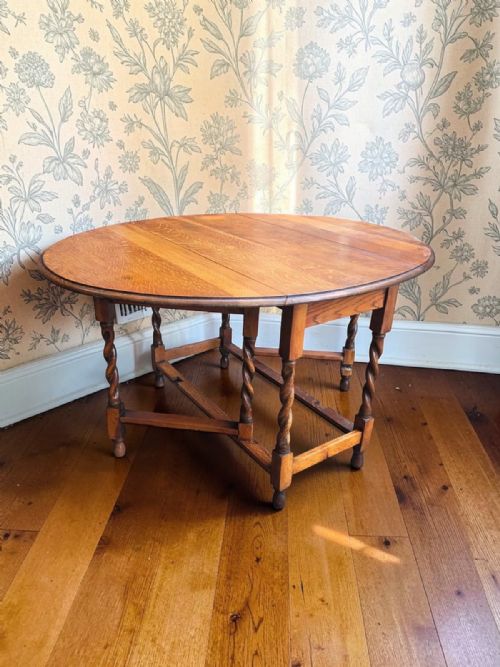
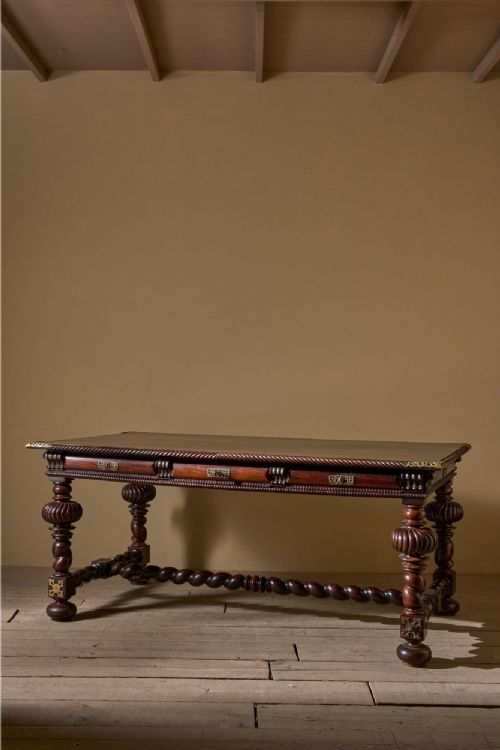
A carved barley twist table brings together sturdy timber frames and helical turned legs that catch the light. When you search for a carved barley twist table, you encounter diverse forms ranging from compact occasional pieces to expansive library desks. The selection includes occasional tables, centre tables, coffee tables, gateleg tables, and side tables.
Originating across different eras, these pieces span the mid nineteenth century, the Victorian period, Edwardian decades, and the nineteen thirties. Materials shift between oak, walnut, mahogany, satinwood, fruitwood, hardwood, and brass, often enriched by marquetry inlay or intricate carving such as grotesque masks.
You meet various stylistic revivals within this grouping, including Jacobean Revival, Mamluk Revival, and Victorian craftsmanship. Forms adapt to domestic utility, functioning as lamp tables, hall tables, tripod surfaces, and dumb waiter side tables.
Materials and construction methods
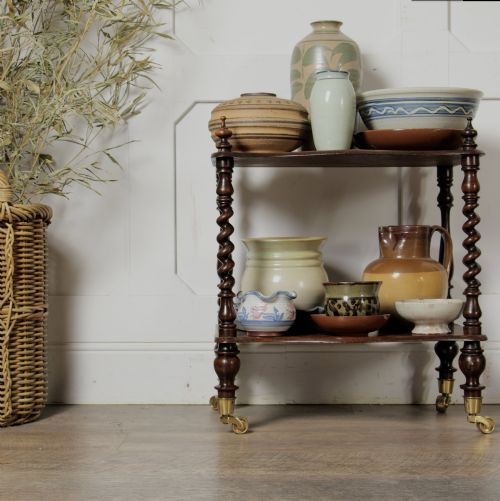
Carpenters shape dense timbers like oak, walnut, mahogany, and fruitwood using traditional turning lathes to carve the distinctive helical twist legs. Hardwood frames support flat tops, drop leaves in gateleg variants, and multi tiered shelves on specialised dumb waiter designs.
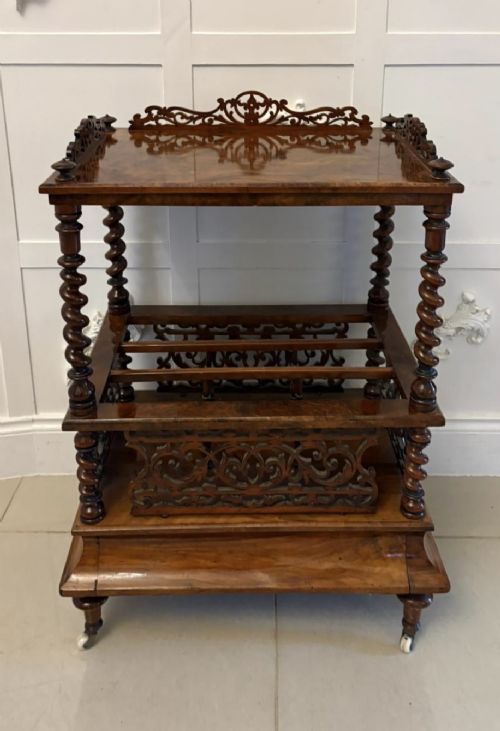
Surface decoration involves fine marquetry inlay using contrasting woods like satinwood, alongside hand carved details such as up finials and figural masks. Brass components appear in specific revival pieces, complementing the rich tones of polished timber.
Retail Price Guide 2026
Typical UK retail prices for carved barley twist table, calculated from the Sellingantiques database of over a million retail prices indexed since 2003. This retail price guide relies exclusively on Sellingantiques data; no external sources or auction records are used, so the figures do not describe the wider market.
One Black Forest table arrives equipped to hold everything from a lamp to a sofa side cup.
Assessing quality in turned furniture
Quality rests in the precision of the timber turning and the depth of the hand carving on the spiral legs. Crisp execution of details like marquetry inlay or applied masks separates standard utility items from exhibition grade works.
The choice of primary wood, whether rich walnut, figured mahogany, or decorative satinwood, dictates the visual weight and finish of the piece. Robust joinery in structural elements such as gateleg hinges and tiered supports ensures enduring stability.
The Carved Barley Twist Table Glossary
- Barley Twist
- A type of furniture leg turned in a continuous helical spiral resembling a twisted stalk of barley. This technique gains popularity in seventeenth century joinery and reappears strongly during nineteenth century revivals.
- Marquetry Inlay
- Decorative patterns formed by fitting contrasting veneer slices into a prepared wooden surface. This technique creates elaborate geometric or floral motifs on table tops.
- Gateleg Table
- A table featuring hinged drop leaves supported by swing out legs that gate outwards. This design allows the surface area to expand or contract according to space needs.
- Mamluk Revival
- A nineteenth century design movement drawing inspiration from Islamic art of the Mamluk Sultanate. Pieces in this style often incorporate metalwork elements like brass alongside traditional woodwork.
Frequently Asked Questions
What is a barley twist table?
A barley twist table is a piece of furniture featuring legs turned into a distinctive helical spiral shape. These tables utilise timber frameworks spanning oak, walnut, and mahogany.
They appear across various periods from the seventeenth century onwards, embracing styles like Jacobean Revival and Victorian cabinet making.
How do I date an oak barley twist table?
Dating relies on examining the timber grain, construction techniques, and stylistic context of the piece. Listings feature examples from the mid nineteenth century, Victorian era, Edwardian period, and nineteen thirties.
Earlier examples often display deeper hand carving and heavier oak construction, while later twentieth century pieces utilise streamlined proportions.
Where should I place a centre table?
A centre table works best positioned in open spaces where its decorative legs and top remain visible from all sides. These pieces function effectively in halls, libraries, or living rooms as display surfaces.
Matching the table scale to the room dimensions ensures the turned legs do not crowd the surrounding floor area.
What materials are used in these tables?
Construction primarily involves solid hardwoods including oak, walnut, mahogany, fruitwood, and satinwood. Some specialised pieces incorporate brass components or detailed marquetry inlay across the table top.
Finishes highlight the natural grain of the timber through traditional polishing methods.