
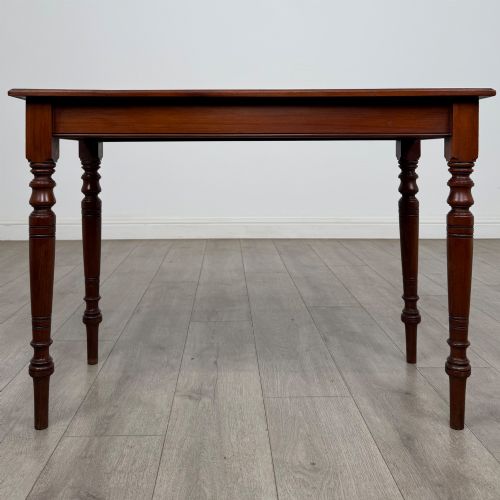
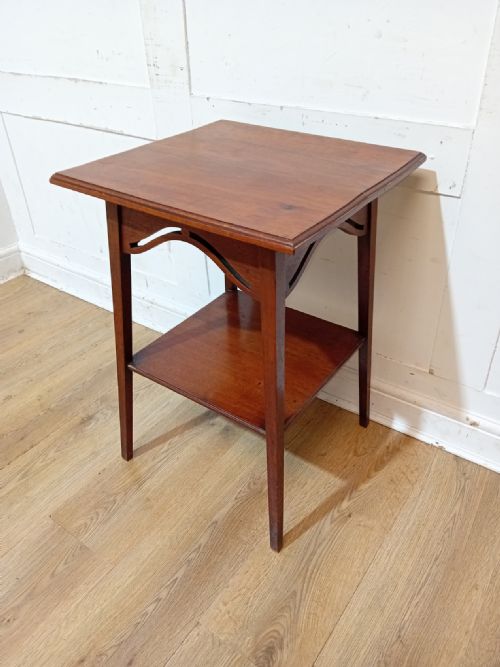

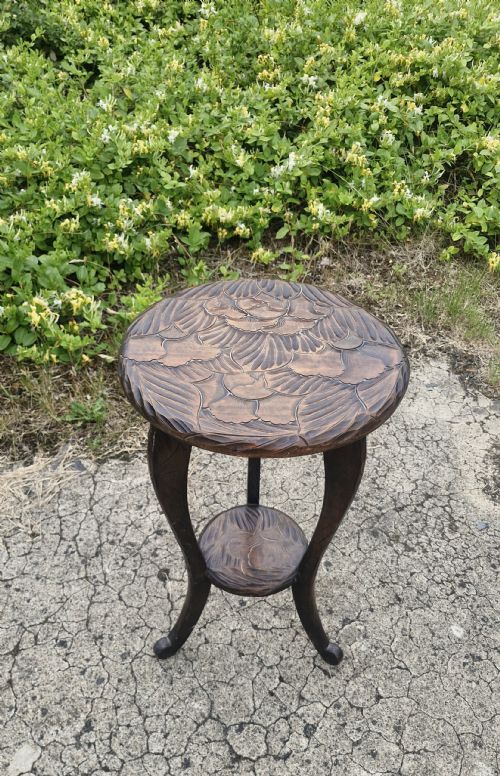
Edwardian Walnut Occasional Table
An edwardian walnut occasional table brings warmth and compact utility to a room through rich timber grain and polished nineteenth-century craftsmanship.
Edwardian Walnut Occasional Table
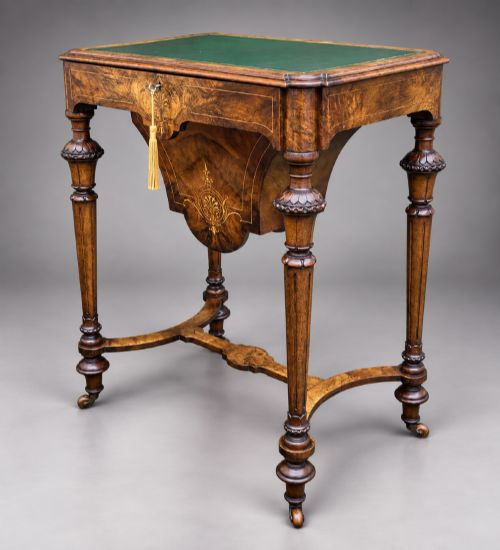
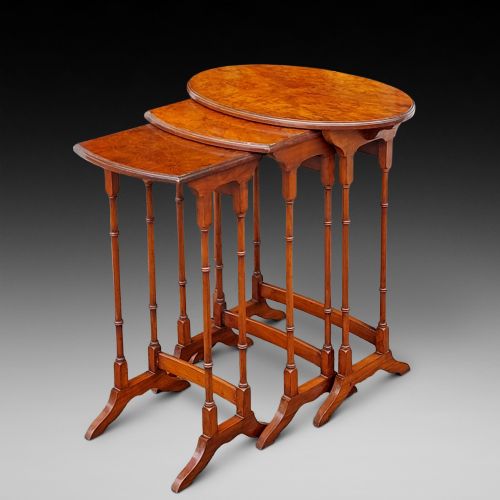
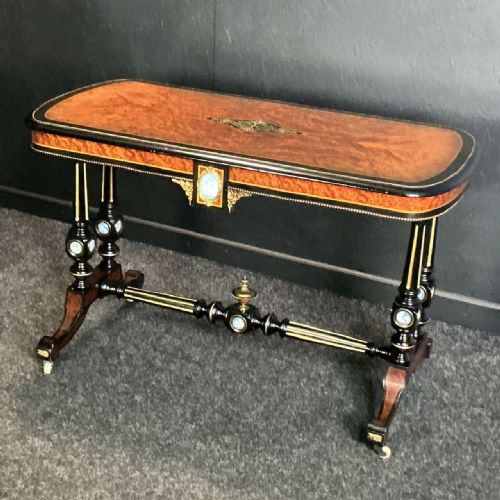
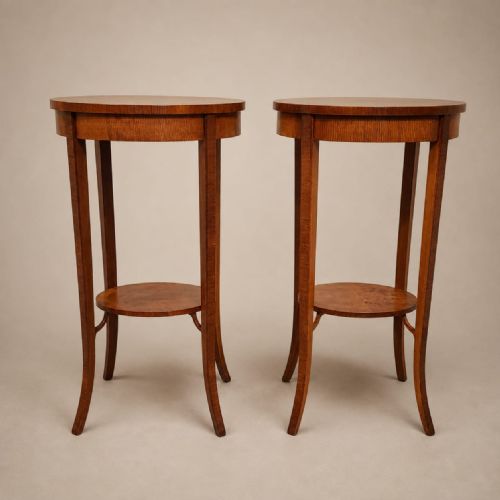
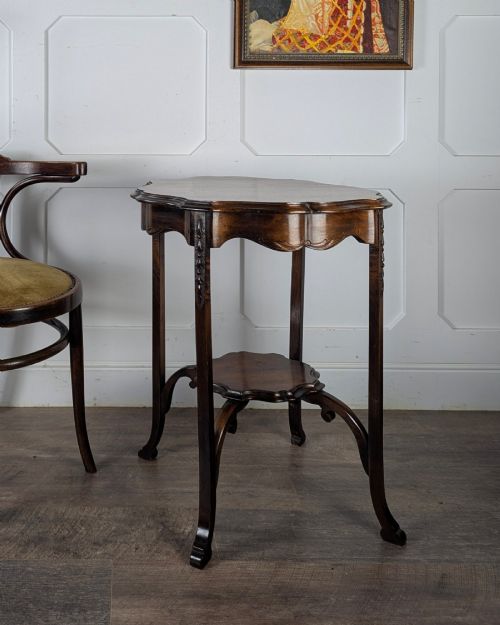
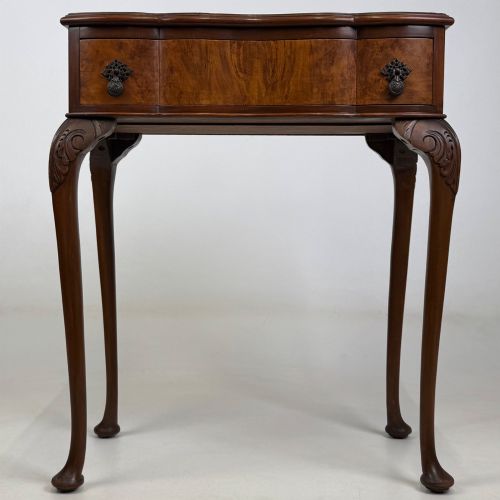
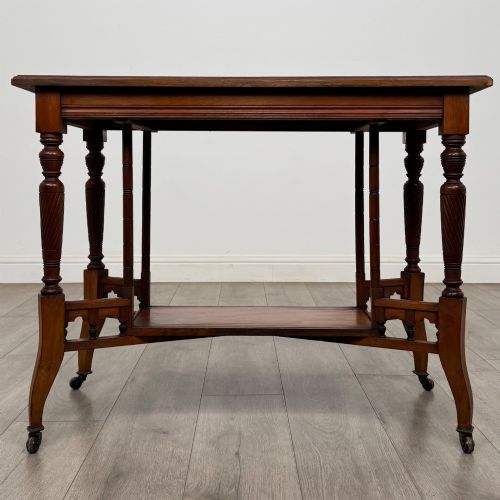
When you search for an edwardian walnut occasional table, you encounter versatile, smaller-scale furniture designed to sit beside chairs or in corners during the early twentieth century and late Victorian periods. These pieces frequently manifest as side tables, nests of tables, or small centre tables intended for flexible placement around a sitting room.
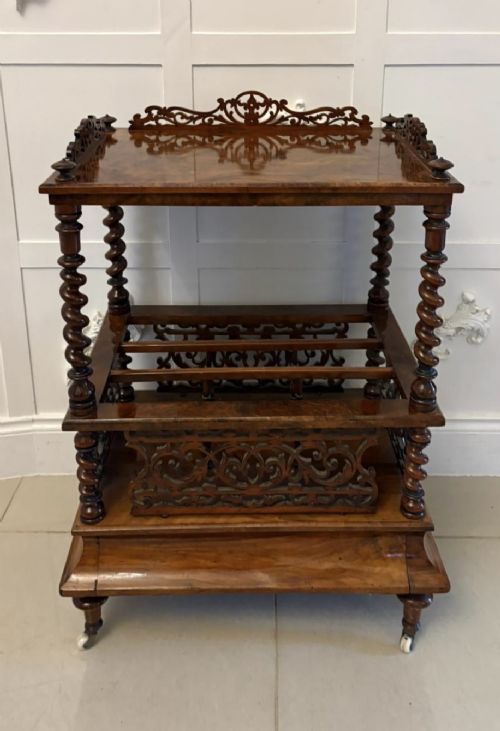
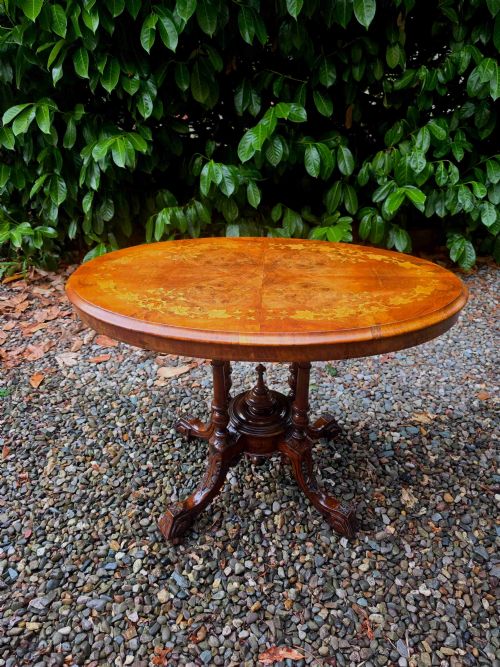
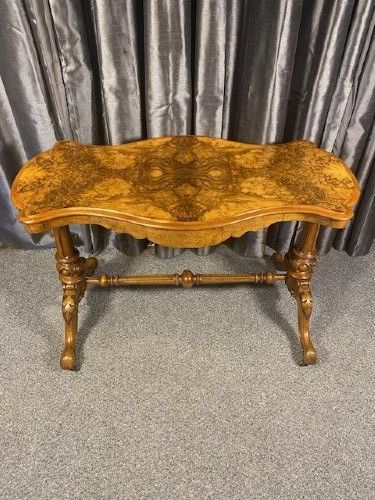
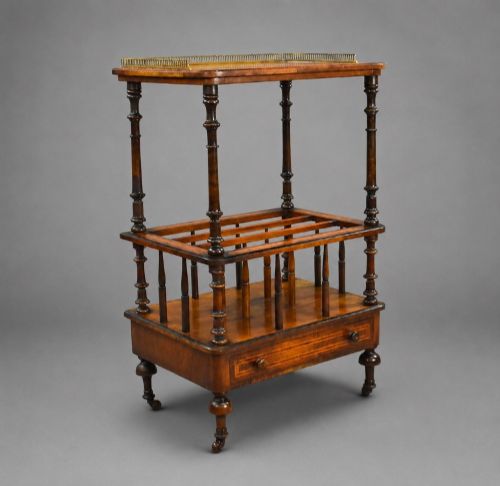
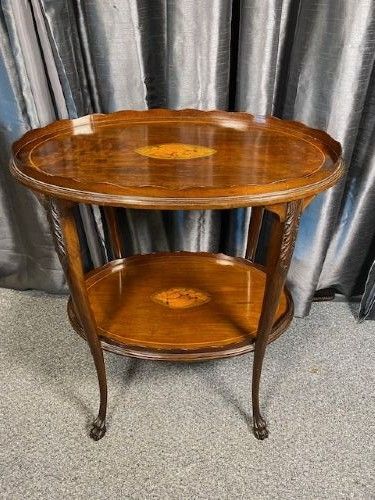
The selections available range from simple solid timber frames to elaborate examples featuring marquetry inlay, satinwood detailing, or burr walnut veneers. Forms span rectangular shapes, oval tops, and octagonal variants, sometimes incorporating undertiers for holding periodicals or displaying ornaments.
Materials and construction
Cabinet makers utilised walnut timber, frequently selecting burr walnut for its complex, swirling grain patterns on table tops, alongside supporting woods such as mahogany, oak, and beech. Surfaces were often enhanced with marquetry inlay using lighter decorative timbers like satinwood to create geometric or floral motifs.
Construction techniques balanced lightness with stability, employing slender turned legs, tripod bases, or supporting under-tiers secured with traditional joinery. Edges occasionally received carved details such as pie-crust shaping or raised galleries in wood and brass.
Edwardian Walnut Occasional Table Retail Price Guide 2026
Typical asking prices for edwardian walnut occasional table among the pieces listed under this phrase on Sellingantiques today, from the lower quarter to the upper quarter. They describe what is for sale here now, not the wider market.
Some tables double as nests, proving that Edwardians understood the eternal struggle of needing extra surfaces for tea.
Variations in quality
Quality reveals itself in the selection of the timber veneers and the precision of the marquetry inlay rather than the mere presence of decoration. Superior examples display carefully matched burr walnut grain across the primary surface and crisp, intact stringing without clumsy repairs.
Structural integrity and the retention of original surfaces separate standard production items from finer workshop pieces. Tables showing balanced proportions, tight joints, and undisturbed polished finishes command greater appreciation from collectors.
Liberty of London
The Edwardian Walnut Occasional Table Glossary
- Burr walnut
- Timber taken from a tree growth or wart, yielding highly figured, swirling veneer patterns prized for table tops.
- Marquetry inlay
- Decorative patterns formed by fitting small pieces of contrasting veneer into prepared recesses in the wood surface.
- Occasional table
- A small, movable table designed for light, specific uses around a room rather than primary dining.
- Gallery
- A raised wooden or metal rim around the edge of a table top to prevent items from sliding off.
- Under-tier
- A secondary lower shelf fitted between the legs of a table to provide extra storage or display space.
Edwardian Walnut Occasional Table: Frequently Asked Questions
What is an edwardian walnut occasional table used for?
These pieces served as portable surfaces for lamps, books, tea services, and decorative ornaments within Edwardian drawing rooms.
Today, they function well as compact lamp tables, bedside stands, or coffee table alternatives in smaller modern spaces.
How do I identify burr walnut?
Burr walnut is instantly recognisable by its dense, swirling grain and cloud-like patterns caused by growth knots in the timber.
Cabinet makers used these dramatic veneers on the most visible surfaces, such as table tops, while framing them with simpler straight-grained walnut.
Are these tables sturdy enough for daily use?
Edwardian occasional tables were constructed for light domestic duties rather than heavy weight-bearing tasks.
While solid and well-joined, their slender legs and delicate veneers mean they require thoughtful placement away from heavy bumps.
How can I tell an Edwardian piece from a Victorian one?
Edwardian pieces generally exhibit lighter proportions, restrained ornamentation, and influences from revival styles or Arts and Crafts simplicity.
Victorian predecessors often display heavier timber sections, darker finishes, and more robust carving or elaborate marquetry.