

French Walnut Side Table
These french walnut side table pieces bring practical French elegance to a room, offering warm timber tones and useful surfaces.
Forms and periods
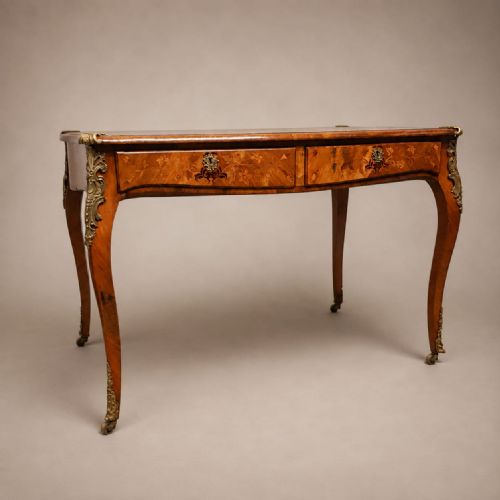
A french walnut side table covers a range of compact domestic forms, from bedside nightstands and narrow consoles to occasional lamp tables. The pieces appearing here span the Victorian era, the late nineteenth century around eighteen ninety, and into the nineteen twenties.
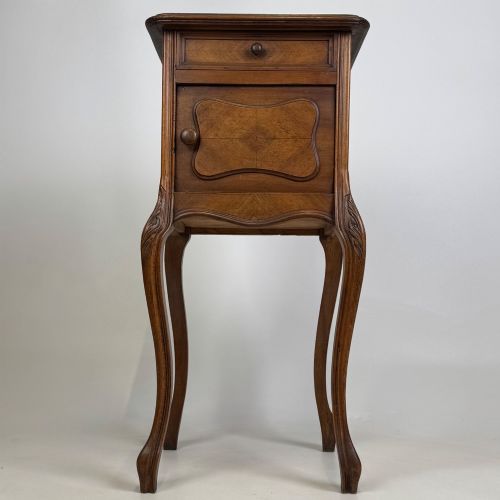
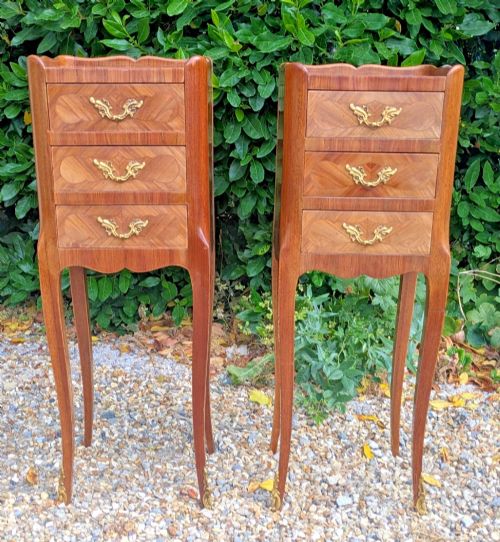
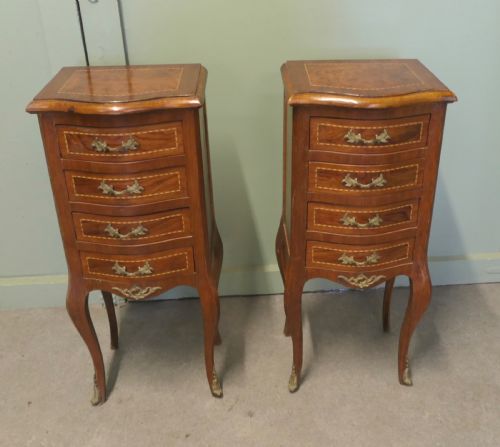
Bedside cabinets and marble-topped nightstands emerge frequently in both current stock and past sales, often appearing in matched pairs. Alongside these, low coffee tables, drawer-fitted cabinets, and oval occasional tables complete the selection.
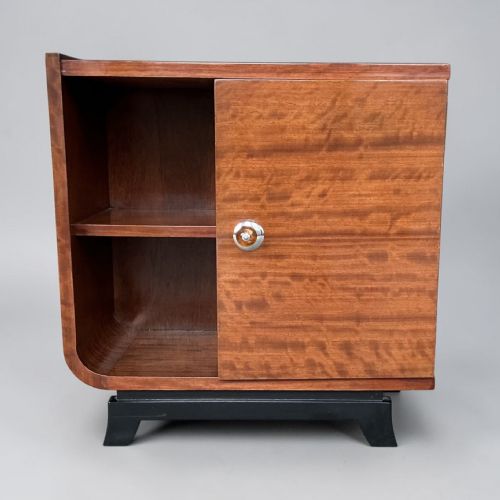
Stylistic influences draw upon traditional French designs, including Louis Philippe, Louis XV, and Louis XVI styles, alongside later Art Deco interpretations in figured walnut.
Materials and construction
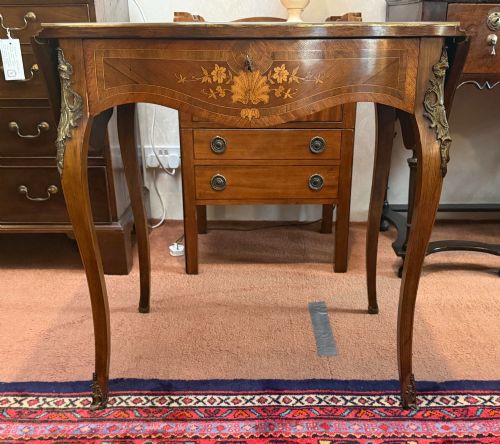
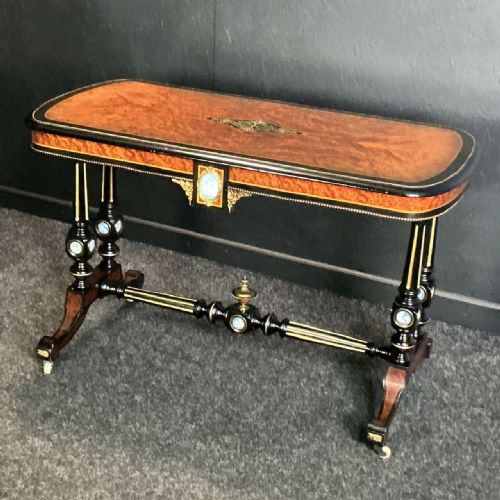
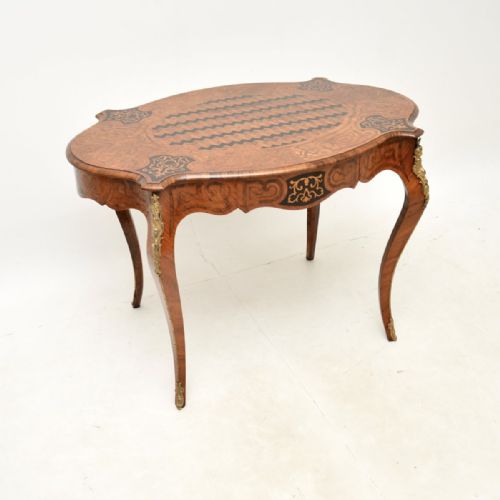
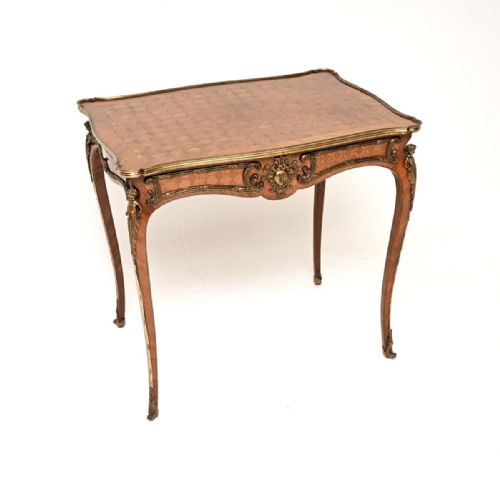
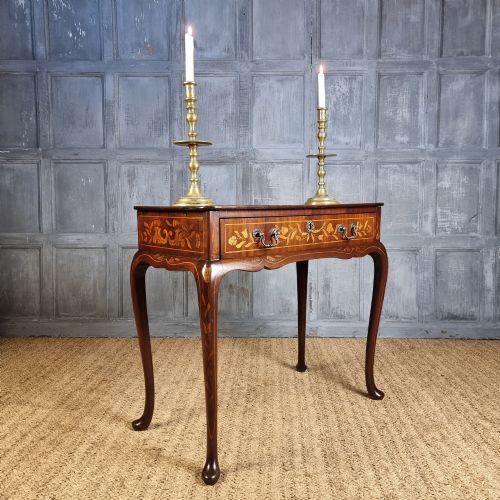
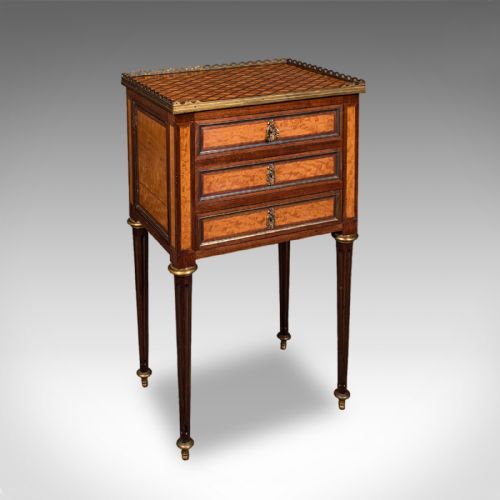
Construction relies heavily upon walnut and walnut veneer, occasionally featuring burr walnut or marquetry patterns and parquetry top details. Solid timber framing supports structural elements, while selected pieces incorporate brass mounts, gilt metal details, and glass.
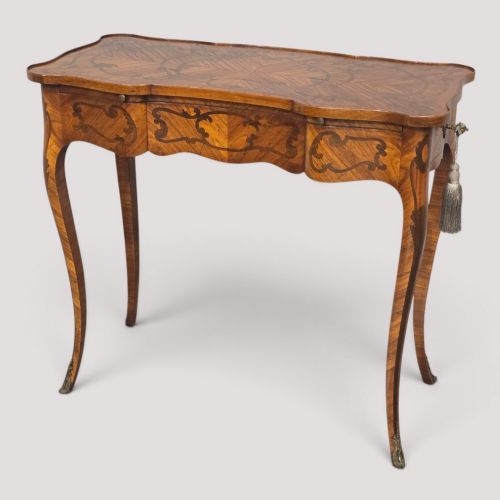
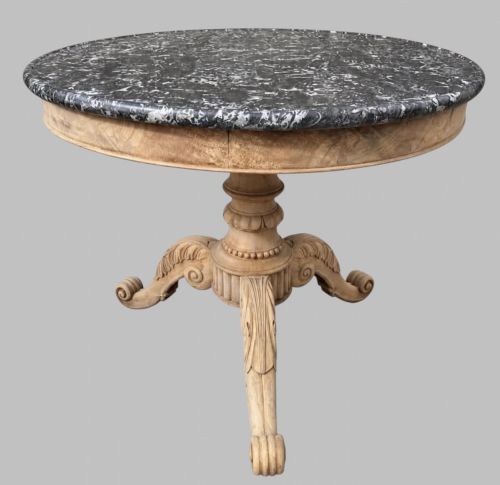
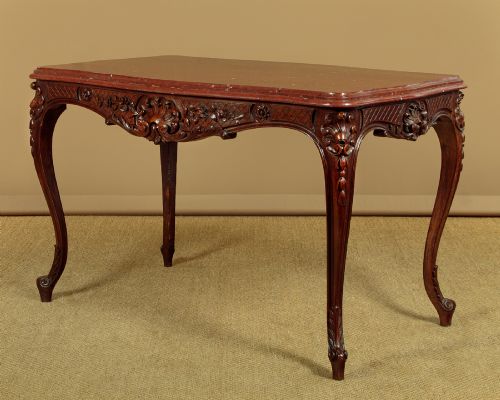
Many examples integrate inset marble tops, particularly on bedside cabinets and console forms, providing a durable and decorative surface. Legs take various traditional shapes, including turned supports, bobbin turnings, and curved cabriole forms.
Retail Price Guide 2026
Typical UK retail prices for french walnut side table, calculated from the Sellingantiques database of over a million retail prices indexed since 2003. This retail price guide relies exclusively on Sellingantiques data; no external sources or auction records are used, so the figures do not describe the wider market.
Listings include items featuring marble, brass, and glass alongside solid walnut and walnut veneer.
Distinctions in quality
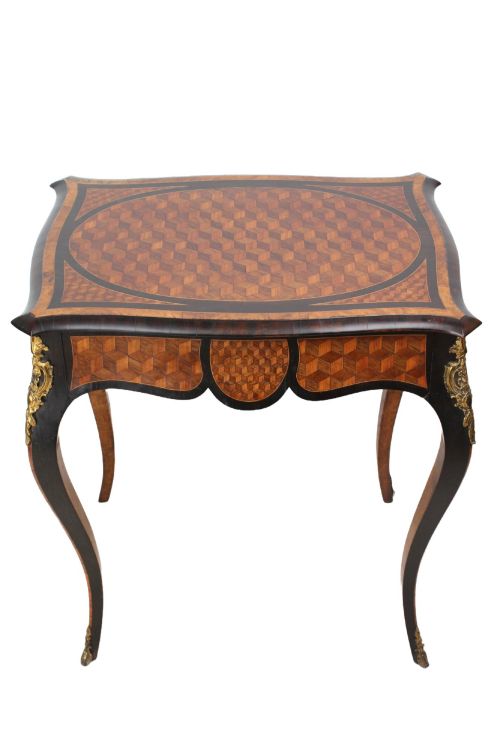
Quality rests upon the selection of timber veneers and the intricacy of decorative enrichment, such as marquetry inlays or parquetry geometric patterns. Finer examples display superior figuring in the walnut grain and careful matching across surfaces.
The integration of materials also dictates standing, where heavy marble slabs fit flush into timber frames and cast brass or gilt mounts exhibit crisp casting rather than soft detail.
The French Walnut Side Table Glossary
- Marquetry
- Decorative wood veneer arranged in pictorial or geometric patterns. Artisans cut various timber species to create contrasting designs across tabletops and drawer fronts.
- Parquetry
- Geometric mosaic woodwork formed by small veneer blocks. This technique frequently decorates the oval and rectangular tops of nineteenth century occasional tables.
- Cabriole leg
- A furniture support curving outward at the knee and inward at the ankle. It derives from traditional furniture design and appears on numerous continental side tables.
- Burr walnut
- Wood grain taken from the growth growths or burls of walnut trees. It yields swirling, highly figured patterns prized for cabinet fronts and table surfaces.
- Console table
- A wall-mounted or freestanding narrow table designed for display. These pieces often feature marble tops and decorative leg supports.
Frequently Asked Questions
How were these tables used originally?
These tables served various domestic functions in bedrooms and reception rooms. Bedside cabinets held night essentials behind small doors or drawers.
Smaller occasional and lamp tables provided convenient surfaces for lighting and decorative objects in sitting spaces.
Do bedside tables usually come in pairs?
Many bedside pieces survive as matched pairs, particularly those dating from the nineteenth and early twentieth centuries. These matching sets were manufactured together to flank a bed.
Single examples also appear regularly among console and occasional table forms.
How do I identify the period of a table?
Dating relies upon stylistic markers, structural joints, and material combinations associated with specific decades. Victorian and late nineteenth century pieces often show traditional turned or cabriole supports.
Later nineteen twenties and Art Deco examples display cleaner lines and figured walnut veneers without historical revival ornament.
Are marble tops original to the tables?
Inset marble tops are common on bedside cabinets and console forms from the Victorian era onward. They provided a practical, wipe-clean surface for washing jugs and bedside items.
These stone slabs sit directly into rebated wooden frames designed specifically to hold them.