

19th Century Nightstand
A 19th century nightstand brings practical bedside storage and period character to a bedroom.
19th Century Nightstand
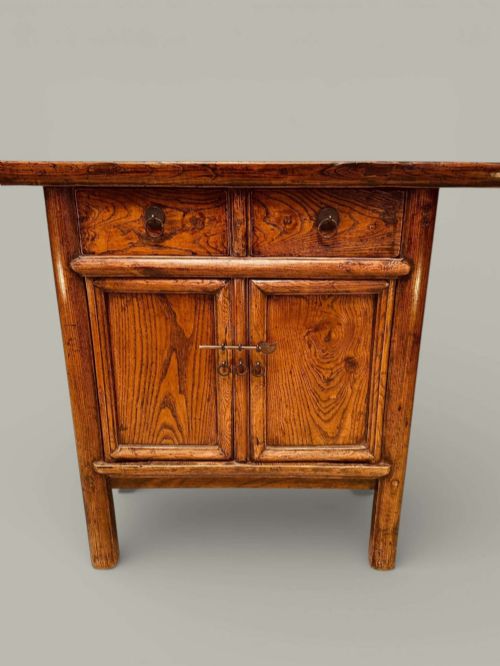
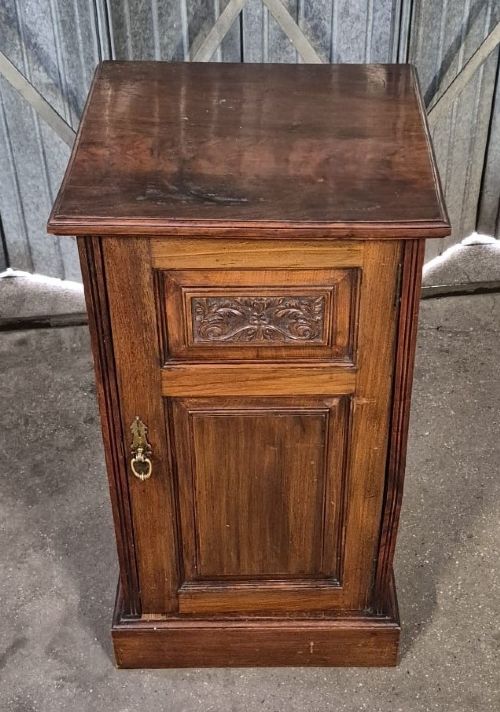
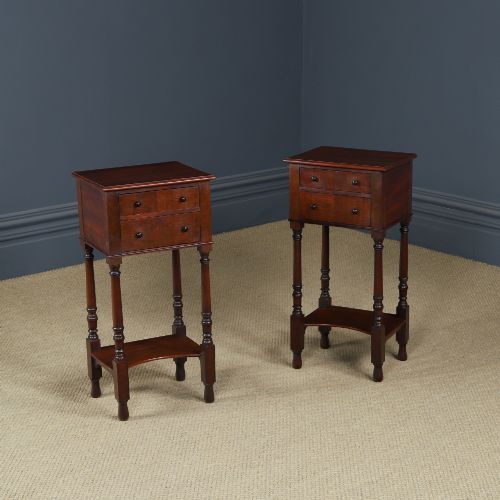
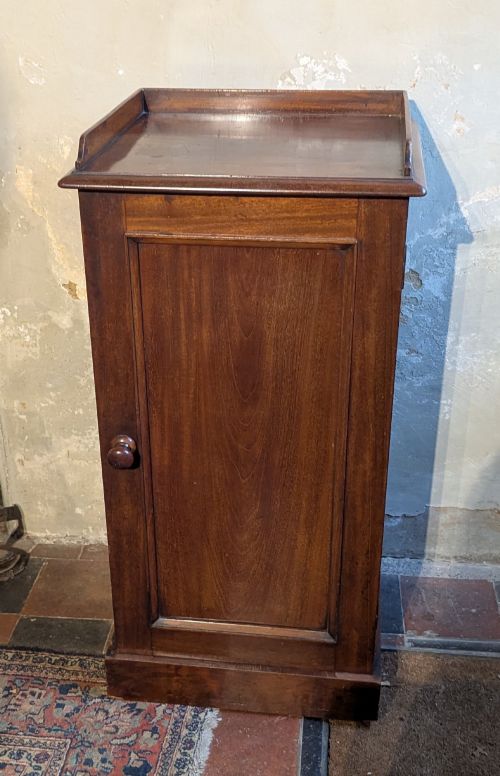
A 19th century nightstand encompasses bedside cabinets, cupboards, chests, and small tables produced during the eighteen hundreds. Buyers searching for a 19th century nightstand will frequently encounter mahogany and walnut bedside chests alongside French provincial and Victorian side cabinets.
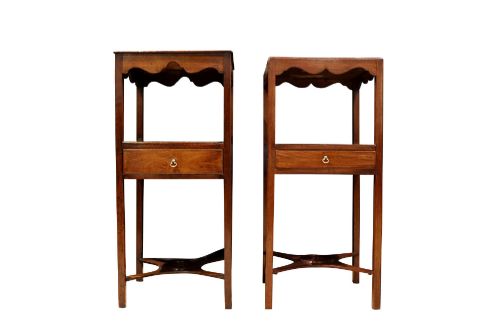
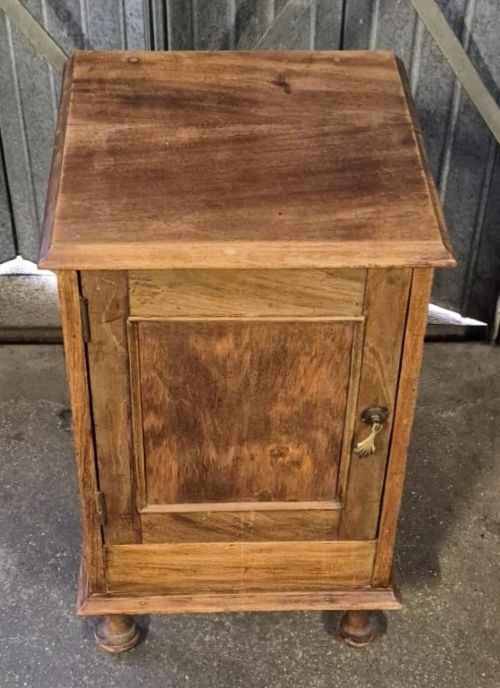
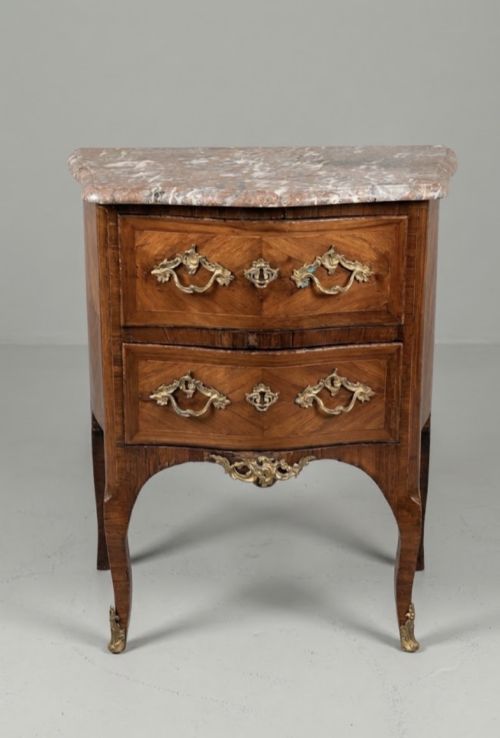
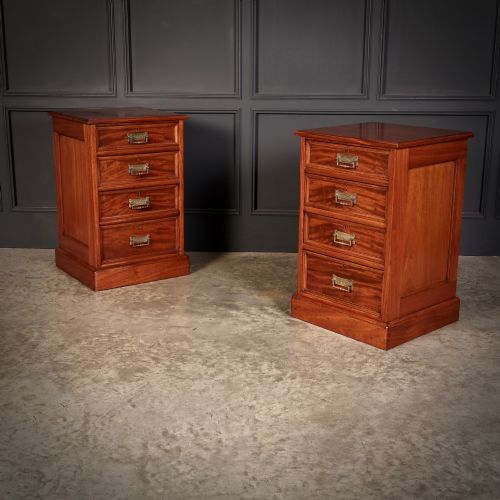
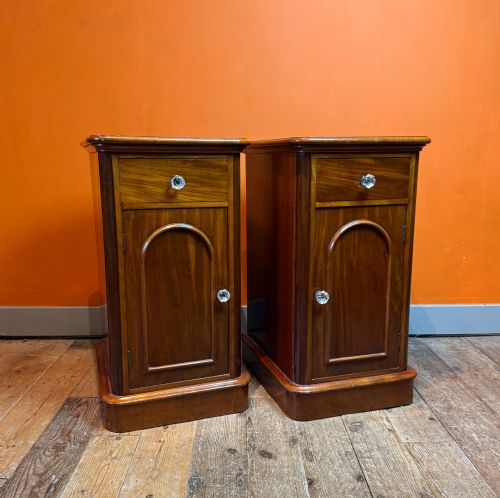
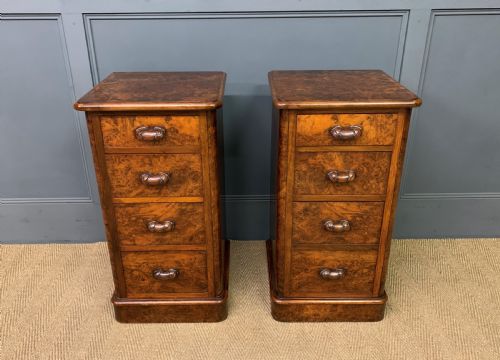
The selection ranges from simple oak cupboards and pine pot cupboards to refined burr walnut chests with marble tops and parquetry inlay. Many examples appear in pairs, reflecting the Victorian demand for symmetrical bedroom furnishings.
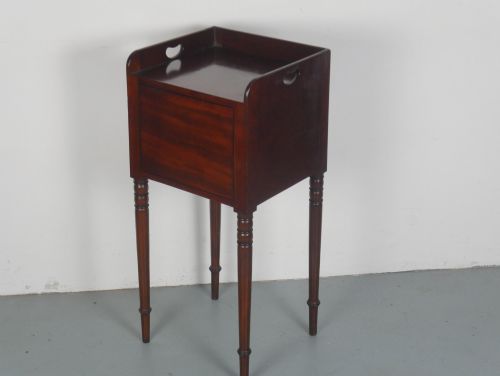
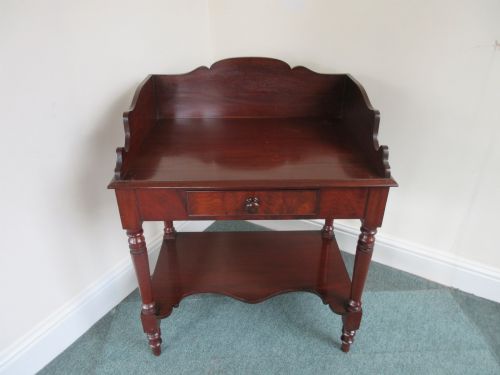
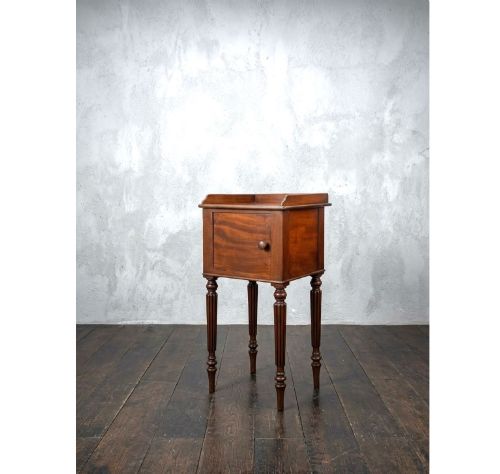
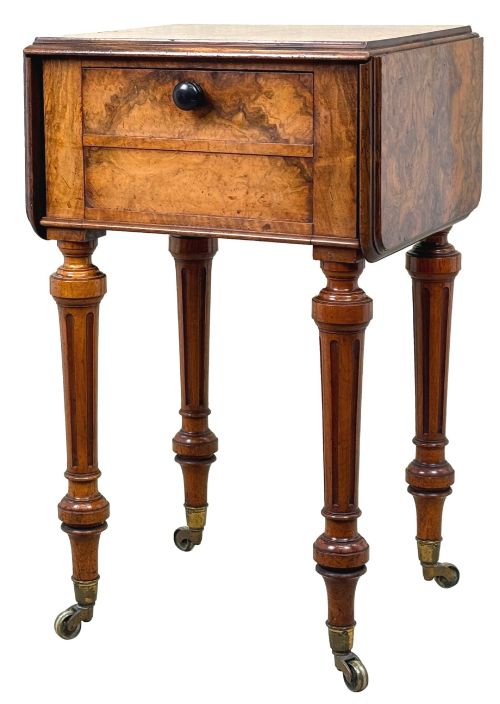
The forms extend beyond standard cupboards to include occasional tables, washstands, and tray-top tables adapted for modern bedside use. Regional variations from English workshops and French ateliers dominate the available selection.

Materials and Construction
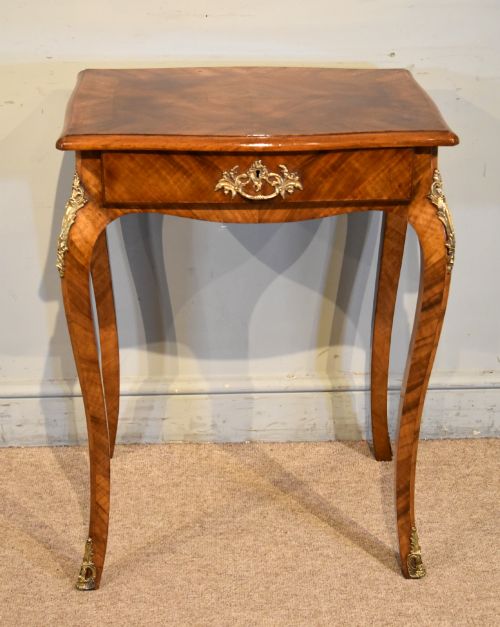
Cabinet makers utilised dense hardwoods such as mahogany, walnut, and oak for structural stability and rich grain patterns. Burr walnut and kingwood veneers appeared on finer French pieces, often accented with brass handles or ormolu mounts.
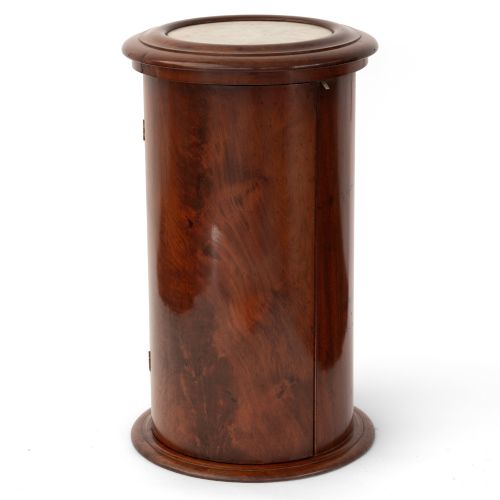
Marble tops provided a durable, water-resistant surface for bedside water jugs and washware, particularly on French walnut and cherrywood cabinets. Secondary timbers like pine frequently formed internal drawer linings and backboards.
Joinery methods relied on dovetailed drawers and panelled door construction to withstand daily bedroom use. Surface finishes ranged from polished French polish to painted cream chinoiserie decoration and lacquered finishes.
19th Century Nightstand Retail Price Guide 2026
Typical asking prices for 19th century nightstand among the pieces listed under this phrase on Sellingantiques today, from the lower quarter to the upper quarter. They describe what is for sale here now, not the wider market.
Several bamboo and faux bamboo bedside cabinets reflect the Victorian fascination with exotic botanical textures.
Distinctions in Quality
The choice of timber veneers and the precision of cabinet joinery separate standard utility pieces from high-end commissions. Finely figured burr walnut, matched grain panels, and substantial marble slabs indicate superior workshops.
Proportion and decorative restraint distinguish better examples, whether through subtle parquetry inlay, turned legs, or carved mouldings. Pieces retaining original brass hardware and working locks command stronger interest from collectors.
Adaptations and conversions, such as altered washstands or added drawer tiers, alter the original form and influence standing within the market. Untouched surfaces with deep patination hold greater appeal than over-restored exteriors.
E. Kahn
The 19th Century Nightstand Glossary
- Nightstand
- A small bedside table or cabinet designed to hold chamber lighting and personal items. These pieces developed distinct regional forms across English and continental workshops.
- Pot Cupboard
- A small bedside cabinet originally built to enclose a chamber pot. They frequently feature a single door above or below a small drawer.
- Tray Top
- A raised gallery edge around the top of a table or cabinet designed to prevent items from rolling off. This feature appears frequently on Georgian and early Victorian bedside tables.
- Ormolu
- Gilded bronze mounts applied to furniture for decorative effect. This technique is common on French revival cabinets from the nineteenth century.
- Parquetry
- Geometric wood inlay patterns arranged on cabinet surfaces. Craftsmen utilised contrasting timbers to create decorative tabletops and door panels.
19th Century Nightstand: Frequently Asked Questions
What is a 19th century nightstand used for today?
These pieces function as compact bedside storage units for books, lamps, and personal items. Their enclosed cupboards and drawers conceal modern clutter while adding historical texture to a bedroom.
The scaled dimensions make them suitable for modern bedside spaces alongside lower or standard bed frames. Their durable hardwood and marble surfaces handle daily use effectively.
How do I distinguish a nightstand from a washstand?
Washstands were originally built to hold ceramic basins and water pitchers for morning washing routines. They often feature splashbacks, lower undershelves, or stone tops designed for wet use.
Nightstands focus primarily on enclosed storage for bedroom commodities and personal belongings. Many washstands have been converted into bedside tables by modern owners.
Are nightstands usually found as pairs?
Many Victorian and French bedside cabinets survive as matched pairs for placement on either side of a double bed. Symmetrical bedroom furnishing was a major priority for nineteenth century households.
Single pieces also appear frequently where one has been separated or where rooms accommodated only one bedside table. Pairs generally command stronger interest due to their scarcity.
How do I care for antique wood and marble?
Polished wood surfaces benefit from occasional applications of traditional beeswax to nourish the timber and maintain the sheen. Avoid placing unsealed liquids directly onto antique wood finishes.
Marble tops require gentle cleaning with mild, non-acidic soap and water to protect the stone from staining. Coasters prevent ring marks on both polished wood and stone surfaces.