

Antique Bedside Commode
An antique bedside commode offers discreet bedchamber storage wrapped in the rich grains of mahogany, walnut, and satinwood.
What an antique bedside commode is
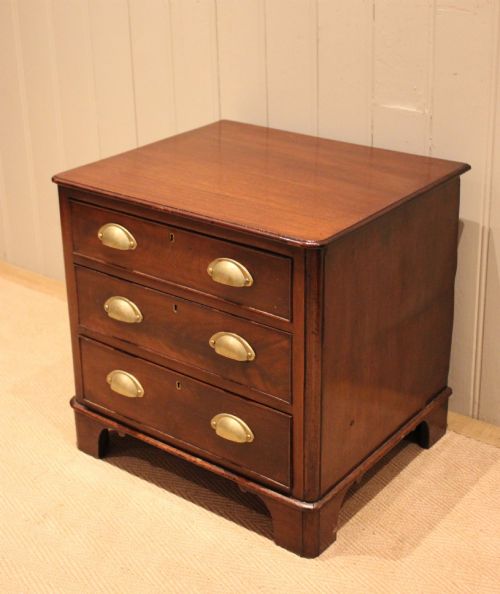
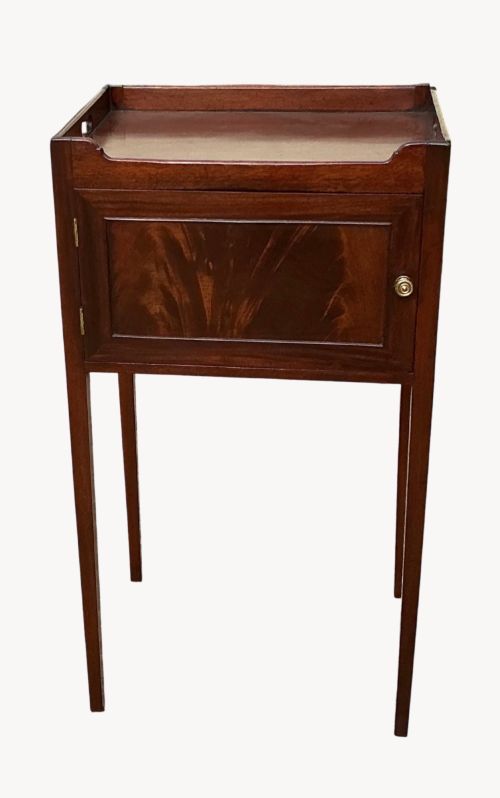
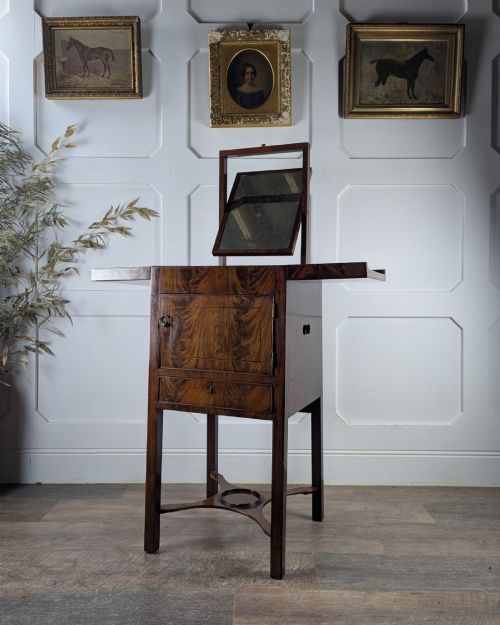
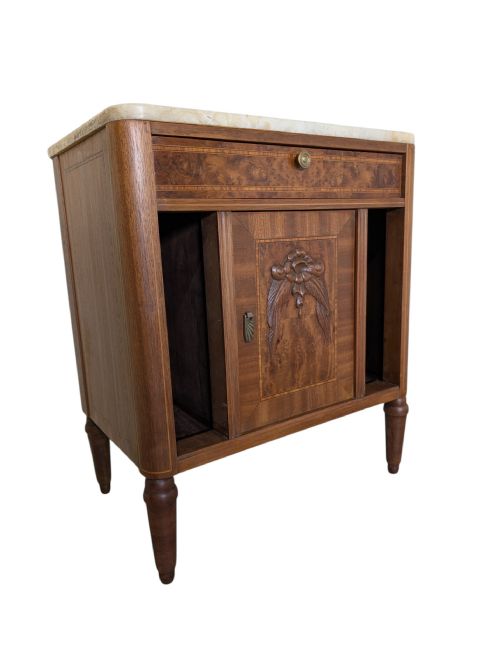
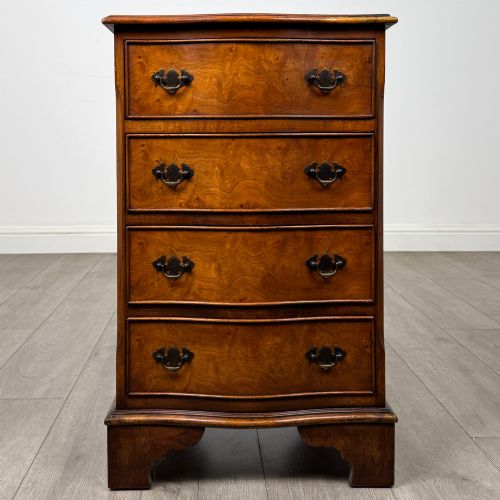
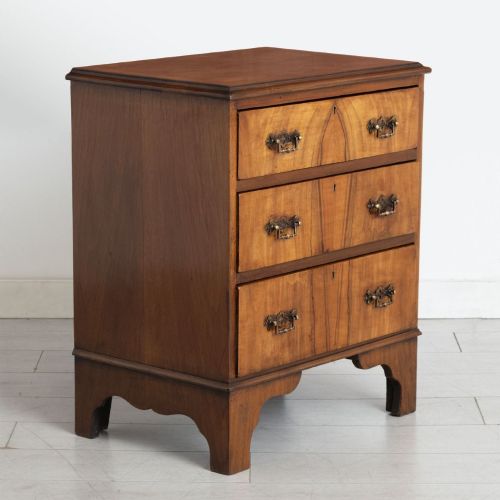
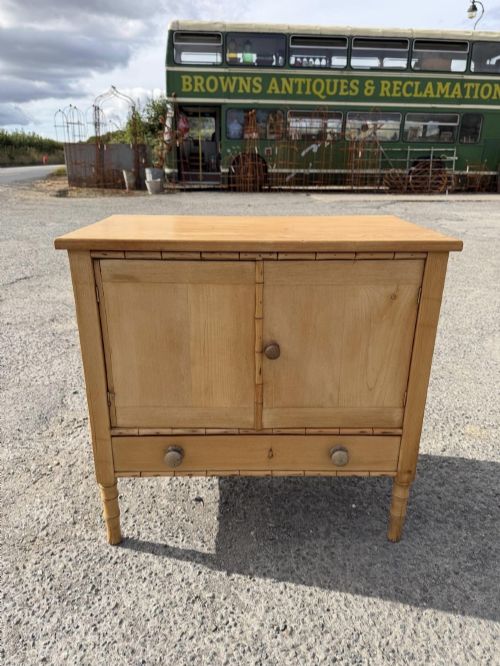
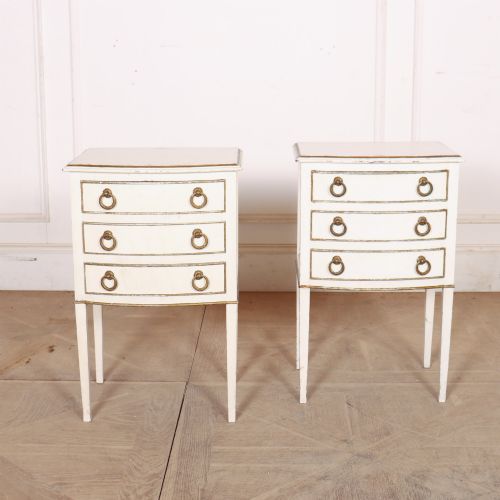
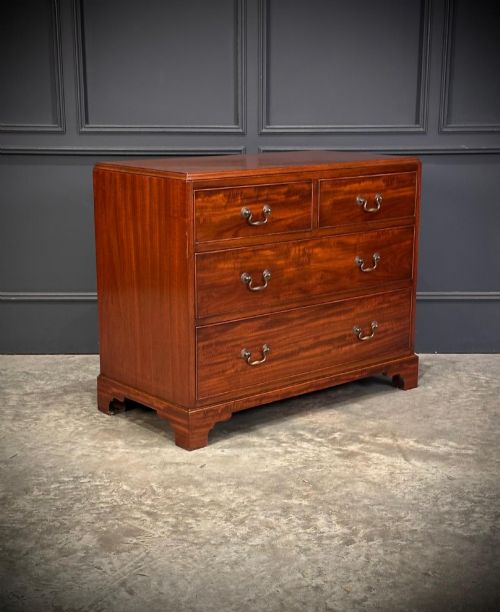
An antique bedside commode is a practical piece of bedchamber furniture designed to house chamber pots or provide general bedside storage. These items appear in forms such as bedside tables, chest of drawers, bedside cabinets, and petite commodes.
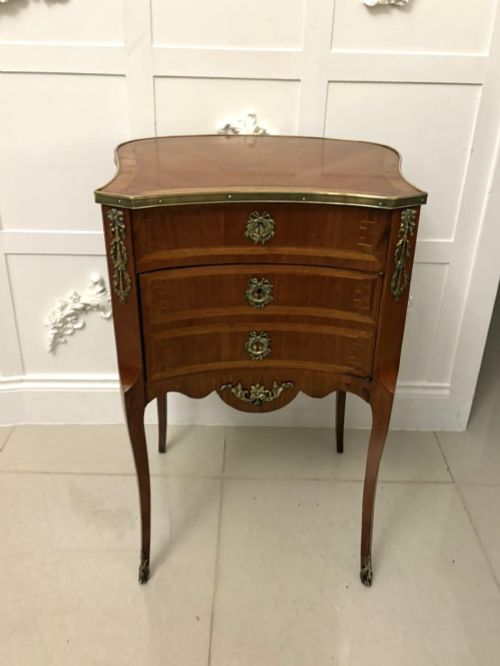
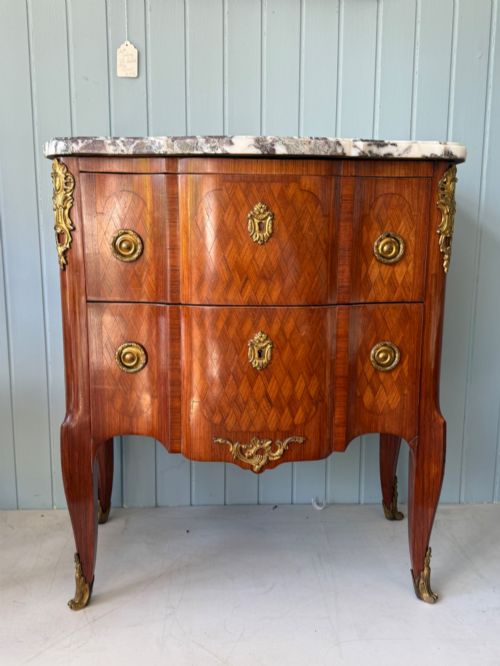
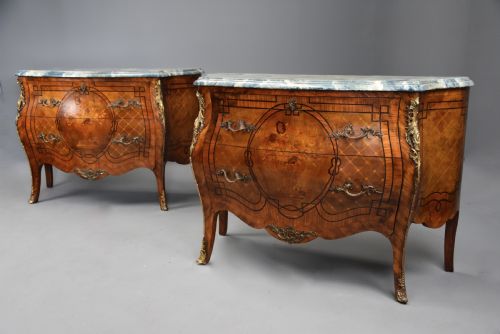
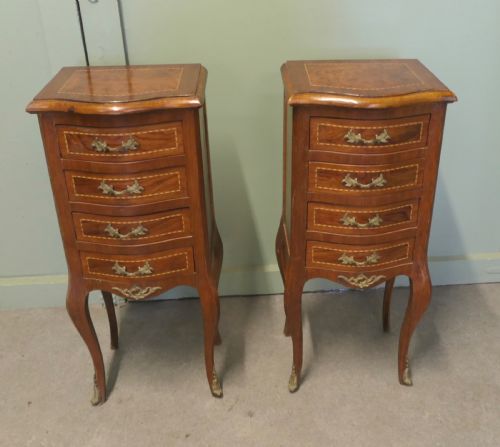
The versions most commonly met span from the Georgian era through to the late nineteenth and early twentieth centuries. Makers created them in distinct regional and revival styles, including George III and Louis XV Revival.
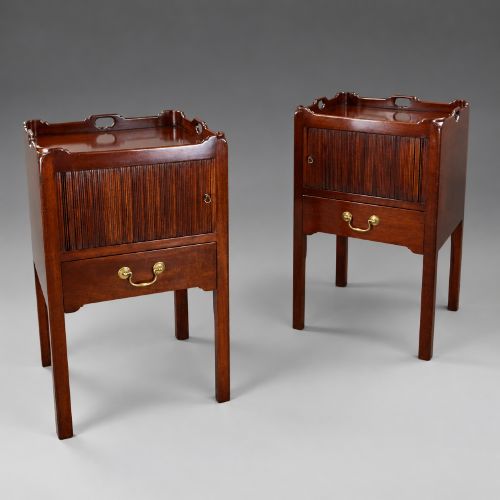
Constructed primarily as single pieces or occasionally as pairs, these items combine enclosed lower compartments with compact upper surfaces. Their designs reflect the changing domestic requirements of bedrooms across multiple centuries.
How they were made
Cabinetmakers built these pieces using solid timbers and decorative veneers such as mahogany, walnut, burr walnut, and satinwood. Workshops incorporated contrasting stringing and banding in boxwood to delineate drawer fronts and cabinet tops.
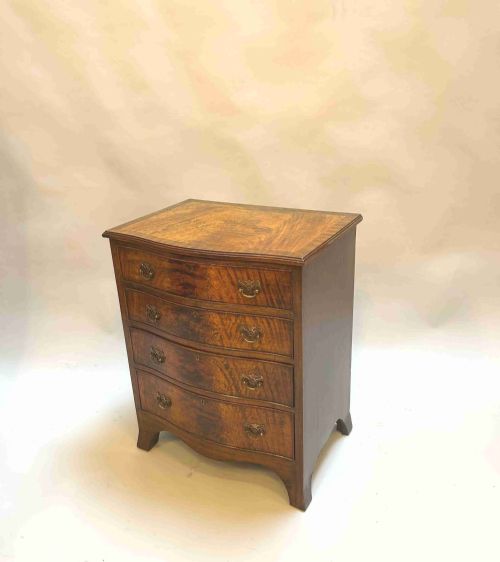
Metalwork played a functional and decorative role, with makers utilising cast brass for handles, hinges, and occasional ormolu mounts. Tray tops and serpentine fronts required sophisticated woodworking techniques to shape solid timber accurately.
Retail Price Guide 2026
Typical UK retail prices for bedside commode, calculated from the Sellingantiques database of over a million retail prices indexed since 2003. This retail price guide relies exclusively on Sellingantiques data; no external sources or auction records are used, so the figures do not describe the wider market.
This site's listings show mahogany, walnut, burr walnut, ormolu, boxwood, and satinwood across Georgian and nineteenth-century periods.
What varies in quality
Quality rests upon the selection of timber figures, from plain mahogany to highly figured burr walnut and exotic satinwood. The crispness of inlaid boxwood lines and the finesse of serpentine shaping distinguish superior examples.
The integration of original brass hardware and the precision of cabinet joinery separate standard production from exceptional pieces. Surviving pairs demand greater skill in matching timber grains across both items.
The Antique Bedside Commode Glossary
- Commode
- A low cabinet or chest of drawers designed for bedroom use, historically enclosing a chamber pot. These pieces frequently feature cupboard doors above or below enclosed storage.
- Serpentine-front
- A piece of furniture featuring a front facade curved in a wave-like shape, with a convex centre flanked by concave ends. This advanced woodworking technique creates visual movement.
- Tray-top
- A tabletop designed with a raised moulded edge or gallery to prevent items from sliding off. This feature appears frequently on Georgian bedside tables and commodes.
- Marquetry
- The art of applying pieces of veneer to a structure to form decorative patterns and pictures. French revival commodes often utilise this technique with exotic woods.
Frequently Asked Questions
How do I date an antique commode?
Dating relies on examining the timber species, construction methods, and stylistic cues such as serpentine fronts or tray tops. Georgian pieces display different joinery and hardware compared to later nineteenth-century revival models.
Matching the materials, such as boxwood stringing or ormolu mounts, against known period characteristics provides a reliable guide to the decade of manufacture.
Are these commodes suitable for modern bedrooms?
These compact cabinets fit easily beside modern beds while offering concealed storage for personal items. Their enclosed cupboards hide clutter effectively.
Their varied forms, including small chests of drawers and bedside cabinets, integrate smoothly into traditional and contemporary bedroom schemes alike.
What woods were used for these pieces?
Cabinetmakers primarily utilised mahogany, walnut, and satinwood for both solid construction and decorative veneering. Burr walnut and exotic marquetry appear on high-status French revival pieces.
Details were often highlighted using contrasting boxwood stringing, while hardware relied on brass and ormolu mounts.