
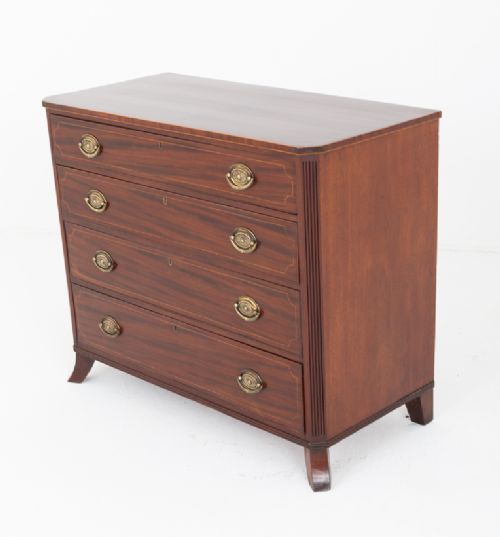
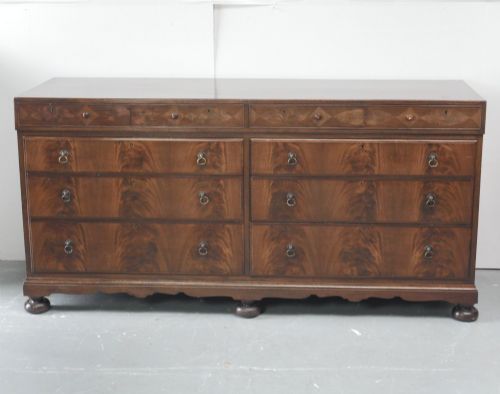
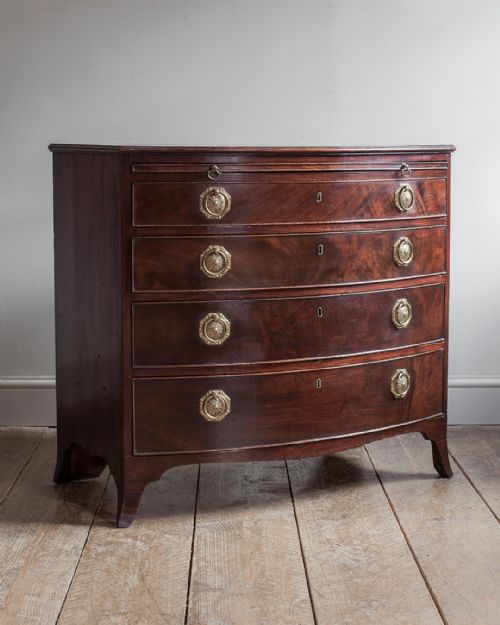
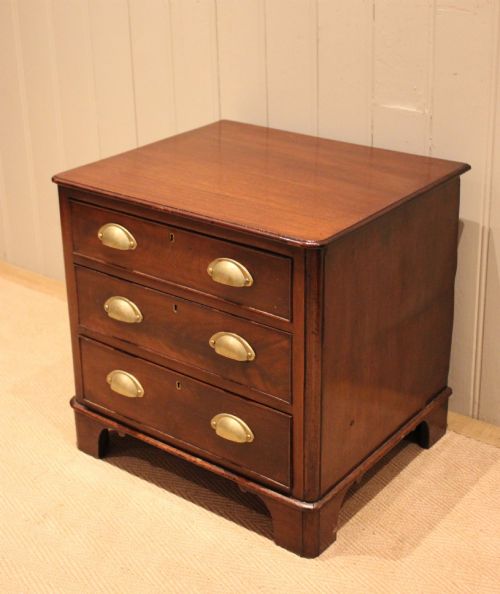

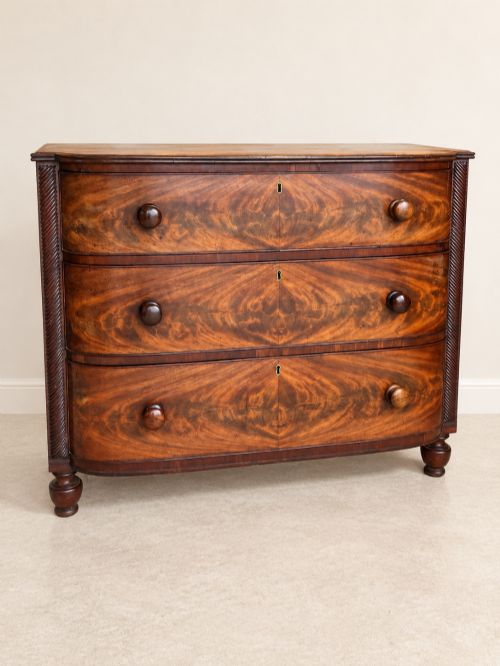
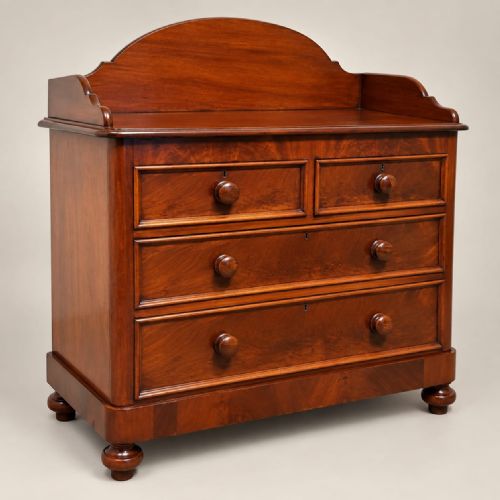
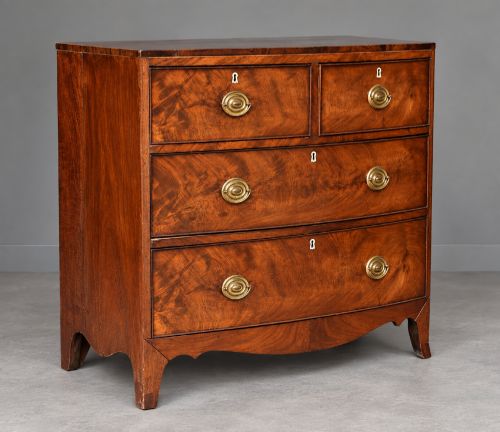
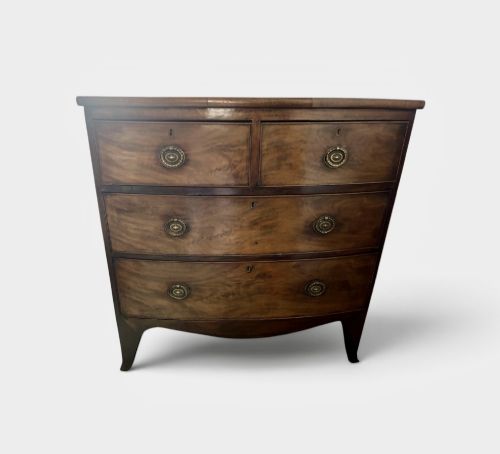
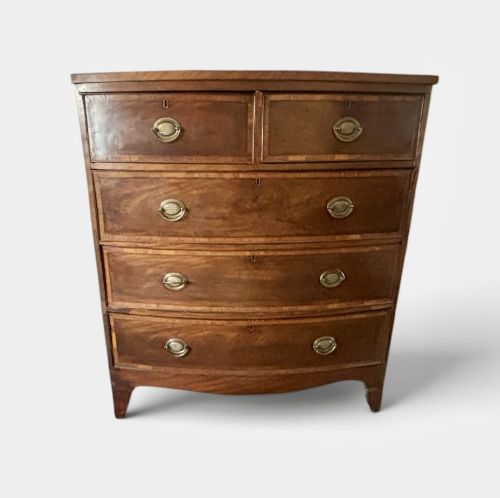


Mahogany Commode Chest
These mahogany commode chest pieces offer deep timber tones and classical proportions, serving as practical storage with distinct period character.
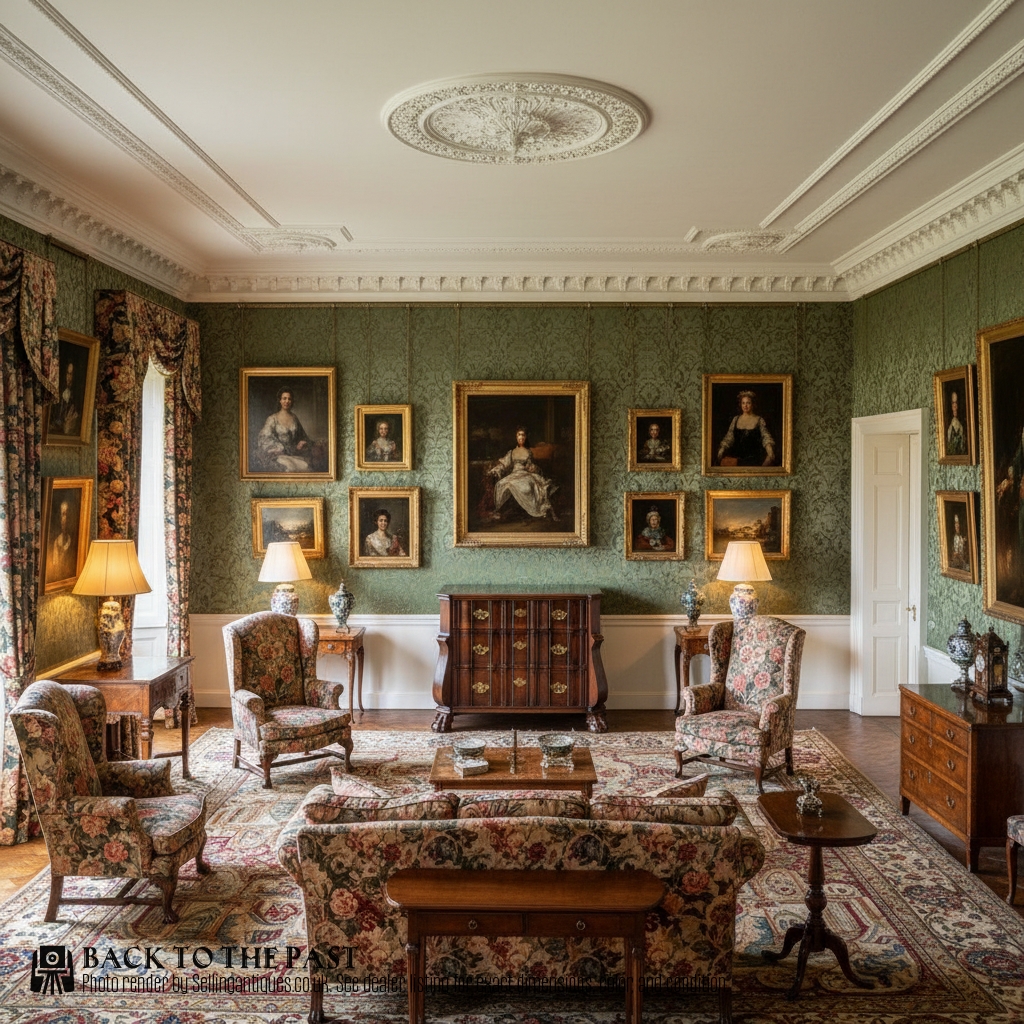
What a mahogany commode chest is
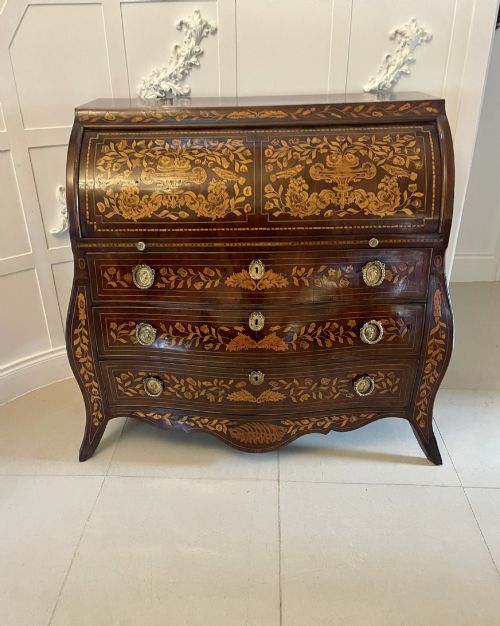
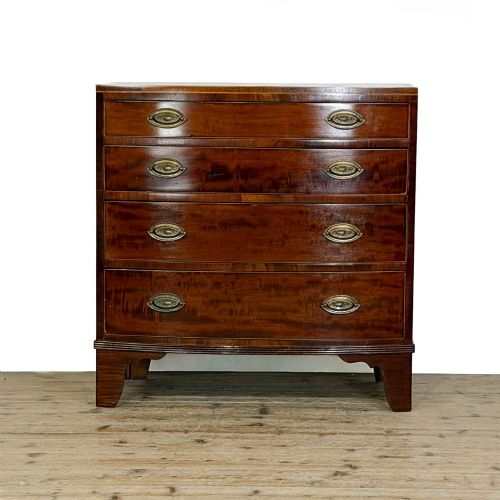
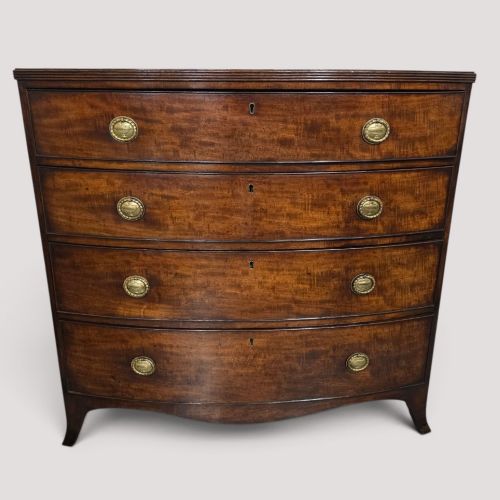
A mahogany commode chest combines the utilitarian storage of a chest of drawers with the formal presence of a commode, often featuring substantial timber construction. Buyers exploring this selection will encounter forms ranging from Georgian serpentine fronts to continental marble-topped designs.
The pieces span the eighteenth century, the Regency era, and the Edwardian period, incorporating styles such as George III, Directoire, and Cape Dutch Colonial. Standard configurations include graduated drawers, dummy drawer fronts, and occasional specialist conversions.
Continental examples frequently introduce contrasting stone surfaces, while British variants rely on the natural grain of the wood and subtle shaping to create visual interest. Each iteration reflects the specific domestic requirements of its period of origin.
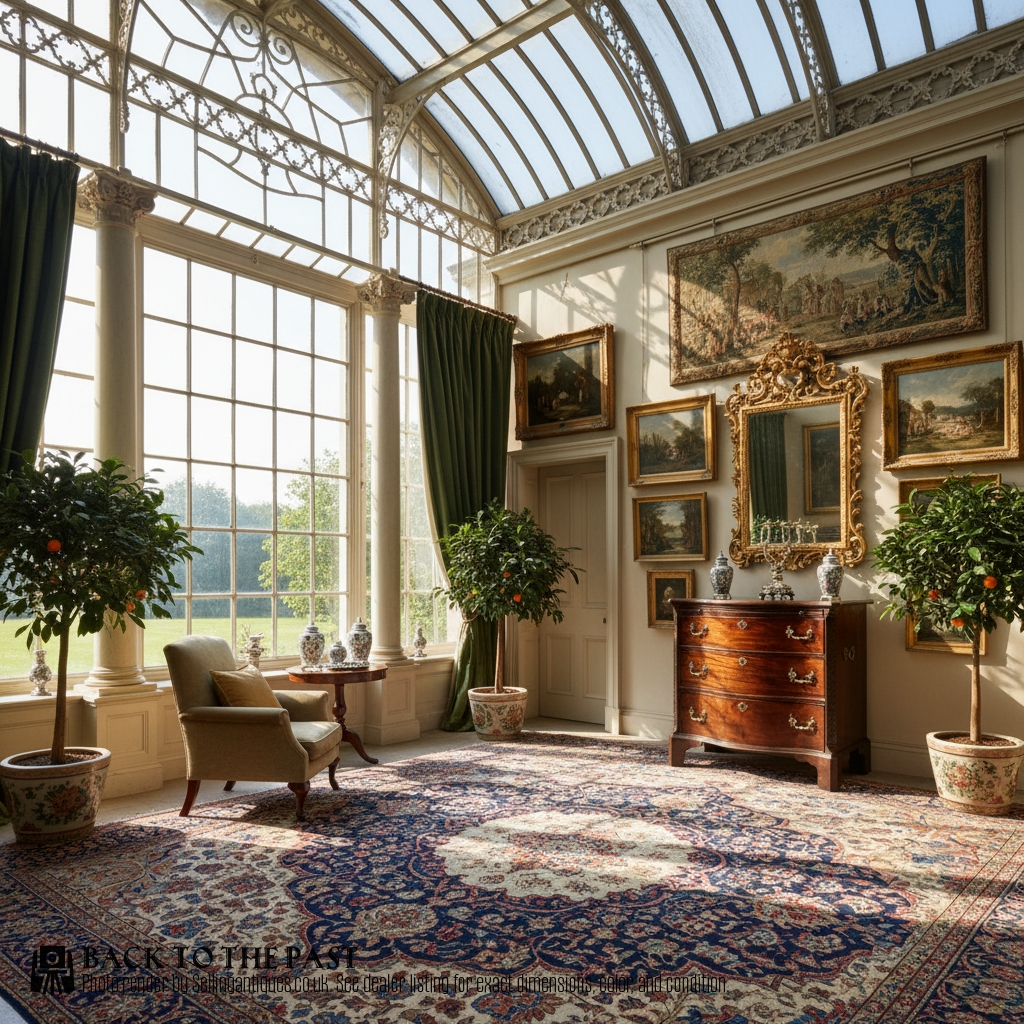
Materials and construction
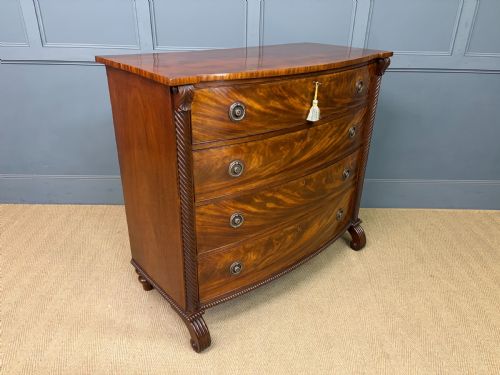
Makers utilised solid mahogany and flame mahogany veneer over secondary timbers, often applying careful book-matching to door and drawer fronts to accentuate the natural figure of the wood. Brass hardware such as swing handles and escutcheons provides structural contrast against the dark timber.
Piedmont and continental workshops integrated grey marble, white marble, and Verde Alpi marble tops onto carcass frames, requiring robust internal bracing to support the stone. Block fronts, serpentine contours, and demi-lune shapes demanded precise sawing and joining from skilled cabinet makers.
Retail Price Guide 2026
Typical UK retail prices for mahogany commode chest, calculated from the Sellingantiques database of over a million retail prices indexed since 2003. This retail price guide relies exclusively on Sellingantiques data; no external sources or auction records are used, so the figures do not describe the wider market.
Some chests double as discreet bedside cabinets or drinks storage disguised behind dummy drawers.
Distinctions in quality
The hierarchy of quality rests upon the choice of timber and the precision of the carcass joinery, where finely figured flame mahogany veneer demonstrates superior material selection. Superior examples maintain crisp mouldings and uncompromised structural integrity through the drawer runners and internal framing.
Proportion and the handling of complex forms like serpentine curves or block fronts separate standard production from master craftsmanship. Original hardware and intact marble slabs further distinguish the upper tier of surviving examples.
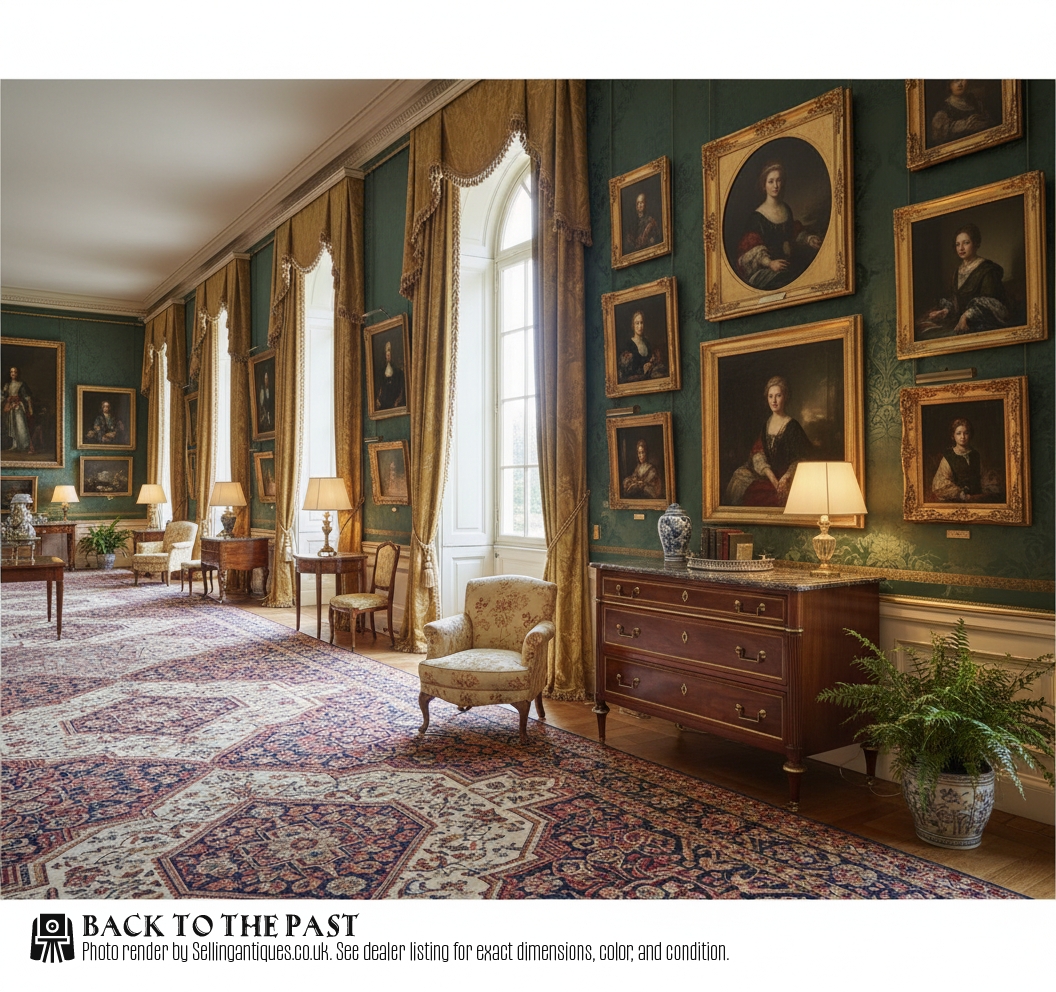
The Mahogany Commode Chest Glossary
- Serpentine
- A front or edge shaped with a concave centre flanked by convex ends. This rhythmic contour requires expert woodworking to maintain smooth lines across multiple drawers.
- Flame mahogany
- A veneer cut from timber where the grain creates a flickering, flame-like pattern. It was selected for high-status furniture fronts to create dramatic visual movement.
- Demi-lune
- A half-moon shape used for the footprint and top of specific commode chests. This form suits shallow spaces while presenting a curved facade.
- Block front
- A piece of furniture featuring a front divided vertically into three panels, where the outer panels project and the central recess curves inward. This technique is typical of advanced cabinet making.
- Verde Alpi
- A dark green marble with pale veining originating from the Alps. It frequently appears as a contrasting top on continental commode chests.
Frequently Asked Questions
What is a mahogany commode chest?
A mahogany commode chest is a storage piece that merges the drawer arrangement of a chest with the decorative status of a commode. These items serve as functional drawer units that double as decorative centrepieces in a room.
They appear in various regional styles, ranging from British Georgian designs to continental marble-topped variants.
How do I date a mahogany commode chest?
Dating relies on examining the construction methods, timber selection, and overall stylistic markers such as hardware and leg shapes. Eighteenth-century pieces often display hand-cut dovetails and simpler internal framing compared to later Victorian iterations.
Regional traits, like the specific marble types on French or Italian pieces, also help pinpoint the era.
Are marble tops original to these chests?
Many continental commode chests from the eighteenth and nineteenth centuries were manufactured specifically to carry stone surfaces. Grey, white, and Verde Alpi marble slabs were fitted directly to the wooden carcass to provide a durable, finished top.
Checking the fit against the timber moulding confirms the relationship between the stone and the base.
Where should I place a commode chest?
These chests function effectively in hallways, living rooms, and bedrooms where surface space and storage are both required. Their finished timber surfaces and optional marble tops make them suitable for displaying objects or lamps.
Consider the depth of the piece, particularly with serpentine or demi-lune shapes, to ensure proper clearance in tighter walkways.