


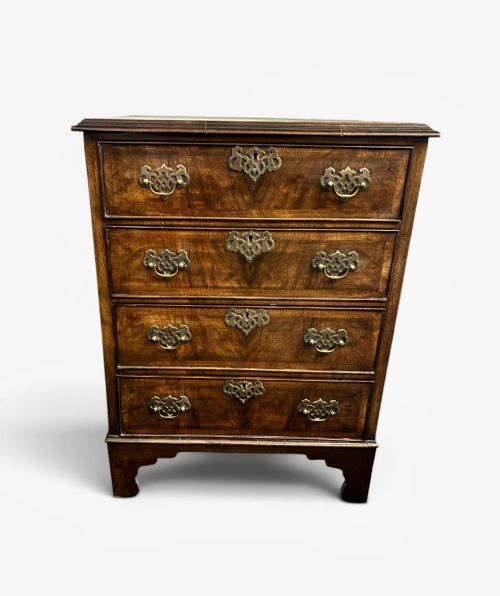
Brass Handle Wooden Chest
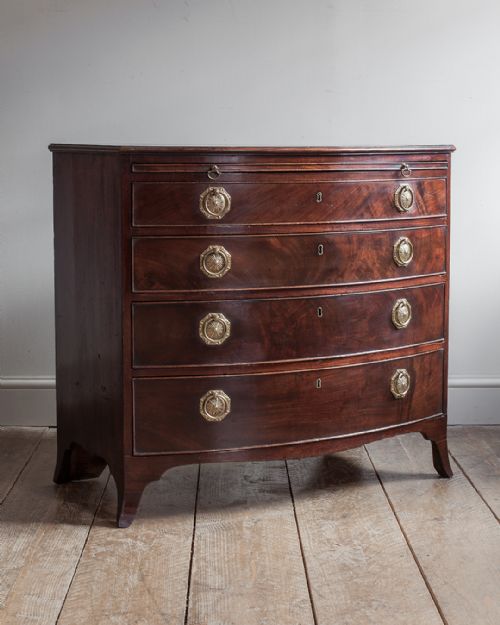
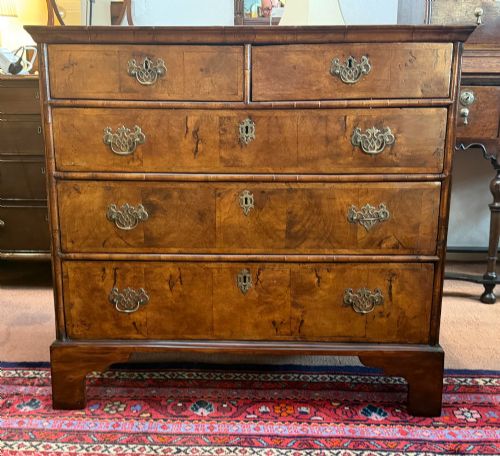
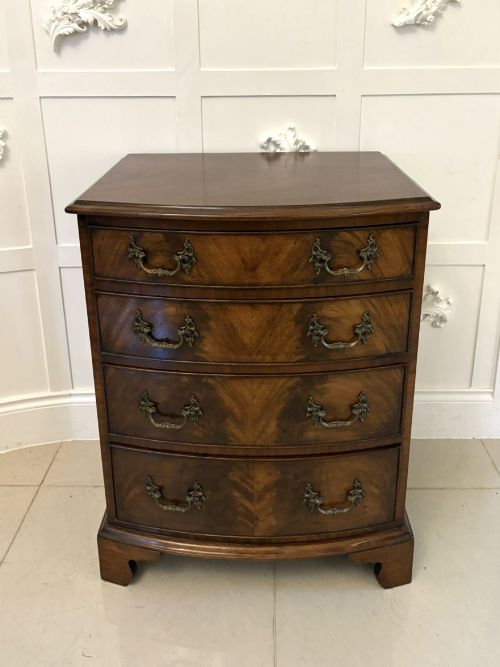
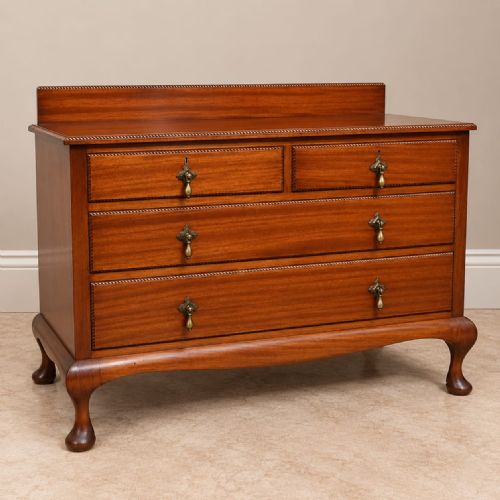
A brass handle wooden chest brings enduring utility and timber grain to a room, offering sturdy storage formed through centuries of cabinet-making tradition.

What a brass handle wooden chest is
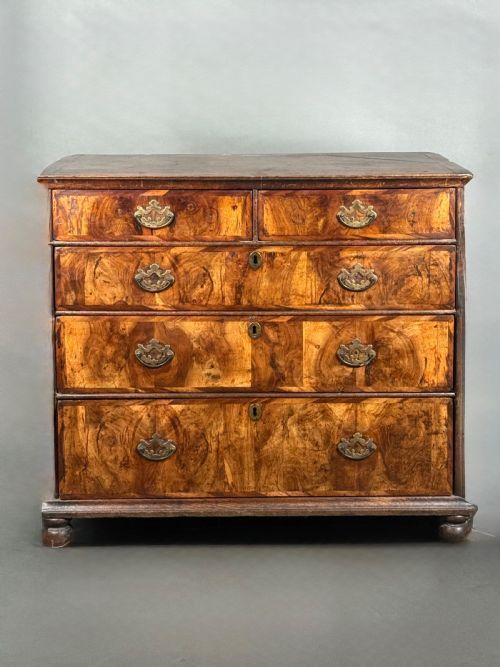
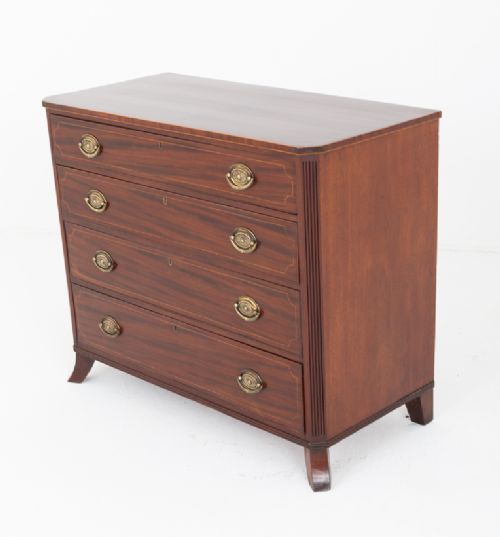
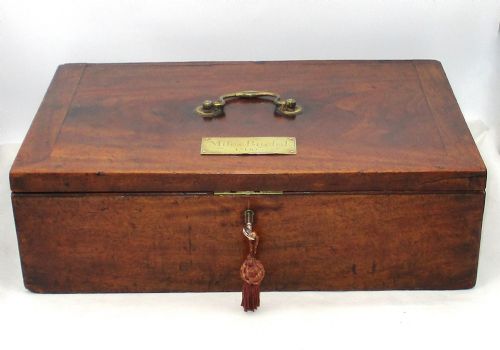
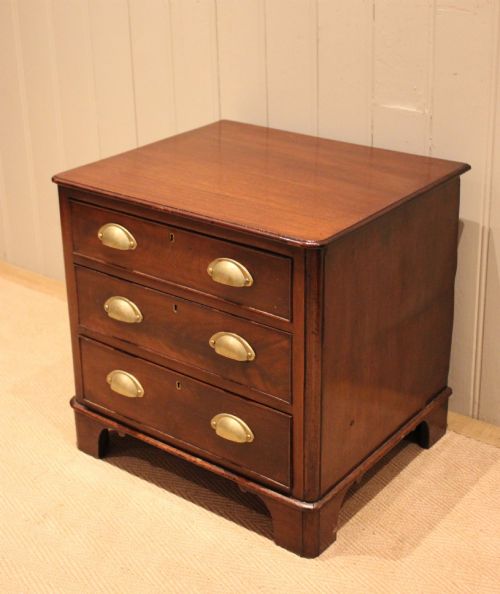
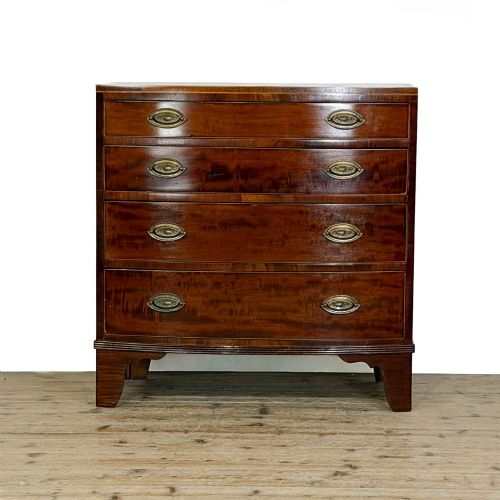
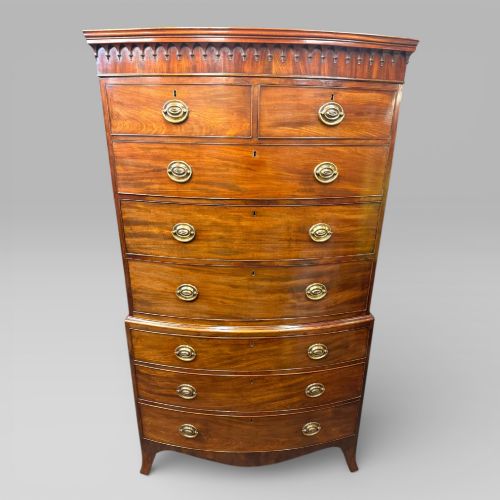
A brass handle wooden chest provides practical storage through centuries of form, ranging from compact collector cabinets and commodes to large gentleman's chests of drawers. When searching for a brass handle wooden chest, a buyer encounters diverse period interpretations including Georgian, Edwardian, and Continental Neoclassical designs.
The pieces listed on this page span the eighteenth century, the nineteenth century, and the early twentieth century, reflecting varied regional origins from British workshops to South Africa and Europe. Timber choices such as mahogany, oak, satinwood, burr walnut, and stinkwood define the distinct character of these items.
Smaller formats like narrow drawers and microscope slide cabinets appear alongside traditional proportions. Original brass hardware frequently accompanies these wooden carcasses, anchoring the historical integrity of each piece.
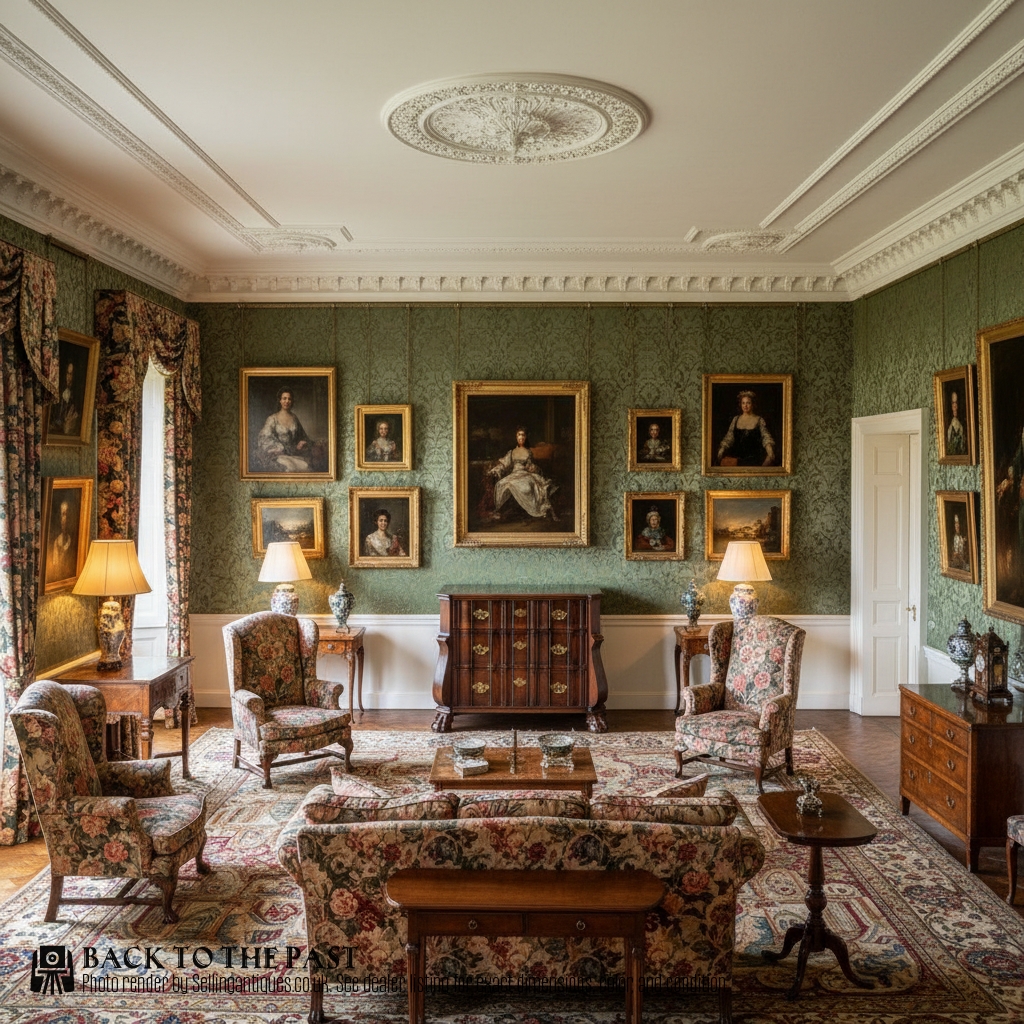
How they were made
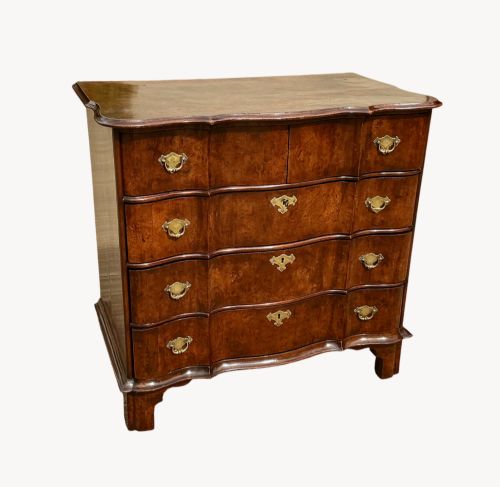
Cabinet-makers constructed these chests using solid and veneered timbers such as mahogany, oak, walnut, and satinwood, often combining structural rigidity with decorative grain selection. Techniques involved careful joinery suited to the period, including bracket feet and block front shaping on regional examples.
Metalworkers cast and finished the brass handles and mounts that secured the drawers and doors. Surface treatments ranged from limed finishes and polished hardwoods to inlaid top details and glass elements on specialised slide cabinets.
Retail Price Guide 2026
Typical UK retail prices for brass handle wooden chest, calculated from the Sellingantiques database of over a million retail prices indexed since 2003. This retail price guide relies exclusively on Sellingantiques data; no external sources or auction records are used, so the figures do not describe the wider market.
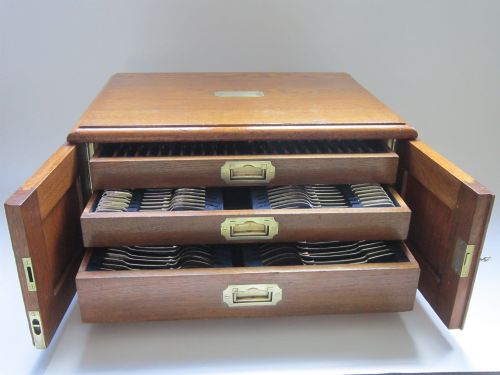
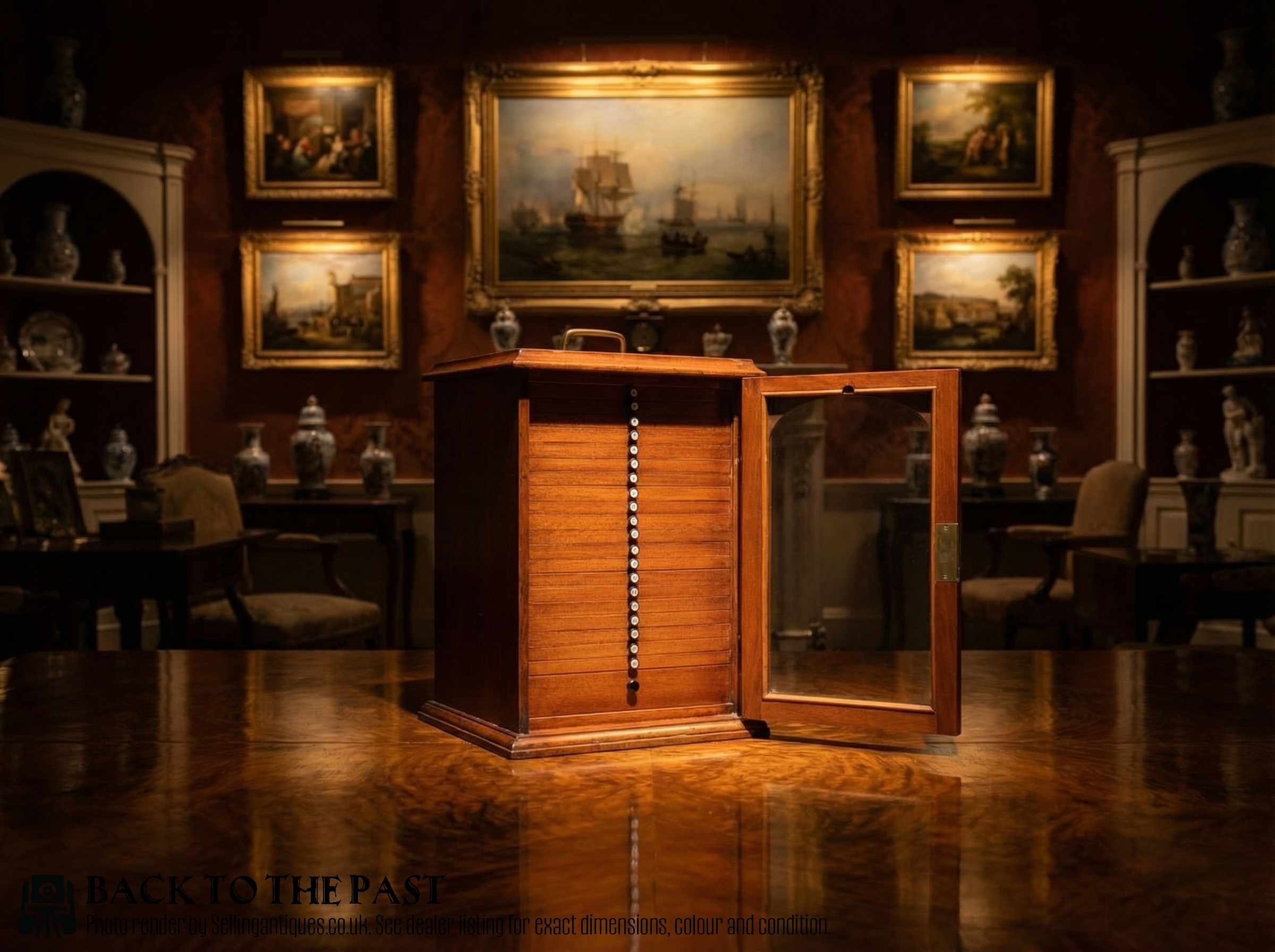
One extraordinary nineteenth-century cabinet packs two hundred and eighty microscope slides alongside its wooden drawers, ready for immediate scientific inspection.
What varies in quality
Quality rests on the selection of timber figures, such as burr walnut or satinwood, and the harmonious proportion of the carcass. Superior examples retain their original brass handles and distinct architectural details like bracket feet.
The integrity of the construction and the refinement of regional craftsmanship separate standard utility pieces from exceptional vernacular or revival works. Original surfaces and unaltered drawer configurations elevate the standing of a chest within its period.
Maple and Co
The Brass Handle Wooden Chest Glossary
- Bracket foot
- A furniture foot shaped as a bracket, commonly used on eighteenth-century chests and cabinets. It provides a stable and neat transition to the floor.
- Block front
- A furniture front divided into three vertical sections, where the central section is recessed and the outer sections project. This treatment appears on notable eighteenth-century regional pieces.
- Commode
- A low chest of drawers or cabinet originating in France, often standing on relatively tall legs. European continental examples frequently display this form.
- Gentleman's chest
- A tall storage piece combining drawers and internal cupboard space, designed for gentlemen's attire. These items date primarily through the nineteenth century.
- Satinwood
- A durable timber yielding a lustrous, golden-yellow grain utilised in fine Edwardian and revival cabinet-making. It brings a bright decorative surface to smaller chests.
Frequently Asked Questions
What is a gentleman's chest?
A gentleman's chest is a specialised storage item that combines traditional drawers with upper cupboard sections designed for hanging or folded garments. These pieces emerged to accommodate specific wardrobe requirements in nineteenth-century homes.
They offer greater internal configuration than a standard chest of drawers while maintaining a substantial timber exterior, often accented with brass hardware.
How do I identify a Georgian chest?
Georgian chests typically display restrained classical proportions, robust timber selection such as mahogany or oak, and details like bracket feet. The construction prioritises structural strength and symmetrical drawer arrangements.
Original brass handles on these pieces often feature swan-neck designs or pierced backplates characteristic of eighteenth-century hardware styles.
Are Edwardian chests different from Georgian ones?
Edwardian chests often utilise lighter timbers like satinwood and frequently incorporate revival styles or varied dimensions suited to smaller domestic spaces. They reflect changing interior aesthetics at the start of the twentieth century.
While sharing basic drawer forms with earlier periods, Edwardian examples display brighter grain patterns and different proportions in the brass handles and feet.
How should I care for a wooden chest?
Wooden chests require stable indoor humidity and protection from direct sunlight to preserve the natural moisture and finish of timbers like walnut, mahogany, and oak. Regular dusting with a soft, dry cloth maintains the surface.
Harsh chemical polishes should be avoided to protect both the polished wood and the original brass handles over time.