


Vintage Mahogany Chest Drawers
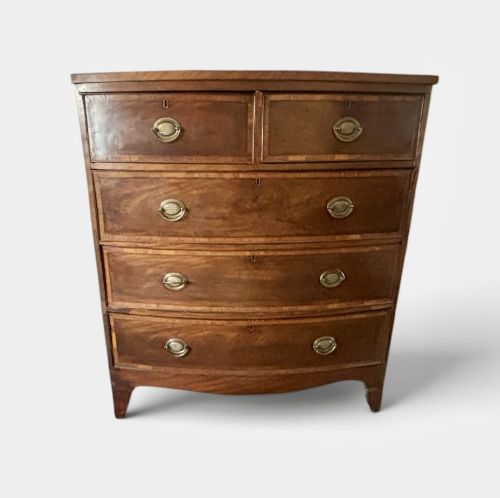
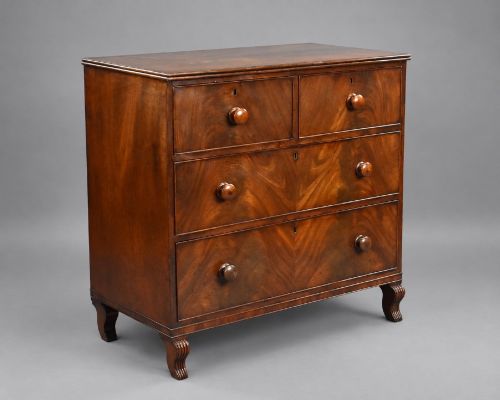
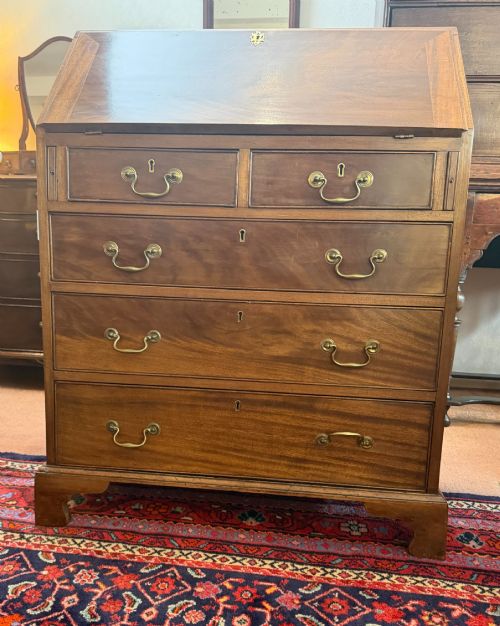
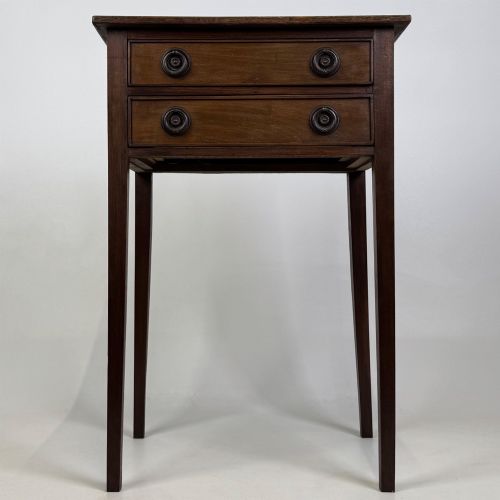
These vintage mahogany chest drawers bring solid timber, deep grain, and brass hardware into a room with genuine presence.
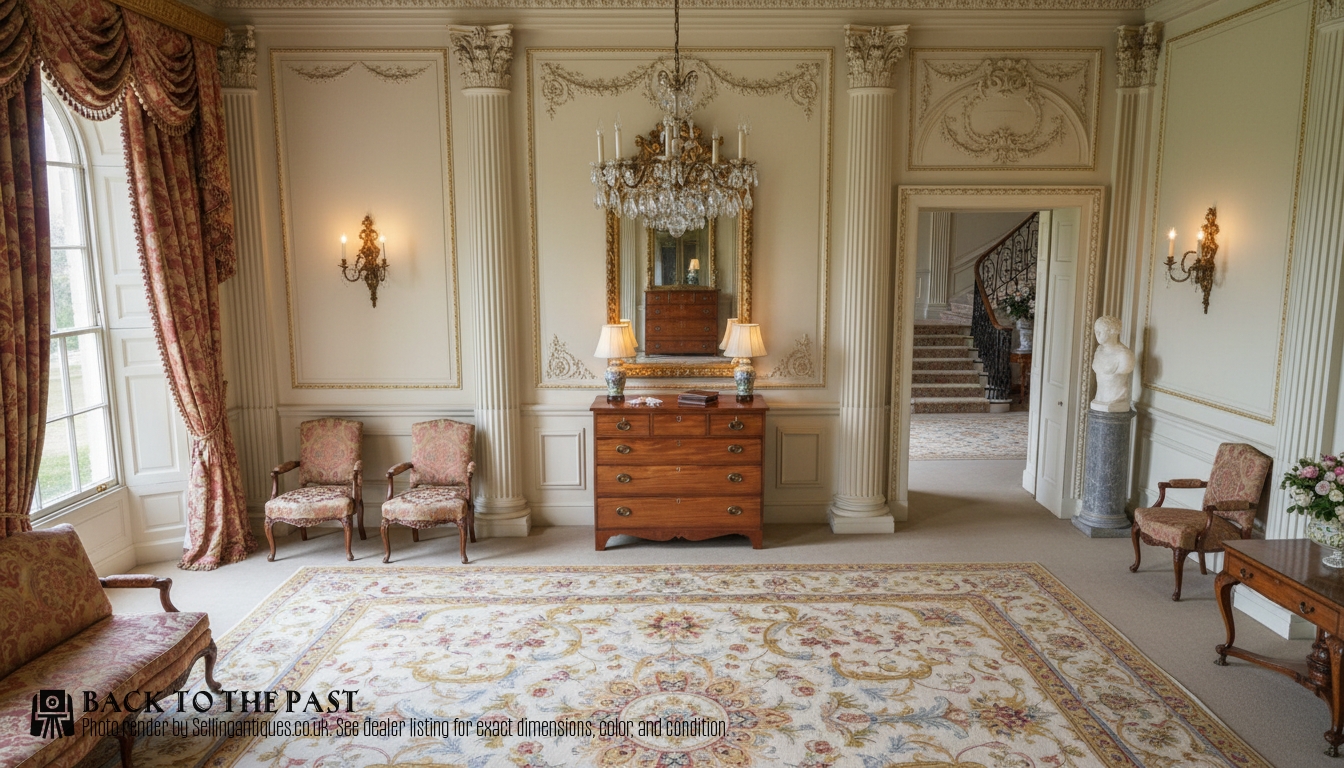
Vintage Mahogany Chest Drawers
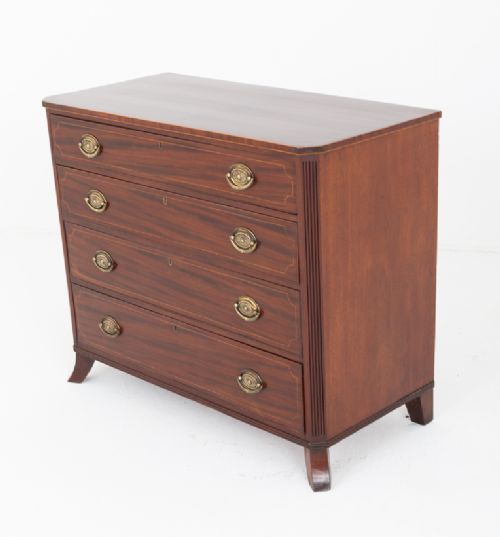
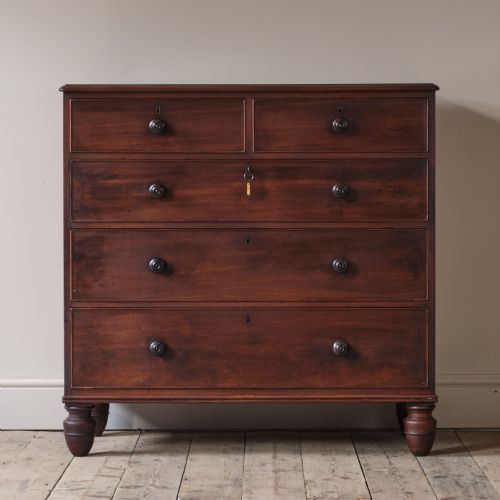
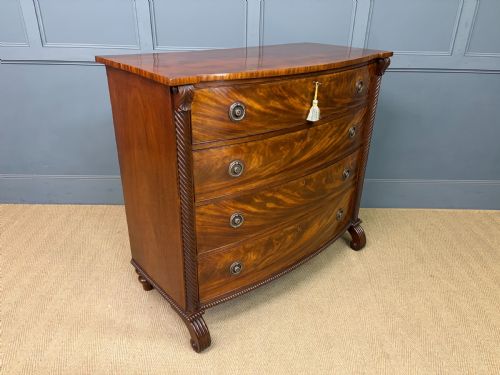
When you search for vintage mahogany chest drawers, you encounter a lineage of storage furniture spanning the Georgian, Regency, Victorian, and Edwardian periods. These pieces range from substantial bow-front and serpentine forms to compact bedside chests and tallboys.
The materials you find across these items include solid mahogany, flame mahogany veneer, satinwood banding, and brass handles. Makers also utilised secondary timbers such as oak alongside ebonised wood details.
The forms extend beyond standard drawer configurations to incorporate bureaus, tall chests on chests, and specialised campaign or apothecary pieces. Each era brings distinct proportions and edge mouldings to the traditional chest of drawers.
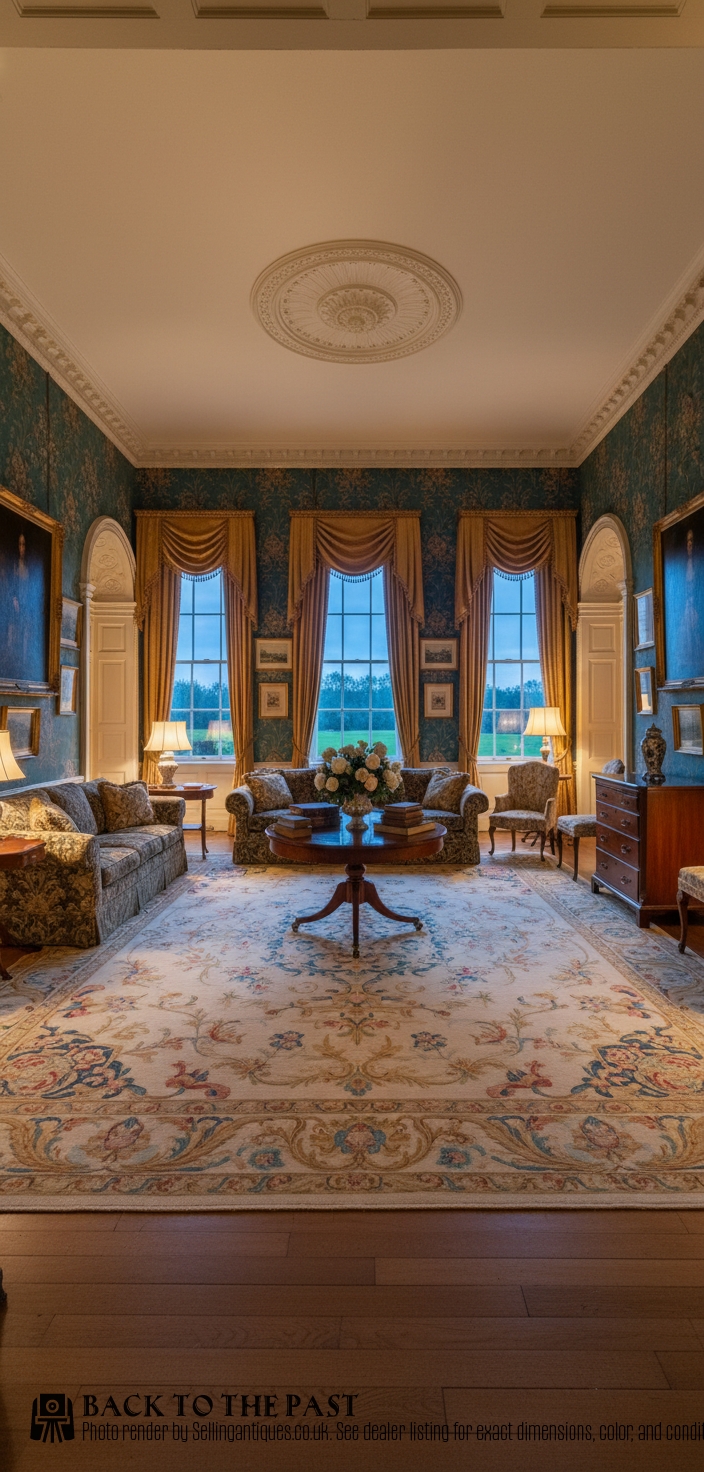
How they were made
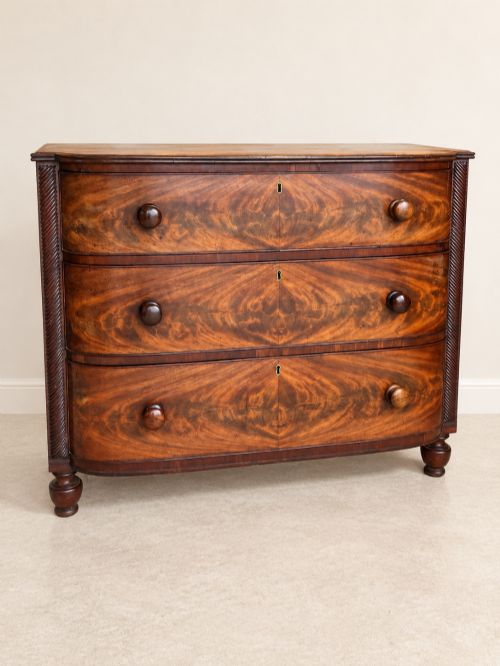
Cabinet makers built these pieces using solid mahogany and figured flame mahogany veneers laid over robust underlying woods. Surfaces received wax or polished finishes that accentuated the natural grain patterns and rich reddish brown colour of the timber.
Drawers were constructed with hand-cut dovetail joints to withstand daily use, while brass pull handles and escutcheons secured the drawer fronts. Finer examples integrated satinwood banding and inlaid stringing to frame the primary drawer surfaces.
Vintage Mahogany Chest Drawers Retail Price Guide 2026
Typical asking prices for vintage mahogany chest drawers among the pieces listed under this phrase on Sellingantiques today, from the lower quarter to the upper quarter. They describe what is for sale here now, not the wider market.
Listings span multiple eras from the 18th century through the Edwardian period, featuring mahogany, flame mahogany veneer, satinwood, and brass.
What varies in quality
The standard of timber selection separates simpler utility chests from exceptional cabinet work, particularly where book-matched flame mahogany veneer or contrasting satinwood banding appears. The crispness of the mouldings and the precision of the dovetail joinery indicate the skill of the original workshop.
Hardware integrity and drawer action also determine the grade of a piece. Original brass handles, smooth-running drawers, and well-preserved secondary timbers elevate the overall merit of the item.
T & G Seddon
The Vintage Mahogany Chest Drawers Glossary
- Bow front
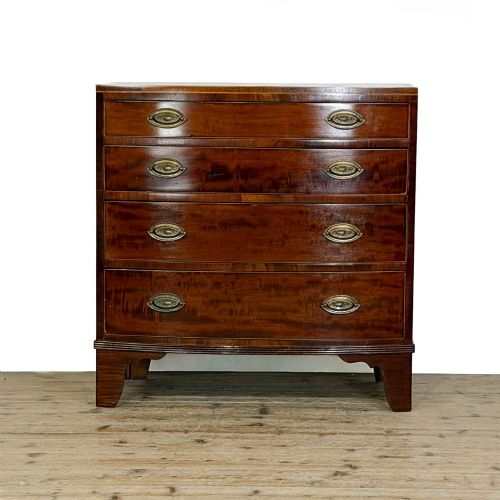
- A convex curved front on a chest of drawers that swells outward toward the centre. This style gained popularity during the Georgian and Regency periods.
- Flame mahogany
- A veneer cut from the fork of the mahogany tree where the branch meets the trunk. It creates a fiery, rippling grain pattern highly prized by cabinet makers.
- Wellington chest
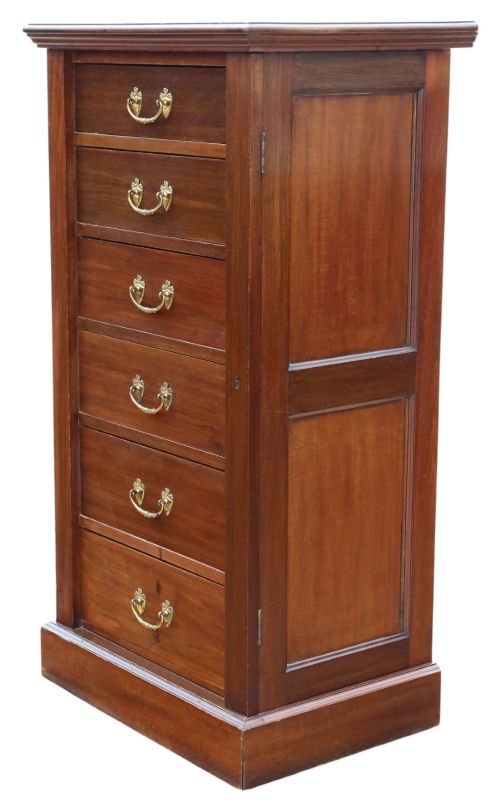
- A tall, narrow chest of drawers secured by a hinged locking side flap that fastens with a key. It typically contains six or seven shallow drawers.
- Serpentine front
- A furniture front characterised by a wavy contour with a convex centre flanked by concave curves. It requires advanced woodworking skill to execute properly.
- Brushing slide
- A pull-out shelf integrated above the top drawers of a chest, historically used for folding clothes or writing correspondence.
Vintage Mahogany Chest Drawers: Frequently Asked Questions
How do I date a mahogany chest?
Examine the construction methods of the drawers, paying attention to the cut of the dovetails and the choice of secondary woods. Drawer linings and backboards often reveal the period more reliably than exterior decorative styles.
Hardware styles and veneer thickness also offer strong chronological clues. Hand-beveled edges and original brass pulls point toward Georgian and Regency origins, while later Victorian and Edwardian pieces show machine-sawn components.
What is a tallboy chest?
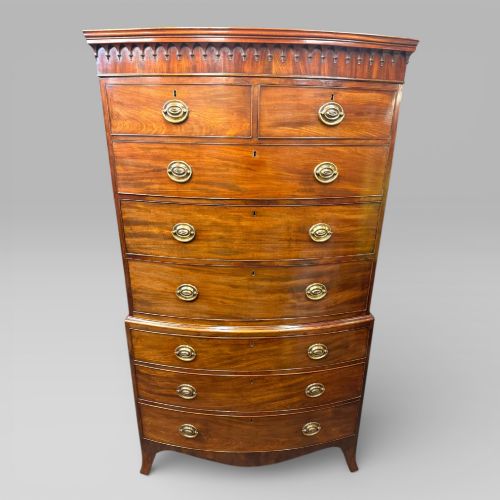
A tallboy is a tall chest of drawers, often constructed as a chest on chest where a smaller upper section sits atop a wider base. This form maximised vertical storage space without taking up excessive floor area in a bedroom.
These pieces appeared frequently during the 18th and early 19th centuries in Georgian workshops. They offer substantial capacity while displaying elegant proportions and fine timber grain.
How do I care for mahogany surfaces?
Maintain the finish by applying natural beeswax periodically and buffing gently with a soft cloth. Avoid placing timber furniture in direct sunlight or near heat sources to prevent the wood from drying and splitting.
Keep humidity levels in the room stable to protect both solid timber and delicate veneers. Clean spills immediately with a dry or barely damp cloth without harsh chemical cleaners.
Are bedside chests antique?
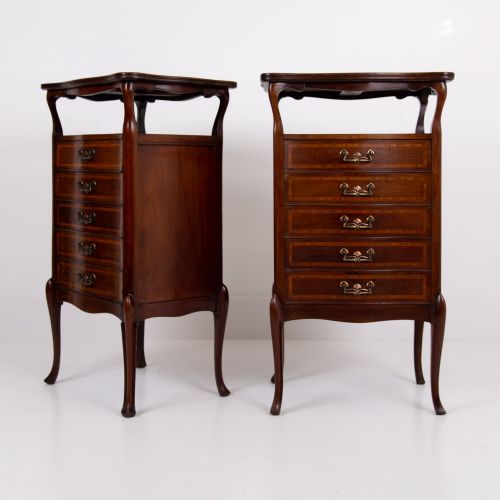
Bedside chests and cabinets appear across the Georgian, Victorian, and Edwardian eras in various compact forms. Many were made as matched pairs to flank a bed, incorporating small drawers and cupboards.
These smaller pieces share the same timber varieties and construction techniques as larger chests. Their diminutive scale makes them versatile additions to modern interior layouts.