


Traditional Bedroom Storage
Traditional bedroom storage brings together robust chests of drawers and wardrobes that organise spaces with time-tested timber and metal hardware.
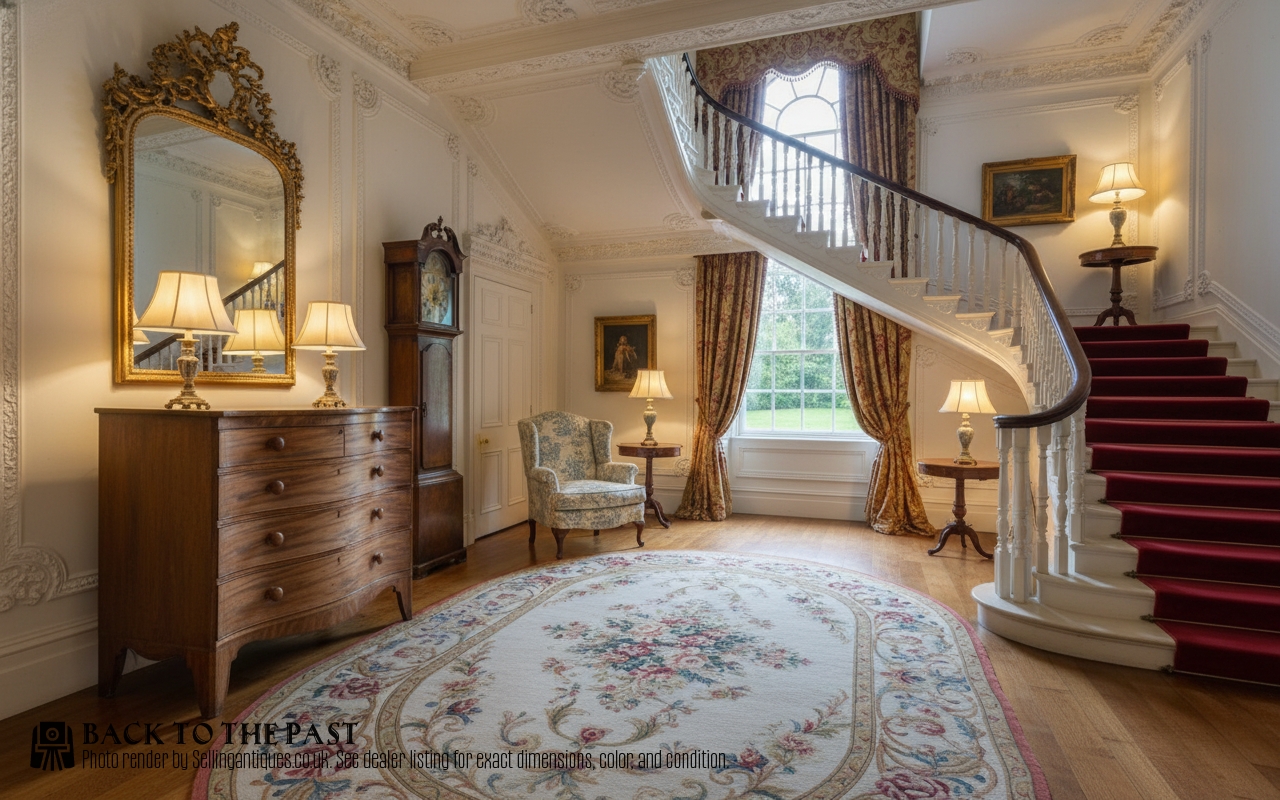
Traditional Bedroom Storage
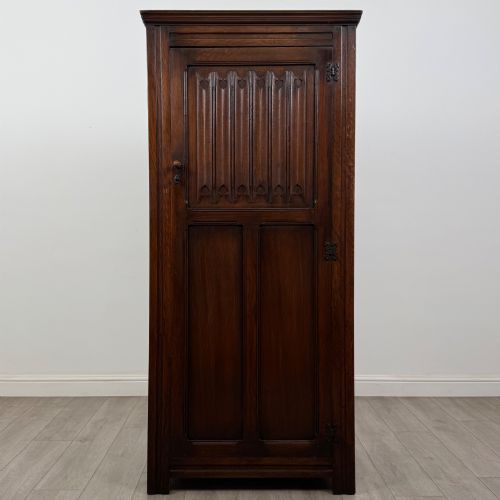
Traditional bedroom storage encompasses sturdy chests of drawers, spacious wardrobes, linen presses, armoires, and bedside cabinets designed to keep personal belongings tidy. When searching for traditional bedroom storage, buyers encounter substantial pieces built to serve functional domestic roles across centuries.
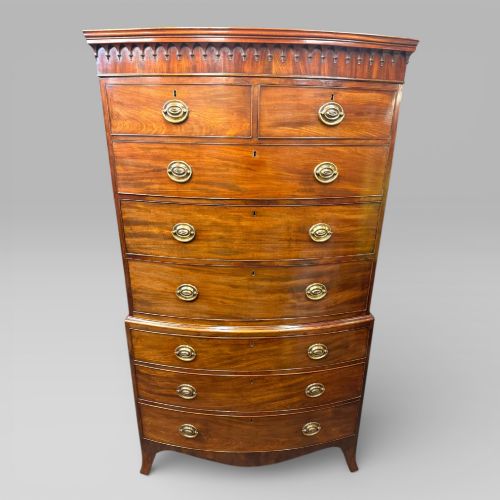
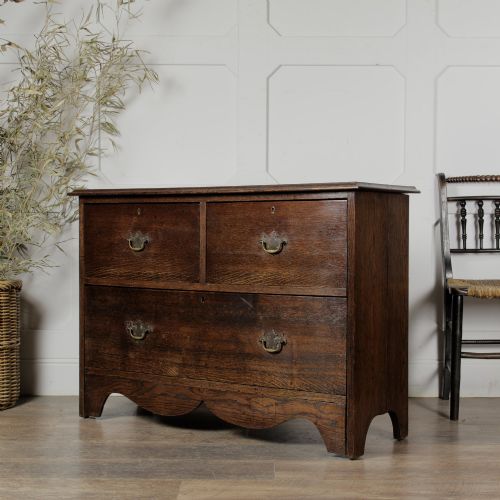
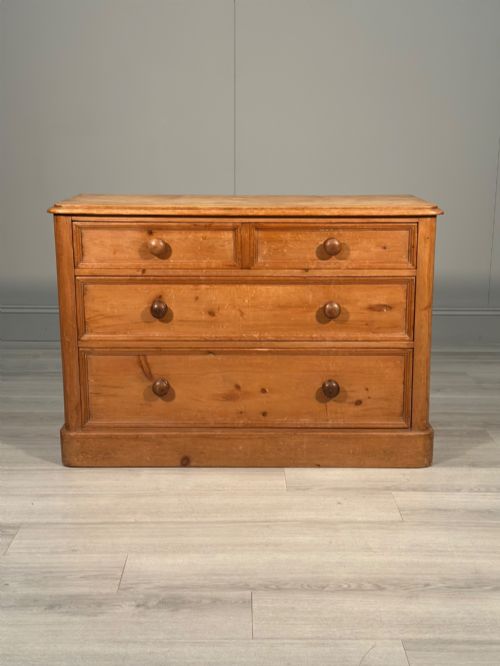
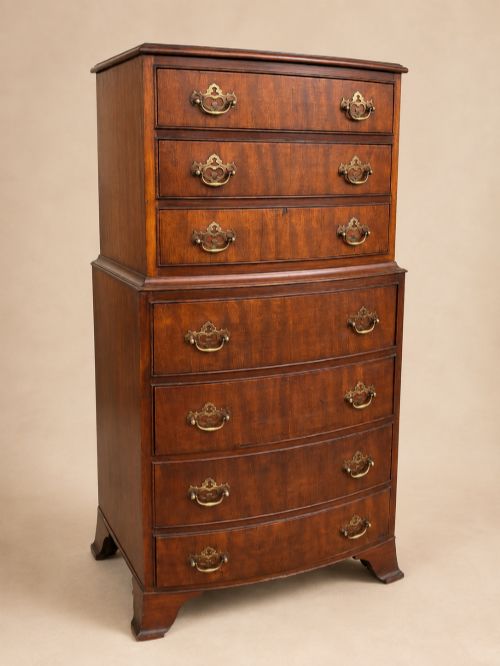
The selections span distinct historical periods including the Georgian, Victorian, Edwardian, and Regency eras, alongside later revivals. Chests of drawers dominate the selection, appearing in formats from low configurations to tall bow-front and chest-on-chest constructions.
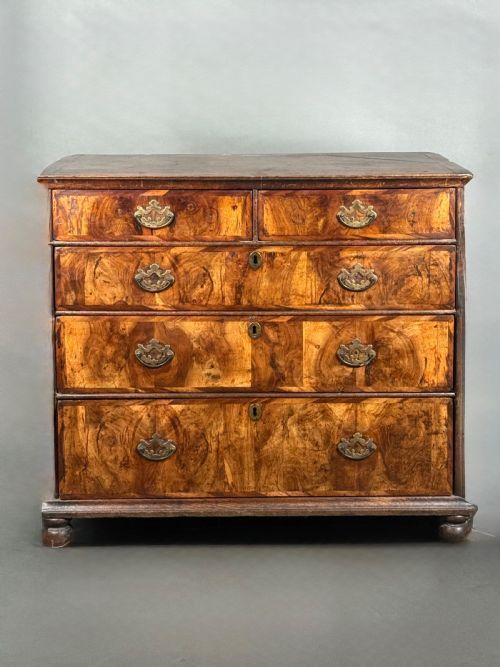
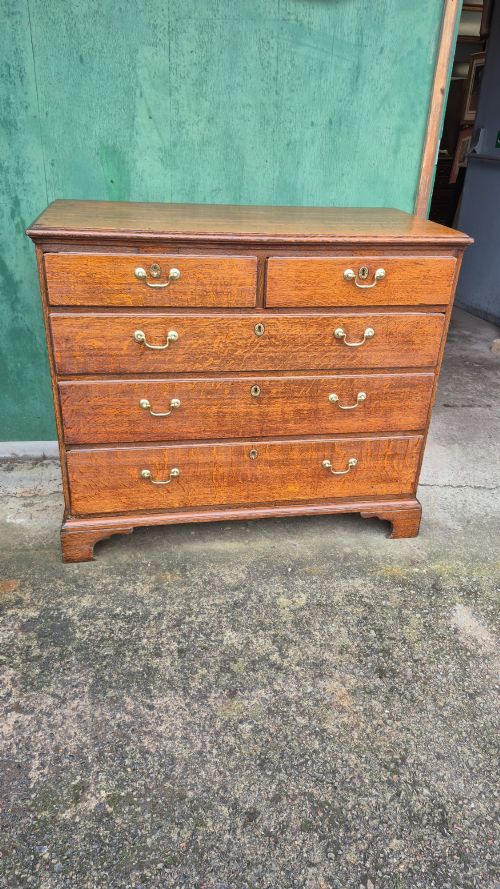
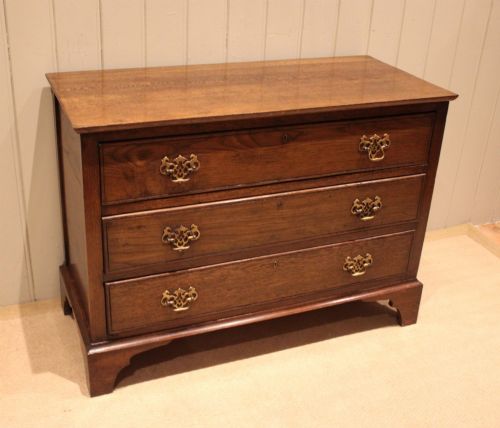
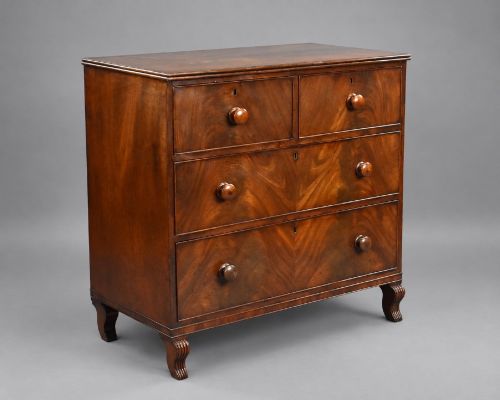
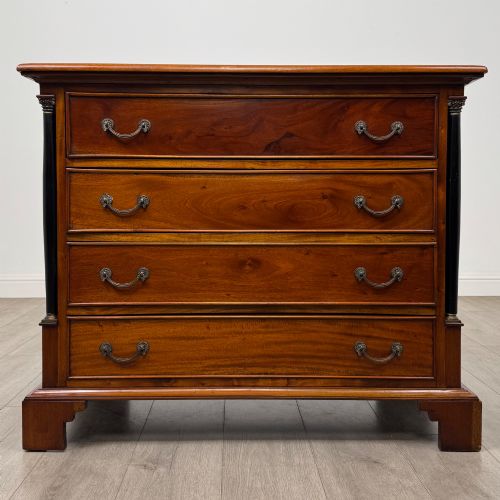
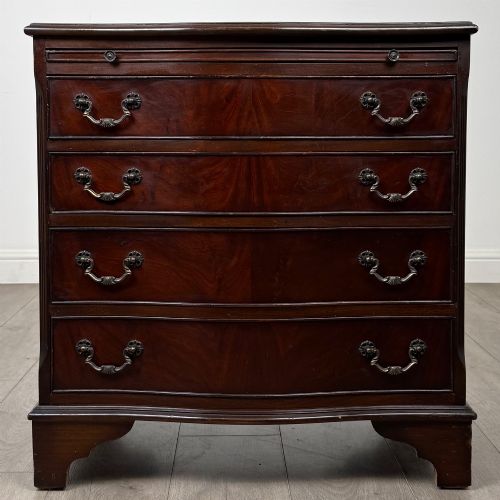
Makers utilised resilient timbers such as oak, mahogany, walnut, and pine to build these bedroom furnishings. Pieces range from simple utilitarian pine items to highly figured walnut and flame mahogany examples fitted with brass handles.
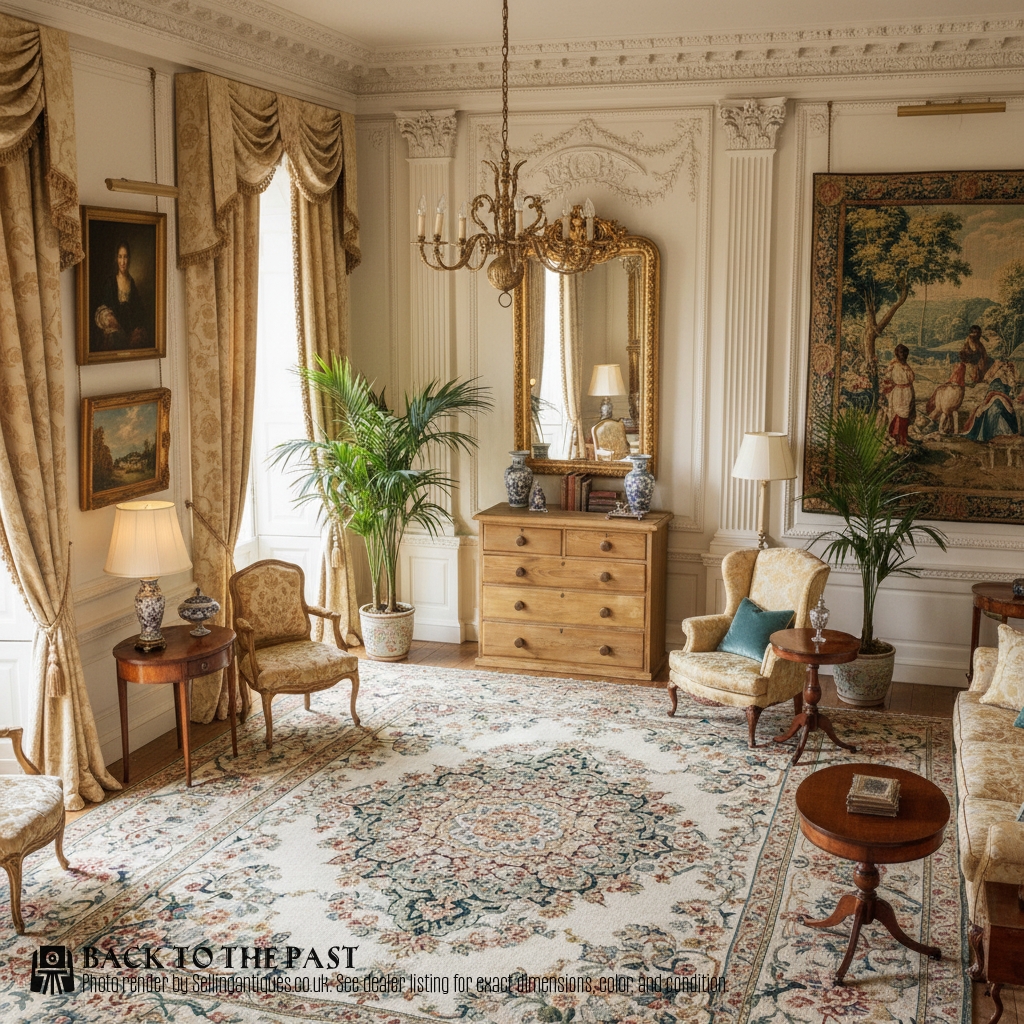
How they were made
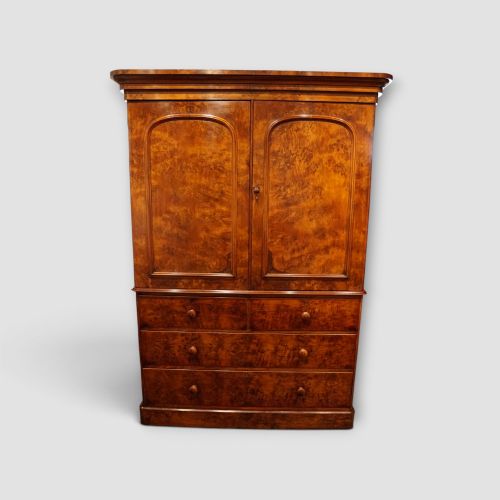
Carpenters constructed these storage items using solid hardwoods and softwoods, frequently applying decorative veneers like flame mahogany and burr walnut to primary surfaces. Drawer construction relied on traditional joinery methods to withstand daily use over generations.
Hardware such as brass handles and pulls complemented the timber grain and provided secure operational grips for drawers and cabinet doors. Finishes varied from scrubbed natural pine surfaces to polished mahogany and oak.
Listings feature storage pieces spanning the Georgian, Victorian, Edwardian, and Regency periods, constructed in oak, mahogany, walnut, pine, and yew wood.
What varies in quality
Quality separates pieces through the selection of timber figure, such as the distinct patterns found in flame mahogany or figured walnut veneers. Superior examples display careful attention to proportion, particularly in multi-drawer chests and tall wardrobes.
The choice of secondary woods and the precision of drawer assembly distinguish finer workshop output from more utilitarian pine furniture. Original brass hardware and well-preserved surface polishes elevate the standing of individual pieces.
Jas Shoolbred
The Traditional Bedroom Storage Glossary
- Bow-front
- A cabinet or chest of drawers featuring a convex, curved front facade that projects outward. This curved profile gained popularity during the Georgian and Regency periods.
- Chest on chest
- A tall storage unit formed by stacking a smaller chest of drawers directly on top of a larger base chest. This configuration maximises vertical storage capacity.
- Linen press
- A tall cabinet originally designed for storing folded linens, typically featuring upper cupboard doors enclosing sliding trays or shelves above lower drawers. Victorian examples often incorporate clothes hanging space.
- Wellington chest
- A tall, narrow chest of drawers secured by a hinged vertical locking strip on one side that fastens with a padlock. This locking mechanism protected the contents.
- Flame mahogany
- A veneer cut from timber where the grain creates a flickering, flame-like pattern across the surface. Cabinet makers deployed this figure on prominent drawer fronts.
Traditional Bedroom Storage: Frequently Asked Questions
What pieces count as traditional bedroom storage?
Traditional bedroom storage includes chests of drawers, wardrobes, armoires, linen presses, and bedside cabinets. These items originate from the Georgian, Victorian, Edwardian, and Regency eras.
Cabinets and chests provide enclosed spaces for clothing and domestic linens using traditional timbers like oak, mahogany, walnut, and pine.
How do I identify a Georgian chest of drawers?
Georgian chests often feature solid mahogany or oak construction with formal proportions, sometimes displaying bow-front profiles or brass handles. They date from the eighteenth and early nineteenth centuries.
Interior construction uses secondary timbers and hand-cut joinery typical of eighteenth-century cabinet making.
Where were bedside cabinets used?
Bedside cabinets and tables sat beside sleeping quarters to hold small personal items, night lighting, and chamber pots within enclosed lower cupboards. Pairs of these cabinets coordinate with larger bedroom wardrobes.
Their compact scale allowed placement beside period bed frames without crowding the room.
How do I care for antique bedroom furniture?
Antique bedroom furniture requires stable room humidity and protection from direct sunlight to preserve timber surfaces and prevent veneer warping. Regular dusting with a soft cloth maintains the polish.
Avoid harsh chemical cleaners and excessive moisture when maintaining traditional wood finishes.