
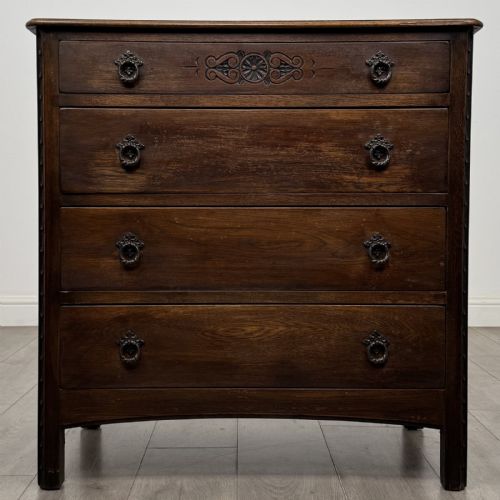
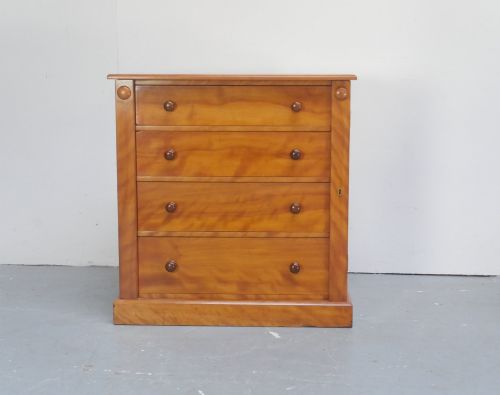
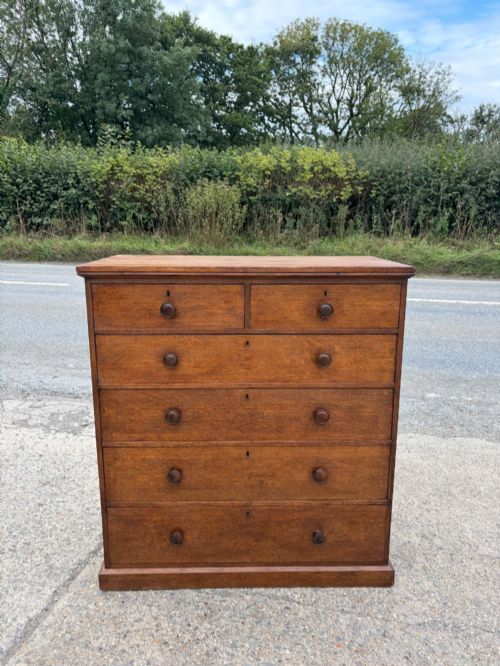
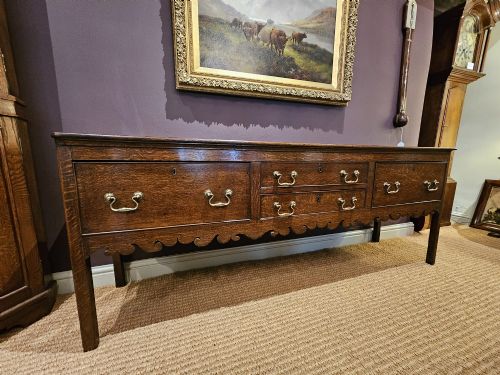
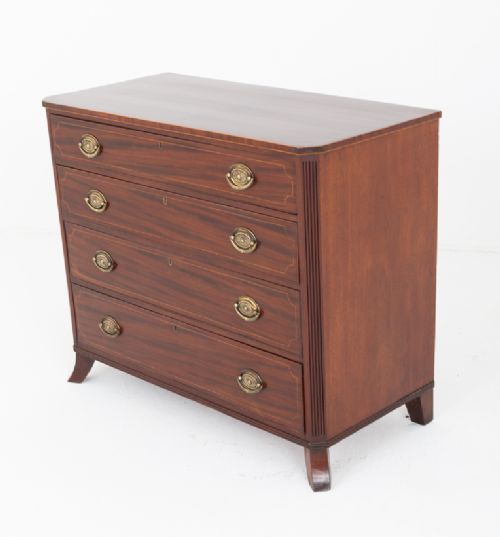
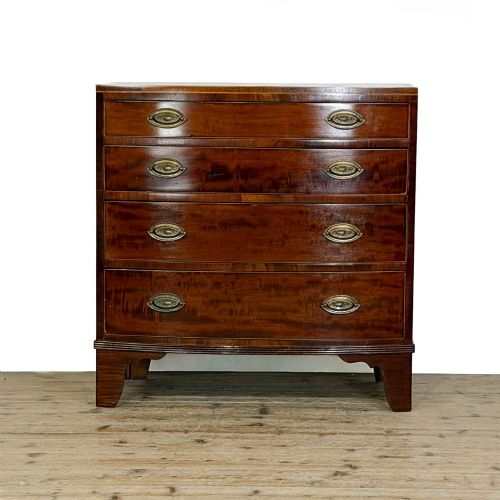
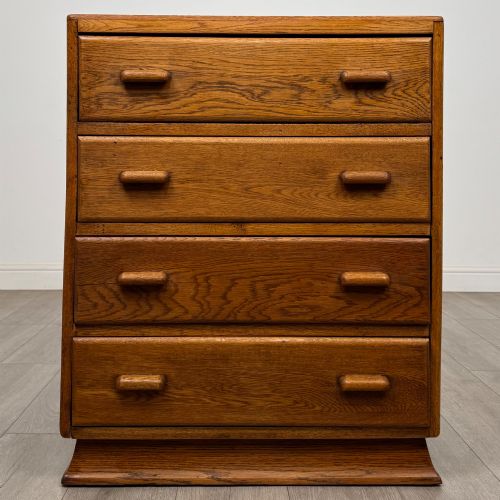

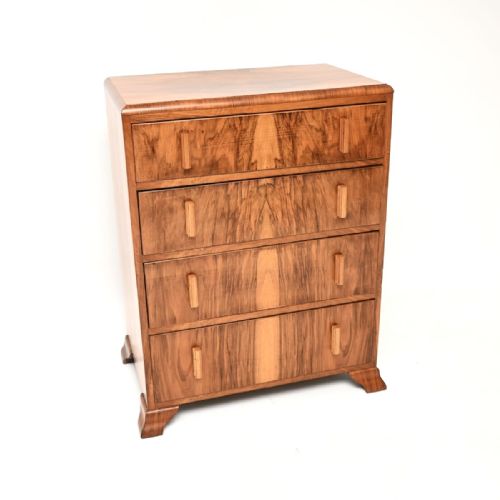
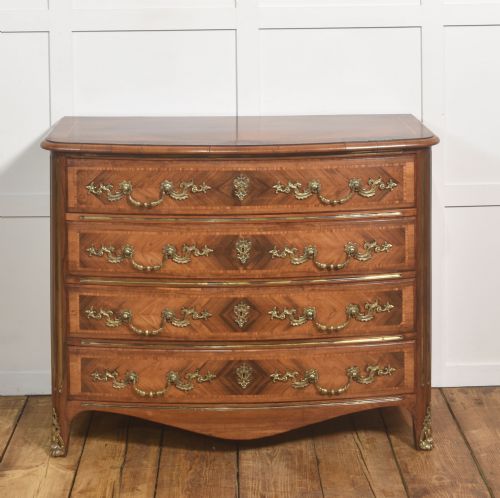
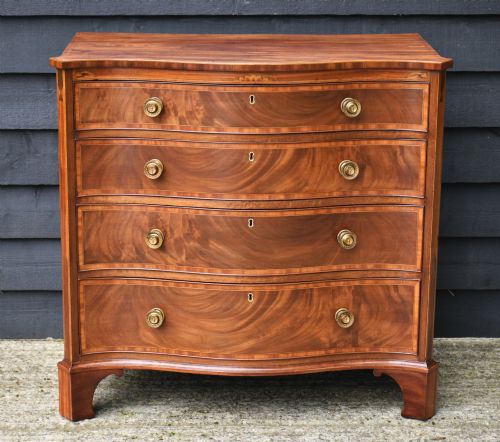
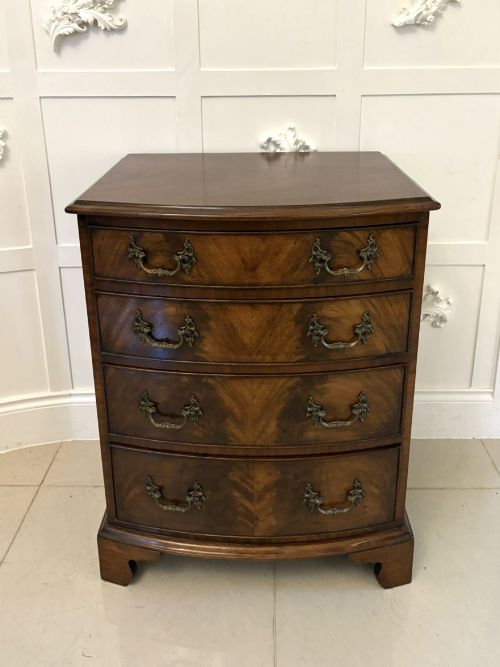
Four Drawer Dresser
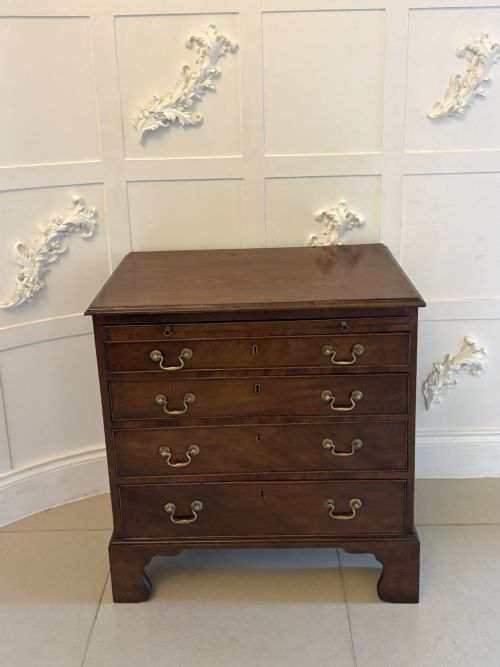
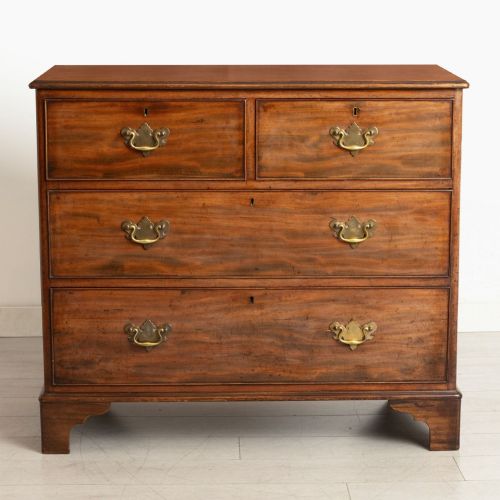
A four drawer dresser offers substantial storage in timber forms that anchor a room with period character.
Four Drawer Dresser
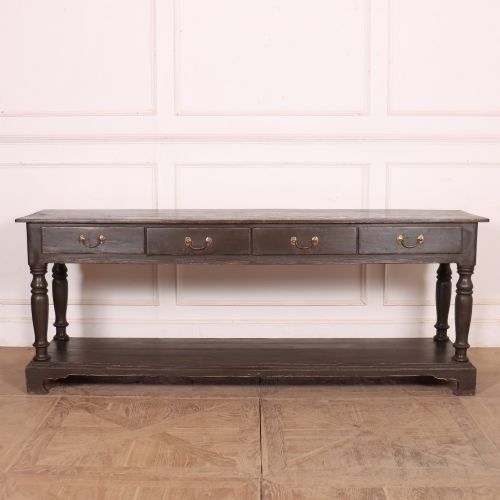
The horizontal dresser base variant originates mainly in the eighteenth century, presenting four graduated drawers arranged in a low sideboard configuration. These pieces function as working servers or display foundations, bringing regional English cabinet-making traditions into modern interiors.
Materials and Construction
Cabinet makers relied primarily on solid oak for early vernacular pieces and figured mahogany or walnut for formal Georgian and later stylistic revivals. Drawer construction utilised hand-cut dovetails, while secondary timbers such as pine or deal often formed internal drawer linings and carcass backs.
Surfaces received various treatments ranging from traditional wax polish on dense mahogany to painted finishes on softwood and hardwood bodies. Brass hardware, including drop handles and escutcheons, fastened the drawer fronts across all periods.
Some Georgian pieces include hidden brushing slides originally designed for powdering wigs before breakfast.
Distinguishing Quality
Quality reveals itself in the selection of timber figures, such as matched burr walnut veneers or dense, straight-grained mahogany, and the precision of the joinery. Superior examples maintain original brasses, smooth drawer action, and uncompromised proportions without heavy restoration.
Lower tiers of quality often involve replaced drawer linings, altered feet, or generic secondary timbers lacking the crisp moulding profiles and structural integrity seen in work from master workshops.
Heal & Son·Druce & Co
The Four Drawer Dresser Glossary
- Bow front
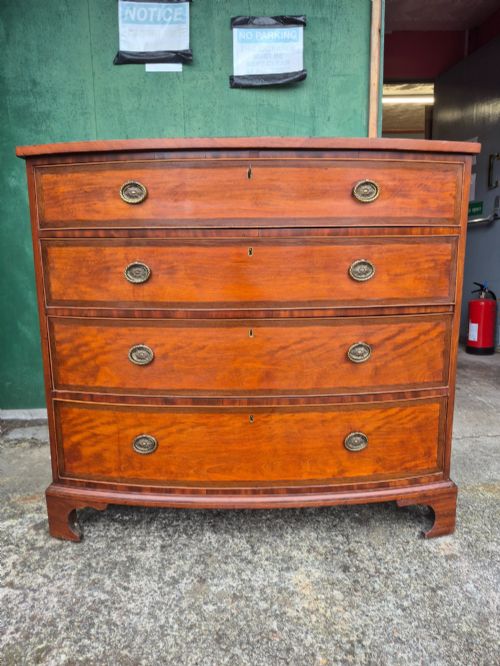
- A convex curved cabinet front popular during the Georgian and Regency periods. This shape softens room geometry while maximising internal drawer volume.
- Serpentine
- A horizontally undulating front profile featuring a convex centre flanked by concave curves. It represents a pinnacle of cabinet-making skill due to the complex shaping required.
- Brushing slide
- A pull-out shelf integrated above the top drawer used for writing or brushing clothes. It appears frequently in Georgian master chests.
- Dovetail
- A traditional interlocking joint used to secure drawer corners. Hand-cut variations indicate the period and skill of the maker.
- Dresser base
- A low horizontal sideboard featuring multiple drawers, traditionally used in country houses for serving and storage.
Four Drawer Dresser: Frequently Asked Questions
What is a four drawer dresser?
A four drawer dresser refers either to a tall vertical chest of drawers or a low horizontal dresser base featuring four operating drawers. These pieces provide substantial storage capacity while displaying period woodworking techniques.
They serve as focal points in bedrooms, dining rooms, and hallways, combining functional utility with historical craftsmanship from the eighteenth century onward.
How do I date a wooden chest?
Dating involves examining timber species, construction joints, handle hardware, and overall stylistic proportions. Eighteenth-century pieces frequently utilise oak or early mahogany with hand-cut dovetails.
Later Victorian and Edwardian examples introduce machine-sawn elements, different secondary woods, and revival styles that reflect the aesthetic preferences of their specific decade.
Where should I place a dresser base?
A low dresser base suits dining rooms as a sideboard or living areas for media and display storage. Its horizontal surface accommodates lamps, books, or decorative objects.
Ensure placement avoids direct heat sources and strong sunlight to protect the aged timber finishes and historical polishes.
Are serpentine fronts harder to find?
Serpentine front chests require advanced woodworking skills to curve solid timber or shape veneers, making them less common than straight-front versions. They demand precise alignment of drawers and carcasses.
This complexity means surviving examples from the Georgian period command strong interest among collectors seeking refined craftsmanship.