

Vintage Storage Commode
These vintage storage commode options bring timber and marble into daily rooms, offering deep drawer space across Georgian, Victorian, and later periods.
Vintage Storage Commode
A vintage storage commode encompasses chests of drawers, side cabinets, and cupboards designed to hold household goods while anchoring a room's layout. Buyers searching this phrase encounter substantial timber furniture originating from the seventeenth century through to the 1930s.
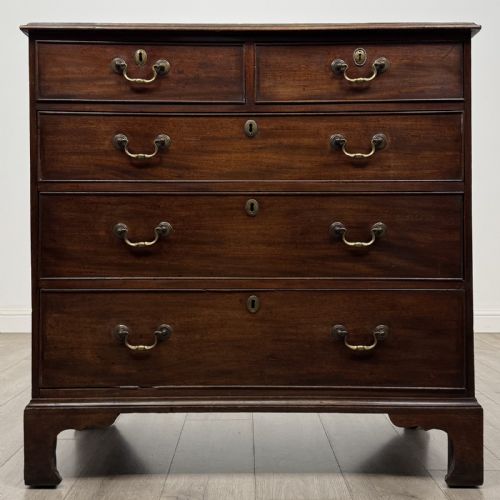
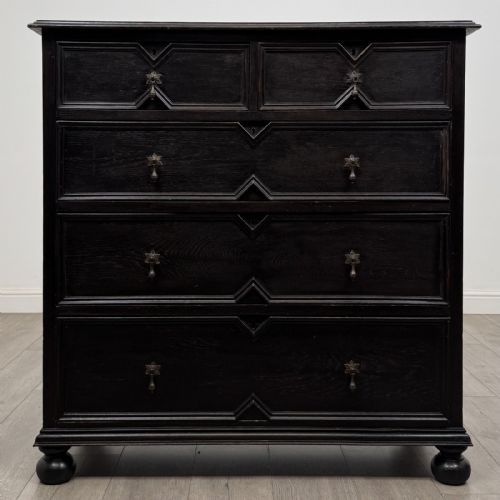
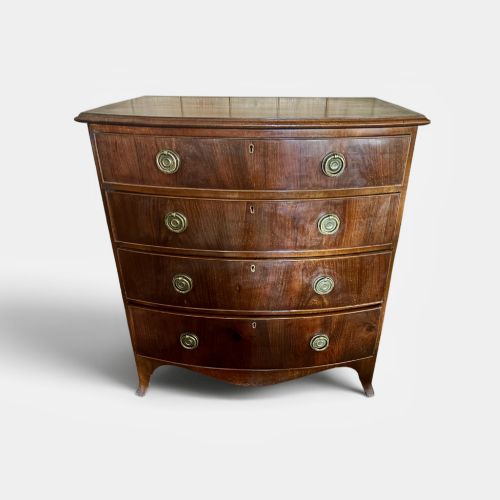
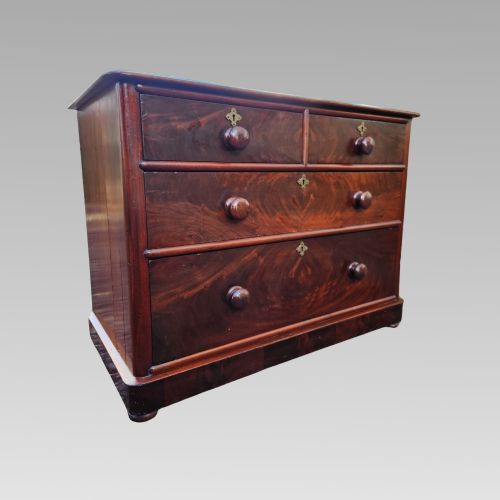
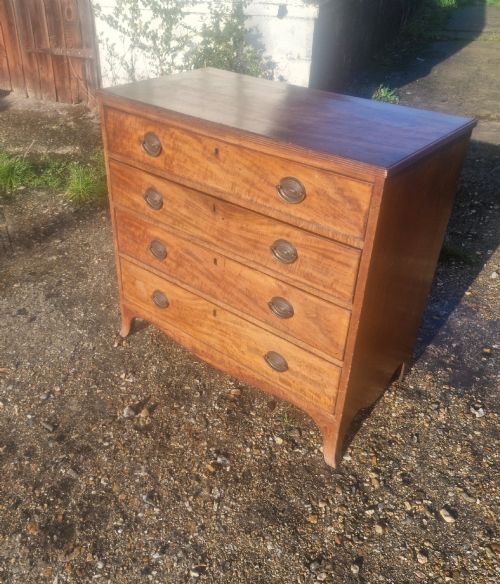
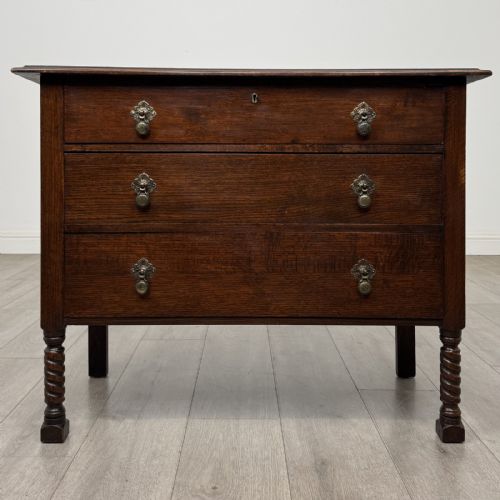
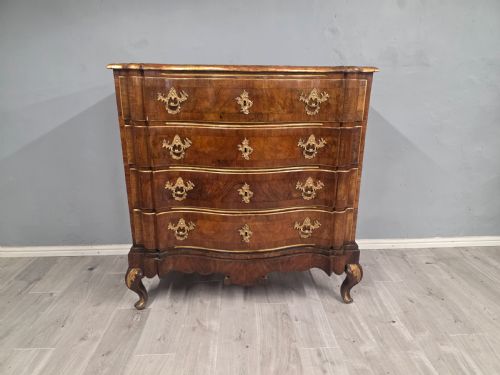
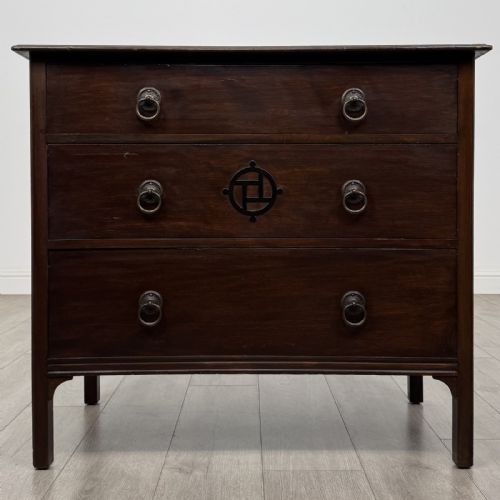
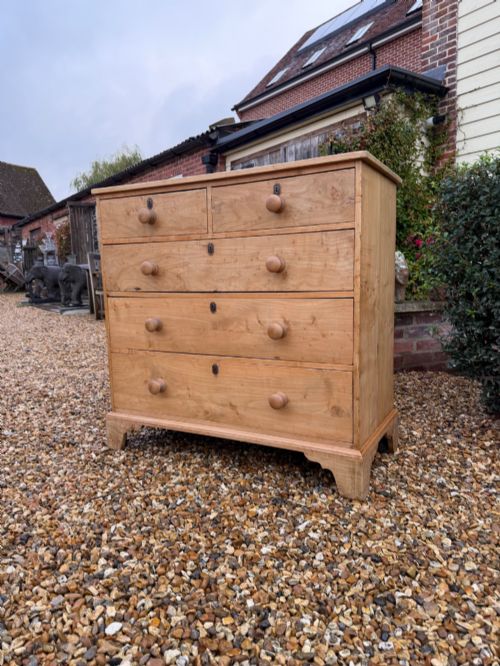
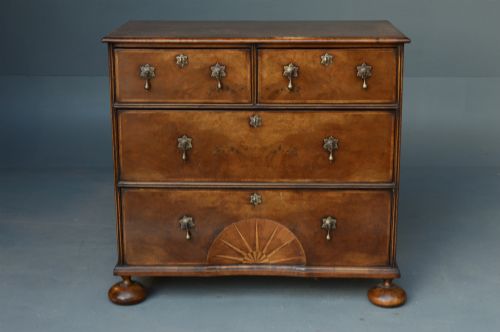
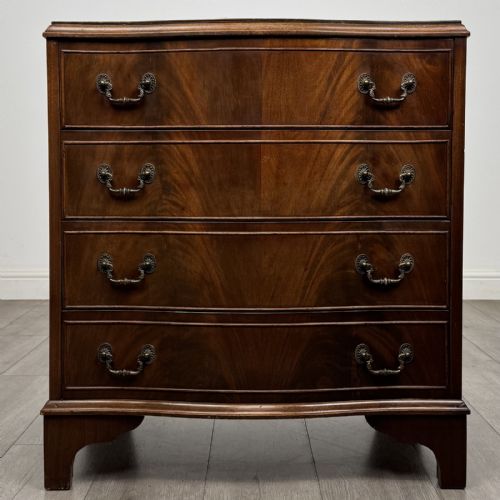
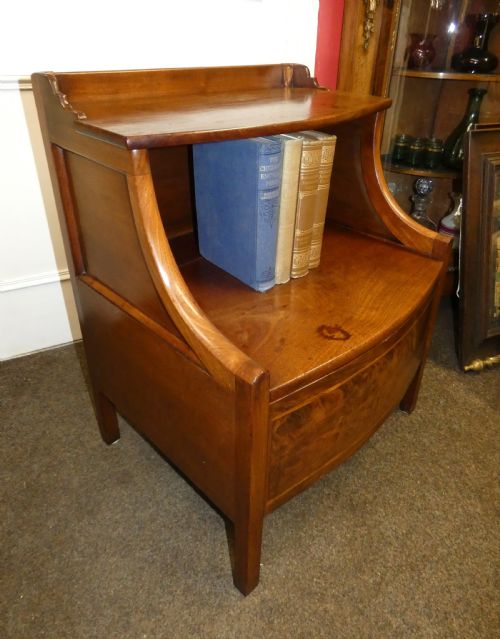
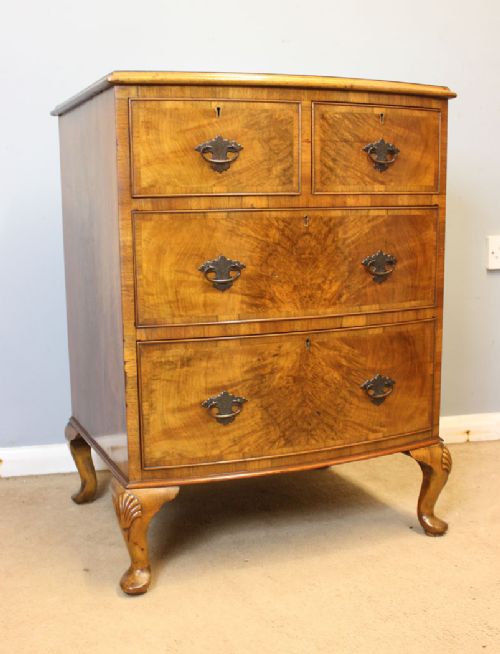
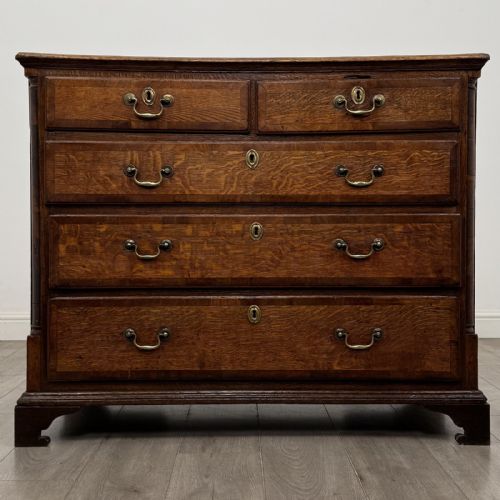
The most frequent examples on this page are mahogany and oak chests of drawers featuring bow fronts, bracket feet, or raised galleries. Pieces span regional English workshops, French provincial designs, and distinct periods such as the Edwardian era and Regency epoch.
Materials and construction
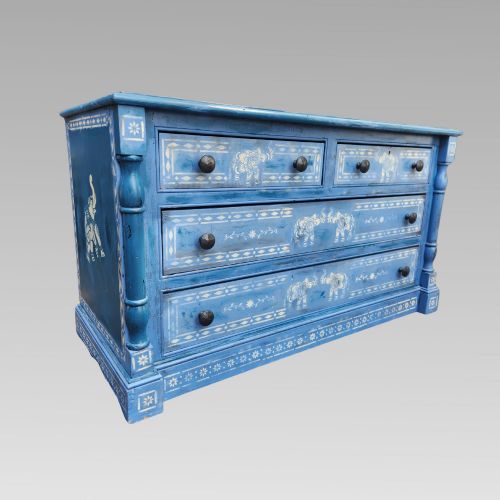
Cabinet makers relied primarily on hardwoods like mahogany, oak, walnut, and satinwood, frequently pairing sturdy pine or ash for internal framing and drawer linings. Surface decoration includes fine inlay, carved details, and modern paint finishes applied over solid timber bodies.
Many commodes incorporate heavy marble tops, particularly in French and Victorian pieces, requiring robust wooden carcases to support the stone slab. Hardware typically consists of brass handles, cup pulls, and fitted locks that secure the individual drawers.
Vintage Storage Commode Retail Price Guide 2026
Typical asking prices for vintage storage commode among the pieces listed under this phrase on Sellingantiques today, from the lower quarter to the upper quarter. They describe what is for sale here now, not the wider market.
Several chests double as garment vaults with deep drawers once destined to keep heavy wool waistcoats safe from moths.
Factors of distinction
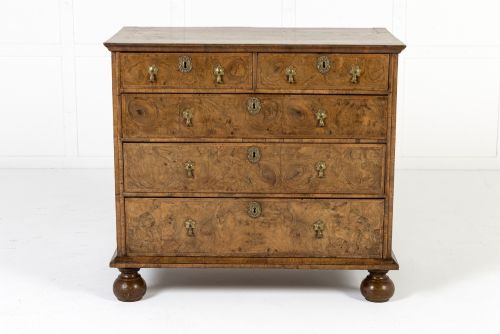
Quality rests in the selection of figured timber grains, such as burr walnut or flame mahogany, and the precision of the dovetail joinery holding the drawers together. Superior examples maintain original hardware, uncompromised timber patination, and structural integrity across the legs and bracket feet.
Design sophistication also separates standard storage items from finer commissions, seen in graceful bow fronts, intricate edge carvings, and harmonious proportions. The integration of specialty elements like inset marble surfaces or satinwood banding indicates higher workshop standards.
The Vintage Storage Commode Glossary
- Bow front
- A convex curved cabinet front popular in Georgian and Regency furniture designs. This shape softens the room's angles while increasing internal drawer capacity.
- Bracket foot
- A structural support foot shaped like a bracket, commonly found on Georgian and later chests of drawers. It raises the carcase slightly off the floor.
- Commode
- A low cabinet or chest of drawers designed for storage. The term covers various timber and marble-topped chests originating from French and English traditions.
- Gallery
- A raised wooden border running along the top edge of a chest or cabinet. It prevents items placed on the surface from sliding off.
- Dovetail joinery
- An interlocking joint used to connect drawer sides to drawer fronts and backs. Hand-cut dovetails indicate traditional cabinet making methods.
Vintage Storage Commode: Frequently Asked Questions
What is a vintage storage commode?
A vintage storage commode is a practical wooden chest of drawers or cabinet originating from past centuries, used primarily for household organisation.
These pieces combine functional compartment storage with decorative timber finishes, spanning styles from simple oak cupboards to grand marble-topped designs.
How do I date a wooden chest?
Dating involves examining the timber species, construction methods like dovetailing, and the overall style characteristics such as feet and handles.
Early pieces often feature solid oak with hand-cut joints, while later Victorian and Edwardian examples introduce machine manufacturing and alternative woods like ash or pine.
Where should I place a commode?
These storage units fit comfortably in bedrooms, hallways, or living rooms as primary storage surfaces for clothing or household linens.
Marble-topped versions also serve well in dining spaces or entryways, providing a sturdy surface that resists everyday wear and moisture.
How do I care for antique timber?
Maintaining vintage wood requires keeping furniture away from direct heat sources and sudden humidity changes to prevent timber splitting.
Regular dusting with a dry cloth and occasional application of appropriate wax helps preserve the natural grain and historic finish.