


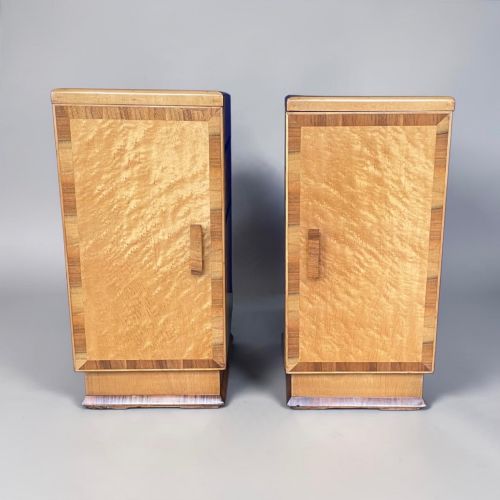
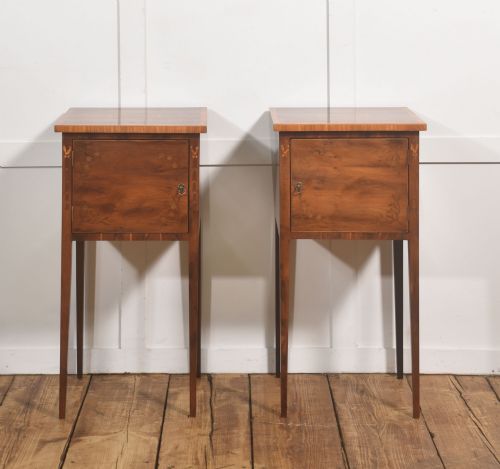
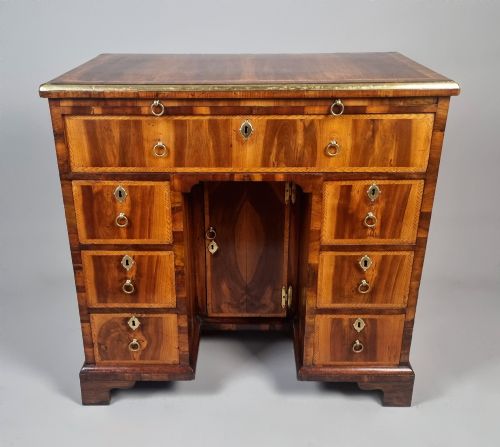
Antique Pedestal Cupboard
An antique pedestal cupboard is a compact timber cabinet designed to sit beside a bed or in a corner, offering hidden storage with distinct period character.

Antique Pedestal Cupboard
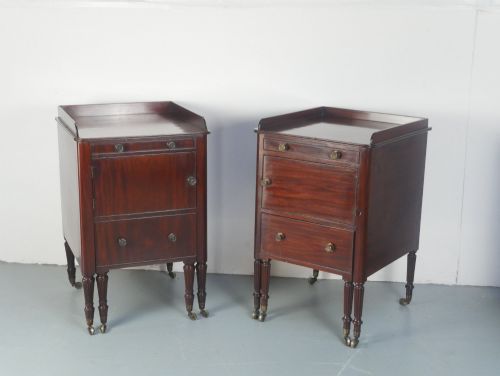
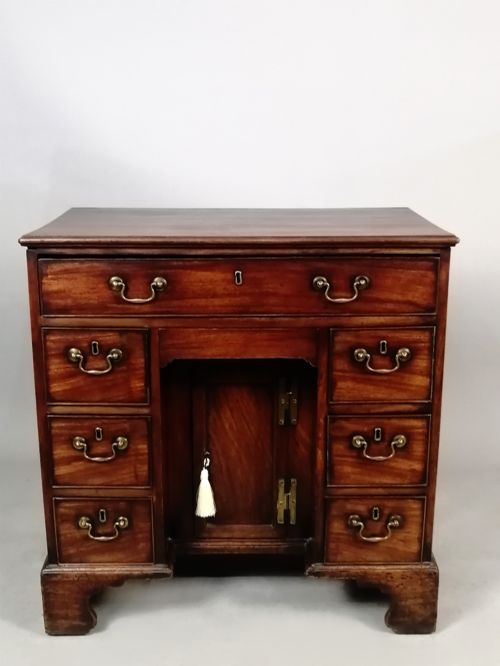
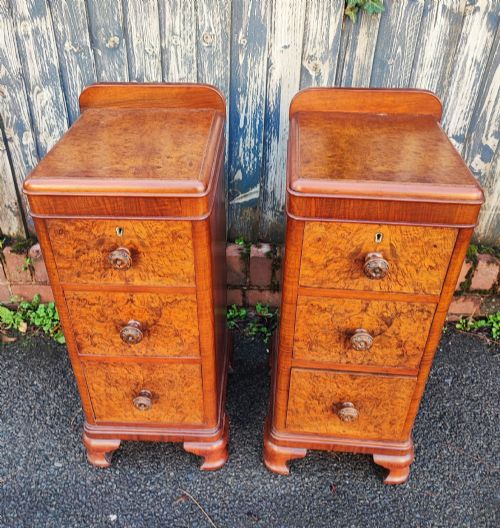
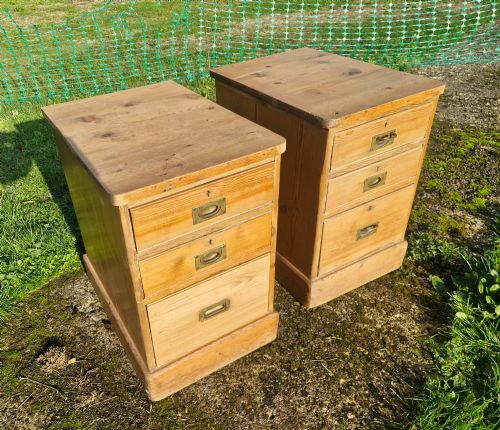
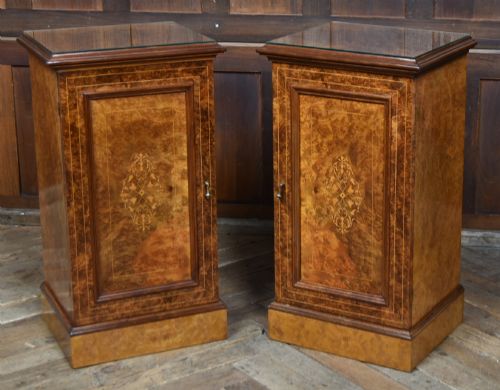
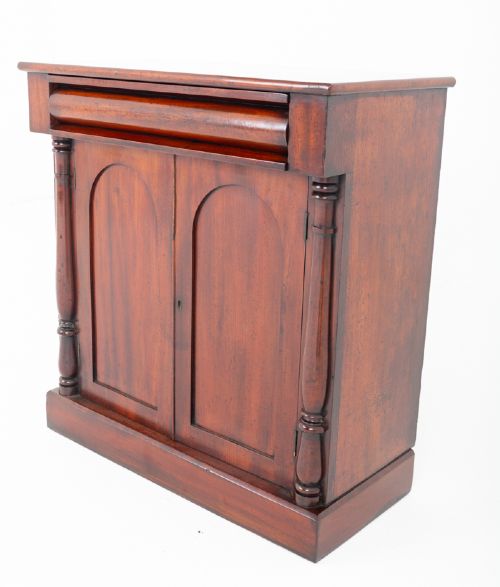
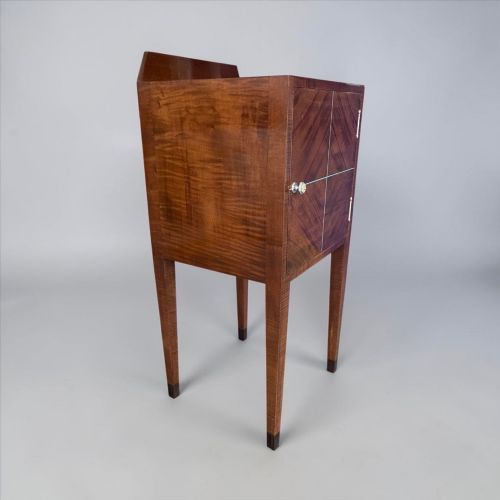
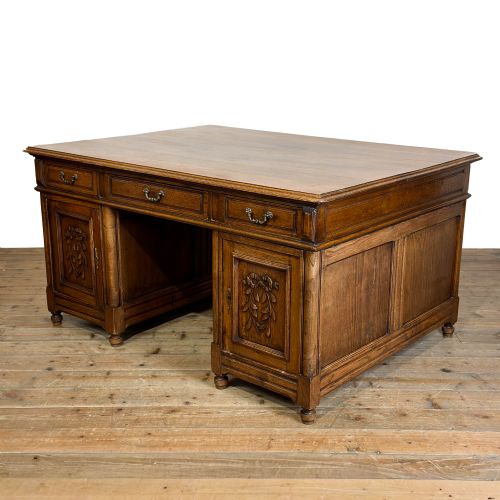
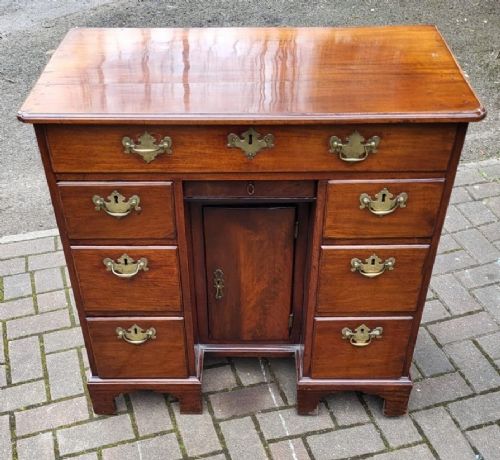
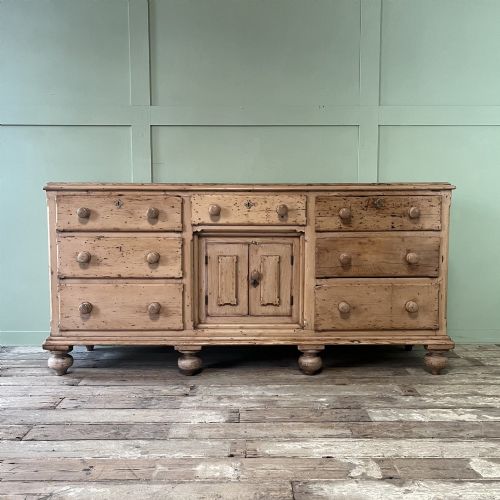
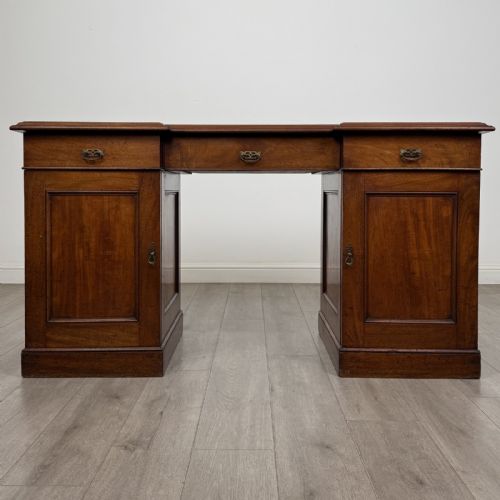
An antique pedestal cupboard is a small vertical cabinet designed for domestic utility, frequently taking the form of a bedside cabinet, washstand cupboard, or cylindrical pot cupboard. When searching for an antique pedestal cupboard, buyers encounter various configurations including round bodies, rectangular bedside units, and pedestal desks incorporating cupboard spaces.
The pieces on offer span the Regency and Victorian periods, extending into the late nineteenth century and Edwardian eras. These upright cupboards appear in styles associated with the nineteenth century, George III, William IV, the Aesthetic Movement, and the Victorian epoch.
Most examples function as bedside furniture or small washstands, relying on a single vertical pedestal form rather than broad horizontal proportions. Their origins lie in nineteenth-century domestic chambers where compact, enclosed storage was essential.
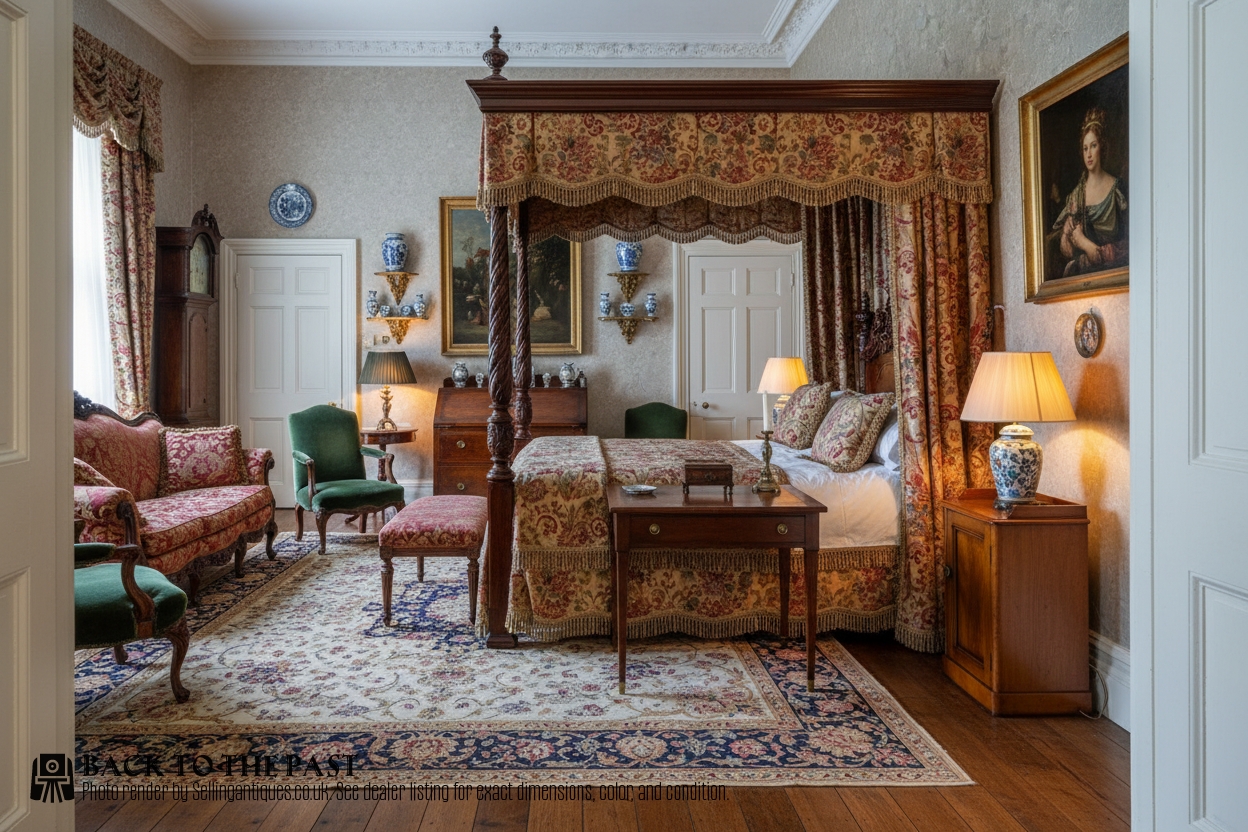
Materials and construction
Cabinet makers constructed these pieces primarily using solid timbers and decorative veneers, notably mahogany, flame mahogany, walnut, burr walnut, ash, satin birch, and painted softwood. Secondary treatments included grained finishes and faux marble effects, while brass hardware provided functional handles and mounts.
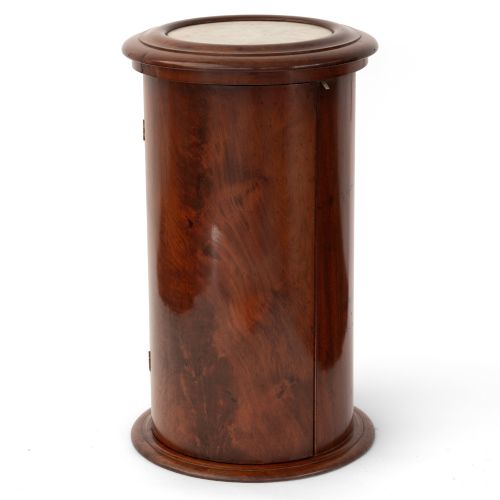
Circular and cylindrical forms required specialised joinery to curve timber veneers smoothly around a central core, as seen in cylindrical pot cupboards. Rectangular bedside cabinets utilised traditional panelled construction, sometimes incorporating inset glass or stone elements for washstand surfaces.
Antique Pedestal Cupboard Retail Price Guide 2026
Typical asking prices for pedestal cupboard among the pieces listed under this phrase on Sellingantiques today, from the lower quarter to the upper quarter. They describe what is for sale here now, not the wider market.
Victorian cylindrical cupboards cleverly hide their daily duties behind curved doors designed to look like solid wooden tree trunks.
Judging the range of quality
Quality in these upright cabinets rests upon the selection of timber figures, such as the rich grain in flame mahogany and burr walnut, contrasted against simpler painted softwood carcasses. Finer examples display meticulous attention to curved veneer matching on cylindrical bodies and refined brass mounts.
Maker attribution elevates certain pieces, evidenced by documented cabinet makers such as Holland & Sons applying superior internal construction and refined carving. Lower tiers rely on simpler grained softwood or plain mahogany without the distinctive figuring or specialised joinery of workshop-marked items.
Holland & Sons
The Antique Pedestal Cupboard Glossary
- Flame mahogany
- A timber veneer displaying a distinct, flamelike grain pattern achieved by cutting across the bough of the tree. This decorative figuring was favoured for prominent door panels on Regency and Victorian cabinets.
- Cylindrical cupboard
- A circular pedestal cabinet enclosing a central storage space behind a curved door. These pieces often served as bedside pot cupboards during the nineteenth century.
- Washstand
- A domestic table or cabinet designed to hold a basin and jug, frequently incorporating enclosed pedestal cupboards below the top surface. Many surviving examples retain marble tops or splashbacks.
- Satin Birch
- A pale, golden hardwood with a lustrous, shimmering grain utilised by nineteenth-century cabinet makers for lighter bedroom furniture. It provides a distinct contrast to darker timbers like mahogany and walnut.
Antique Pedestal Cupboard: Frequently Asked Questions
What is an antique pedestal cupboard used for?
These compact cabinets served primarily in bedrooms as bedside storage units or enclosed pot cupboards for chamber pots. They kept personal items out of sight while offering a convenient surface next to a bed.
Some variants functioned as washstands holding basins, utilising moisture-resistant tops and enclosed lower spaces for jugs and chamber utilities.
How do I date an antique pedestal cupboard?
Dating relies upon timber selection, structural form, and stylistic markers recorded across the nineteenth century. Regency examples often feature cylindrical flame mahogany bodies, while Victorian pieces incorporate figured mahogany, burr walnut, or satin birch.
Later nineteenth-century pieces may display Aesthetic Movement influences in ash, or carry specific maker stamps inside the door frames.
What woods were used for pedestal cupboards?
Cabinet makers utilised a range of native and exotic hardwoods, dominated by mahogany and its decorative variant flame mahogany. Walnut, burr walnut, ash, and satin birch also appear frequently in nineteenth-century examples.
Simpler pieces were constructed from painted softwood or finished with faux marble effects to mimic costlier stone and timber surfaces.
Are pedestal cupboards only found by bedsides?
While the majority of surviving pieces function as bedside cabinets or pot cupboards, the form extends to larger furniture types. Pedestal desks incorporate integral cupboards beneath writing surfaces, and washstand variants combine storage pedestals with washing facilities.
Wine urns on original pedestal cupboards also represent a grander dining room application of the pedestal form.