

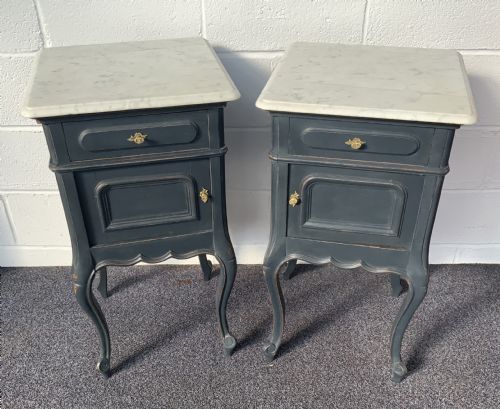


Table De Chevet
A table de chevet brings practical bedside surface area and French design to a bedroom.
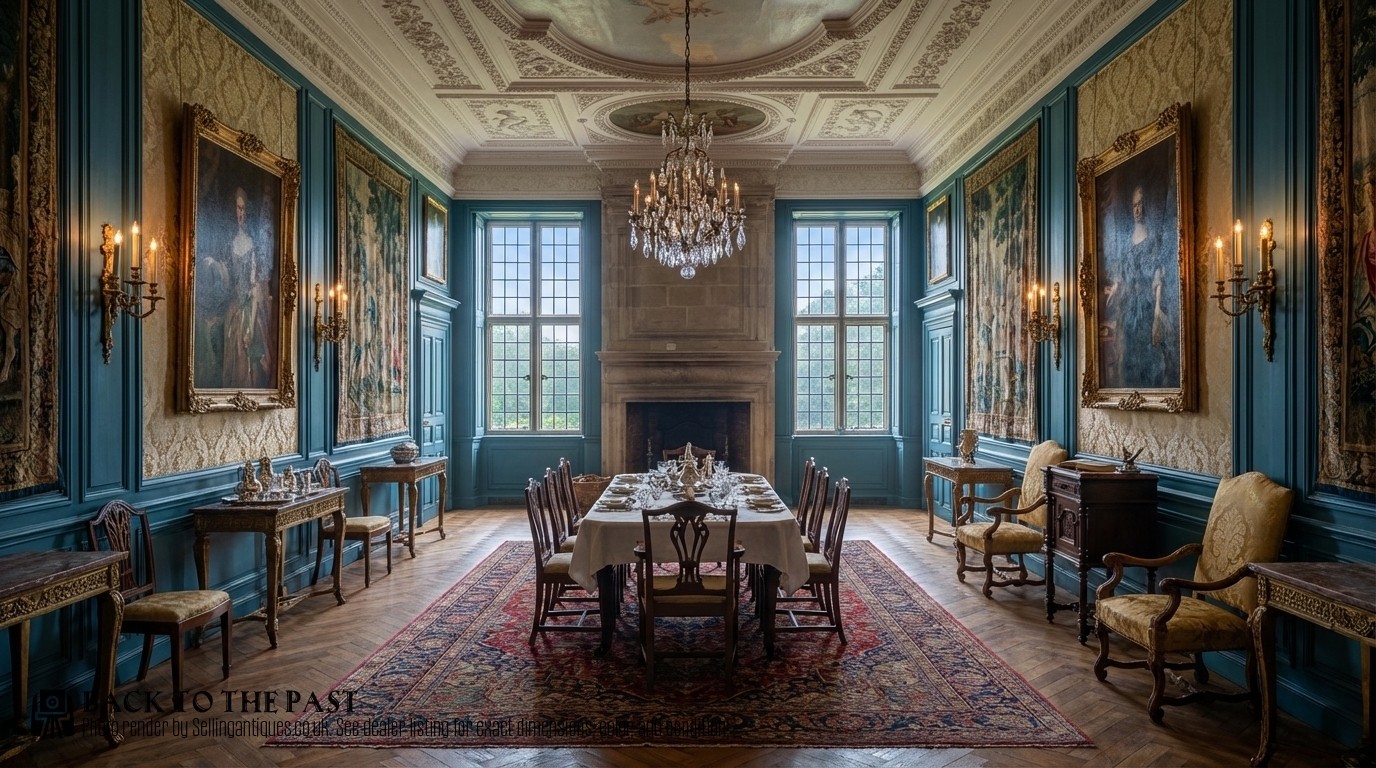
Table De Chevet
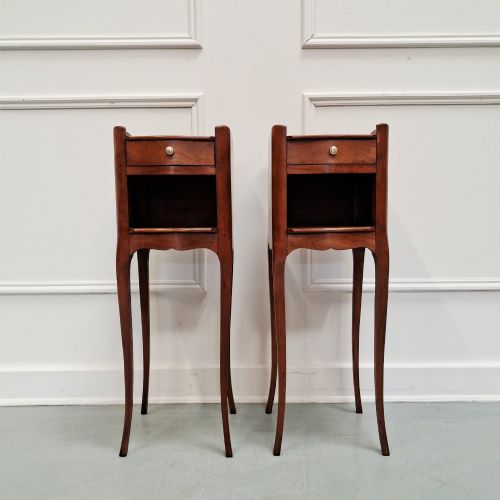
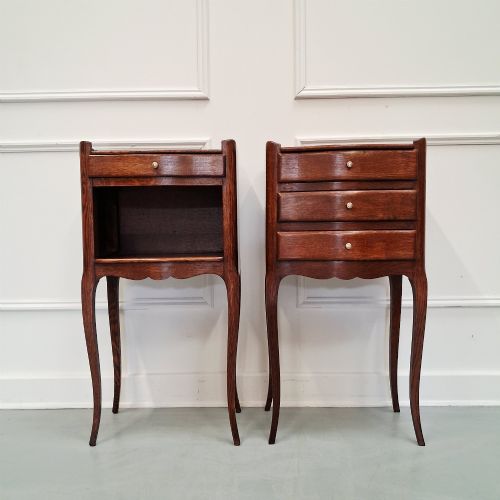
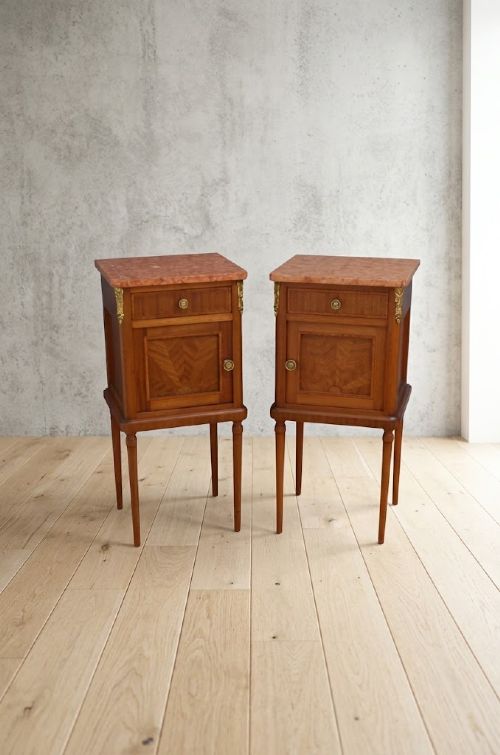
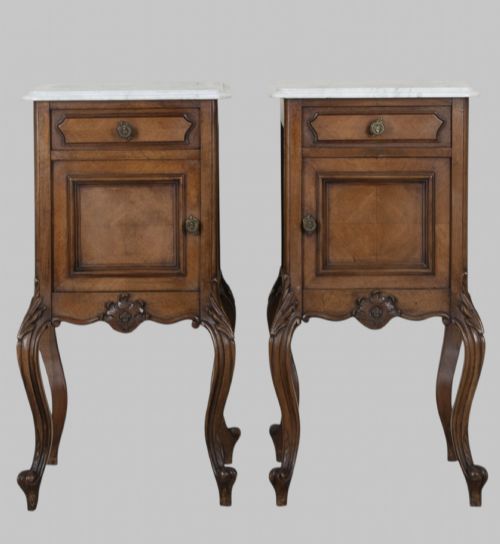
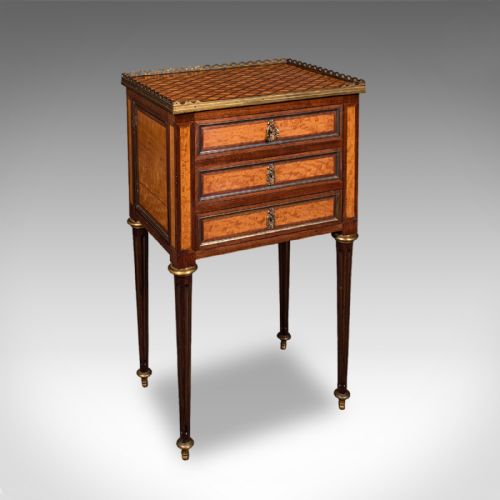
A table de chevet serves as a bedside cabinet, nightstand, or small occasional table designed to sit beside a bed. These pieces provide enclosed storage through cupboards and drawers alongside open surface space for lamps and personal items.
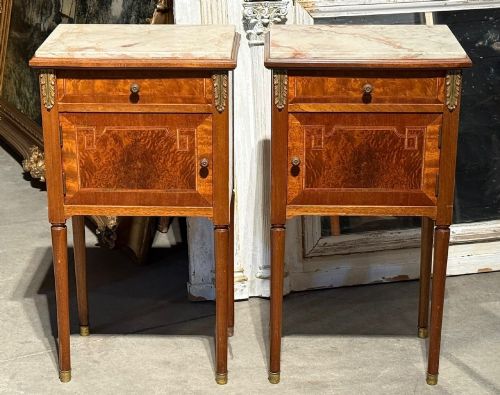
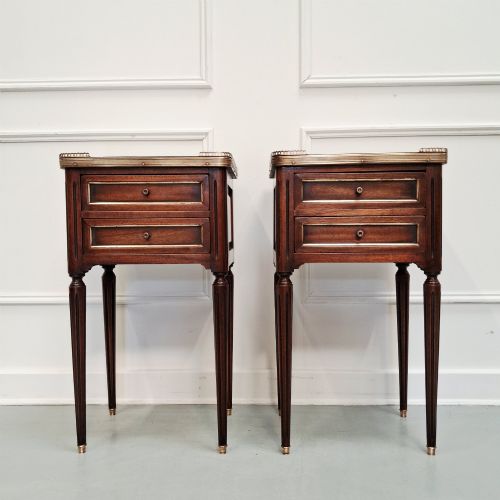
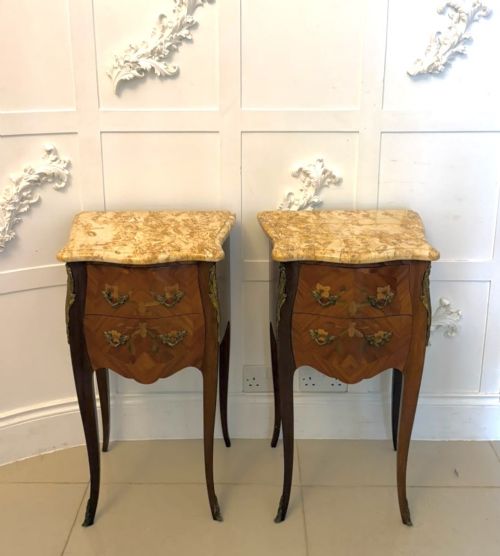
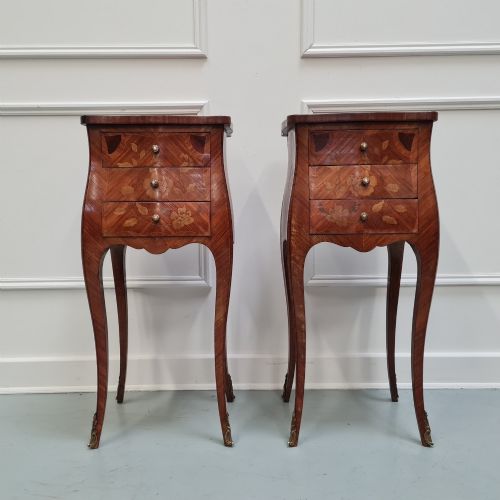
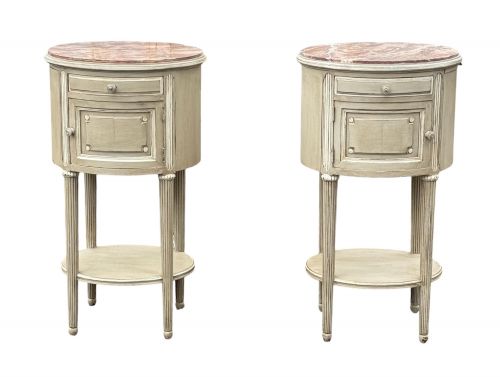
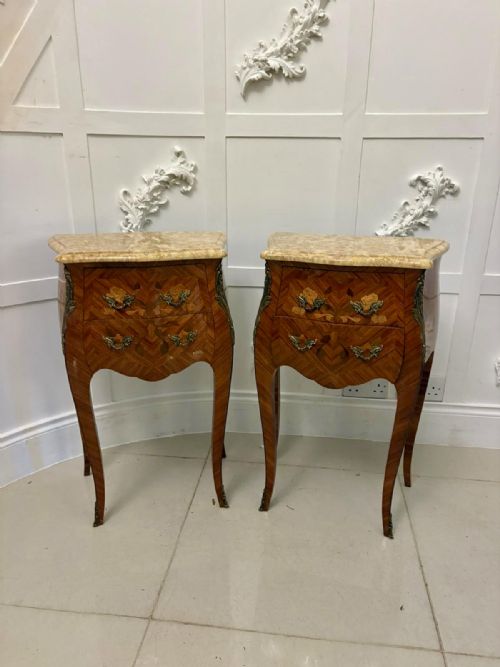
The selection on this page centres on French forms spanning from the nineteenth century into the 1930s. Buyers will frequently encounter matched pairs finished in walnut, mahogany, or kingwood, often topped with marble.
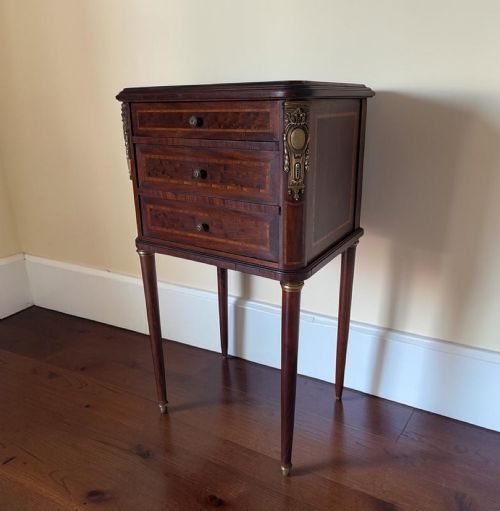
The styles range from restrained Louis XVI revivals to curvaceous Louis XV designs and provincial pieces. Dimensions remain compact, suiting domestic bedrooms where floor space is at a premium.
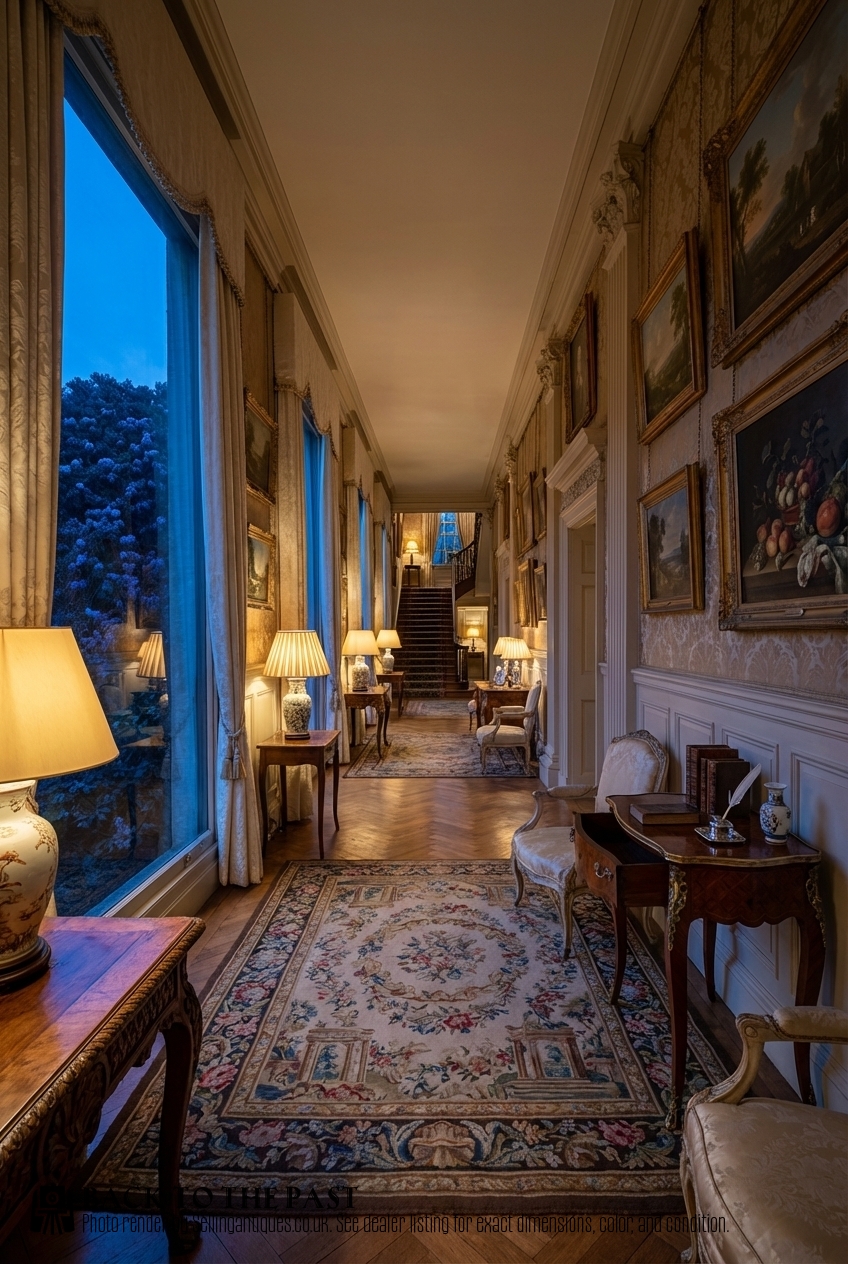
Materials and Construction
Cabinetmakers utilised dense timbers including walnut, mahogany, rosewood, and kingwood as carcase and veneer materials. Marquetry and parquetry patterns frequently decorate the drawer fronts and cabinet doors of finer examples.
Marble slabs inset into the timber tops provide durable surfaces resistant to liquids and cosmetics. Cast or chased ormolu mounts and brass detailing accent corners, handles, and sabots on selected pieces.
Table De Chevet Retail Price Guide 2026
Typical asking prices for table de chevet among the pieces listed under this phrase on Sellingantiques today, from the lower quarter to the upper quarter. They describe what is for sale here now, not the wider market.
Several pairs hide their utilitarian origins behind elaborate floral marquetry, proving that even chamber pots needed good breeding.
Assessing Quality and Execution
The refinement of the marquetry and the precision of the timber matching dictate the visual hierarchy of these cabinets. Subtle grain direction and crisp parquetry indicate superior workshop output compared to simpler painted finishes.
Construction methods reveal the standard of manufacture through dovetailed drawer boxes and well-fitted cabinet doors. Integrated marble tops with polished edges also separate standard production items from more ambitious commissions.
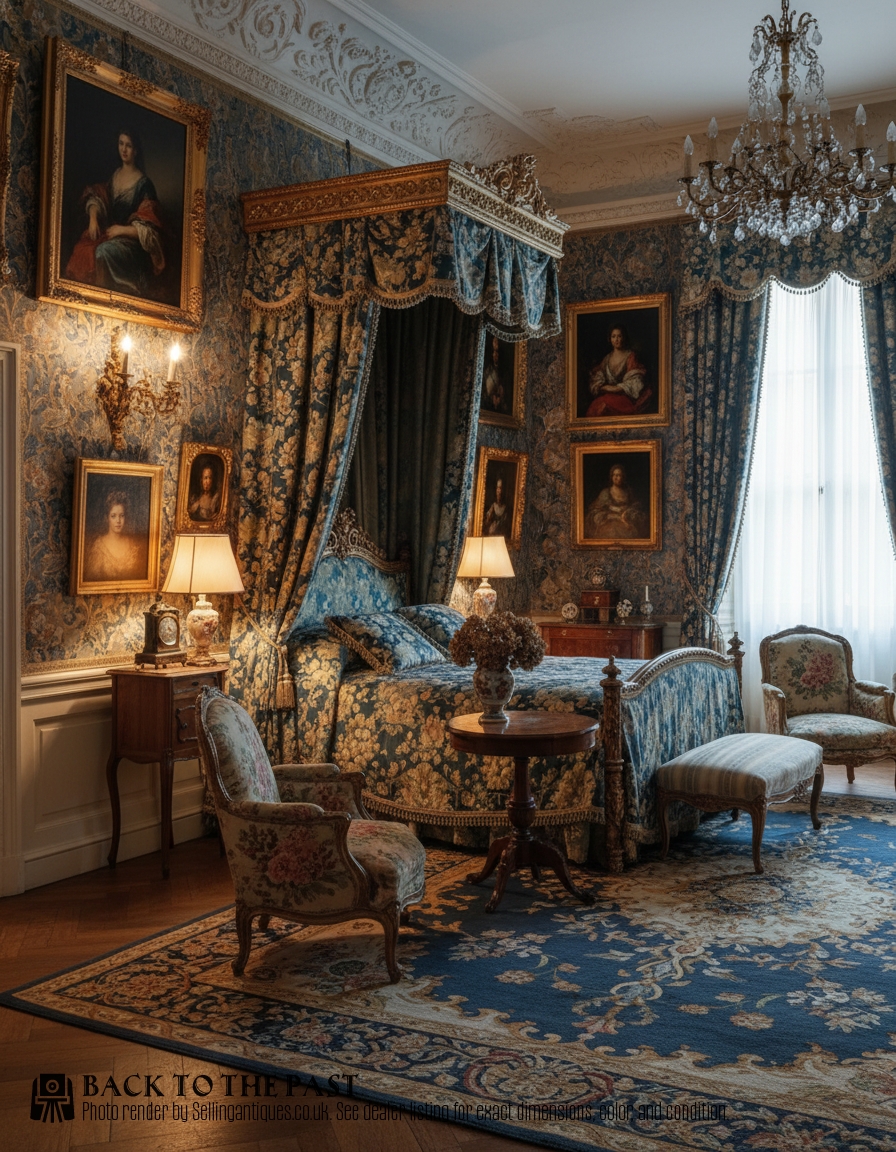
The Table De Chevet Glossary
- Chevet
- A French term for a bedside table or small cabinet designed to stand next to a bed. These compact pieces often feature a combination of drawers and cupboards.
- Marquetry
- Decorative veneer work arranged in pictorial or geometric patterns using various coloured woods. It creates elaborate surface designs across cabinet doors and tops.
- Ormolu
- Gilt-bronze mounts applied to furniture for decorative accent and edge protection. Makers cast and chased these metal elements to complement the woodwork.
- Parquetry
- Geometric wood inlay forming repeating patterns such as squares or cubes. This technique often covers the top surfaces and sides of French bedside chests.
- Sabot
- A metal shoe fitted to the foot of a furniture leg. It protects the timber from floor wear and adds a decorative metal finish.
Table De Chevet: Frequently Asked Questions
Where should I put a table de chevet?
These pieces fit naturally beside a bed to hold reading lamps, books, and nighttime essentials. Their compact proportions also allow them to function as small side tables in tight living spaces.
Matching pairs frame a bed symmetrically, while single cabinets work effectively as occasional accent tables in a hallway or study.
How do I clean marble top tables?
Wipe marble surfaces using a damp cloth with mild, neutral soap to remove dust and daily marks. Avoid acidic cleaners or lemon-based products that can etch the polished stone finish.
Dry the surface thoroughly with a soft cloth to maintain the sheen. Regular dusting prevents debris from scratching the polished top.
Are these tables sturdy enough for daily use?
Constructed from dense hardwoods like mahogany and walnut, these cabinets are built for enduring domestic utility. Their solid timber frames and dovetailed drawers handle everyday opening and closing.
Marble tops provide a durable, scratch-resistant surface for lamps and glasses. Proper placement away from excessive heat sources keeps the timber stable.