

Vintage Mahogany Nightstands
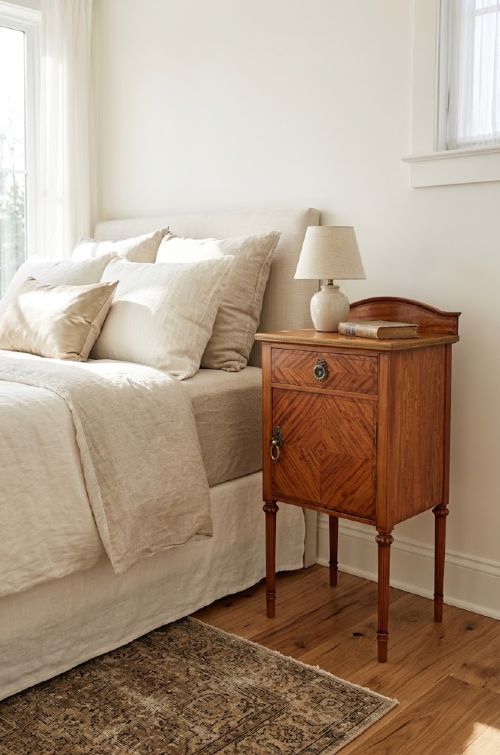
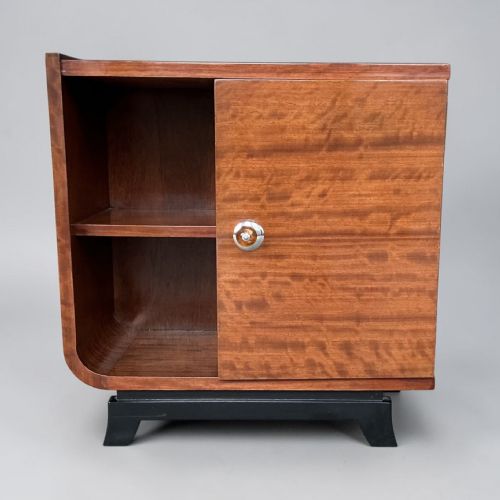
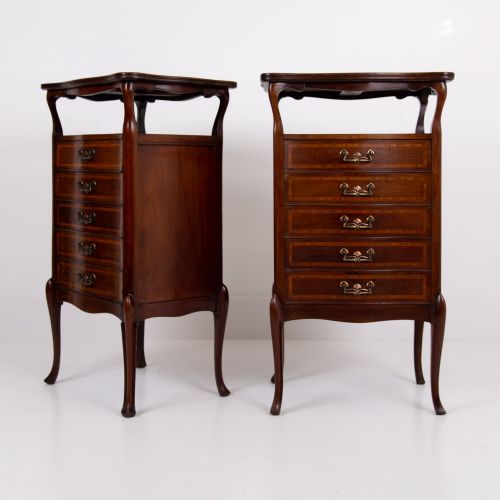
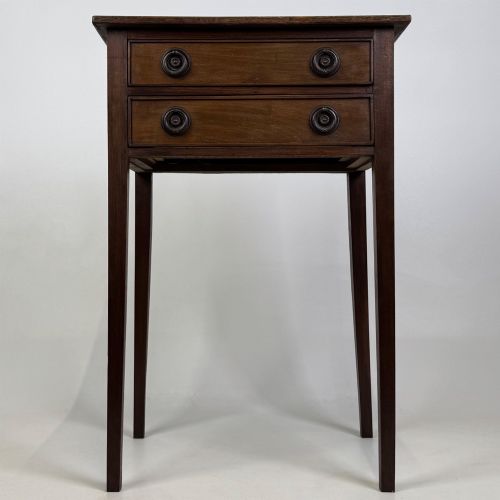
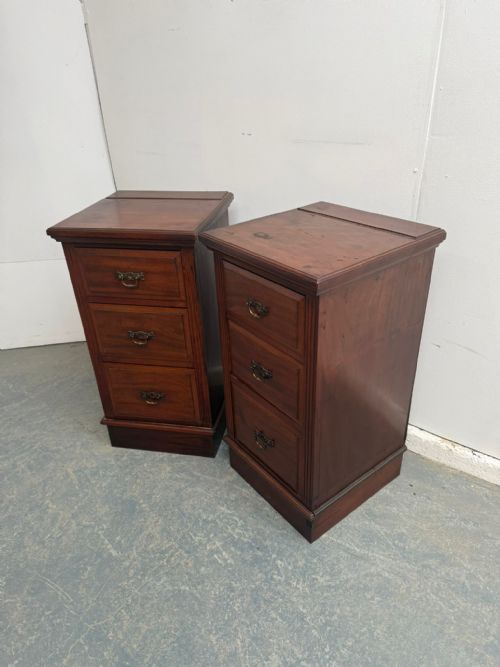
These vintage mahogany nightstands bring traditional bedside storage and display surfaces into a room, spanning periods from the eighteenth century through the twentieth.
Vintage Mahogany Nightstands
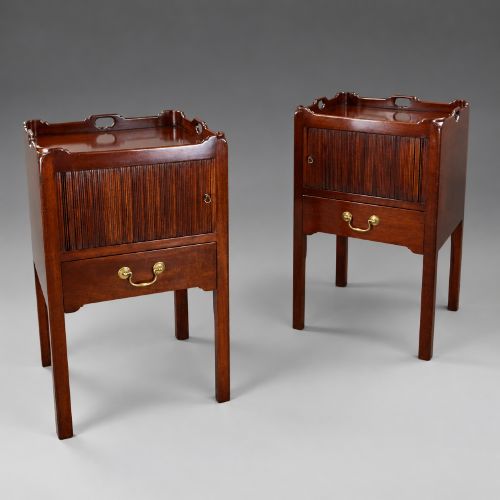
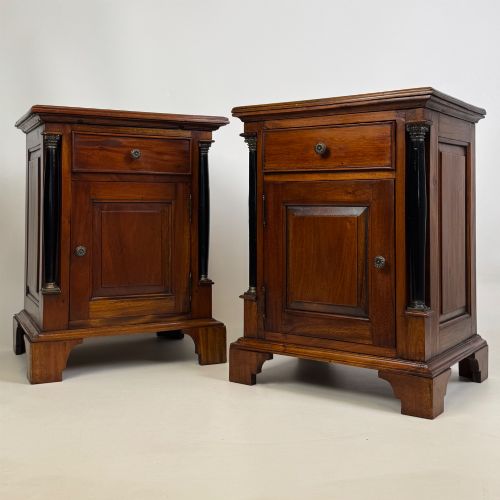
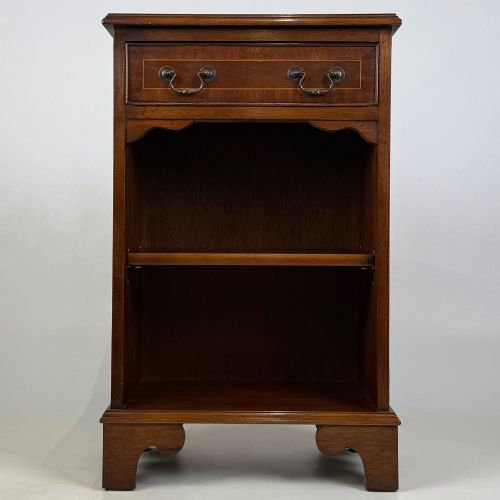
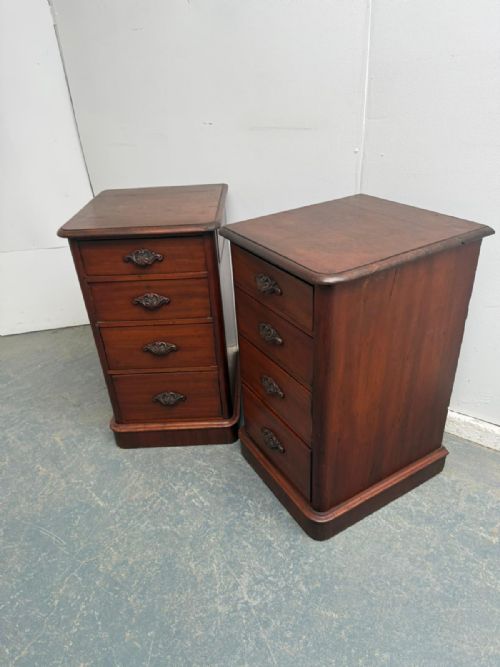
Vintage mahogany nightstands encompass a range of bedside tables, cabinets, chests, and cupboards designed for domestic sleeping quarters. Buyers seeking this phrase find forms originating across multiple eras, including Georgian, Victorian, Edwardian, and the early twentieth century.
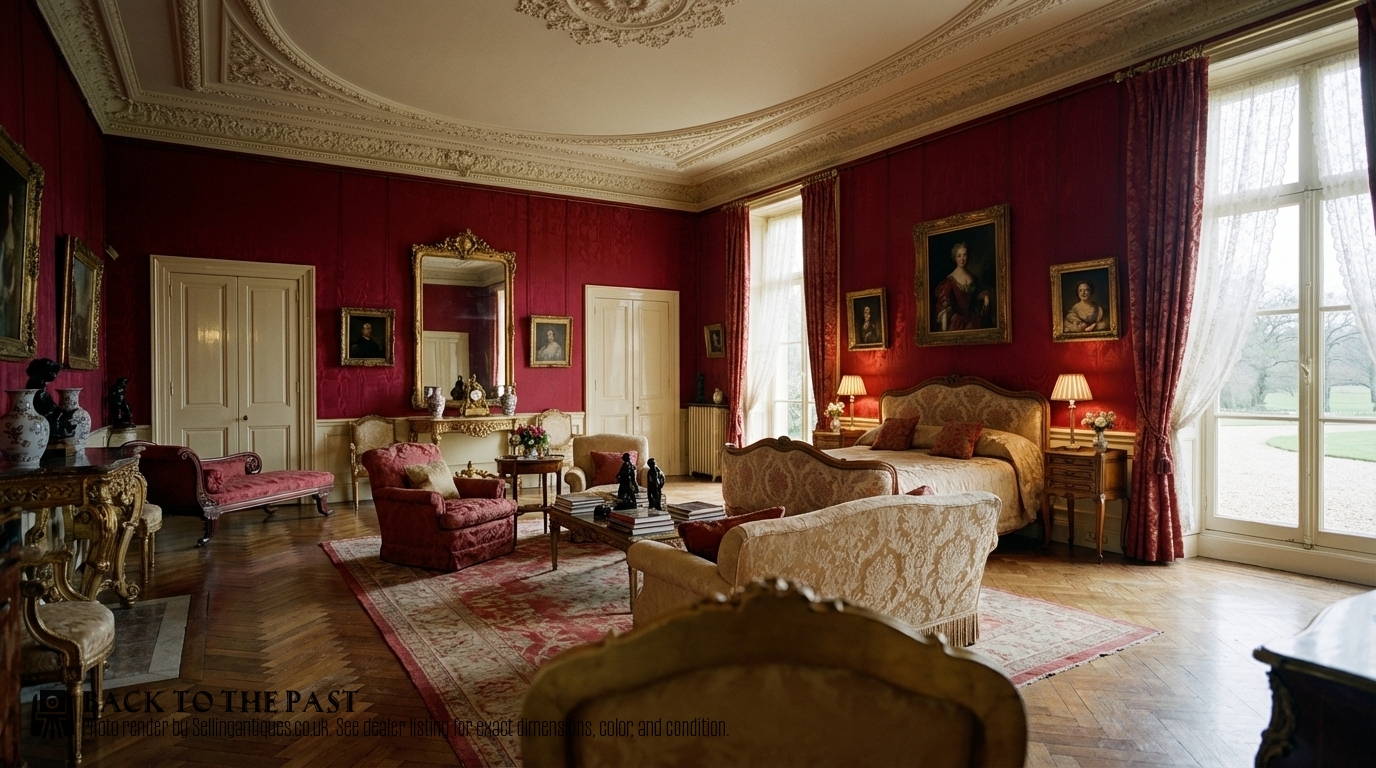
How they were made
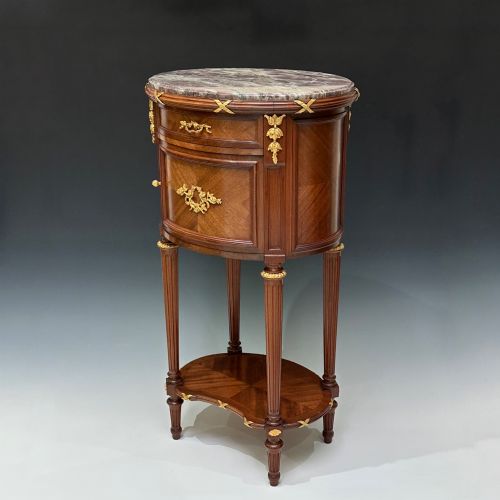
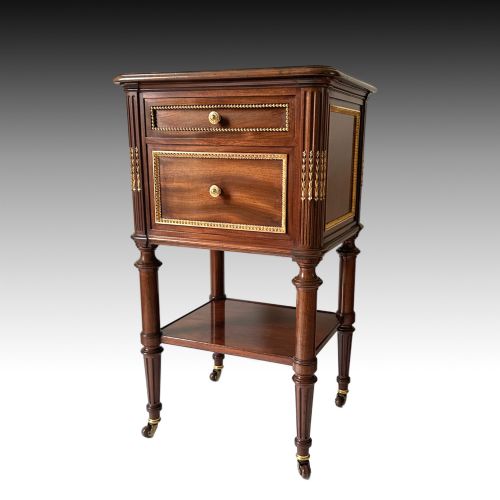
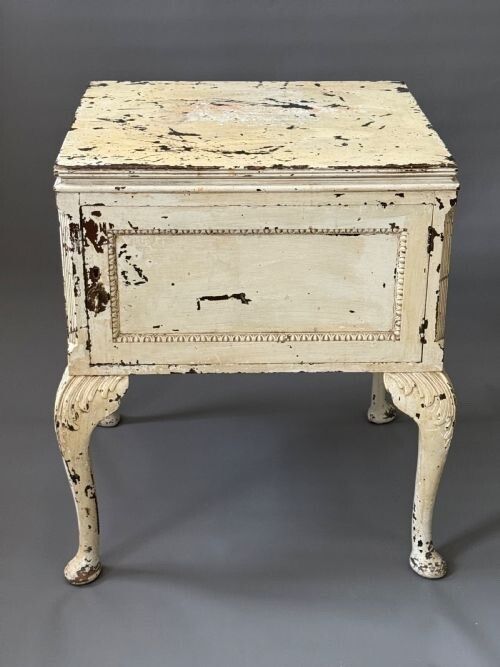
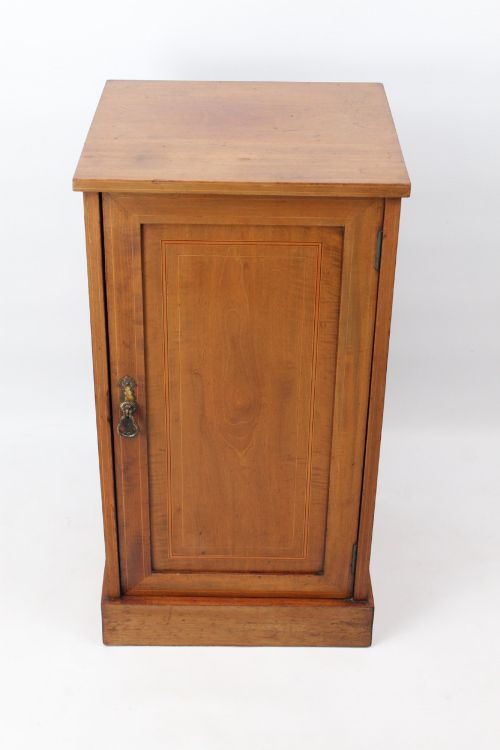
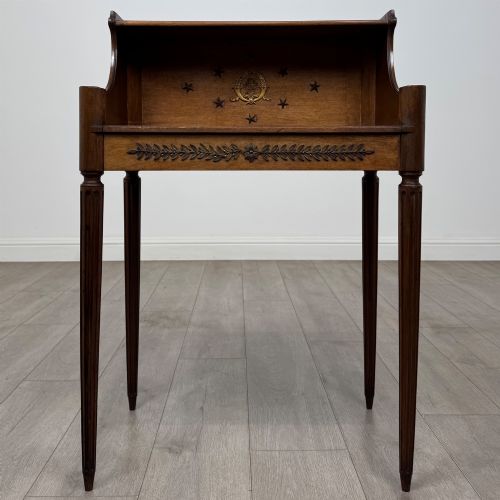
Makers utilised solid mahogany and mahogany veneers as the primary timber, frequently pairing the warm brown grain with contrasting secondary woods such as satinwood, boxwood, and brass hardware. Certain French and revival pieces incorporate marble tops, ormolu mounts, and painted decoration to enrich the surface.
Construction methods range from traditional cabinet-making with dovetailed drawers in eighteenth and nineteenth-century workshops to Edwardian inlaid work and twentieth-century production. Waxed finishes remain common on English Georgian and Victorian chests, preserving the natural tone of the timber.
Vintage Mahogany Nightstands Retail Price Guide 2026
Typical asking prices for vintage mahogany nightstands among the pieces listed under this phrase on Sellingantiques today, from the lower quarter to the upper quarter. They describe what is for sale here now, not the wider market.
Listings span Georgian, Victorian, and Edwardian eras, incorporating materials such as marble, brass, ormolu, and satinwood alongside solid mahogany.
What varies in quality
Quality separates through the selection of timber and the precision of decorative elements such as brass handles, stringing, and Ormolu mounts. Pieces featuring matched grain patterns and refined proportions sit at the upper end of the range.
Execution of period details, from Georgian style mouldings to Edwardian marquetry and inlay, dictates the distinction between standard production items and finer cabinet work.
François Linke
The Vintage Mahogany Nightstands Glossary
- Mahogany
- A durable tropical hardwood prized for its deep reddish-brown colour and stable grain, used extensively in cabinet-making across the eighteenth and nineteenth centuries.
- Ormolu
- Gilded bronze or brass applied as decorative mounts and feet on French and revival furniture, adding metallic contrast to the timber surface.
- Satinwood
- A luminous yellowish wood utilised for contrasting stringing, banding, and marquetry inlay on Edwardian and Georgian pieces.
- Serpentine
- A gently undulating curved front shape seen on drawers and cabinets, requiring specialist carpentry to execute cleanly.
- Pot cupboard
- An enclosed bedside cabinet originally designed to house a chamber pot, now repurposed as a standard nightstand.
Vintage Mahogany Nightstands: Frequently Asked Questions
What is a pot cupboard night stand?
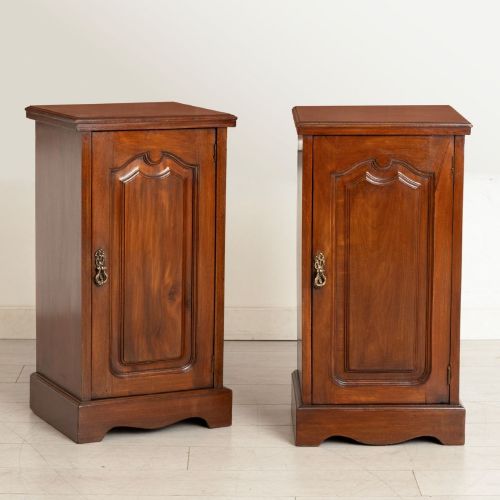
A pot cupboard night stand is an enclosed bedside cabinet with a door, historically built to hold a chamber pot beneath a surface meant for a lamp or jug.
Today, these compact cupboards function as bedside storage for books and personal items while concealing the interior space.
How do I identify an Edwardian nightstand?
Edwardian nightstands date from roughly the start of the twentieth century up to the First World War, often displaying lighter proportions and delicate satinwood or boxwood inlay.
They frequently appear as small cabinets or tables in mahogany, reflecting the refined domestic taste of the period.
Are pairs of nightstands common?
Pairs of matching nightstands appear across several periods, including Edwardian and Georgian revival groups, though many older pieces survive singly.
Matched or near pairs offer symmetry for placement on either side of a bed.
What materials are used besides mahogany?
While mahogany forms the primary structure of these nightstands, makers incorporated brass handles, marble tops, glass, and metal mounts.
Inlay work frequently introduces contrasting light woods like satinwood and boxwood into the darker mahogany surfaces.