
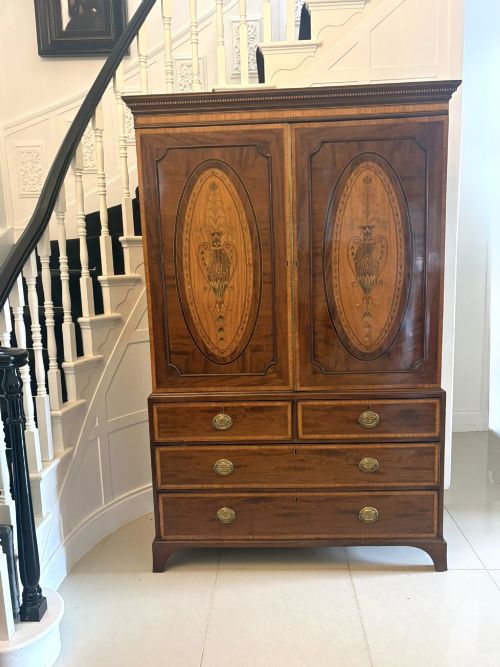
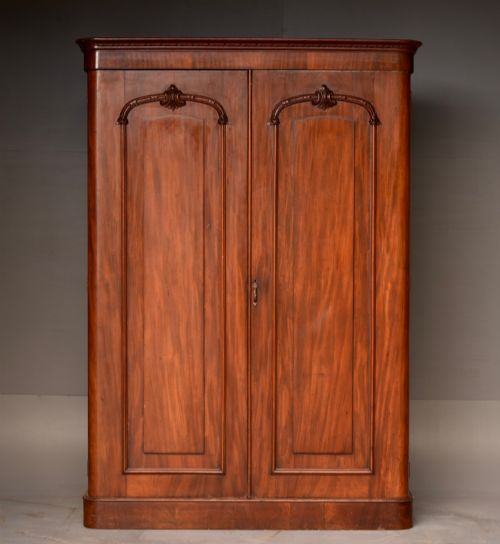
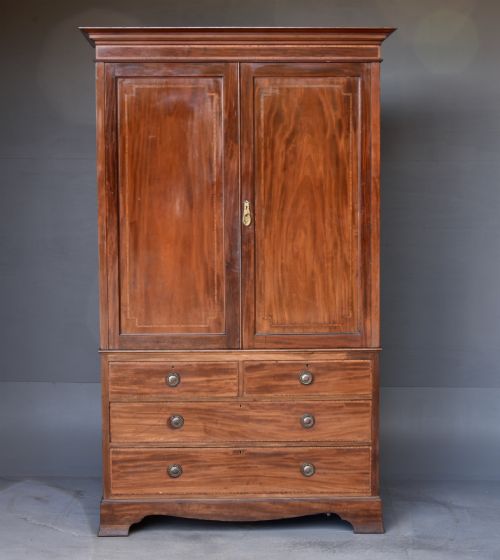

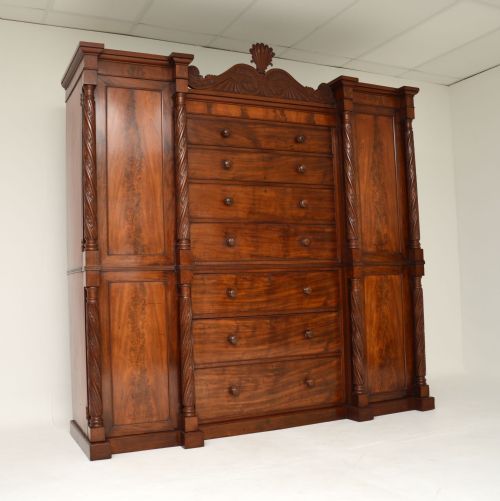
Antique Bedroom Cupboards
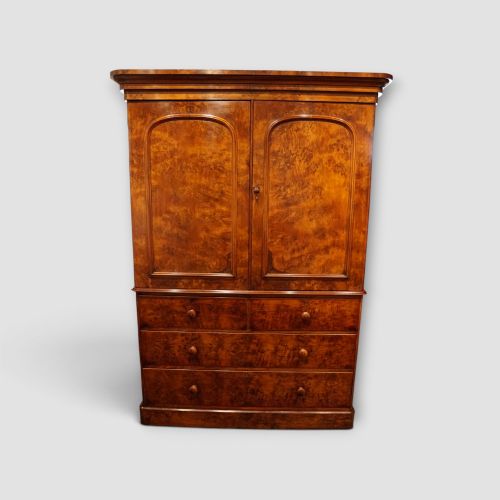
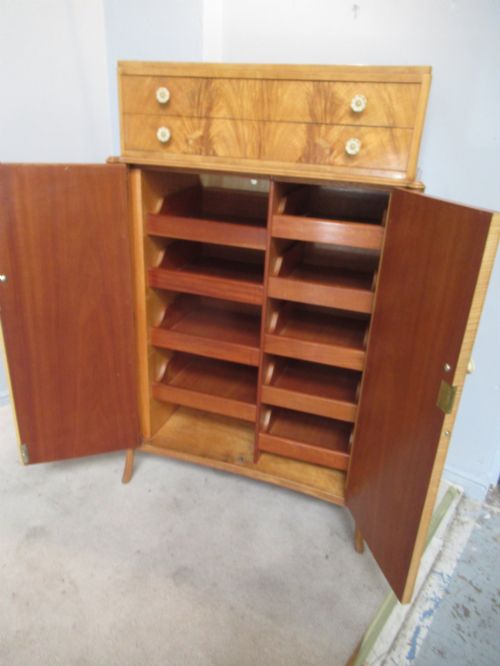
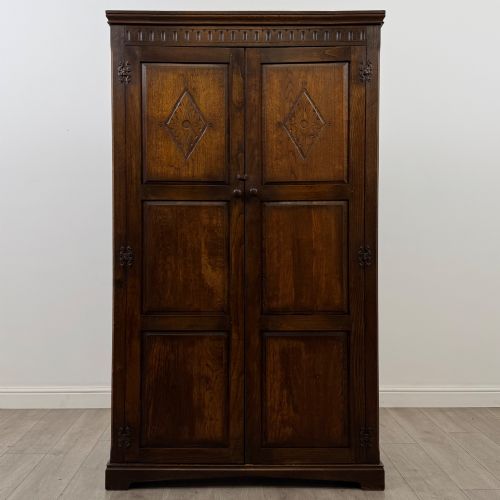
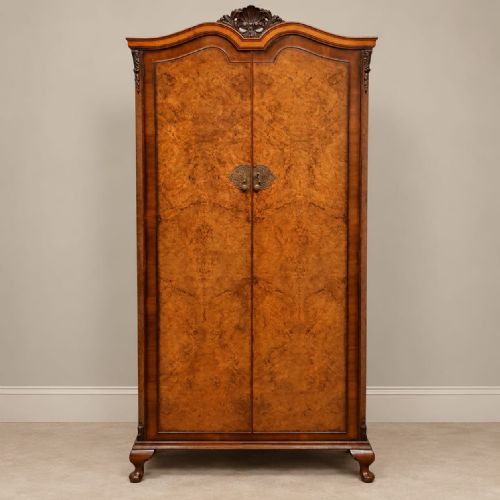
Antique bedroom cupboards are practical bedside pieces in mahogany that add period character to a room.
What antique bedroom cupboards are
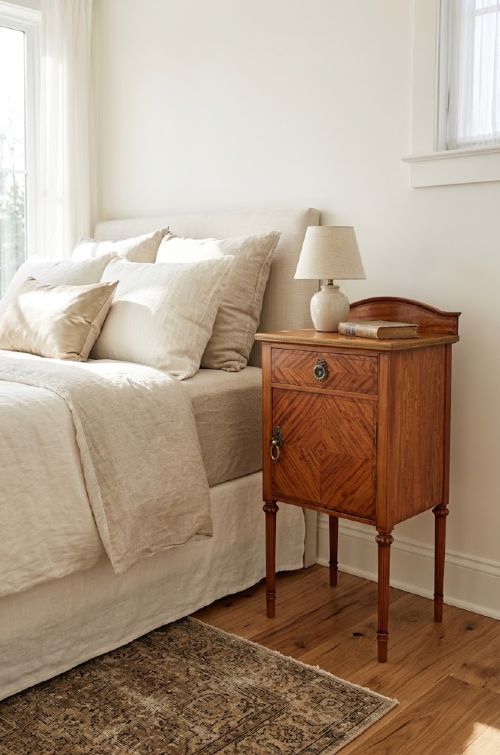
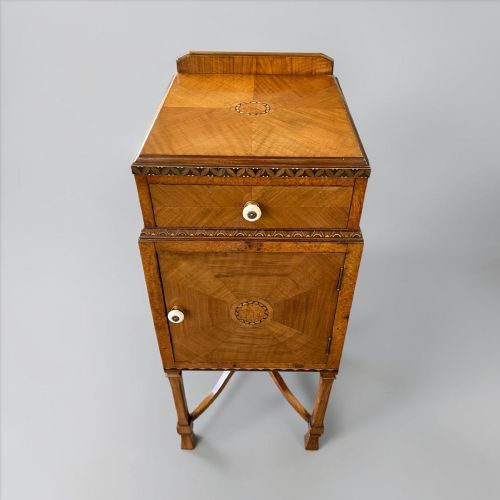
When you search for antique bedroom cupboards, you find practical bedside pieces designed to sit beside a bed. The selection includes bedside cabinets and bedside tables dating from the eighteenth century to the Edwardian period.
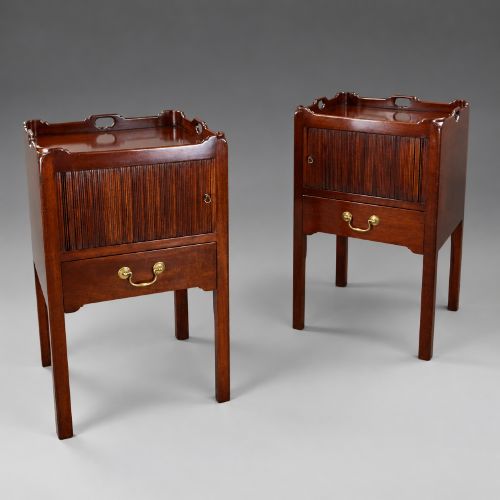
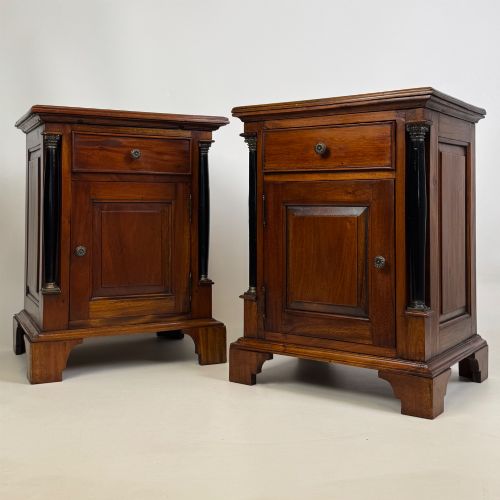
You are most likely to meet pairs of mahogany bedside cabinets on this page. These pieces date from the George III period through the Victorian and Edwardian eras, showing consistent forms in traditional timber.
How they were made
These items are constructed from mahogany, sometimes featuring wood inlay for surface decoration. Cabinetmakers utilised traditional joinery methods to build sturdy carcasses for daily domestic use.
Functional metal hardware such as brass fittings completes the construction of these bedroom pieces. The combination of dense timber and brass components ensures durability across the centuries.
Retail Price Guide 2026
Typical UK retail prices for bedroom cupboards, calculated from the Sellingantiques database of over a million retail prices indexed since 2003. This retail price guide relies exclusively on Sellingantiques data; no external sources or auction records are used, so the figures do not describe the wider market.
The listings span the eighteenth century, the nineteenth century, 1880, and the Edwardian period.
What varies in quality
The distinction between standard examples and finer pieces lies in the precision of the cabinetwork and the choice of mahogany figure. Superior items display well-matched timber grains and refined proportions that suit domestic spaces.
Subtle decorative elements such as clean wood inlay and original brass work elevate certain pieces above simpler utility items. The integration of functional storage with elegant lines defines the upper tier of these bedroom cabinets.
The Antique Bedroom Cupboards Glossary
- Mahogany
- A durable tropical hardwood prized for its rich reddish-brown colour and fine grain. Cabinetmakers relied on it heavily for formal furniture throughout the eighteenth and nineteenth centuries.
- Wood inlay
- Pieces of contrasting timber fitted into a depressed surface to form a decorative pattern. This technique enhances the visual appeal of drawer fronts and top surfaces.
- George III
- The stylistic period spanning the reign of George III from 1760 to 1820. Furniture from this era is characterised by classical proportions and restrained ornament.
- Edwardian
- The period covering the reign of King Edward VII from 1901 to 1910. Pieces from this time often lighter in scale while drawing inspiration from earlier Georgian designs.
Frequently Asked Questions
What are antique bedroom cupboards used for?
These pieces serve as bedside tables and cabinets positioned next to a bed for convenient storage. They hold nighttime essentials and personal items within easy reach.
Historically, they provided enclosed space for chamber pots or night storage before modern plumbing became standard in bedrooms.
How do I date an antique bedside cabinet?
Dating relies on observing the timber species, construction methods, and stylistic cues present in the piece. George III examples show classical restraint, whilst Victorian and Edwardian pieces vary in scale and inlay.
Examining the drawer construction and interior secondary woods also helps narrow down the period of manufacture.
Are these cupboards usually sold in pairs?
Many examples on this page appear as matched pairs intended to flank a double bed symmetrically. Pairs offer a balanced arrangement for master bedrooms and guest rooms.
Single items also occur, which work well as standalone side tables in smaller spaces.
How do I care for mahogany bedroom furniture?
Mahogany requires basic maintenance using a soft dry cloth to remove dust regularly. Avoiding direct sunlight and extreme temperature changes protects the polished surface.
Applying a traditional beeswax polish occasionally helps nourish the timber and maintain its natural lustre.