

Brown Wooden Nightstands
Brown wooden nightstands are sturdy bedside companions made from timber, bringing practical surface space and enclosed storage to the bedroom.
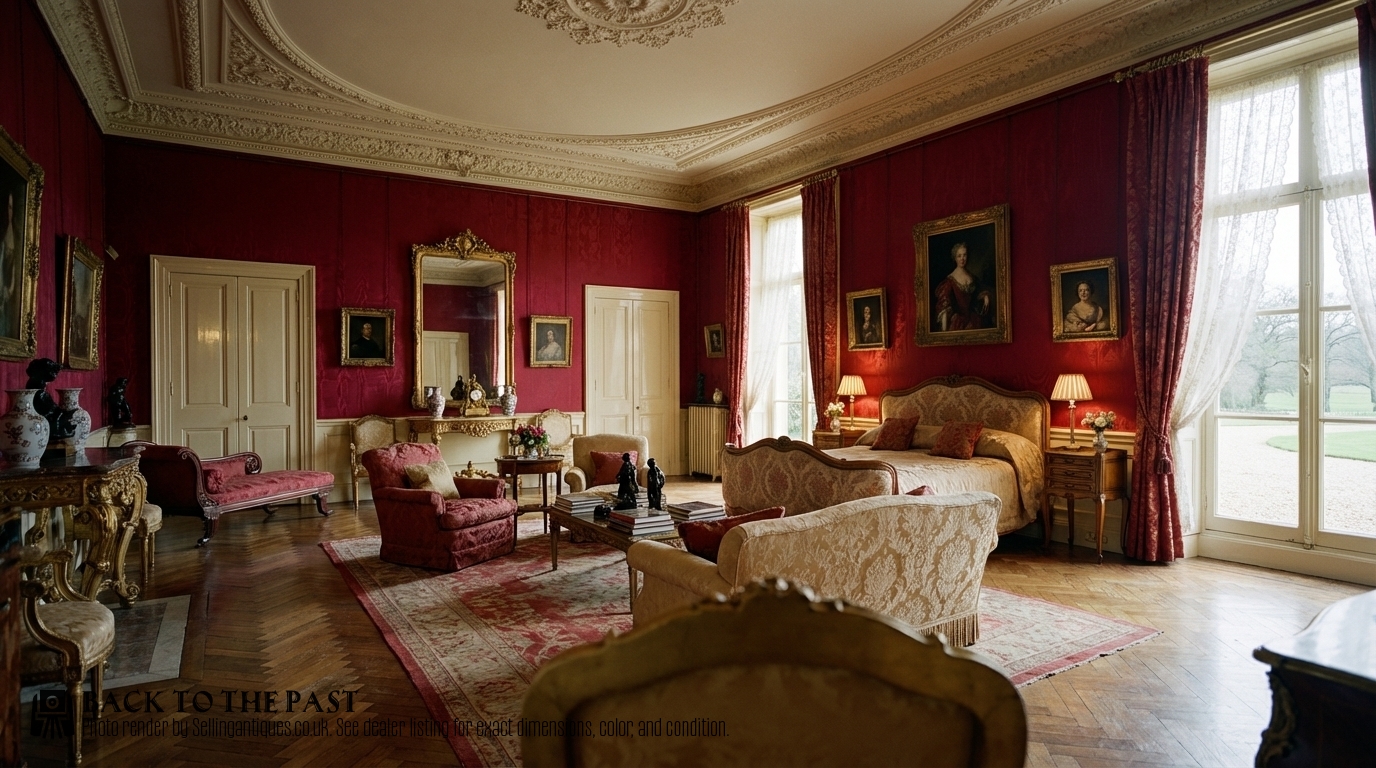
Brown Wooden Nightstands
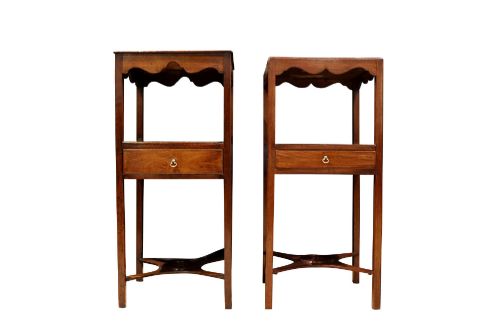
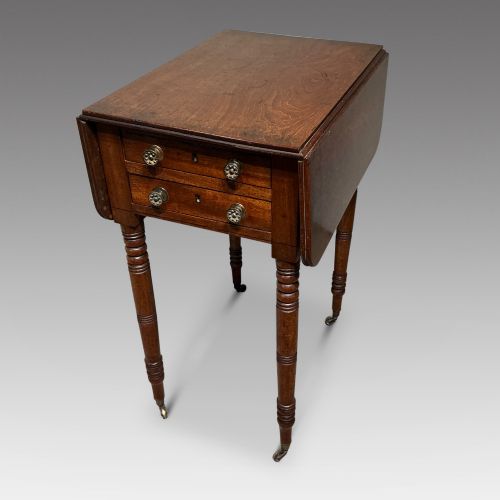
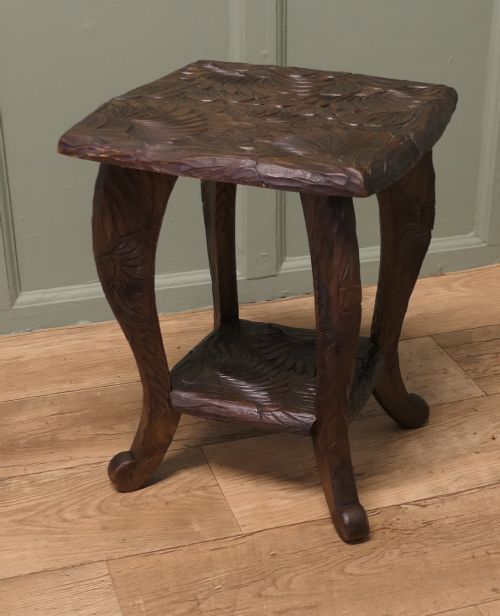
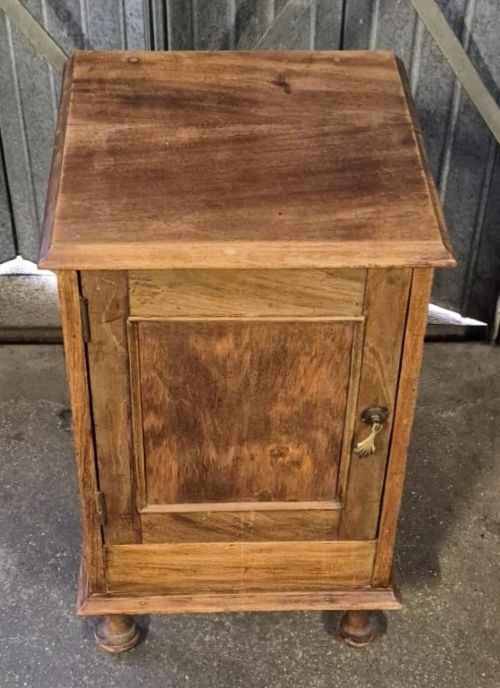
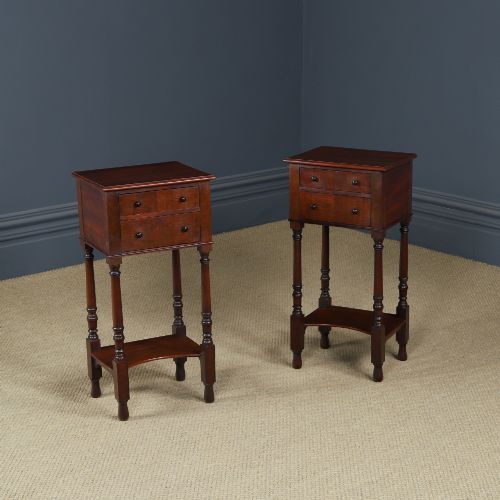
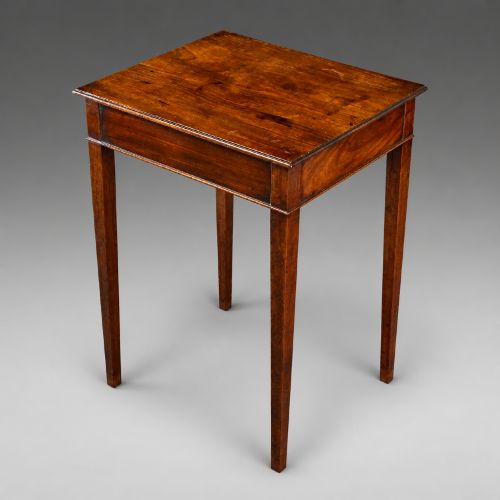
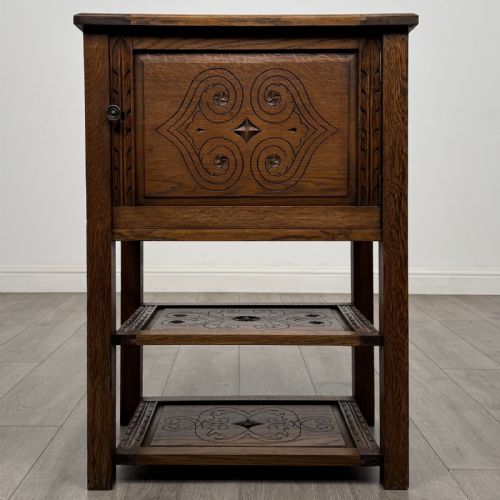
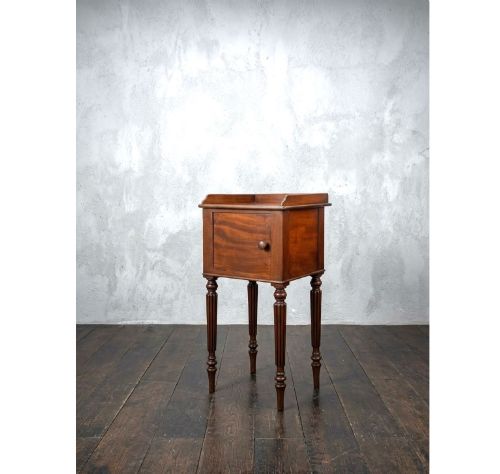
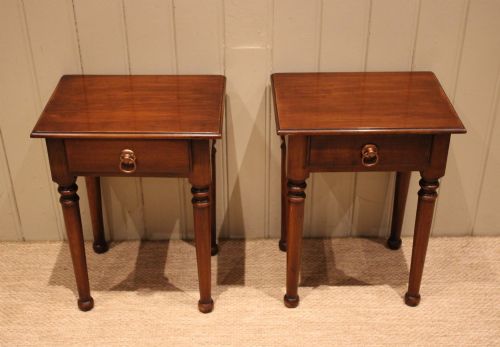
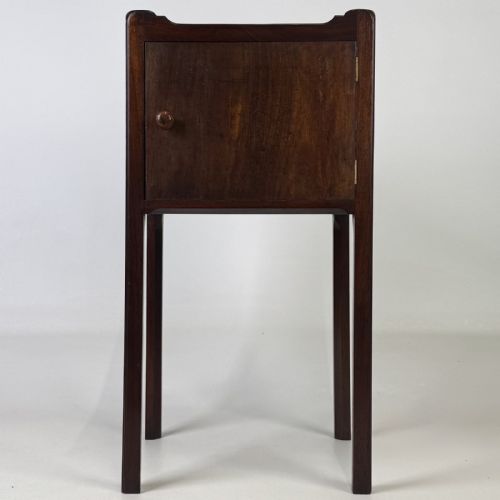
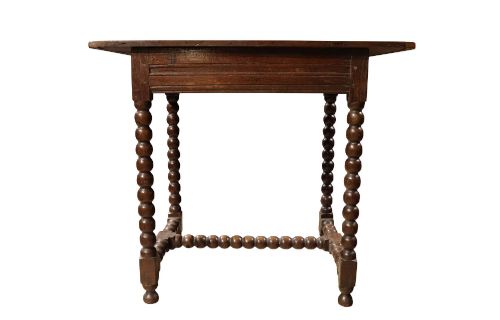
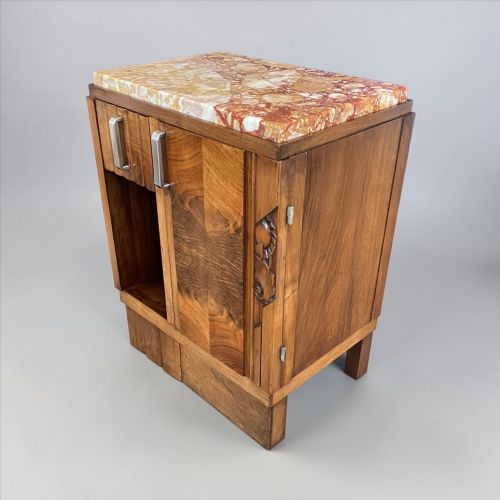
When buyers search for brown wooden nightstands, they encounter bedside tables and cabinets originating from periods such as the Georgian, Victorian, Edwardian, and the early twentieth century. These pieces primarily take the form of compact chests, lamp tables, and pot cupboards designed to sit beside a bed.
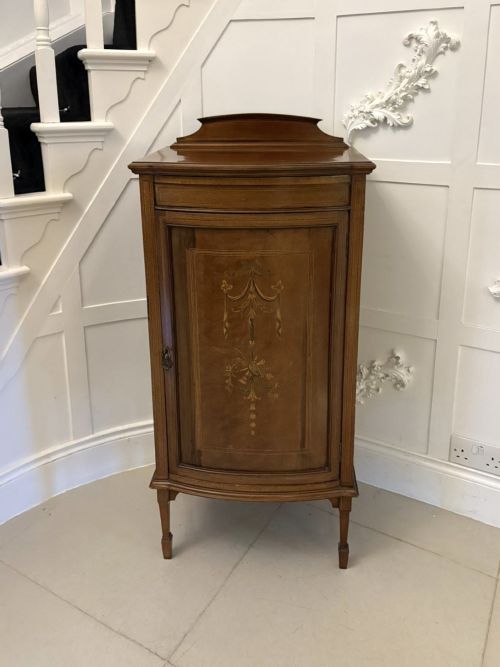
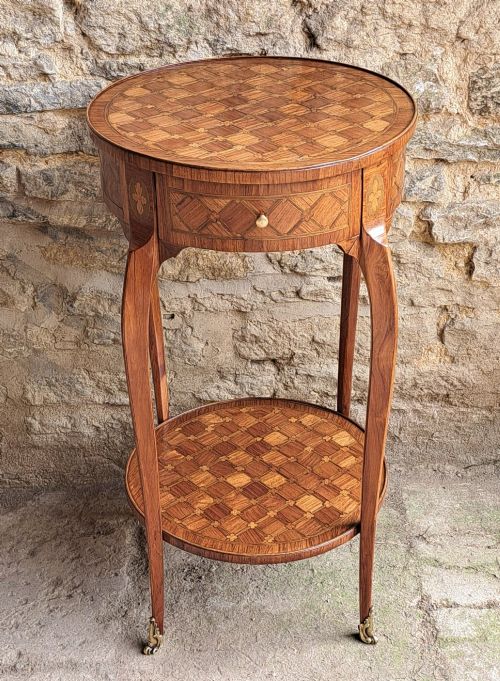
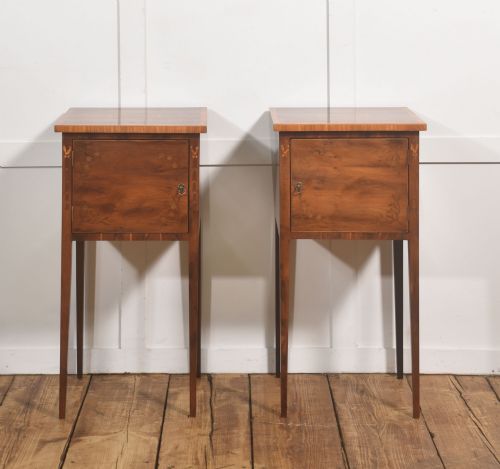
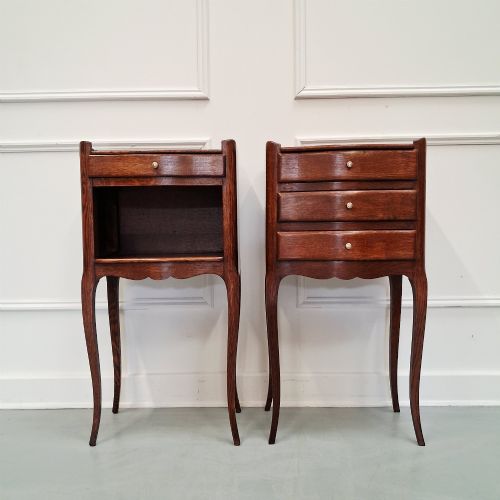
The versions most frequently met on this page are matched pairs constructed from mahogany, often featuring useful drawers, cupboards, or bow fronts. They span diverse stylistic interpretations, ranging from plain functional forms to George III designs and Louis XV Revival influences.
Originating across the nineteenth and twentieth centuries, these brown wooden nightstands reflect the changing domestic requirements for bedside storage over successive eras. Each piece provides a functional surface for lighting and nighttime essentials while displaying the character of traditional timber furniture.
How they were made
These brown wooden nightstands are built predominantly from mahogany, supplemented by decorative additions of boxwood, walnut, and kingwood veneers. Cabinetmakers shaped solid timber and applied fine inlays to create structured forms with enduring stability.
Hardware details such as brass fittings and functional leather inserts appear alongside hinged doors and sliding drawers. Construction techniques rely on traditional joinery to unite the timber panels and support daily use.
Brown Wooden Nightstands Retail Price Guide 2026
Typical asking prices for brown wooden nightstands among the pieces listed under this phrase on Sellingantiques today, from the lower quarter to the upper quarter. They describe what is for sale here now, not the wider market.
Pot cupboards happily hide midnight secrets behind polite little wooden doors.
What varies in quality
The distinction between standard examples and the finest brown wooden nightstands lies in the selection of timber and the precision of decorative inlays. Superior pieces display carefully matched grain patterns and refined boxwood stringing rather than plain, unadorned surfaces.
Hardware choice and structural finesse dictate the upper tier of the range, where original brass elements and tightly fitted bow fronts demonstrate superior craftsmanship. Lesser examples rely on simpler construction without the nuanced detailing found in George III or revival pieces.
The Brown Wooden Nightstands Glossary
- Mahogany
- A durable reddish-brown tropical hardwood commonly utilised for furniture framing and decorative veneers throughout the eighteenth and nineteenth centuries.
- Bow front
- A convex curved furniture front that projects outward in a smooth arc, frequently seen on Georgian and later chests.
- Pot cupboard
- A small bedside cabinet historically designed to enclose a chamber pot, now repurposed as a standard nightstand.
- Inlay
- A decorative technique where contrasting materials like boxwood are set into the surface of the primary wood to form patterns.
- Edwardian
- A stylistic period spanning the reign of Edward VII, known for lighter proportions and revivals of earlier eighteenth-century designs.
Brown Wooden Nightstands: Frequently Asked Questions
How were pot cupboards used?
Pot cupboards originally served as enclosed bedside cabinets designed to discreetly house a chamber pot behind a small door.
Today, buyers utilise them as standard nightstands for storing books, lamps, and personal items beside the bed.
How do I identify a Victorian nightstand?
Victorian nightstands often feature solid mahogany construction, sometimes arranged as small chests of drawers or simple bedside cabinets.
They reflect the heavier proportions and practical domestic requirements typical of the nineteenth century.
Are these bedside tables sold as pairs?
The selection includes multiple matched pairs of bedside chests, cabinets, and lamp tables intended to flank a bed symmetrically.
These paired sets share identical timber grains, periods, and decorative details from their original workshops.