

Vintage Bedside Pedestals
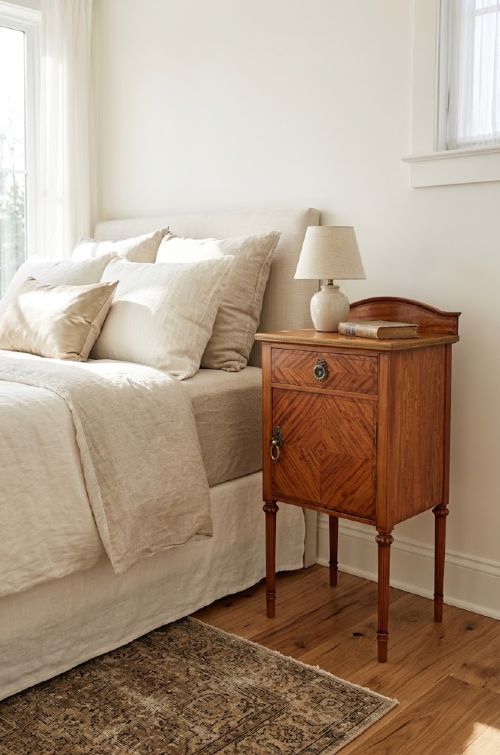
Vintage bedside pedestals are compact bedroom storage pieces that bring period character and practical surface space beside a bed.

Vintage Bedside Pedestals
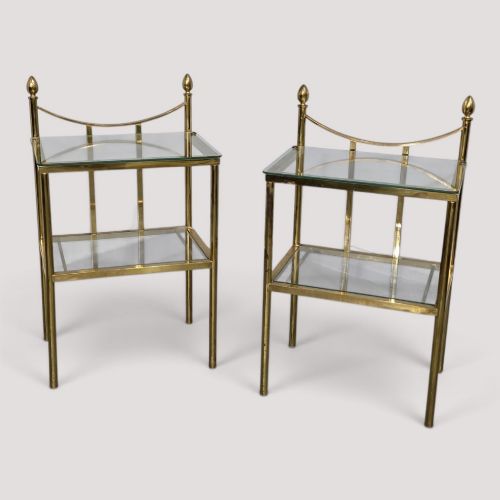
Vintage bedside pedestals encompass a variety of small storage and display pieces designed to sit beside a bed. These include bedside cabinets, nightstands, and small chests dating from the nineteenth and twentieth centuries.
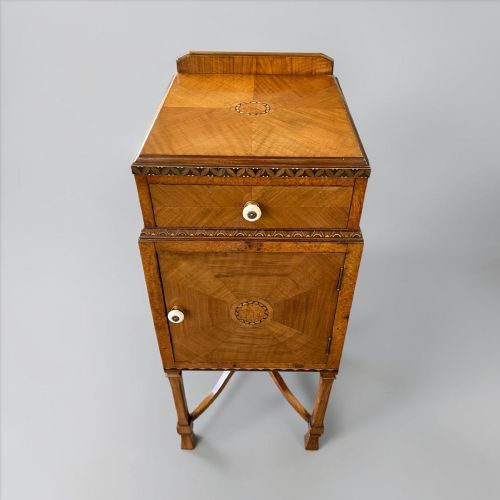
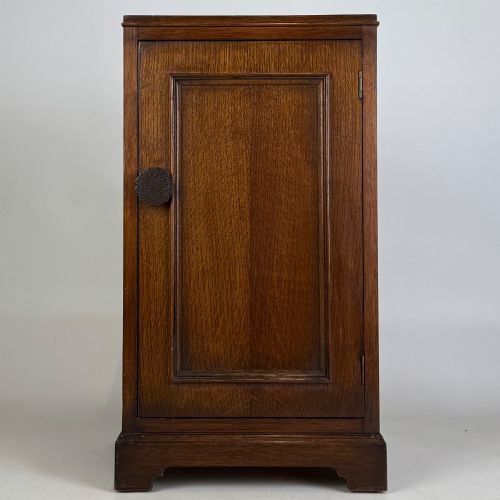
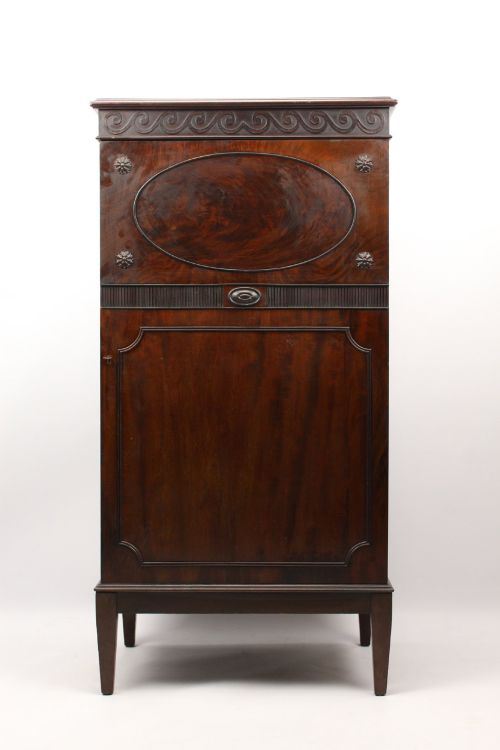
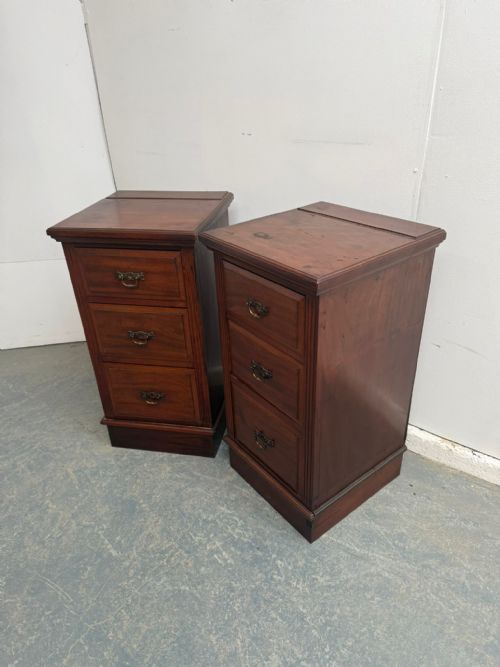
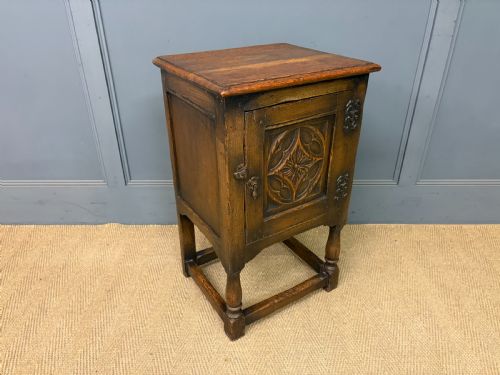
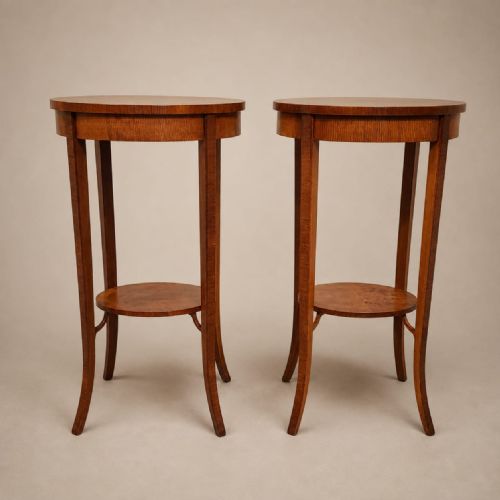
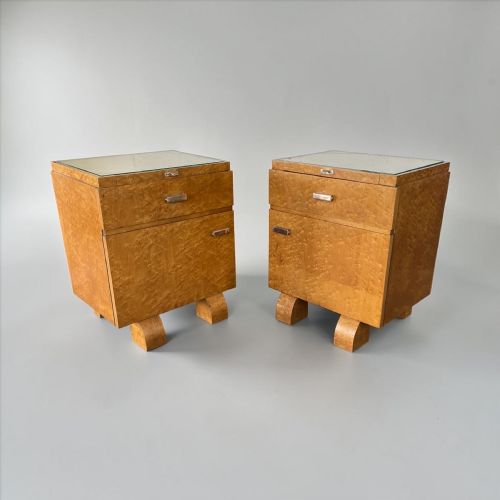
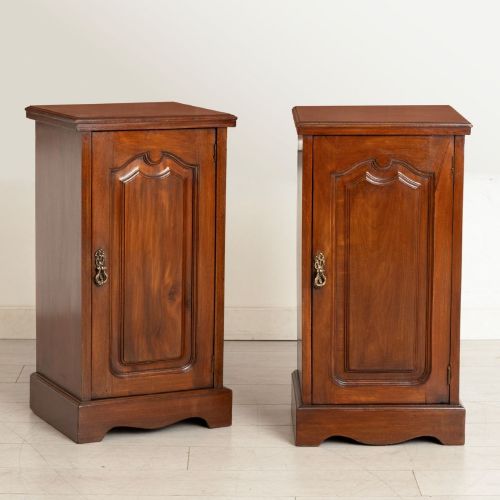
The selections available here range from simple oak cupboards to refined satinwood and burr walnut cabinets. Buyers frequently encounter Edwardian and Victorian mahogany designs alongside Art Deco walnut examples.
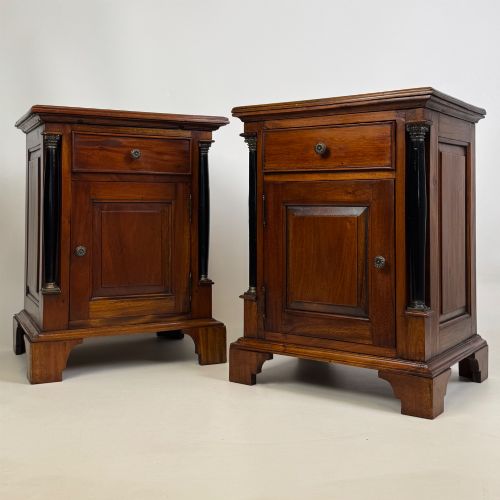
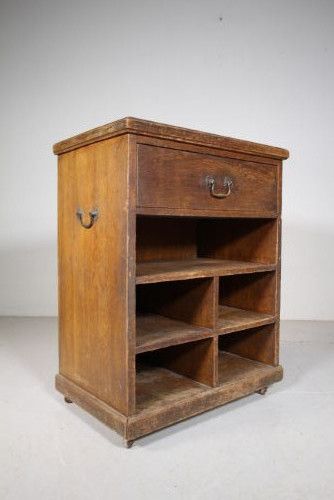
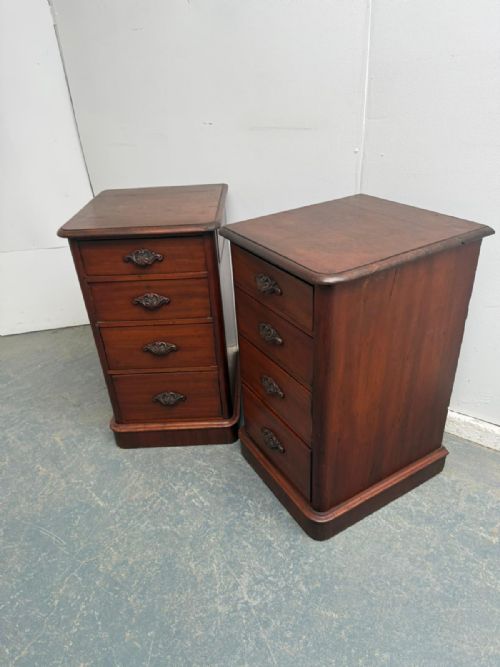
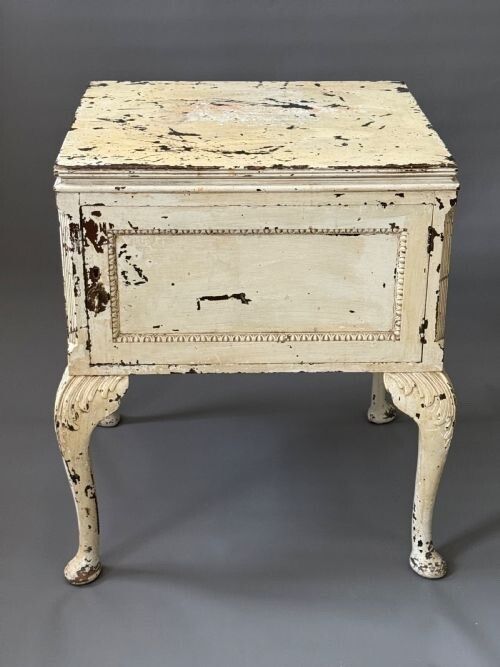
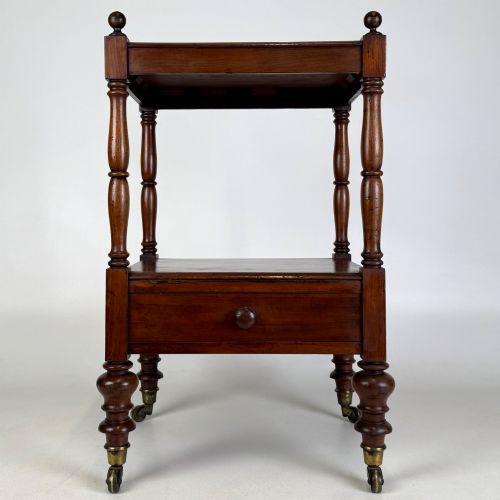
Makers and workshops of these periods produced both single cupboards and balanced pairs to flank larger beds. Forms span from enclosed pedestal cupboards with panelled doors to open lamp tables and multi-drawer chests.
Evaluating Quality and Craftsmanship
Quality rests upon the selection of timber veneers and the precision of the underlying cabinetwork. Finer examples display carefully matched wood grain across drawer fronts and doors, whereas simpler pieces rely on plain solid boards.
The integrity of the original hardware, hinges, and internal shelving dictates the overall standard of preservation. Pieces retaining stamped maker marks or specialist retail stamps demonstrate documented workshop origin.
Vintage Bedside Pedestals Retail Price Guide 2026
Typical asking prices for vintage bedside pedestals among the pieces listed under this phrase on Sellingantiques today, from the lower quarter to the upper quarter. They describe what is for sale here now, not the wider market.
Several cabinets retain their original brass handles, ready to hold bedtime reading from a century ago.
Denby and Spinks·Walter Carter Harrods·Morant and Co London
The Vintage Bedside Pedestals Glossary
- Pedestal cupboard
- A freestanding enclosed cabinet featuring a single door opening to reveal internal storage space. These units elevate the storage surface to a convenient height beside a bed frame.
- Nightstand
- A small occasional table or cabinet placed beside a bed to hold a lamp and personal items. This term often encompasses both open tables and enclosed cupboards.
- Burr walnut
- A prized wood veneer harvested from the gnarled growth knots of walnut trees. It yields complex, swirling grain patterns highly favoured in cabinetmaking.
- Satinwood
- A pale, durable tropical timber yielding a natural golden sheen and smooth finish. It was frequently utilised in decorative Edwardian and Georgian furniture.
- Inlaid
- The technique of embedding contrasting strips of wood or other materials into the surface of a piece to create decorative patterns.
Vintage Bedside Pedestals: Frequently Asked Questions
What is a bedside pedestal?
A bedside pedestal is a small piece of furniture designed to stand next to a bed for convenient storage and surface space. They typically take the form of enclosed cupboards or small drawer chests.
Historically constructed from timbers like mahogany, oak, and walnut, these items match the prevailing style of their respective eras from the Victorian period through to Art Deco.
How do I identify an Edwardian bedside cabinet?
Edwardian bedside cabinets often feature lighter woods such as satinwood, subtle string inlay, and refined proportions. They reflect the neoclassical revival tastes popular at the start of the twentieth century.
Construction during this era frequently utilised mahogany or inlaid walnut, often built as matching pairs to accommodate twin or double beds.
Are these pieces sold as pairs?
Many listings feature balanced pairs of bedside cabinets designed to sit symmetrically on either side of a bed. Single pedestals also appear frequently for smaller bedrooms or asymmetric arrangements.
Matching pairs are particularly common in Edwardian and Art Deco groupings, offering uniform height and timber grain.
How should I care for a vintage wooden cabinet?
Maintain vintage wood furniture by keeping it away from direct heat sources and strong sunlight to prevent timber warping and veneer cracking. Regular dusting with a soft, dry cloth preserves the polished finish.
Avoid using silicone-based polishes and instead use traditional wax periodically to nourish hardwoods like mahogany and walnut.