


1930s Bedside Cupboards
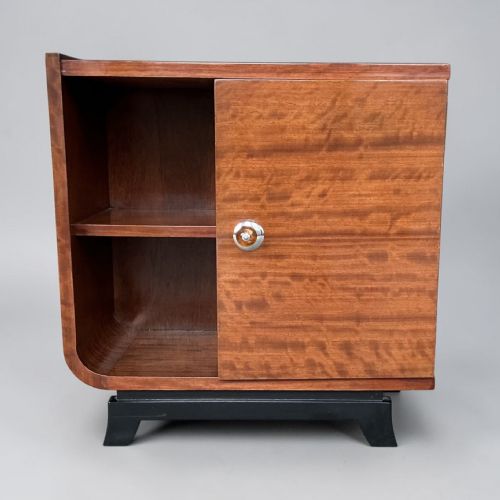
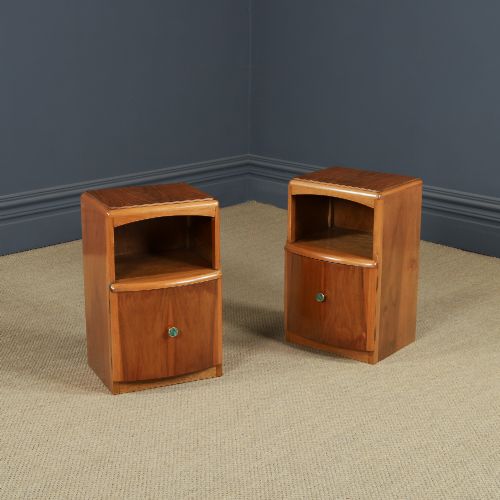
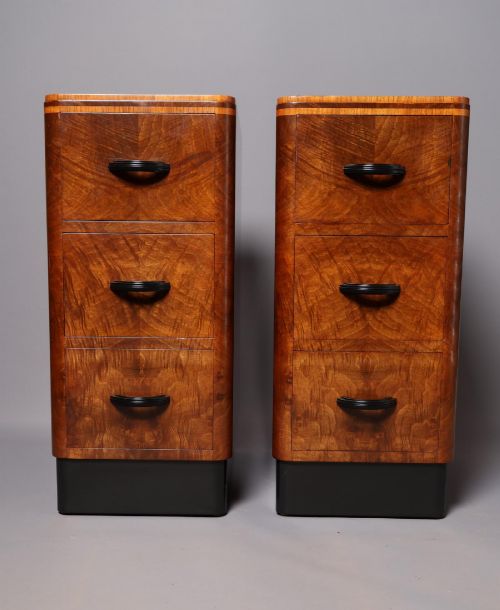
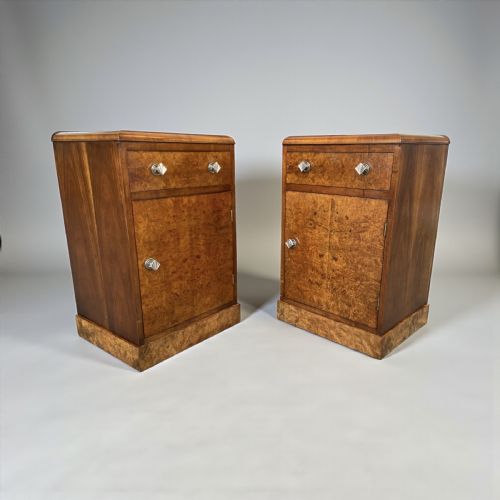
These 1930s bedside cupboards are practical Art Deco pieces offering compact bedside storage that collectors and interior decorators seek out for period bedrooms.

What 1930s bedside cupboards are
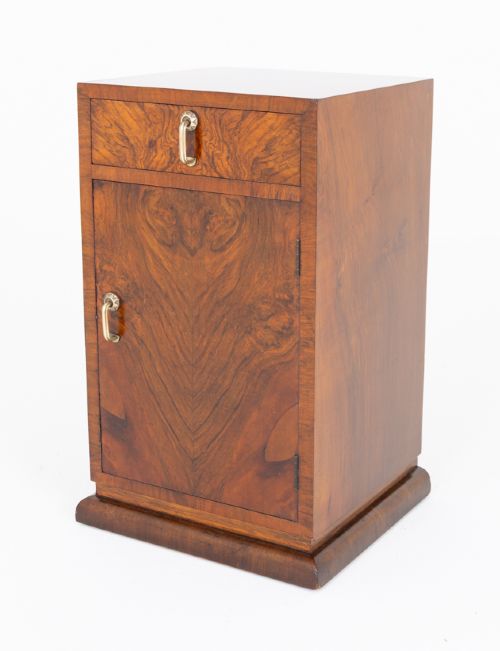
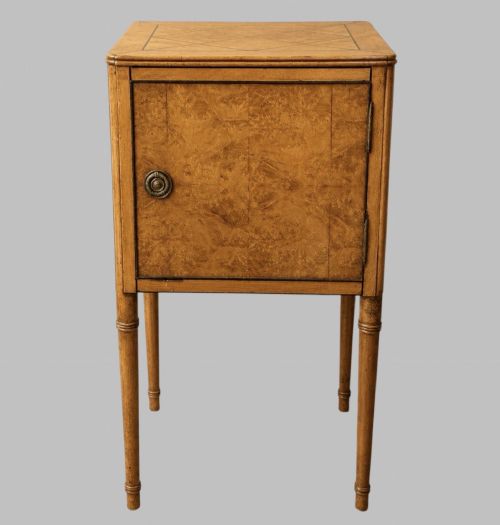
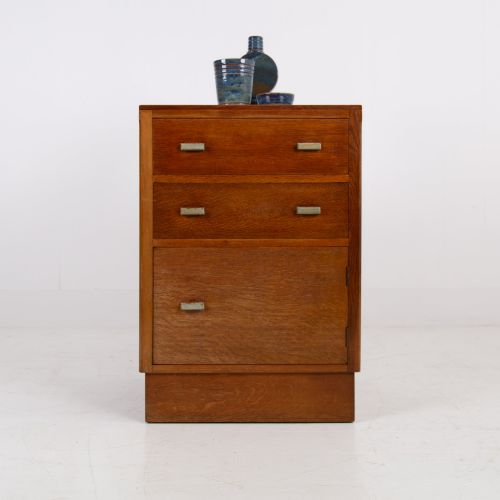
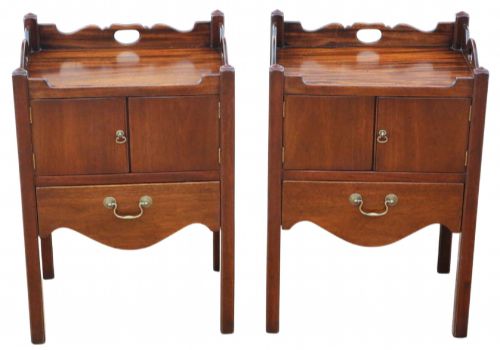
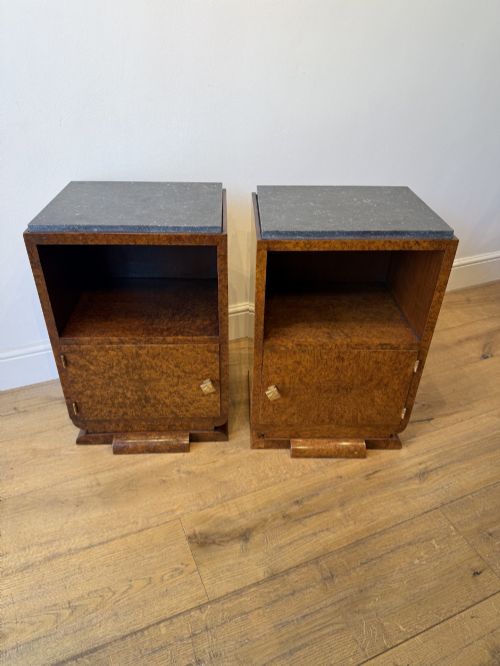
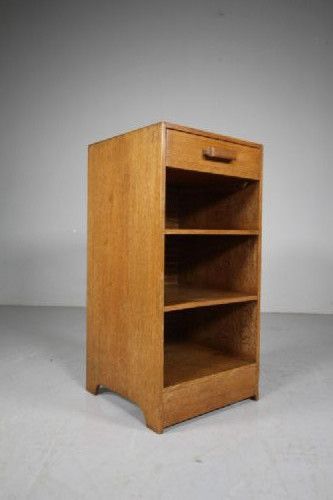
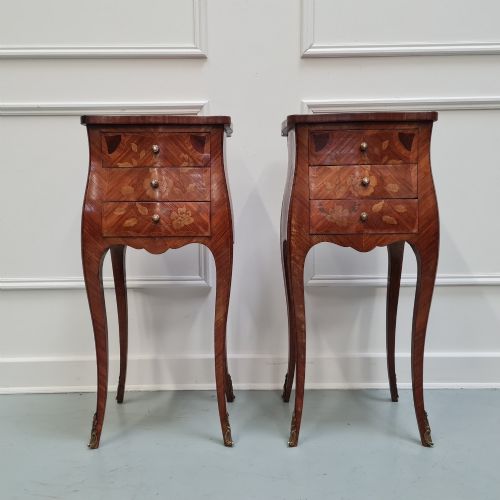
When you search for 1930s bedside cupboards, you find practical bedside furniture designed to hold night-time essentials while complementing period bedroom schemes. The examples on this page primarily take the form of bedside cabinets, night stands, pot cupboards, and lamp stand chests.
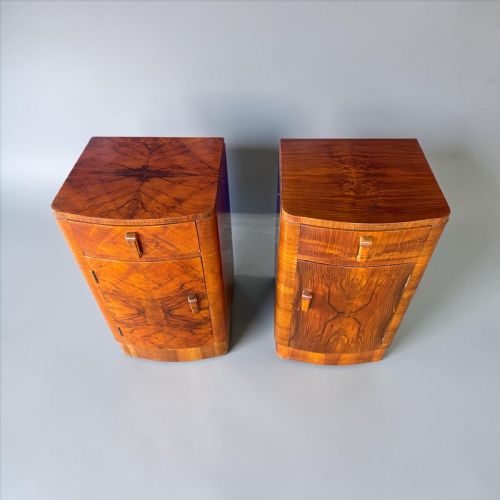
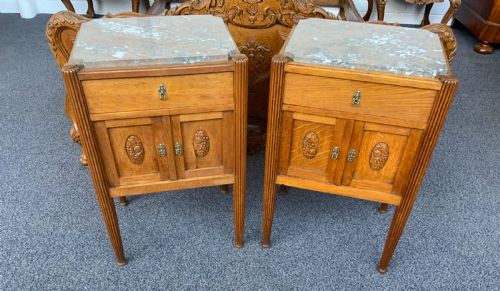
The objects listed span the 1920 and 1930 periods, showing the clear influence of the Art Deco style across different forms. Buyers frequently encounter matched pairs, which provide a balanced look on either side of a bed.
Origins represented in the evidence include English manufacture, reflecting the domestic production of the era. The pieces serve both functional storage roles and decorative display functions within the bedroom space.
How they were made
The construction of these items relies on timber and manufactured metal components, utilising wood as the primary structural material. Cabinet makers applied decorative wood veneers, including walnut veneer and birch veneer, over supportive core timbers.
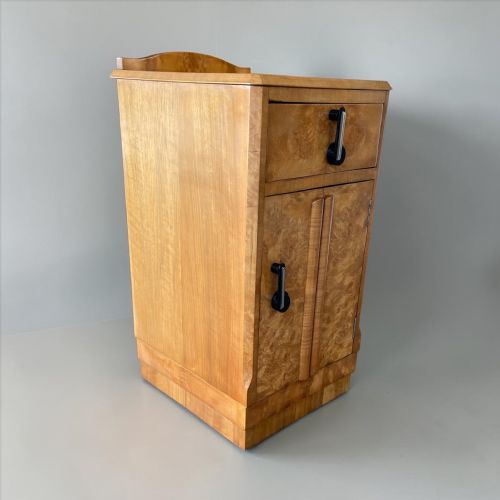
Specific timber choices extend to birds eye maple and satinwood, selected for their distinctive grain patterns and visual appeal on visible surfaces. Bakelite also appears among the materials, typically utilised for hardware or functional details.
Retail Price Guide 2026
Typical UK retail prices for 1930s bedside cupboards, calculated from the Sellingantiques database of over a million retail prices indexed since 2003. This retail price guide relies exclusively on Sellingantiques data; no external sources or auction records are used, so the figures do not describe the wider market.
Several cabinets double as pot cupboards, proving that 1930s bedside storage was prepared for literally anything the night might bring.
What varies in quality
Differences in quality depend on the choice of surface veneers and the precision of the cabinet work. Finer examples display carefully matched grain patterns across birds eye maple and walnut surfaces, creating a cohesive visual rhythm.
The sophistication of the Art Deco design handling separates standard utility items from more ambitious decorative pieces. Selection of contrasting timbers and the integration of materials like satinwood and Bakelite indicate the tier of the cabinet.
The 1930s Bedside Cupboards Glossary
- Art Deco
- A design style spanning the 1920s and 1930s characterised by geometric forms, stylised motifs, and sleek modern lines. It heavily influences the silhouette and ornamentation of these cabinets.
- Birds Eye Maple
- A figured timber exhibiting small, swirling knots resembling bird eyes in the grain. Cabinet makers prized this wood for its decorative veneer potential.
- Walnut Veneer
- A thin layer of walnut timber applied over a secondary wood base to provide a figured exterior surface. This technique allowed makers to display rich grain patterns economically.
- Pot Cupboard
- A traditional small bedside cabinet originally designed to house a chamber pot. The form evolved during the period into general bedside storage for books and personal items.
- Bakelite
- An early synthetic plastic material utilised for handles, knobs, and electrical components. Its dark, durable finish suits the modernist aesthetic of the decade.
Frequently Asked Questions
Are these cupboards sold as pairs?
Many of the listed items appear as matched pairs designed to sit symmetrically on both sides of a bed.
Single cabinets also occur, allowing flexibility for tighter bedroom layouts or mixed interior schemes.
What materials were used?
Construction incorporates wood structures finished with decorative veneers such as walnut, birch, and birds eye maple.
Additional materials include satinwood for contrast and Bakelite for hardware details.
Which period do they date from?
The pieces date predominantly from the 1930 period, with some examples tracing back to 1920.
All items share the distinctive geometric styling associated with the Art Deco movement.
How were they used?
These cabinets functioned as bedside storage for night-time necessities, lamps, and personal items.
Earlier forms like pot cupboards adapted easily into general lamp stands and night stands.