


Scandinavian Art Deco Furniture
Scandinavian art deco furniture brings clean lines and warm veneers together, offering functional elegance for modern interiors.
Scandinavian Art Deco Furniture
When you search for scandinavian art deco furniture, you encounter seating, storage and tables rooted in the early twentieth century. These pieces combine geometric form with native timber, capturing a distinct regional take on international modernism.
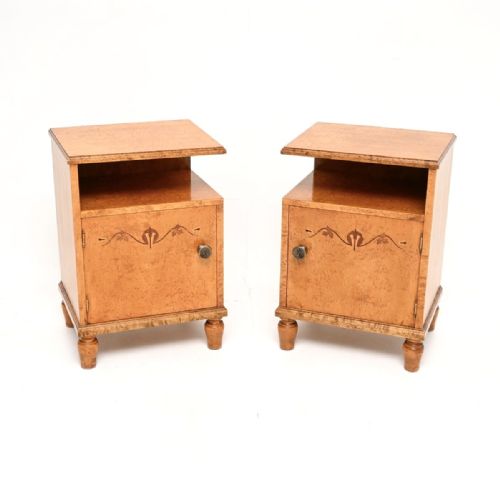
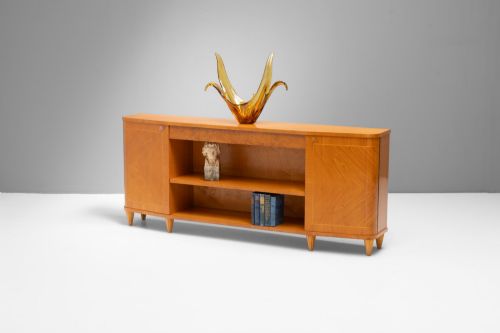
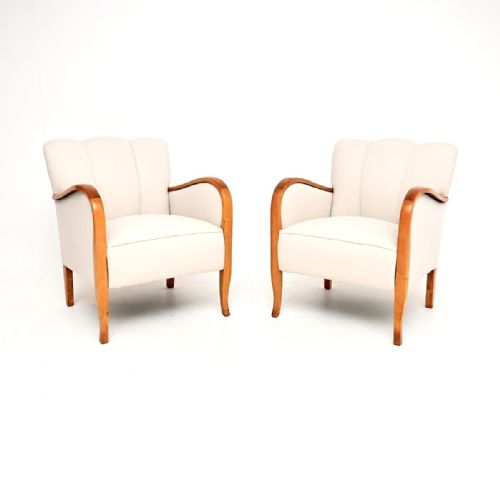
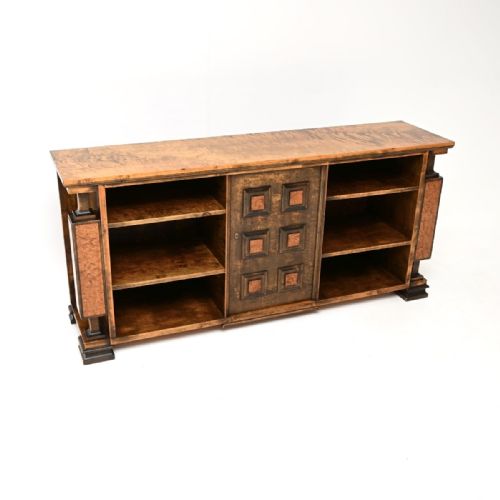
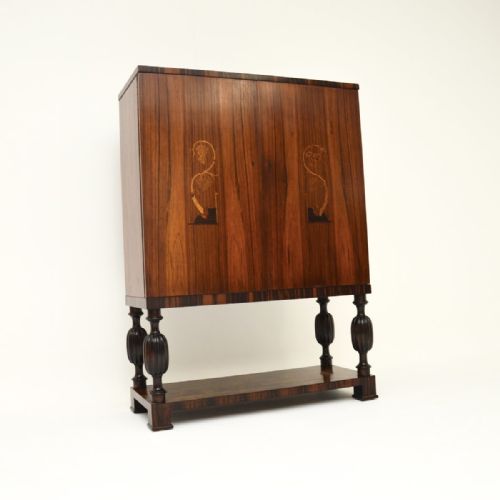
The selections here lean heavily toward Swedish Grace and related 1930s output, alongside select items from the preceding two decades. Cabinets, sideboards and armchairs dominate the forms, offering practical storage and seating with architectural presence.
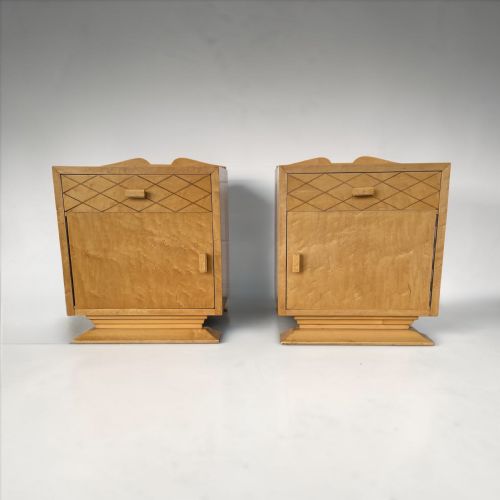
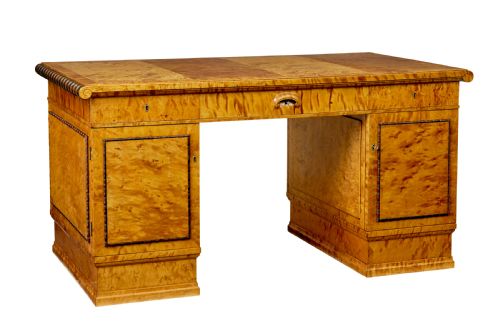
Makers and workshops utilised indigenous woods to create sophisticated surfaces that rely on grain pattern rather than heavy ornamentation. You will find items ranging from pedestal desks to compact bedside tables designed for domestic utility.
How they were made
Construction relies upon solid framing overlaid with carefully matched veneers such as birch, flame birch and satin birch. Cabinetmakers arranged these veneers to exploit natural figure and grain direction across large flat surfaces.
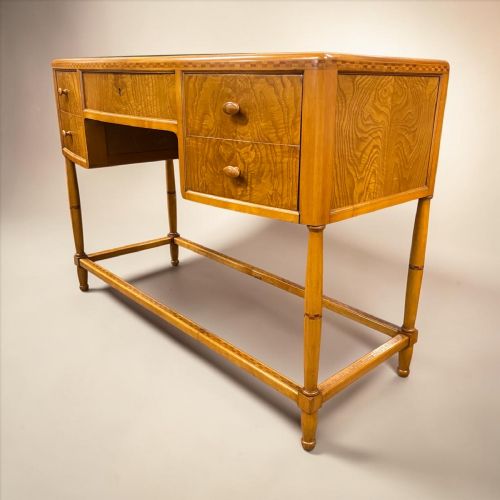
Elm and walnut appear alongside birch for contrast, while inlay work adds geometric definition to tabletops and cabinet doors. Brass mounts and glass elements provide metallic and translucent accents that complement the warm timber tones.
Scandinavian Art Deco Furniture Retail Price Guide 2026
Typical asking prices for scandinavian art deco furniture among the pieces listed under this phrase on Sellingantiques today, from the lower quarter to the upper quarter. They describe what is for sale here now, not the wider market.
Swedish cabinetmakers occasionally hid intricate birch dovetailing inside drawers that nobody outside the workshop was ever meant to see.
What varies in quality
Quality rests upon the selection and matching of the veneer, where book-matched flame birch creates symmetrical visual rhythm across a sideboard facade. Lesser examples utilise plain timber without deliberate grain play.
Construction integrity distinguishes standard production from finer workshop pieces, visible in the precision of inlaid details and the weight of brass fittings. The integration of carved elements, seen on specific tables and chairs, separates utilitarian items from more ambitious designs.
Sandberg & Co
The Scandinavian Art Deco Furniture Glossary
- Swedish Grace
- A transitional style bridging neoclassical restraint and early modernism in Swedish architecture and design during the 1920s. It emphasises slender proportions and subtle classical detailing.
- Flame Birch
- A decorative timber cut from birch logs where the grain creates a flamed or rippled optical effect. Cabinetmakers prized this figure for prominent surfaces.
- Veneer
- A thin layer of superior wood applied to a base of secondary timber to provide a decorative exterior. This technique allowed makers to utilise striking grain patterns economically.
- Inlay
- The technique of inserting pieces of contrasting wood or other materials into a recessed base to form a pattern. It defines geometric borders on tabletops and cabinet doors.
Scandinavian Art Deco Furniture: Frequently Asked Questions
What periods do these pieces date from?
The inventory spans the early twentieth century, with items originating from the 1910s, 1920s and 1930s. The majority reflect the mature aesthetic of the interwar decades.
Swedish Grace and Art Deco movements dominate this timeframe, showing how regional craftsmen adapted international modernism.
Which woods were used most often?
Birch forms the primary material, appearing as solid timber, standard veneer and highly figured flame birch. Elm, satinwood and walnut provide contrasting tones and textures.
Inlaid details and brass hardware frequently accompany these timber surfaces to complete the design.
How do I identify Swedish Grace pieces?
Swedish Grace items date primarily from the 1920s and bridge traditional craftsmanship with early modernist simplicity. They often feature slender proportions and refined surface carving.
Cabinets and seating from this movement balance architectural rigour with warm domestic materials.
What furniture forms are available?
The selection includes large storage pieces like sideboards, credenzas, bookcases and cabinets alongside dressing tables and desks. Smaller utility pieces such as coffee tables, console tables and bedside tables also appear.
Seating is represented by armchairs designed to complement the wooden case pieces.