

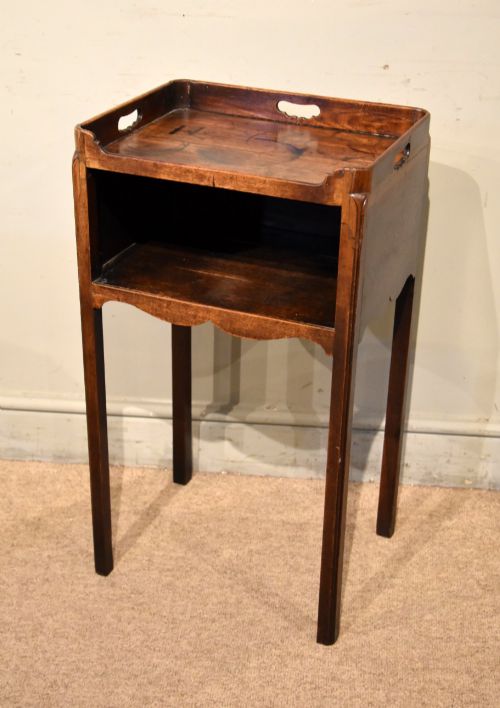
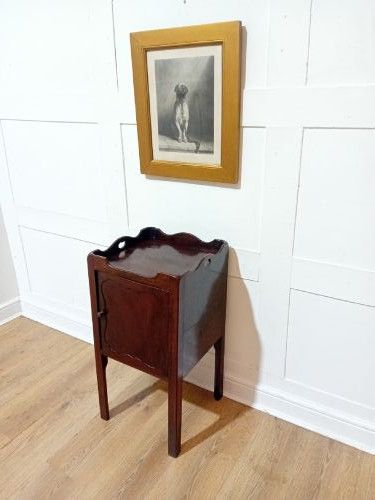
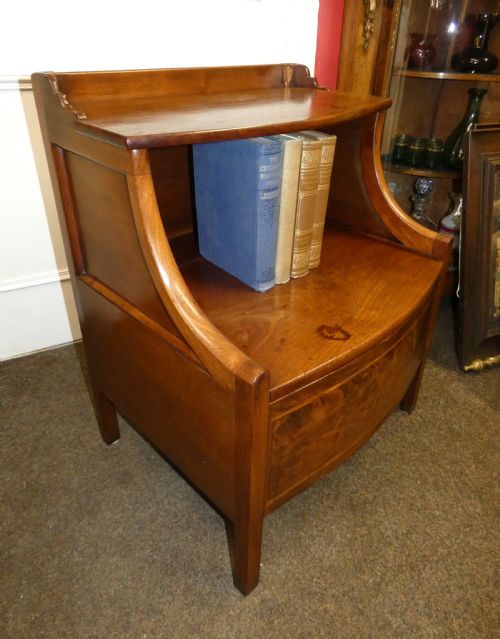
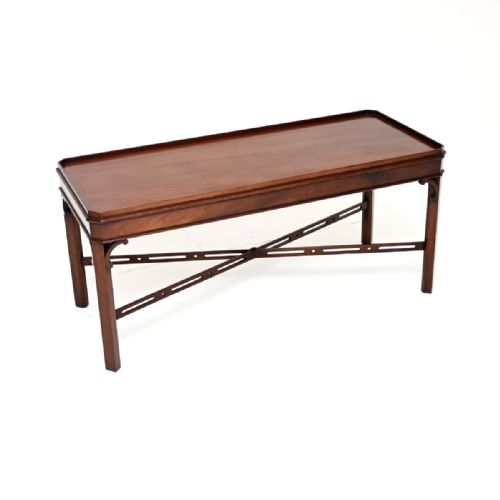
Georgian Tray Top Table
A georgian tray top table delivers raised borders and timber warmth, serving as a versatile bedside or lamp stand.
Georgian Tray Top Table
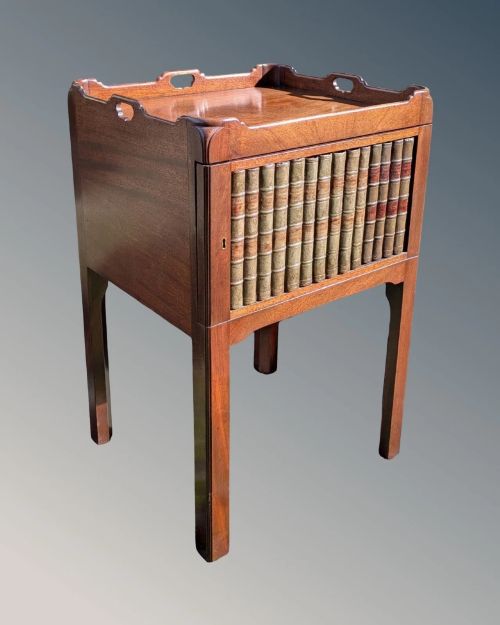
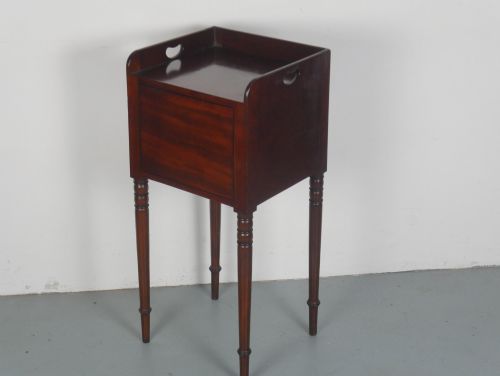
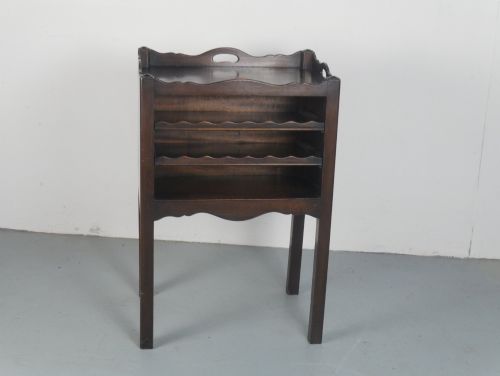
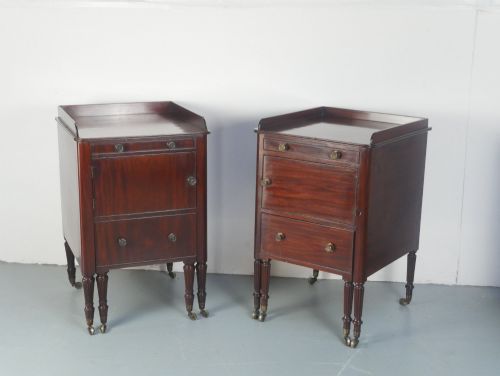
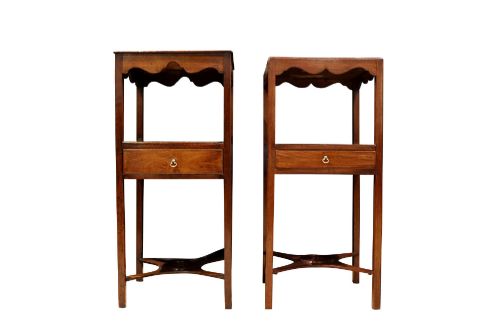
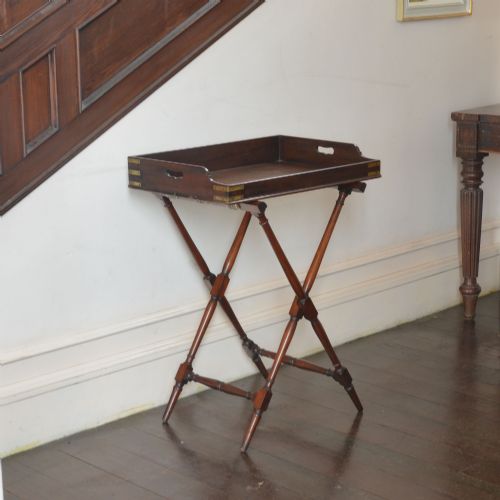
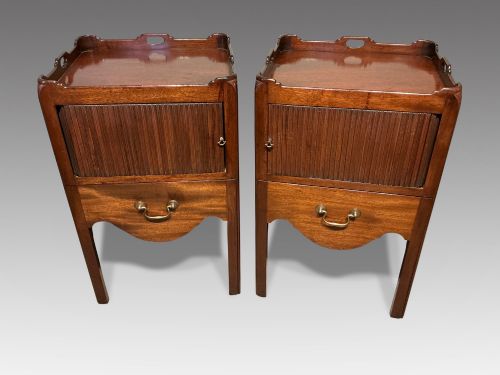
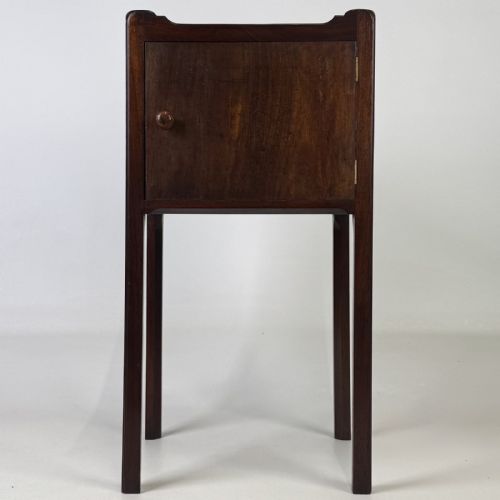
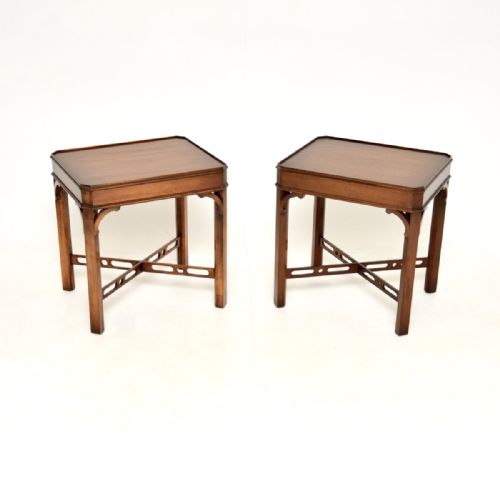
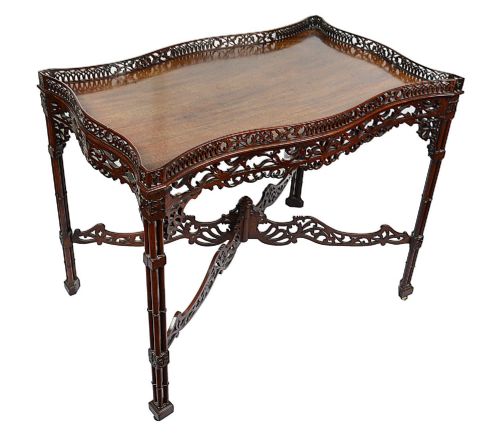
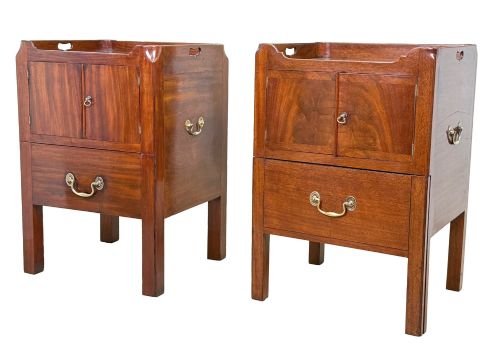
When you search for a georgian tray top table, you encounter small serving surfaces, bedside stands, and night cupboards defined by an integral raised rim designed to stop items rolling off. The most common iteration on this page is the 18th century or Georgian style mahogany bedside cabinet, alongside tripod tables and butler's trays on folding stands.
Makers and cabinetmakers built these pieces to function near beds and seating areas, offering enclosed storage behind doors or open tray surfaces for holding lamps, jugs, and personal items. Pieces span from authentic 18th-century George III examples to later revival interpretations from the 1920s and 1930s.
The form adapts readily to modern rooms as a side table, coffee table, or compact desk, maintaining utility alongside period character. Walnut and satinwood variants appear alongside the dominant mahogany stock, matching diverse interior schemes.
How they were made
Cabinetmakers constructed these tables primarily from solid and figured mahogany, frequently utilising Cuban mahogany for earlier pieces, alongside walnut, burr walnut, and satinwood veneers. Surfaces often incorporate boxwood inlay or hand-painted detailing to accentuate the perimeter of the tray top.
Joinery techniques included dovetailed drawer construction, pegged mortise and tenon joints for frames, and turned or cabriole legs. Tray rims were shaped directly from solid timber or assembled with mitred corner joints to create the characteristic raised gallery.
Georgian Tray Top Table Retail Price Guide 2026
Typical asking prices for georgian tray top table among the pieces listed under this phrase on Sellingantiques today, from the lower quarter to the upper quarter. They describe what is for sale here now, not the wider market.
Listings feature mahogany predominantly, supported by walnut, satinwood, and boxwood inlay across Georgian and revival periods.
What varies in quality
The degree of timber selection distinguishes standard items from superior pieces, with rich flame grain mahogany, burr walnut, and crisp boxwood inlay commanding greater visual presence. Finer examples display meticulous shaping on the raised tray edges and well-proportioned cabriole or tapered legs.
Original hardware, sound structural joinery, and untouched patination elevate a piece beyond standard utilitarian cupboards or later mass-produced revivals. The crispness of carved details, such as bracket feet or pierced gallery handles, indicates the skill of the original workshop.
Gillows
The Georgian Tray Top Table Glossary
- Tray top
- A tabletop finished with a raised rim or gallery around its perimeter to prevent objects from sliding off. This feature defines the primary function of the furniture group.
- Pot cupboard
- A small bedside cabinet originally built to house a chamber pot behind a cupboard door. They frequently double as lamp or night stands in contemporary interiors.
- Tripod table
- A small occasional table supported by a central pillar resting on three spreading legs. They often feature tilt mechanisms for convenient storage.
- Butler's tray
- A removable rectangular tray with hinged or shaped sides, designed to sit upon a folding wooden stand. They function well as portable serving surfaces or low coffee tables.
- Marquetry
- Decorative veneer work arranged in intricate patterns using different coloured woods and boxwood inlay. It adds ornamental detail to table tops and cabinet doors.
Georgian Tray Top Table: Frequently Asked Questions
What were tray top tables used for?
These tables served various domestic functions, acting as bedside nightstands for candles and chamber pots, lamp tables in reception rooms, or portable serving trays on stands. Their raised edges made them secure surfaces for holding drinks, books, and personal belongings.
In modern spaces, they adapt easily as compact bedside cabinets, side tables, or low coffee tables. Their enclosed cupboards or open surfaces provide practical storage while maintaining a small footprint.
How do I tell an 18th century piece from a 1920s revival?
Examination of the timber, construction methods, and hardware reveals the age of the piece. Eighteenth-century examples display hand-cut dovetails, older secondary woods, and natural wax patination developed over centuries of use.
Revival pieces from the 1920s and 1930s often utilise more uniform machine-sawn timbers and standardised fixings. Comparing the interior drawer linings and backboards helps confirm the period of manufacture.
Are tray top tables sturdy enough for daily use?
Solid mahogany and walnut construction provides robust durability for everyday tasks like holding lamps, cups, and reading materials. The raised tray rim adds rigidity to the top surface while keeping items secure during use.
Care should be taken with delicate veneer surfaces and antique joints, but standard examples withstand regular placement beside beds or sofas. Regular waxing preserves the timber and protects against minor moisture marks.
What is the difference between a pot cupboard and a bedside table?
A pot cupboard specifically refers to an enclosed cabinet with a door designed to conceal a chamber pot, functioning as a precursor to modern bedside plumbing. A standard bedside table or nightstand may feature open shelves, drawers, or a simple tray top without the enclosed cabinet section.
Both forms share similar compact dimensions and were historically placed beside beds. Today, collectors use the terms interchangeably based on the presence of a cupboard door or open shelf.