

Brown Wood Tea Table
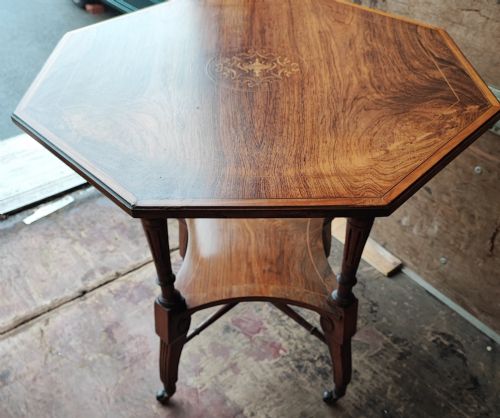
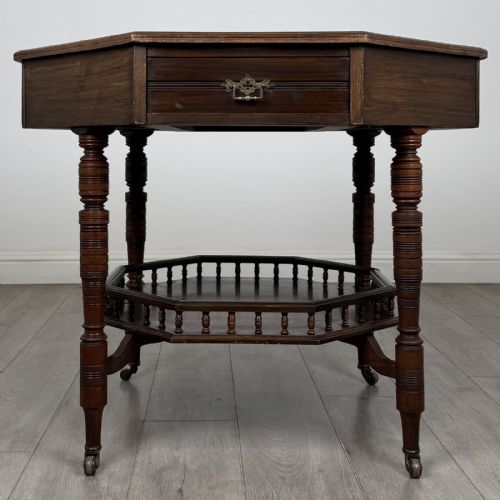
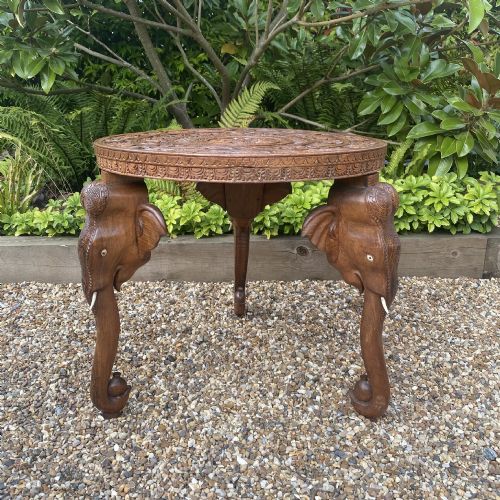
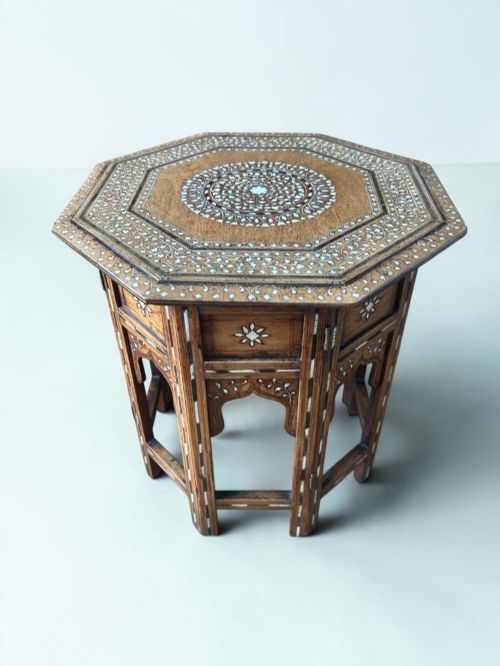
These brown wood tea table pieces bring versatile timber surfaces into living spaces, offering practical proportions and period character for daily use.
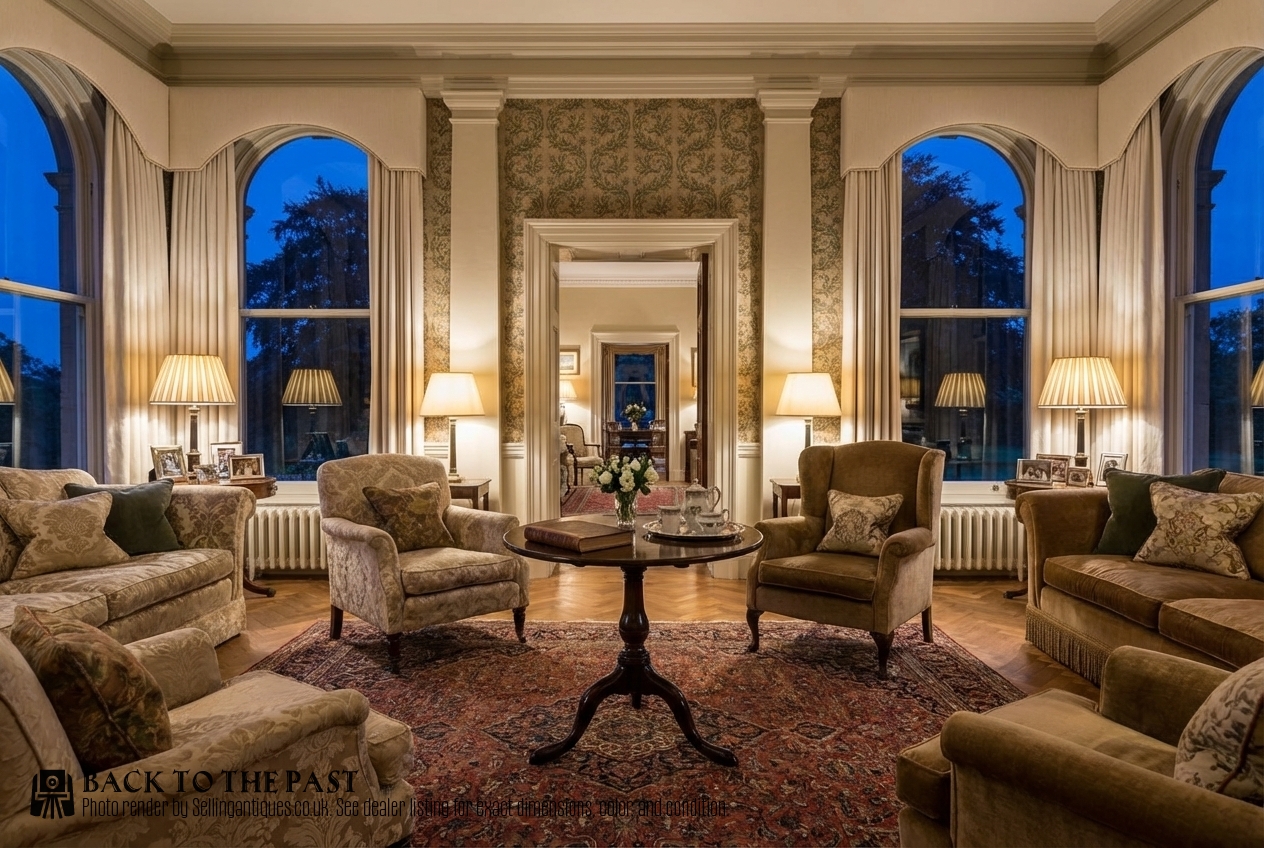
Brown Wood Tea Table
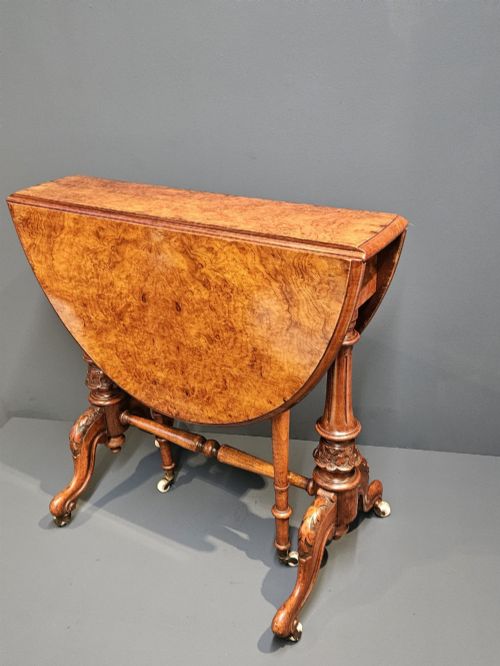
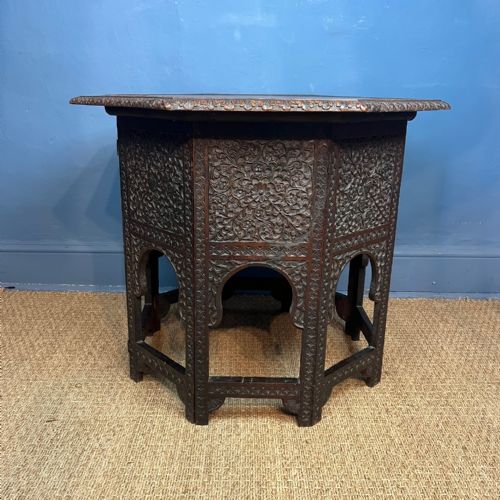
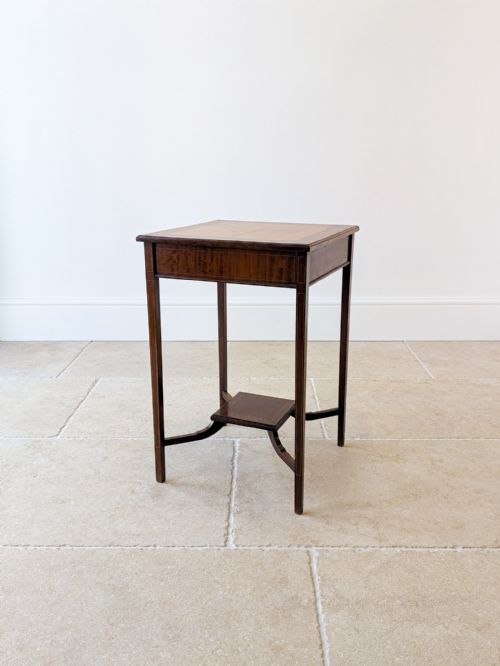
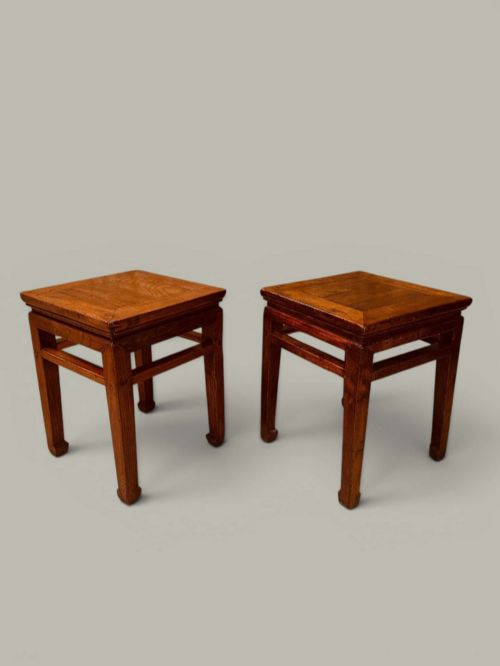
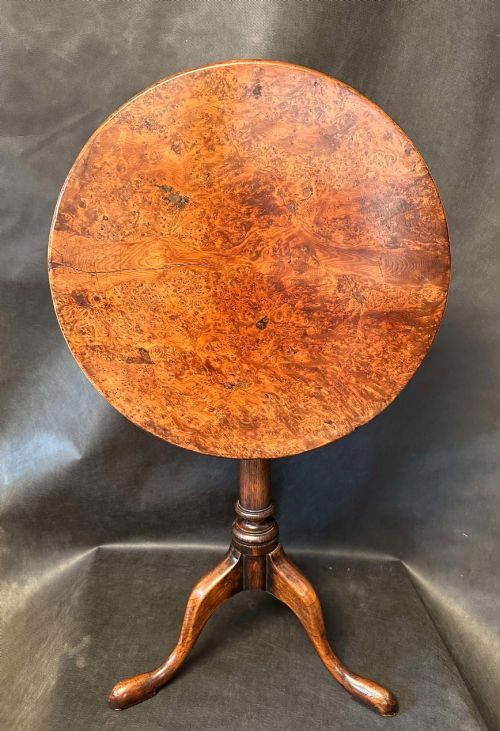
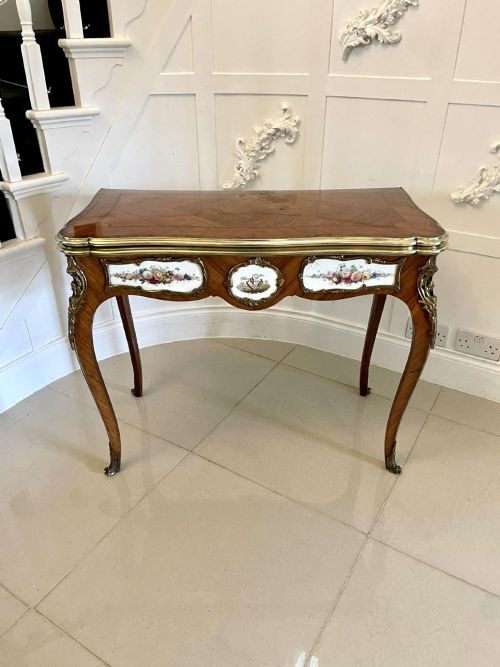
When you search for a brown wood tea table, you encounter a variety of timber furniture items designed for social use and daily display. The selection spans several centuries, drawing heavily on 18th century, Georgian, Victorian, and Edwardian periods.
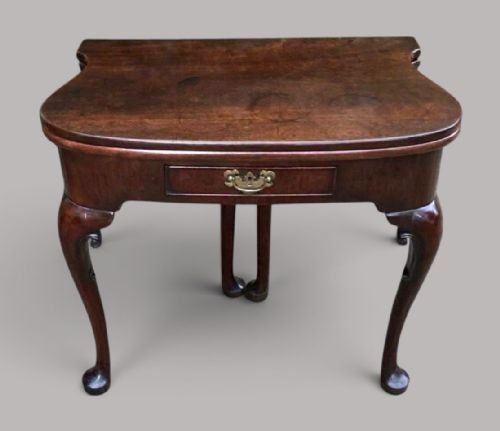
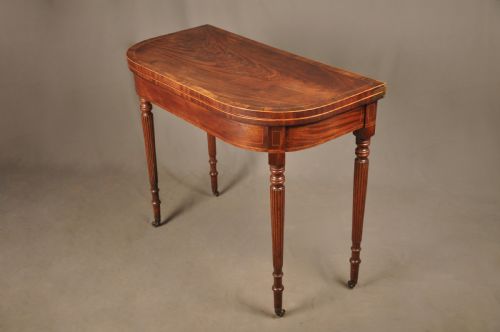
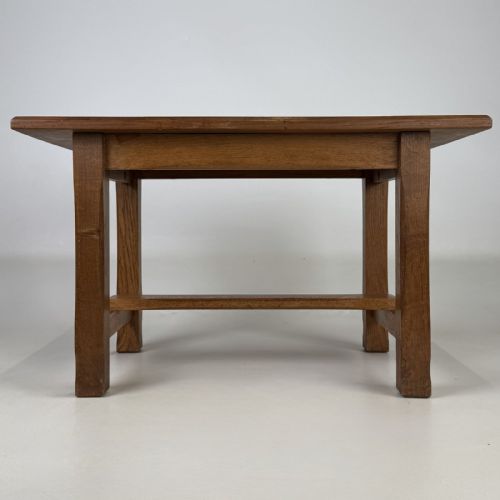
Most items you meet on this page take the form of occasional tables, side tables, or specific folding formats like card tables and games tables. Mahogany and walnut dominate the offerings, appearing alongside oak, satinwood, and kingwood.
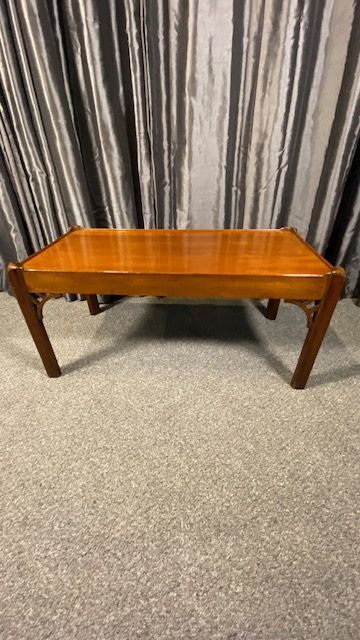
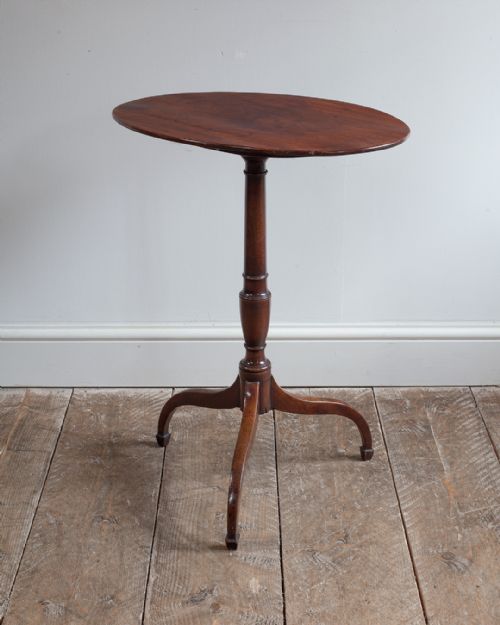
Makers and designers from different eras interpreted the form through distinct stylistic lenses, ranging from early tilt-top designs to later Edwardian inlaid creations. Buyers find both formal folding examples intended for entertaining and simpler low formats adapted for modern living spaces.
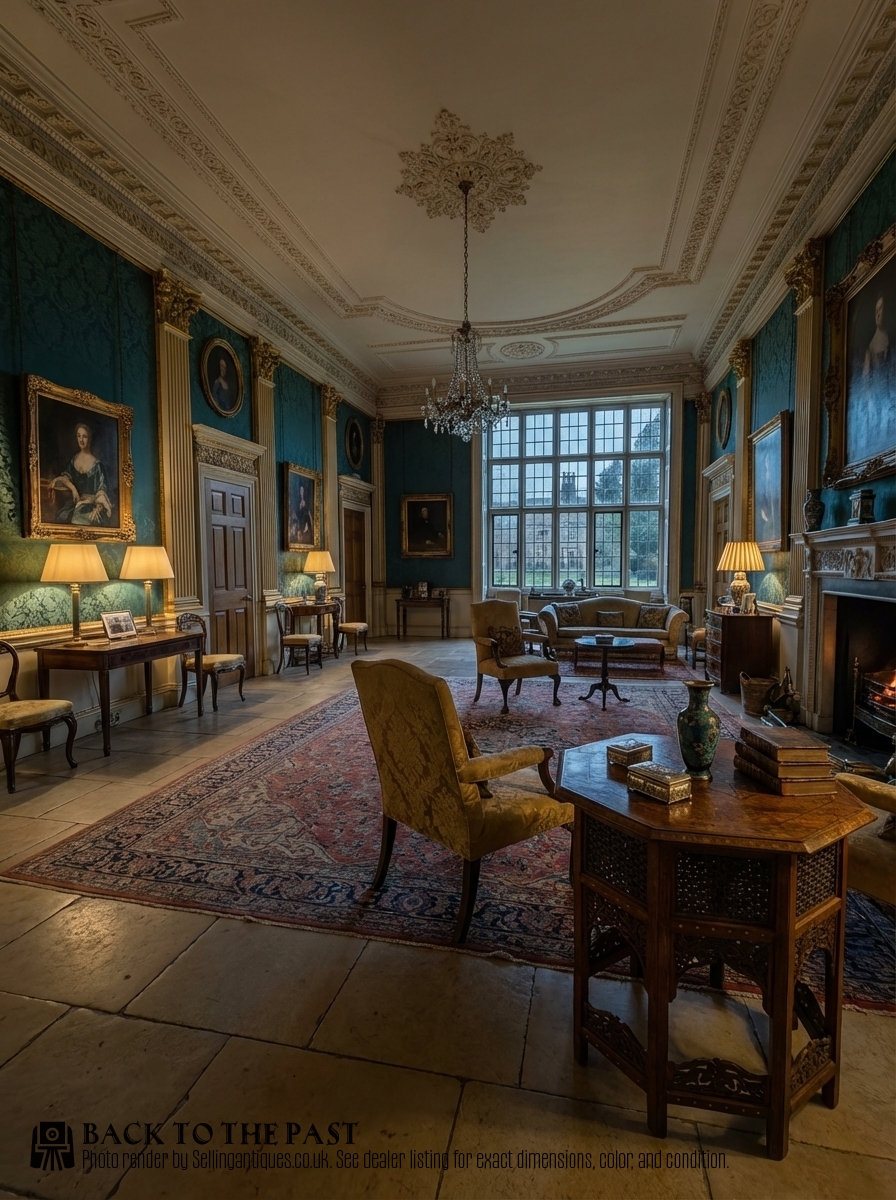
What varies in quality
Quality in these tables rests primarily on the selection of timber and the crispness of secondary decorative details such as carving or parquetry. Superior examples feature highly figured veneers like burr walnut or carefully matched mahogany grains across folding leaves.
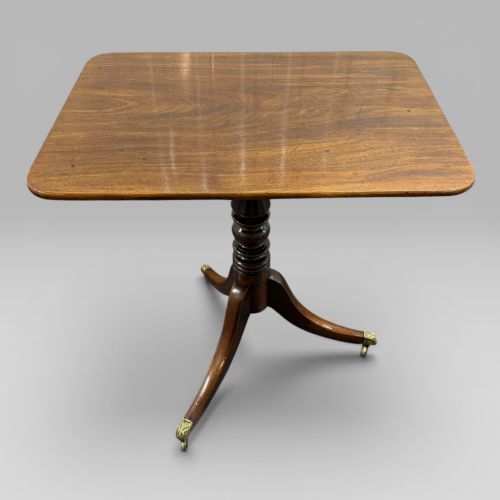
Construction integrity also separates standard items from finer works, visible in the smoothness of tilt-top catches, the tightness of joints, and the balance of tripod or pedestal bases. Subtle touches like inlaid stringing or carved basket bases indicate higher workshop standards.
Brown Wood Tea Table Retail Price Guide 2026
Typical asking prices for brown wood tea table among the pieces listed under this phrase on Sellingantiques today, from the lower quarter to the upper quarter. They describe what is for sale here now, not the wider market.
One remarkably small specimen is described simply as a miniature Sutherland table, shrinking standard parlour hospitality down to pocket scale.
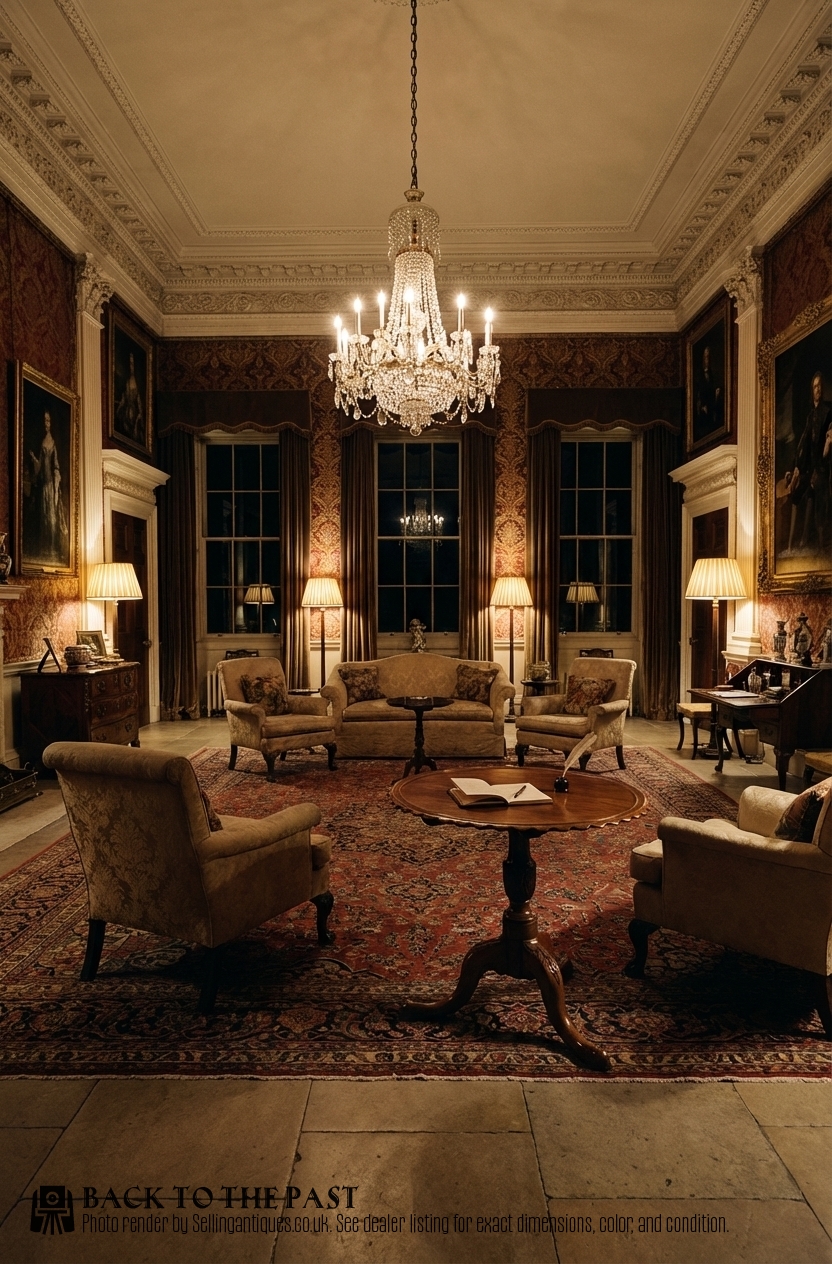
Trevor Page & Co
The Brown Wood Tea Table Glossary
- Tilt-top table
- A table with a mechanism allowing the surface to pivot vertically when not in use. This clever design saved floor space in historic rooms.
- Card table
- A folding table specifically designed for evening games and social card playing. The top unfolds to reveal a baize or polished wood playing surface.
- Parquetry
- A geometric mosaic of wood pieces used for decorative surfaces on tabletops. Craftsmen arranged contrasting timbers to create intricate patterns.
Brown Wood Tea Table: Frequently Asked Questions
How were antique tea tables used?
Historic households utilised these tables for serving afternoon tea, holding porcelain sets, and folding down when floor space was needed for other activities.
In the evening, many convertible variants doubled as surfaces for card games and social gatherings, storing compactly against room walls.
What wood types appear most often?
Mahogany and walnut form the vast majority of these listings, often appearing as solid timber or as decorative veneers over secondary woods.
Selected items also incorporate specialist timbers like satinwood, kingwood, burr walnut, and oak to achieve specific colour tones and grain figures.
How do I care for timber surfaces?
Maintain these antique wooden surfaces by keeping them away from direct sunlight and sudden temperature shifts that cause timber to dry and crack.
Apply suitable wax polishes sparingly and use protective mats beneath cups or decorative items to preserve the original polish.
How do I date an older table?
Examine the secondary woods, construction joinery, and overall style cues such as leg shapes, carving depth, and inlay materials to establish the period.
Comparing structural hardware like hinges and tilt-top mechanisms against known historical examples helps narrow down the manufacturing decade.