

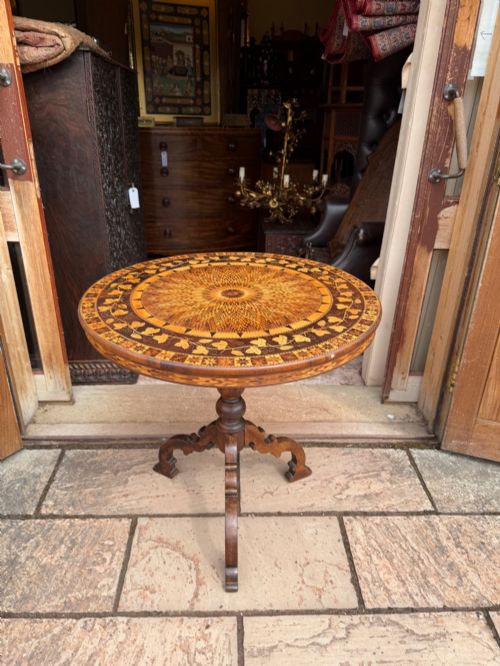
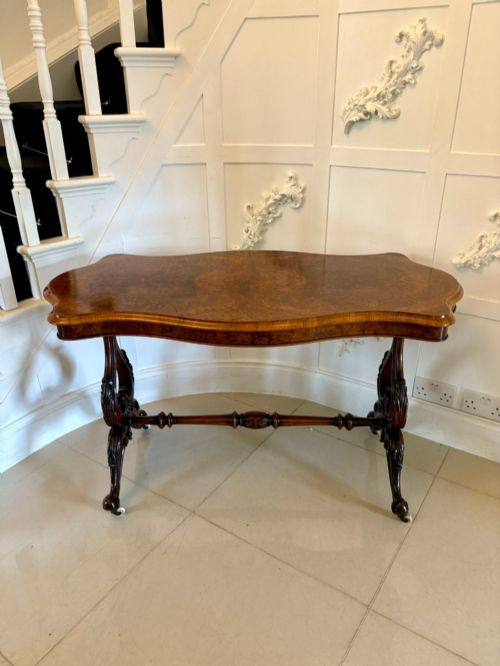
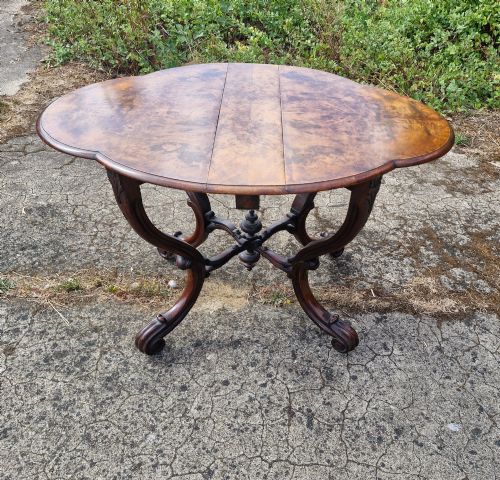
Carved Walnut Centre Table
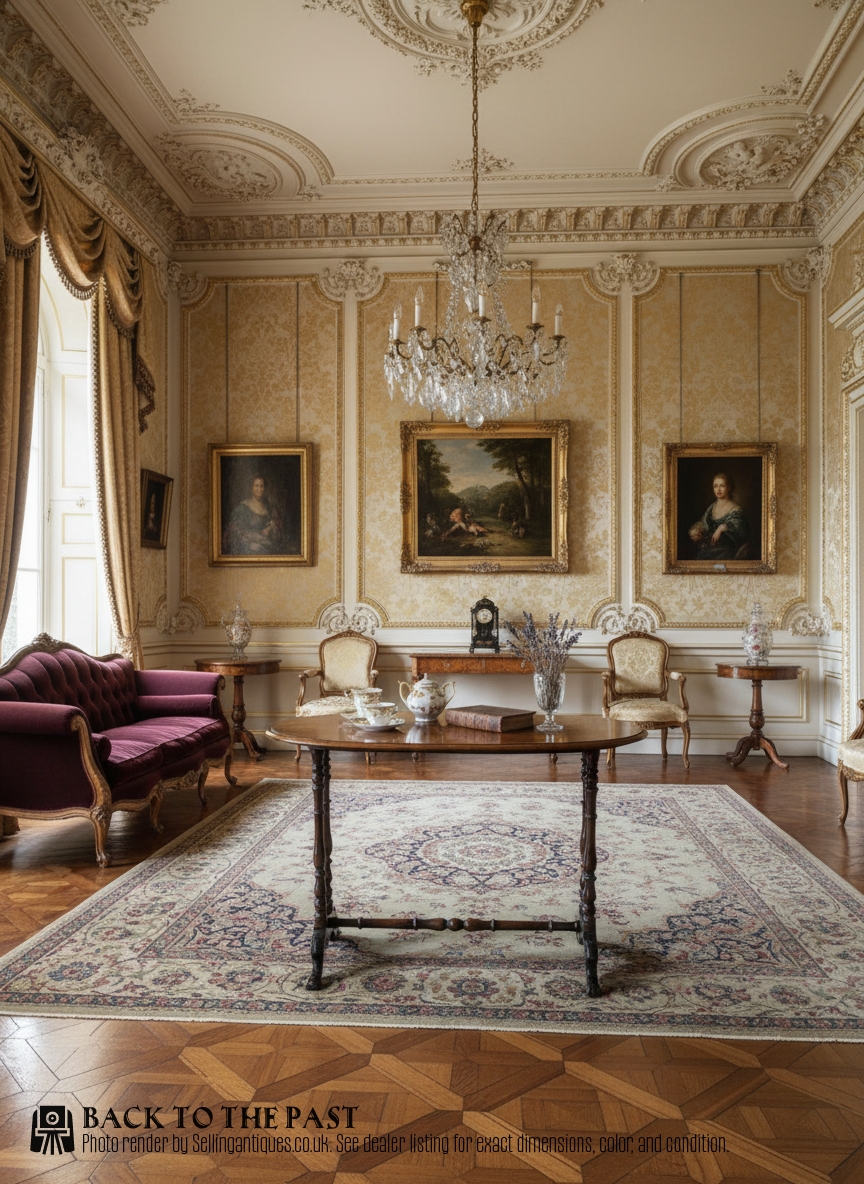
A carved walnut centre table anchors a room with its rich grain, standing free to command attention from every angle.
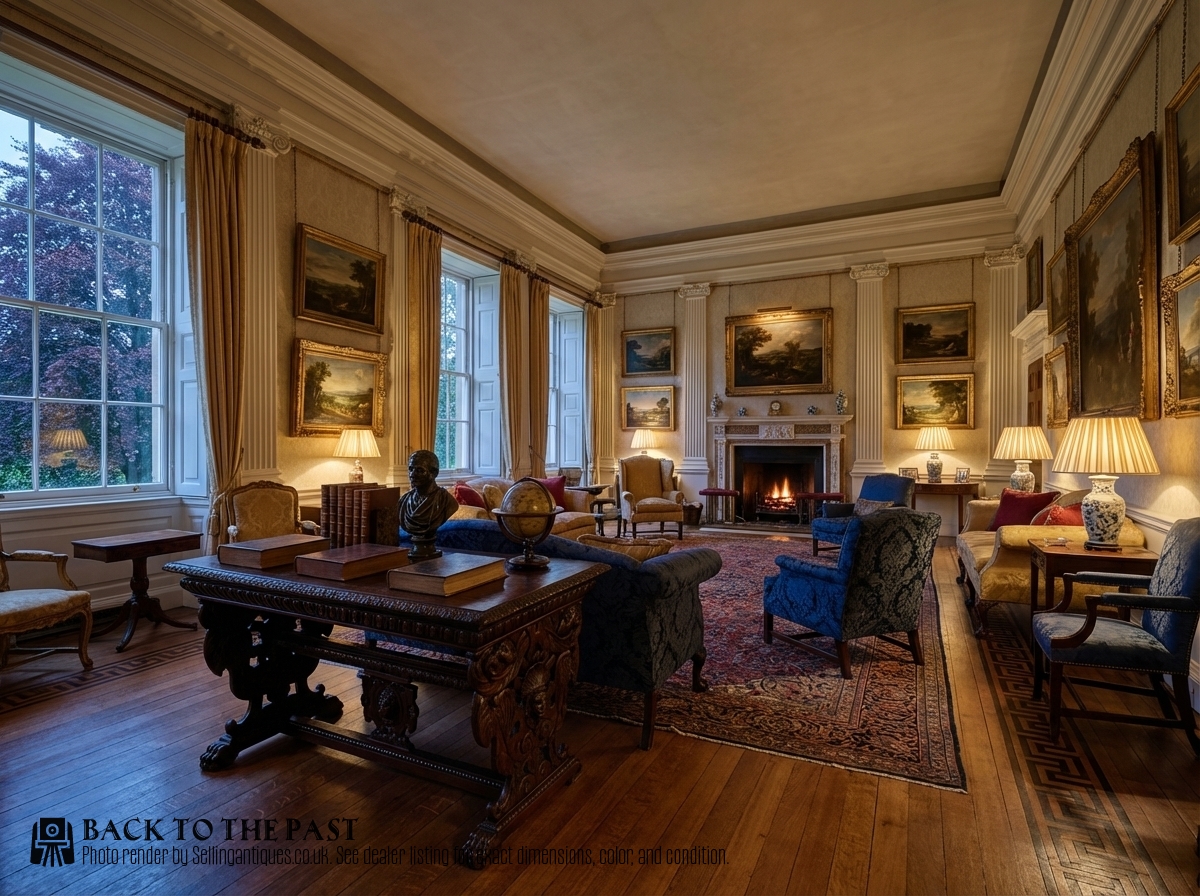
Carved Walnut Centre Table
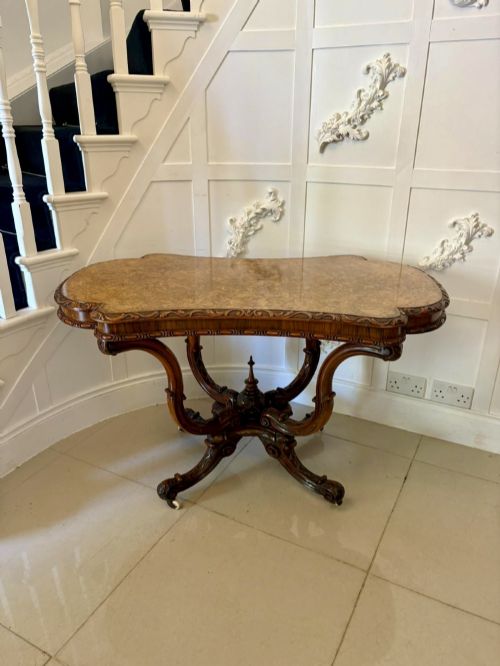
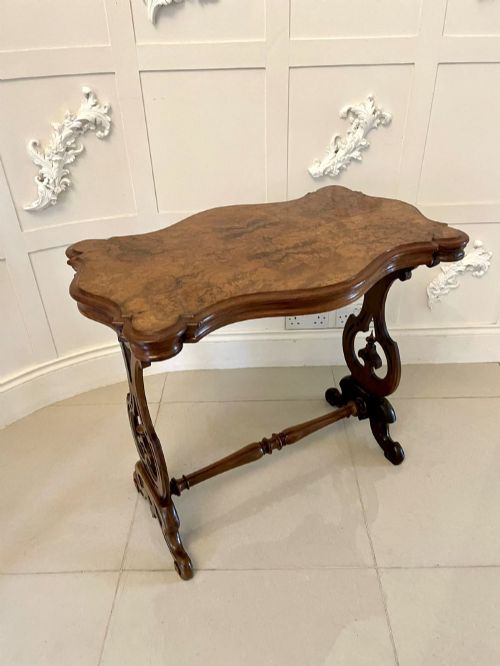
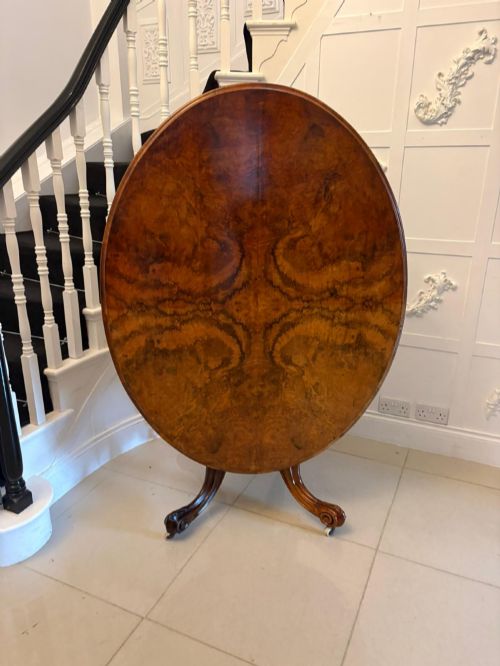
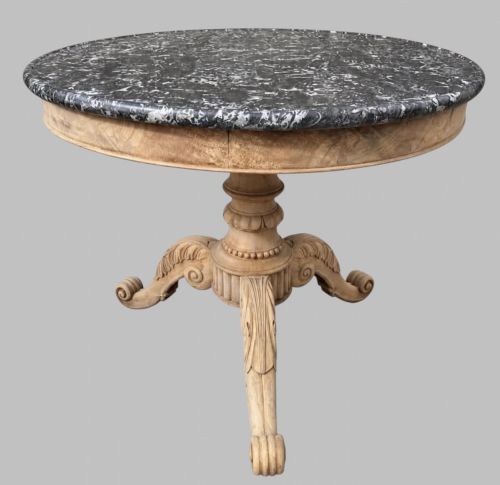
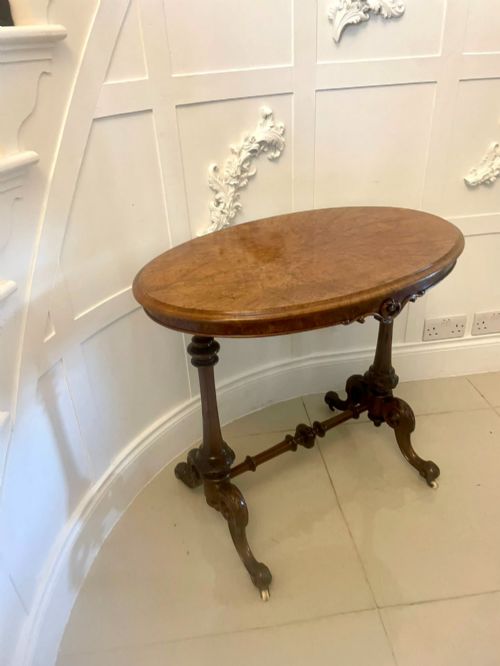
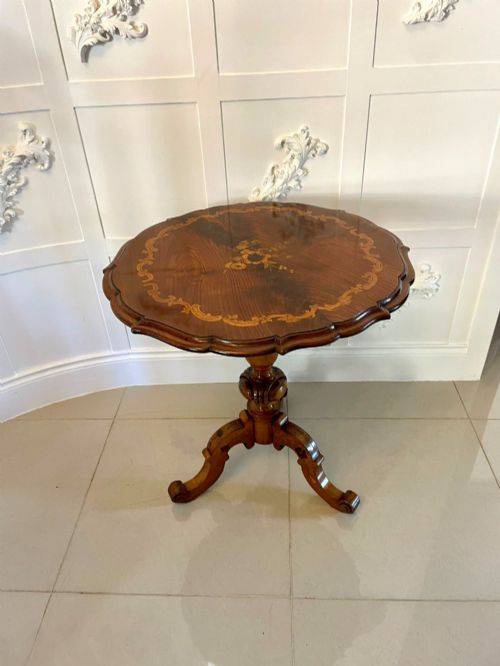
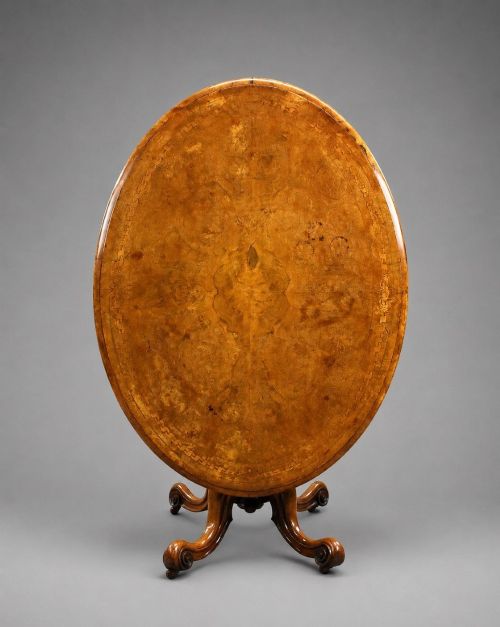
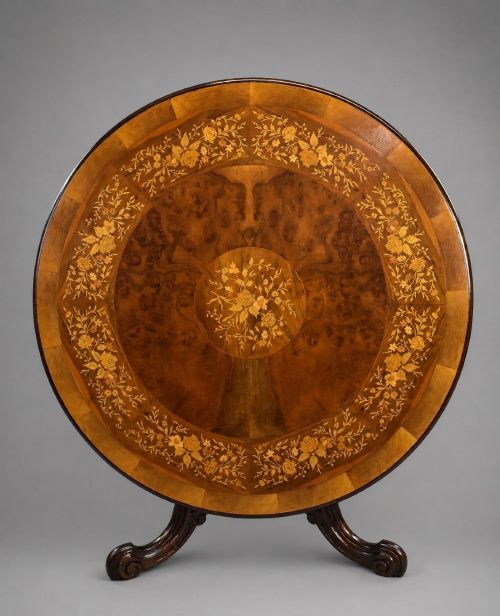
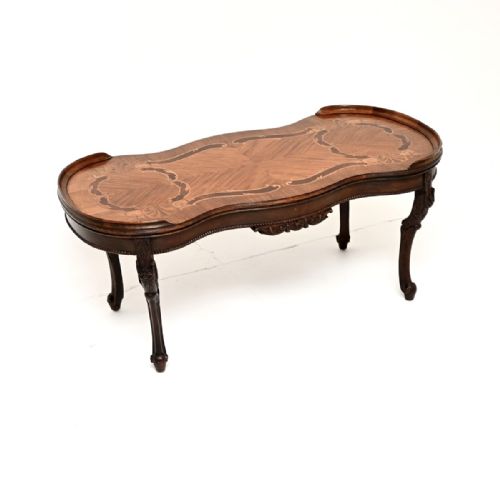
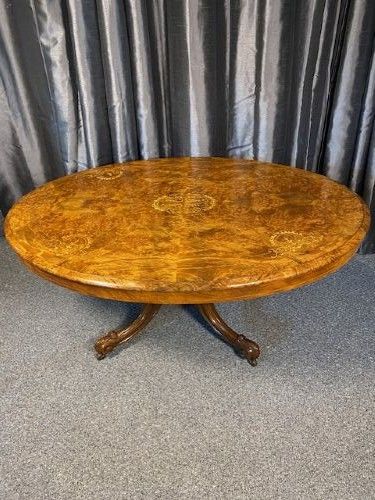
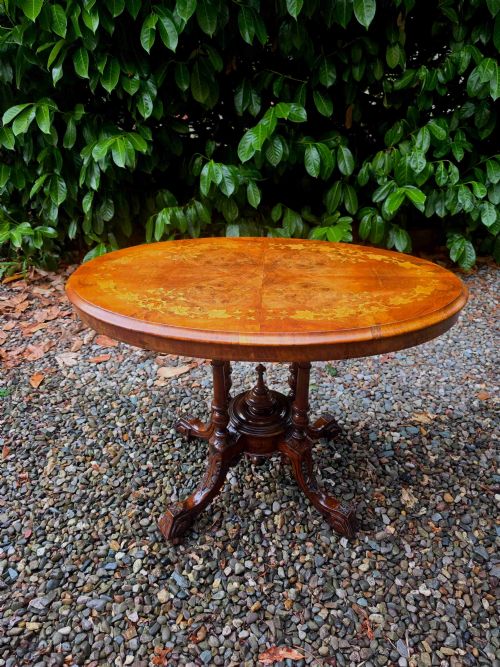
A carved walnut centre table appears primarily in Victorian iterations, spanning lamp, loo, breakfast, and library formats designed to sit independently in a room. These pieces manifest in oval, round, and shaped configurations, often featuring tilt tops or pedestal bases.
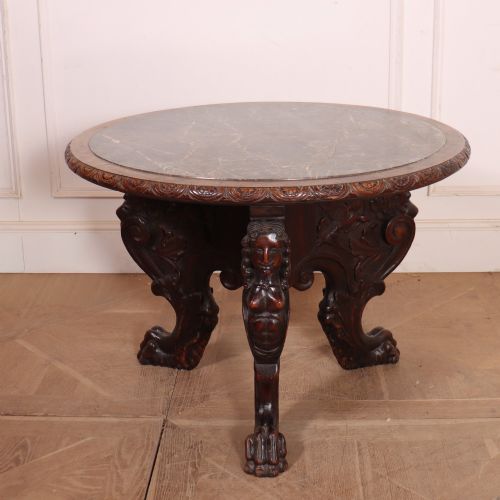
The selection ranges from French gueridon designs and Italian pedestal pieces to robust English dining tables. Buyers encounter occasional and coffee table adaptations alongside substantial six-seater dining variants.

Materials and Technique
Craftsmen built these tables using solid walnut and burr walnut veneers selected for their swirling grain patterns. Marquetry, boxwood inlay, and brass details frequently decorate the surfaces.
Structural elements incorporate carved wooden bases, pedestal supports, and marble or leather inserts. Cabinet makers utilised quarter-veneering techniques to create symmetrical patterns across large tabletops.
Carved Walnut Centre Table Retail Price Guide 2026
Typical asking prices for carved walnut centre table among the pieces listed under this phrase on Sellingantiques today, from the lower quarter to the upper quarter. They describe what is for sale here now, not the wider market.
Several tables conceal secret drawers beneath their tops, perfect for hiding your clandestine love letters.
Judging Quality
Quality rests in the selection of the burr walnut veneer and the depth of the hand-carved woodwork on the pedestals and stretchers. Superior examples display crisp botanical carving and seamless veneer matching.
The integrity of the internal construction, such as secret drawers and stable tilt-top mechanisms, separates standard production from exhibition pieces.
Holland & Sons Of London·Gillows
The Carved Walnut Centre Table Glossary
- Burr Walnut
- A figured wood veneer harvested from the growth warts of walnut trees. It creates intricate, swirling patterns across table tops.
- Loo Table
- A large round or oval Victorian table designed for card games. Many feature tilt-top mechanisms for easy storage.
- Gueridon
- A small French table supported by one or more columns. These often feature circular marble tops.
- Marquetry
- Decorative veneer work arranged in pictorial patterns. Craftsmen use contrasting woods like boxwood to achieve this effect.
- Tilt Top
- A hinged tabletop mechanism. This allows the surface to rotate vertically when not in use.
Carved Walnut Centre Table: Frequently Asked Questions
Where should I place a centre table?
These tables are designed to stand free in the middle of a room rather than against a wall. They function well in entrance halls, libraries, and large living spaces.
Ensure there is enough clearance to walk around the piece comfortably, as they are meant to be viewed from all sides.
What is a tilt top table used for?
The tilting mechanism allowed large tables to be stored flat against a wall when not in use. This saved valuable floor space in nineteenth-century homes.
Today, the feature remains useful for moving the table or appreciating the veneer work from a vertical angle.
How do I care for walnut veneer?
Keep wooden surfaces away from direct sunlight and excessive heat sources to prevent the veneer from drying out. Use dry cloths for dusting and avoid silicone-based polishes.
Leather and marble top variants require specific cleaning methods appropriate to those individual materials.
How do I identify Victorian walnut?
Victorian walnut typically exhibits a rich, dark brown tone with pronounced grain variation, especially when burr veneer is present. Look for traditional construction methods beneath the surface.
Stylistic cues include carved cabriole legs, quadruped bases, and subtle boxwood inlay.