
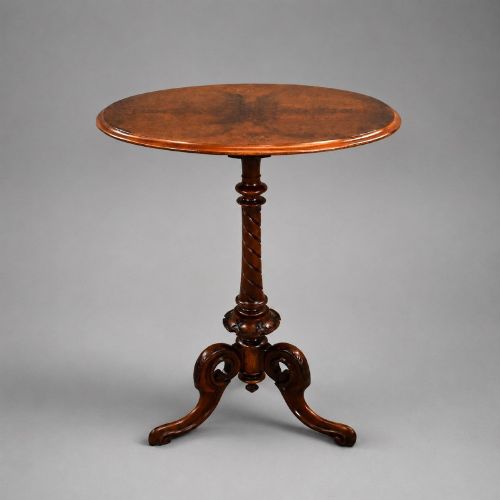
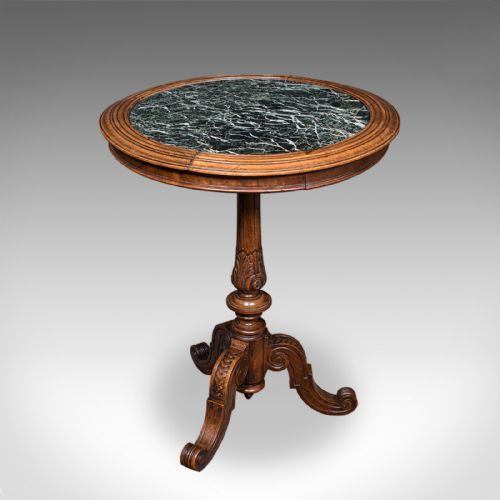
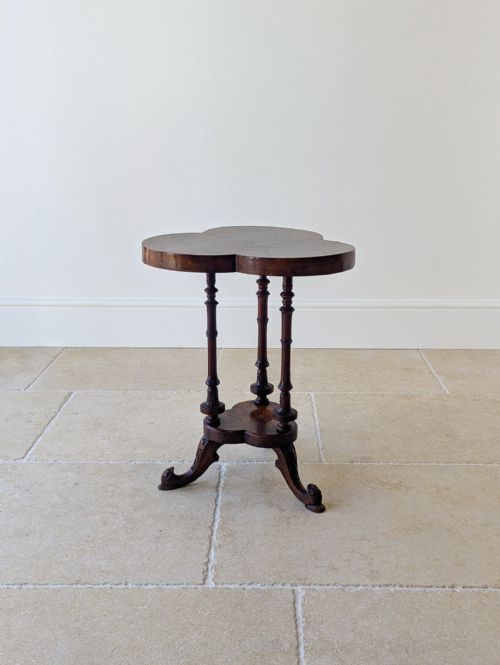
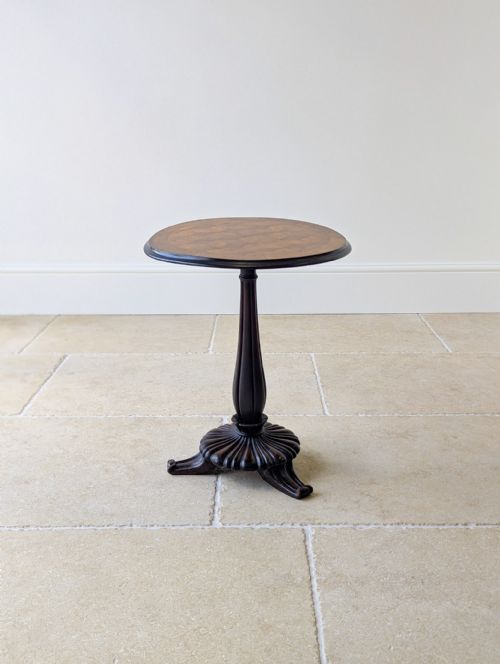
Carved Walnut Tripod Table
These carved walnut tripod table pieces bring tactile warmth and steady three-legged balance to any room, exactly as they have since past centuries.
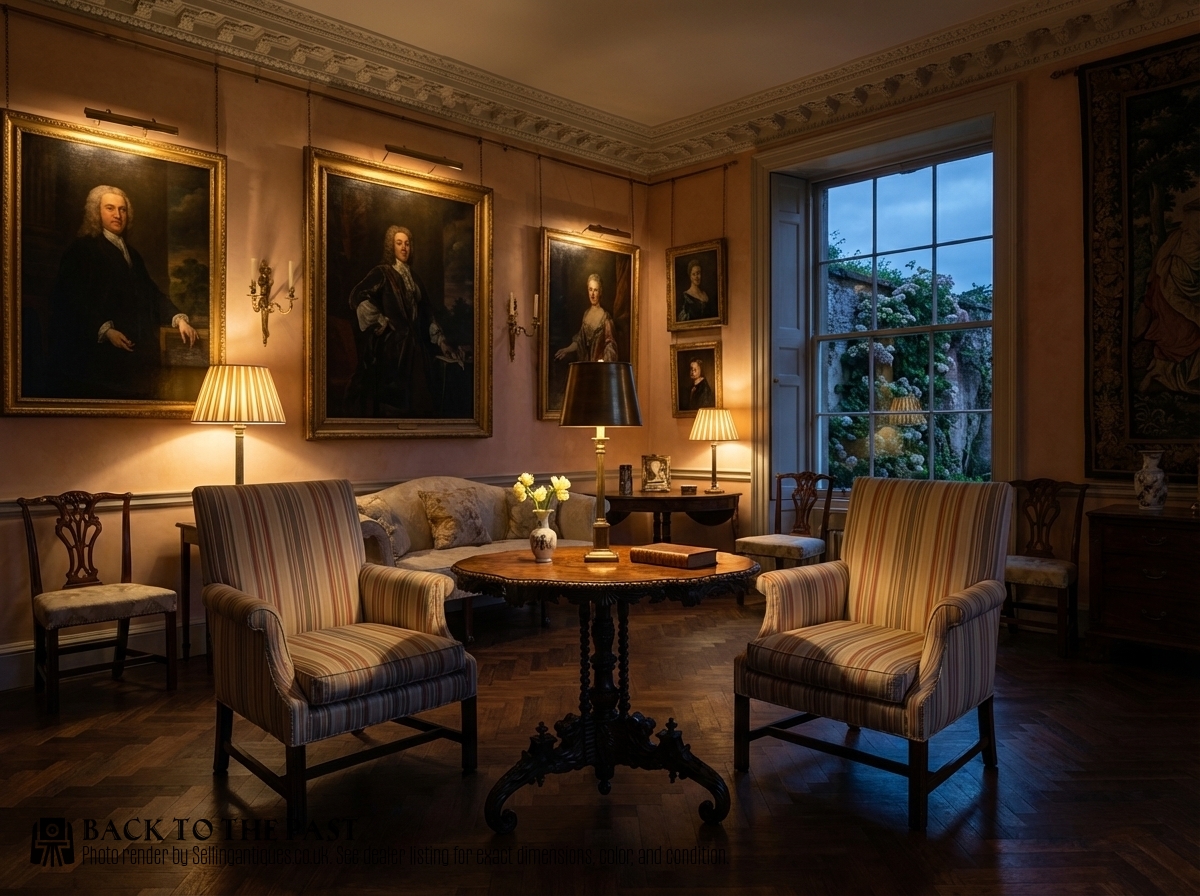
Carved Walnut Tripod Table
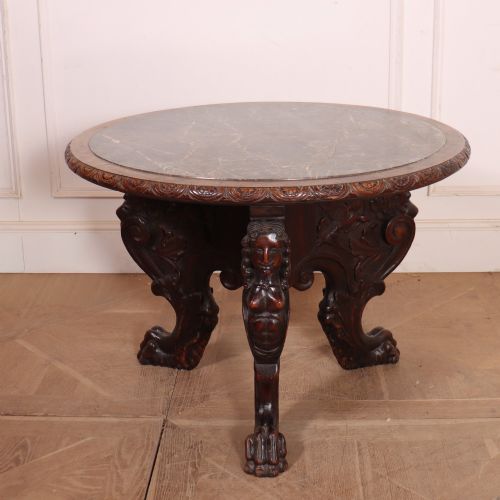
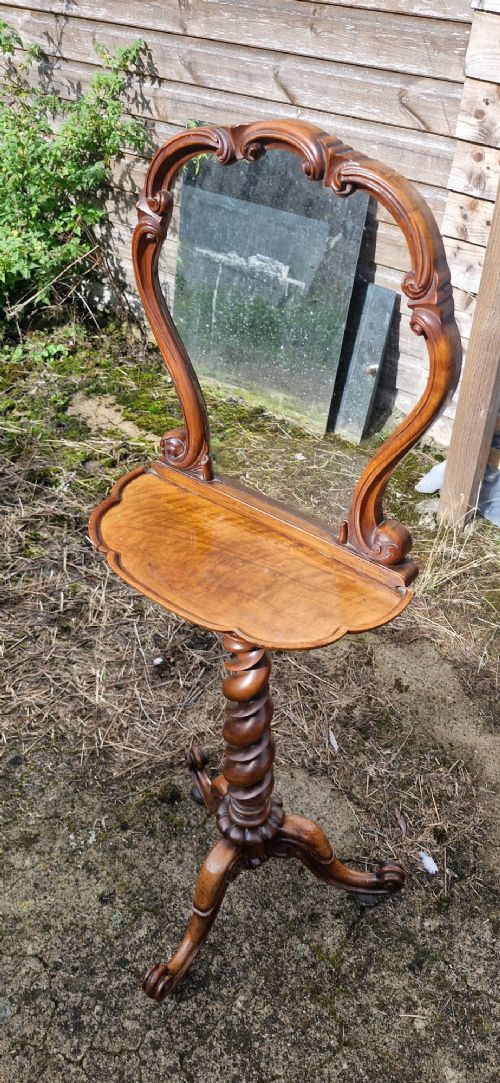
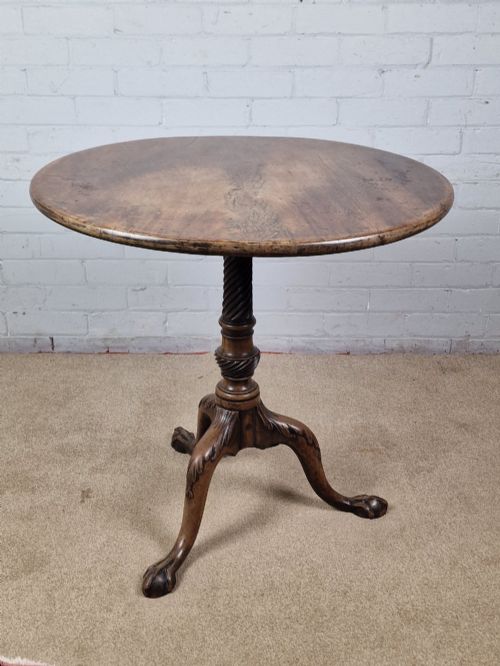
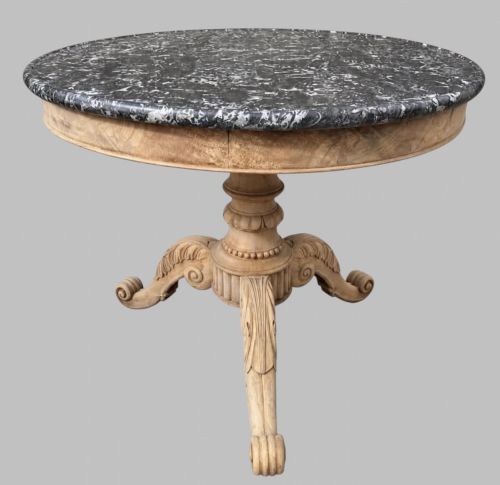
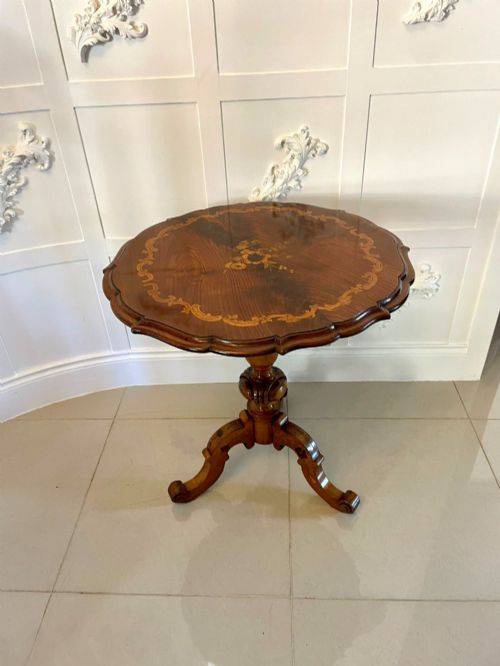
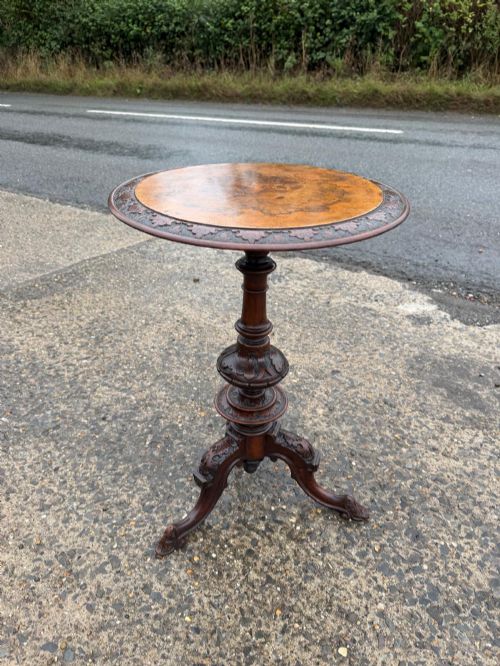
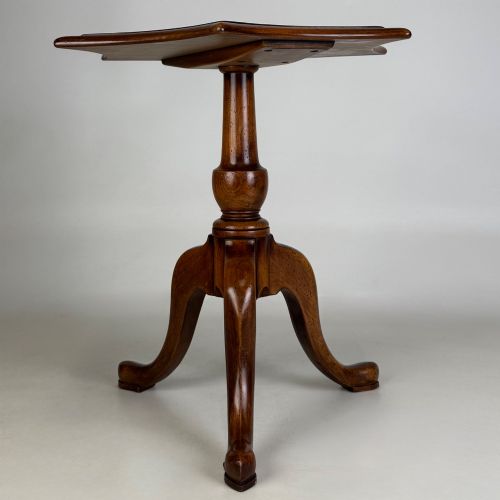
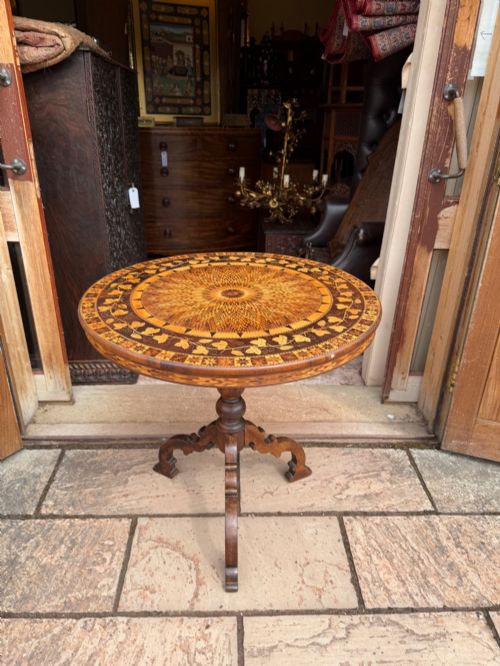
A carved walnut tripod table stands on a central pillar supported by three distinct feet, offering compact utility as a lamp, wine, or occasional table. These pieces emerge chiefly from the nineteenth century and the Victorian era, alongside examples from the Georgian and Edwardian periods.
How they were made
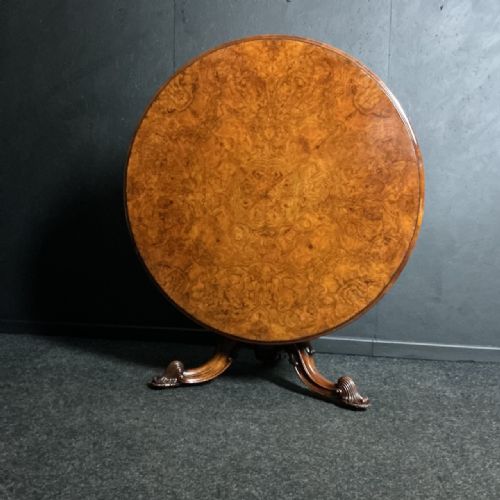
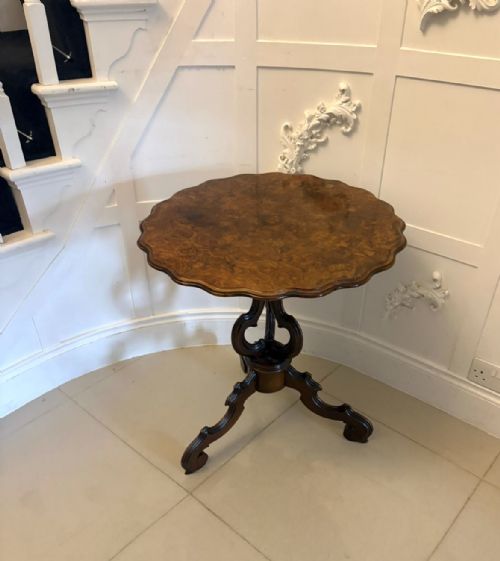
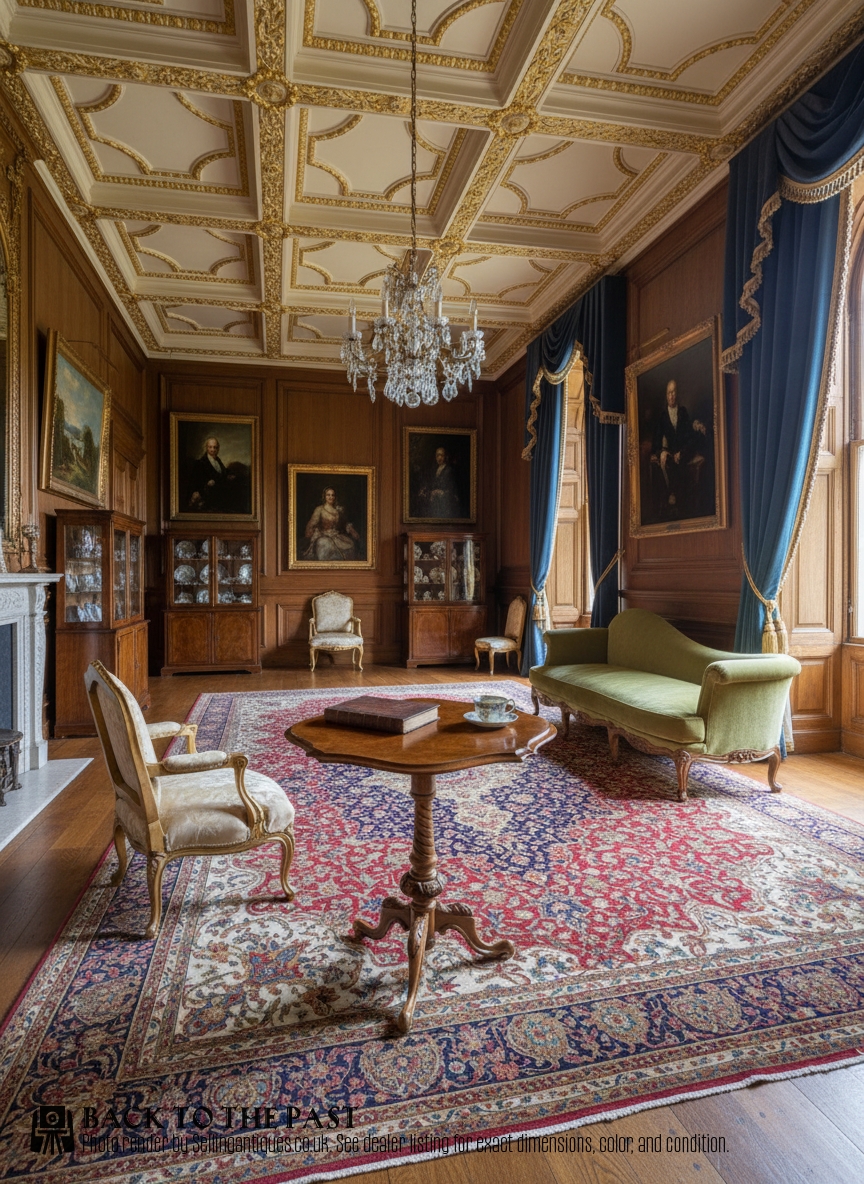
Cabinet makers utilised solid walnut and decorative burr walnut veneers, often combining them with mahogany framing beneath the show woods. Surfaces frequently display marquetry inlay, wood inlay, or detailed hand carving along the pedestal stems and table edges.
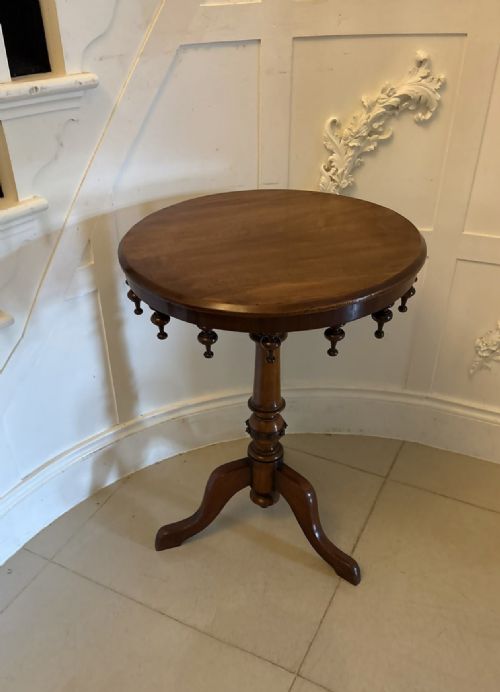
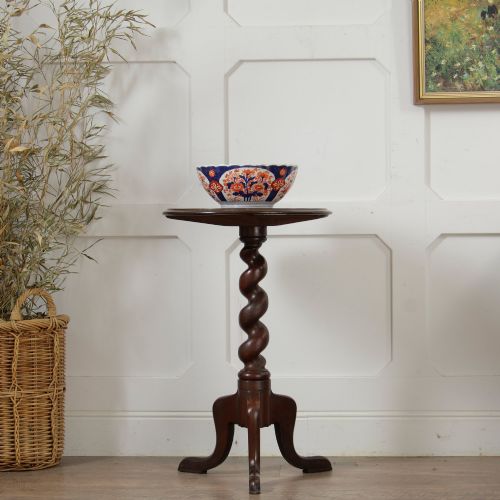
Selected examples incorporate contrasting materials like marble inserts, brass fittings, and glass backs into the foundational wood structure. Turning lathes shaped the barley twist and bobbin gallery supports, while traditional joinery united the top to the central tripod base.
Carved Walnut Tripod Table Retail Price Guide 2026
Typical asking prices for carved walnut tripod table among the pieces listed under this phrase on Sellingantiques today, from the lower quarter to the upper quarter. They describe what is for sale here now, not the wider market.
A solitary Blackamoor stand lurks among the walnut tables, holding its ground beside the wine glasses and tilt tops.
What varies in quality
The degree of refinement in the hand carving and the choice of timber grain define the upper tier of these pieces. Burr walnut with rich figuring commands attention, contrasted against plainer timber grounds that lack the same optical depth.
Structural integrity at the pivot and leg joints separates superior examples from lesser ones, ensuring the top tilts or stands level without wobble. The precision of the marquetry inlay and the crispness of the turned pillars further mark the distinction between standard workshop output and exceptional craftsmanship.
The Carved Walnut Tripod Table Glossary
- Tripod table
- A small freestanding table supported by a central pillar resting on three legs. This format allows the piece to sit snugly in corners or beside seating.
- Burr walnut
- Timber taken from a walnut tree growth showing swirling, knotty grain patterns. Cabinet makers prized this wood for decorative table tops.
- Tilt top
- A table mechanism allowing the top surface to pivot vertically for storage against a wall. This space-saving design is common in wine and occasional tables.
- Marquetry inlay
- Decorative patterns formed by fitting contrasting pieces of wood veneer into a prepared surface. It transforms plain timber tops into pictorial or geometric displays.
- Gueridon
- A small French occasional table supported by one or more columns. Originating in earlier centuries, these round tables served diverse functional roles in salons.
- Pie crust
- A raised, scalloped edge carved around the perimeter of a circular table top. The moulded profile resembles the decorative crust of a pastry pie.
Carved Walnut Tripod Table: Frequently Asked Questions
What rooms suit a tripod table best?
These tables fit easily beside armchairs, sofas, or beds where surface space is limited. Their compact footprint allows them to occupy awkward corners without crowding a room.
Larger centre tables or tilt top examples work well positioned centrally in studies or drawing rooms. They provide practical surfaces for lamps, books, or drinks while adding period character.
How do I care for walnut wood?
Walnut benefits from occasional polishing with traditional beeswax to nourish the grain and protect the finish. Avoiding direct sunlight and excessive heat prevents the timber and veneer from drying out.
Using coasters under glasses and felt pads beneath objects protects the polished surface from rings and scratches. Gentle dusting with a soft cloth maintains the natural lustre of the wood.
How can I date a Victorian table?
Victorian pieces often display characteristic wood choices like burr walnut alongside specific revival styles from Gothic to French influences. Construction methods, such as the type of screws and secondary timbers underneath, offer further clues to the exact decade.
Comparing turned pillar details and inlay techniques against dated examples helps narrow the period of origin. Hallmarks are absent on furniture, so stylistic markers remain primary guides for dating.
What is a tilt top used for?
The tilt top mechanism allowed owners to store the table flat against a wall when not in use, preserving valuable floor space. This practical feature was essential in smaller period rooms.
Today, the tilting action lets you display the decorative marquetry or figured grain of the table top as a wall panel when the room requires open space.