


Edwardian Walnut Coffee Table
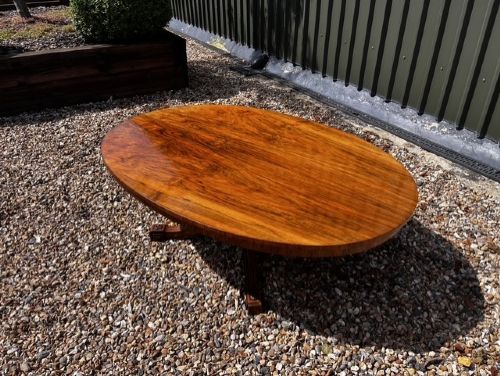
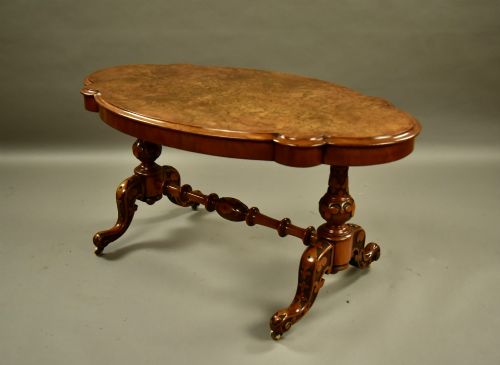
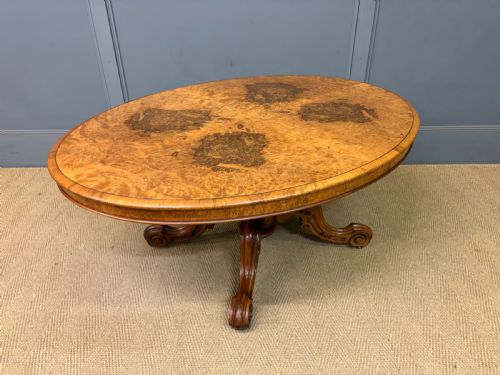
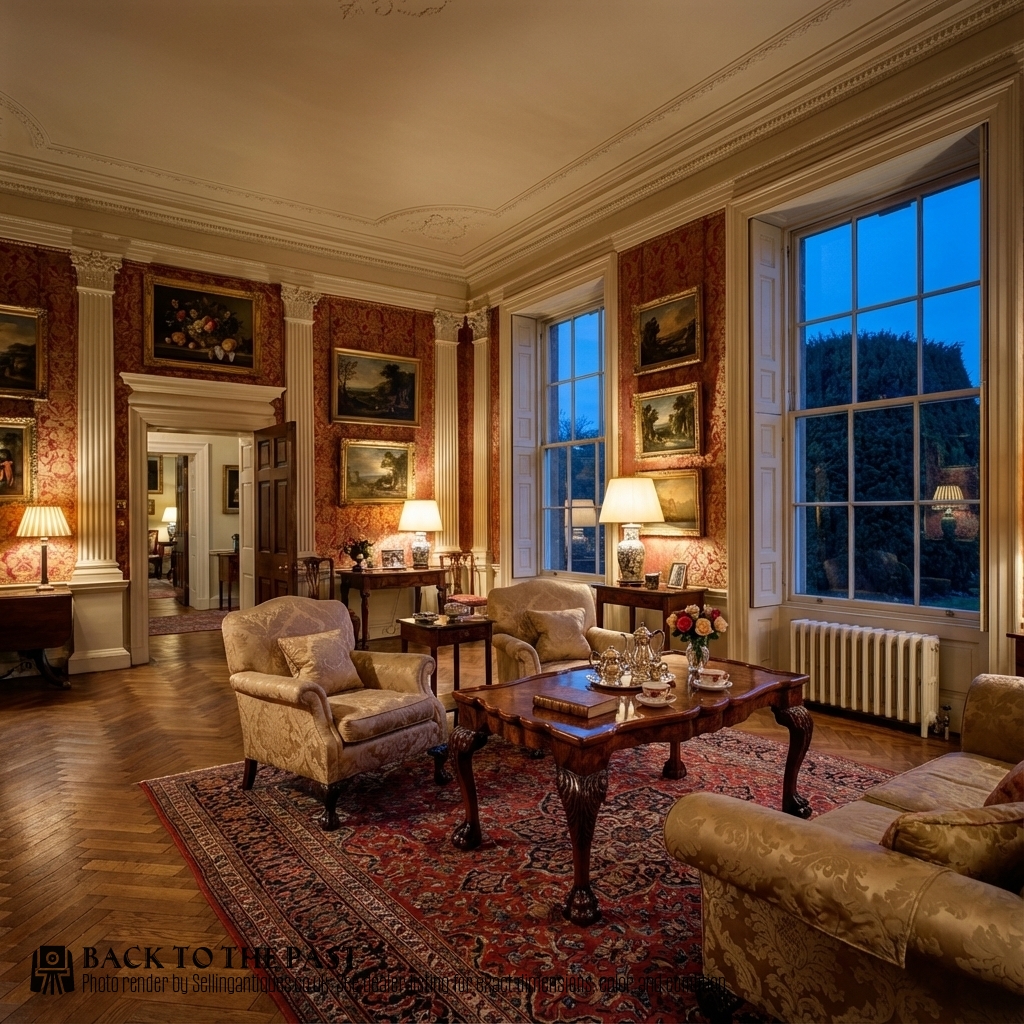
These edwardian walnut coffee table pieces combine rich grain and practical low forms, offering a warm centrepiece for a sitting room.
What these tables are
An edwardian walnut coffee table appears in several distinct formats throughout the listings, including circular models, dropleaf designs, and nest of three tables. The material selection spans plain walnut, burr walnut, figured walnut, and satin walnut, often matched with occasional or side table functions.
The historical spread reaches beyond the Edwardian period itself into Victorian examples, Queen Anne Revival pieces, and later twentieth century interpretations up to nineteen thirty. Formats range from large sized surfaces to compact occasional tables suited for magazines and side use.
How they were made
Makers utilised wood as the primary medium, specifically selecting walnut and burr walnut for their decorative grain patterns. Some items integrate birdseye maple alongside the walnut structure.
Construction techniques include turned pillars, carved French detailing, and dropleaf mechanisms, while certain iterations incorporate glass tops, serving trays, and nesting configurations.
Retail Price Guide 2026
Typical UK retail prices for edwardian walnut coffee table, calculated from the Sellingantiques database of over a million retail prices indexed since 2003. This retail price guide relies exclusively on Sellingantiques data; no external sources or auction records are used, so the figures do not describe the wider market.
Listings feature walnut, burr walnut, and birdseye maple across Edwardian, Victorian, and later periods.
What varies in quality
Quality rests upon the selection and figuration of the timber, where heavily marked burr walnut or figured walnut commands greater visual presence than plain grain. The sophistication of the construction, such as French carved details or turned pillar supports, separates standard workshop output from finer cabinet work.
Provenance and maker attribution further distinguish exceptional examples, evidenced by documented pieces bearing London maker stamps like Holland and Sons. The complexity of the form, from simple dropleaf tables to nesting trios or tray combinations, dictates the tier of craftsmanship.
Holland and Sons
The Edwardian Walnut Coffee Table Glossary
- Burr walnut
- A prized timber harvested from walnut tree growths, yielding intricate swirling grain patterns used for decorative table surfaces.
- Dropleaf
- A table design featuring hinged flaps on the sides that can be folded down to save space or raised to expand the surface area.
- Queen Anne Revival
- A decorative style popular in the Edwardian era that reinterprets eighteenth-century furniture forms, often featuring cabriole legs and curved lines.
- Nest of tables
- A set of graduated tables designed to fit neatly one beneath another when not in use.
- Figured walnut
- Wood grain showing distinctive natural patterns and markings, selected for aesthetic prominence on tabletops.
Frequently Asked Questions
What defines an Edwardian coffee table?
These tables date primarily from the early twentieth century and showcase walnut timber, often utilising burr or figured grain variations.
They appear in formats such as circular tops, dropleaf surfaces, and nests, reflecting the domestic habits of the period.
How do I care for walnut wood?
Walnut benefits from regular dusting with a soft, dry cloth and protection from direct sunlight and excessive heat sources.
Avoid chemical polishes that can build up on the antique timber surface over time.
What is burr walnut?
Burr walnut comes from a tree growth or deformity that produces dense, swirling clusters of grain rings.
Cabinet makers veneer tabletops with this timber to create rich, highly decorative visual patterns.
How do I spot a Queen Anne Revival piece?
Queen Anne Revival furniture draws inspiration from early eighteenth-century design characteristics.
These pieces typically incorporate curved profiles and graceful proportions adapted for Edwardian homes.