


Burr Walnut Low Table
A burr walnut low table brings deep figured grain and rich brown warmth to a room, offering a functional surface with distinct historical character.
Burr Walnut Low Table
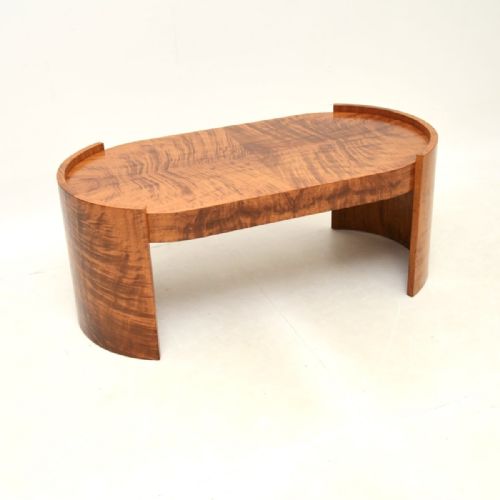
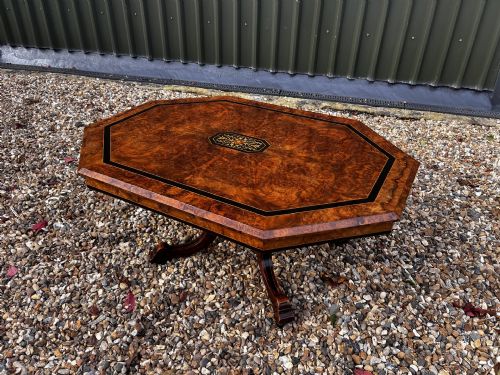
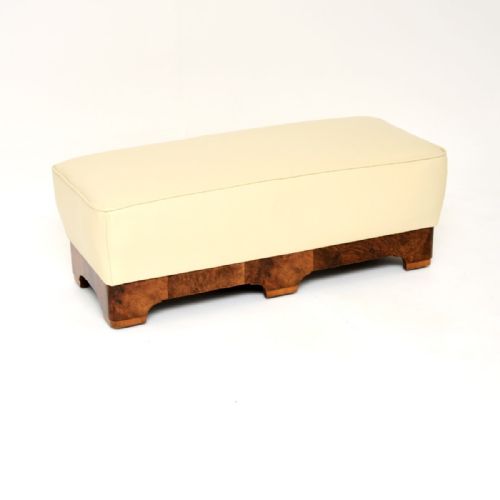
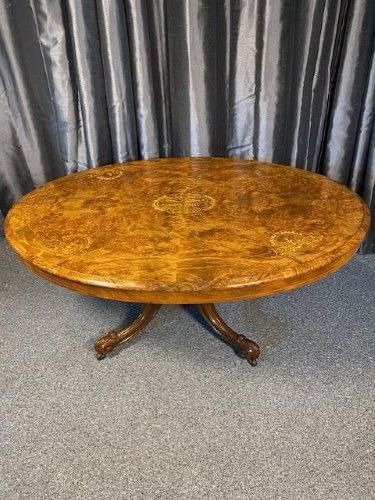
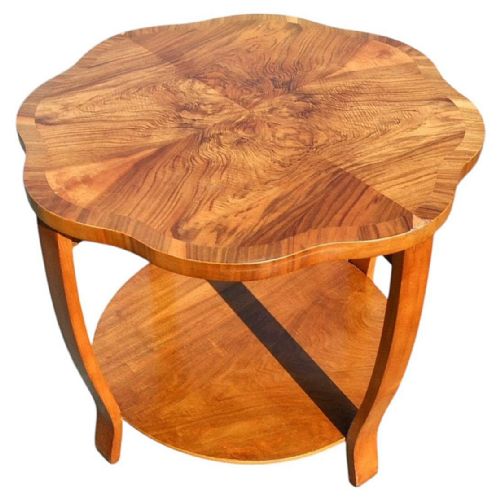
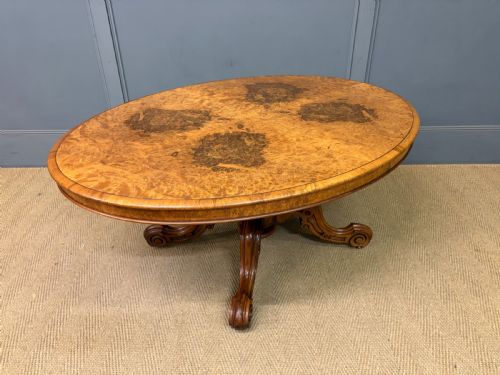
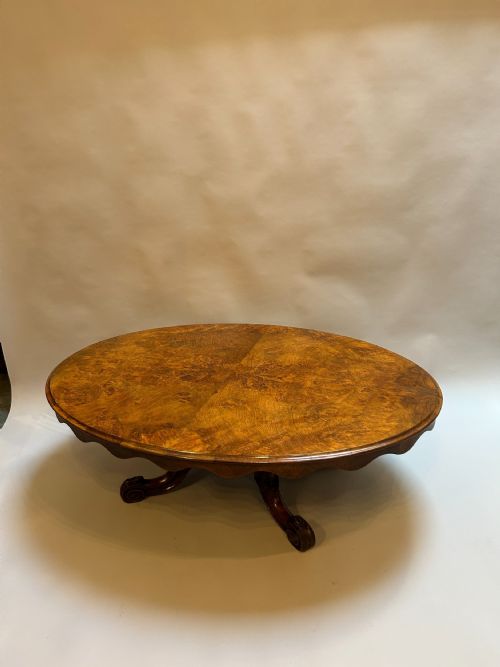
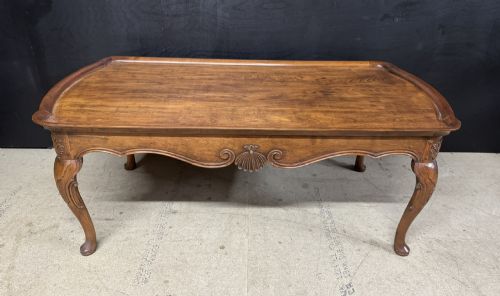
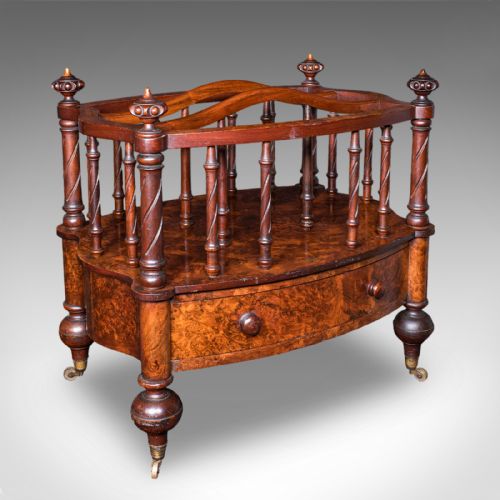
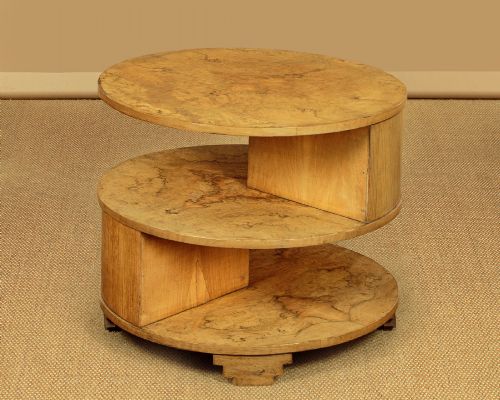
When you search for a burr walnut low table, you encounter pieces designed for sitting rooms and parlours across several distinct eras. The selection spans Victorian examples with rich marquetry alongside streamlined Art Deco designs and revival pieces from the early twentieth century.
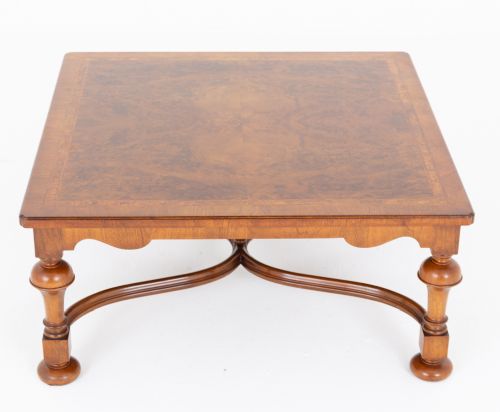
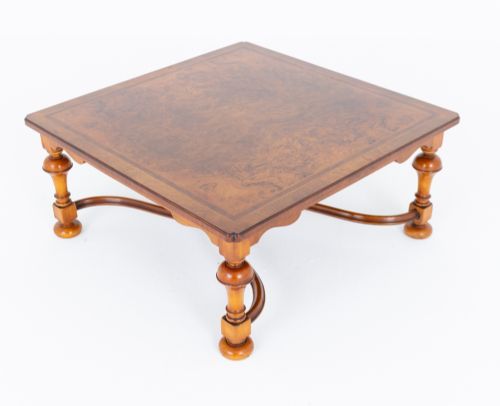
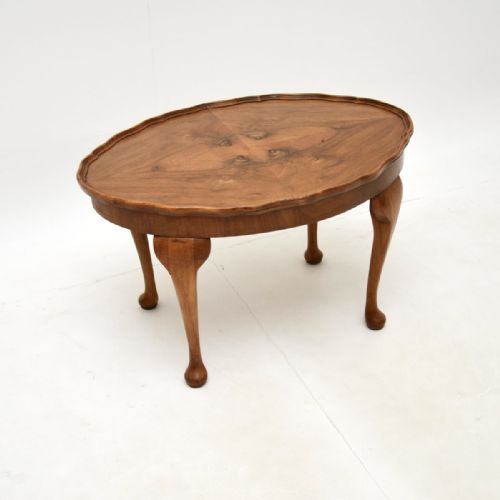
The dominant forms on this page include low coffee tables, occasional tables, and lowboys originally adapted for various domestic uses. Many retain proportions suited to modern seating, whether shaped as oval, circular, octagonal, or pie-crust tables.
Origins stretch from English workshops to French makers, encompassing both dedicated low furniture and taller Victorian tables lowered during later repurposing. The common thread uniting them is the distinctive use of burr walnut veneer across the primary surface.
How they were made
Cabinet makers constructed these tables using solid timber frames faced with burr walnut veneer, selecting sections of timber taken from tree growths where the grain swirls into intricate knots and patterns. This veneer was carefully applied to tabletops, sometimes enhanced by contrasting boxwood inlay or marquetry.
Support structures varied by period, utilising turned pedestals, tripod bases, cabriole legs in the Queen Anne style, or cast iron supports on later adaptations. Joinery relied on traditional techniques appropriate to the decade, from Victorian hand-carving to the cleaner geometric lines of the Art Deco period.
Burr Walnut Low Table Retail Price Guide 2026
Typical asking prices for burr walnut low table among the pieces listed under this phrase on Sellingantiques today, from the lower quarter to the upper quarter. They describe what is for sale here now, not the wider market.
Some Victorian tables were later given a second lease of life by being mounted onto modern cast iron tripod bases.
What varies in quality
Quality in a burr walnut low table rests upon the density and visual impact of the veneer figures rather than mere age. The most accomplished pieces display symmetrical matching of the grain across the entire surface, creating an unbroken decorative pattern.
Casting, carving, and secondary timbers also divide standard production from exceptional workshops. Finer examples exhibit crisp edge mouldings, precise marquetry, and robust structural framing that maintains stability without clumsy reinforcement.
Gillows of Lancaster·Waring and Gillow·Maples·C W Burns·Hille of London
The Burr Walnut Low Table Glossary
- Burr walnut
- A veneer sliced from the woody growths on walnut trees that produces a highly figured, swirling grain pattern. It forms the defining decorative element of these tables.
- Marquetry
- The art of applying small pieces of veneer to a structure to form decorative patterns or pictures. It often appears on Victorian and Edwardian tabletops.
- Lowboy
- A small kneehole dressing table or side table with one or more rows of drawers. Many examples in this style function today as low coffee or lamp tables.
- Pie crust
- A raised, carved tabletop edge shaped in undulating curves resembling pastry work. This decorative flourish is frequently found on circular and oval walnut tables.
Burr Walnut Low Table: Frequently Asked Questions
What is a burr walnut low table used for?
These pieces function primarily as coffee tables, low occasional tables, or lamp stands in living spaces. Their low height and decorative surfaces suit placement before sofas or beside armchairs.
Historically, some started life as taller tables or dressing pieces before being adapted for modern seating arrangements. Their finished tops display natural wood patterns that serve as a focal point in a room.
How do I date a burr walnut low table?
Dating relies on combining the structural style, leg forms, and secondary timbers with any maker marks or historical context. Victorian examples often feature heavy pedestal bases or elaborate marquetry, while Art Deco pieces display cleaner, geometric silhouettes from around nineteen-thirty.
Revival styles can complicate dating because makers in the early twentieth century faithfully copied Queen Anne and Georgian designs. Examining the interior drawer construction and the type of veneer backing helps clarify the actual period of manufacture.
How do I care for burr walnut furniture?
Protect the polished veneer surface by keeping tables away from direct heat sources and strong sunlight, which can dry out and fade the wood. Use coasters and mats to prevent moisture rings and heat damage to the polish.
Dust regularly with a soft, dry cloth and occasionally apply a suitable wax polish to nourish the timber. Avoid silicone-based sprays that build up residue and degrade the antique finish over time.
Are all these tables originally low?
Not every table listed as a low table started its life at this height. Some nineteenth-century centre tables, breakfast tables, and dressing table bases have been professionally reduced in height to serve as coffee tables.
Converted pieces retain the proportions and quality of their original period while meeting modern interior requirements. Listings usually indicate whether a piece is an original low form like a lowboy or a converted table.