

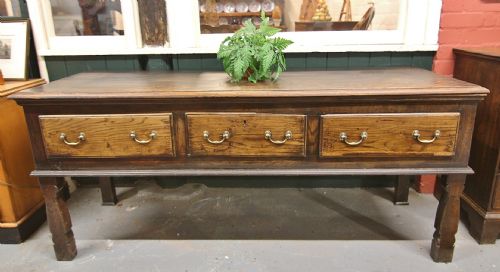
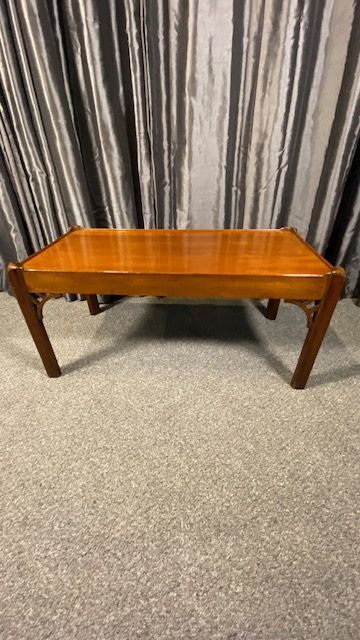
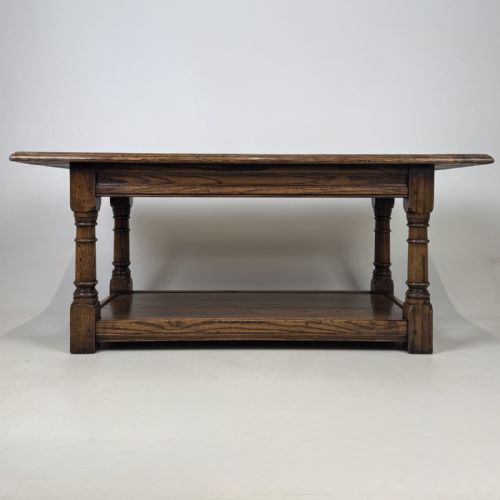
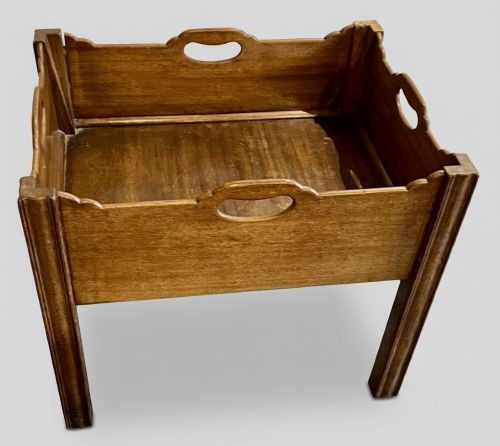


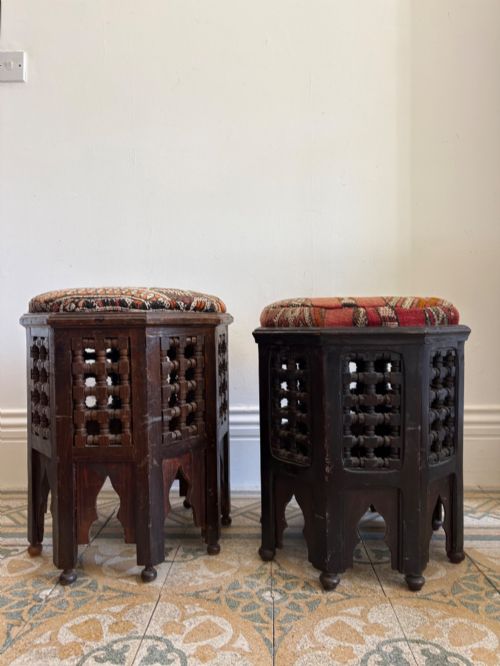
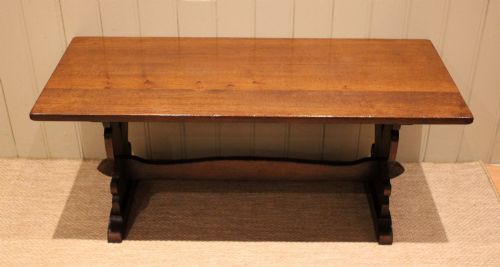
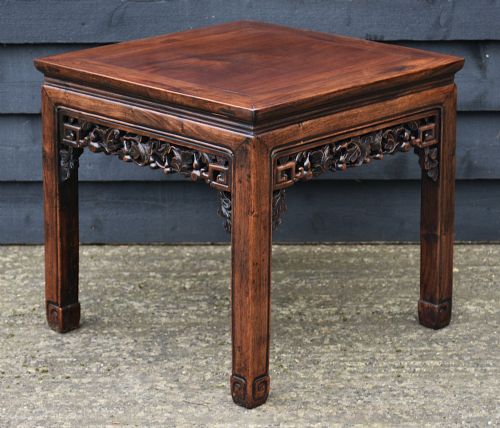
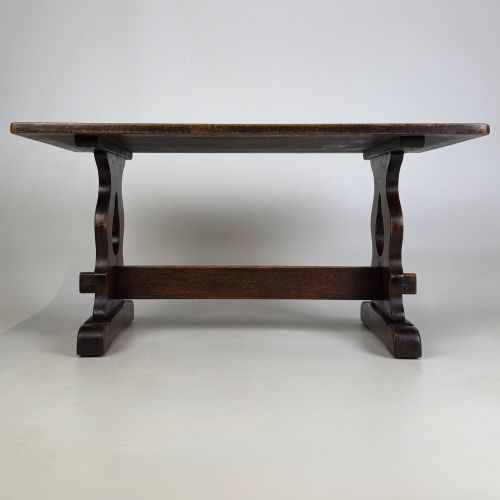
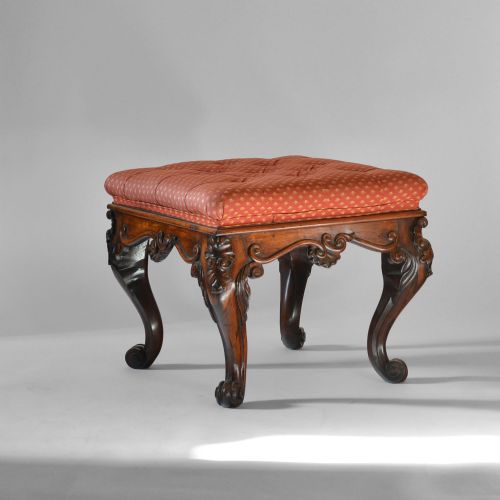
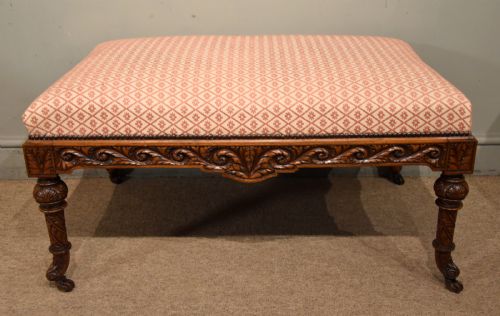
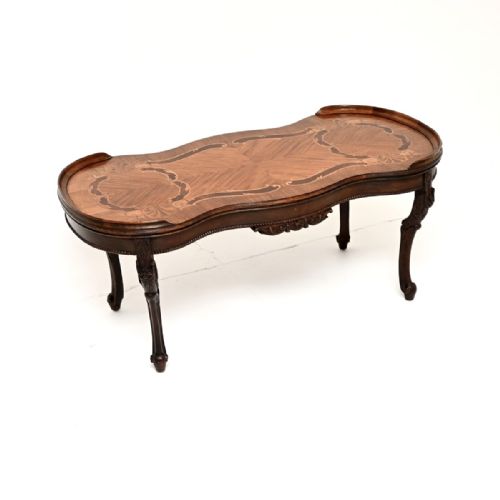
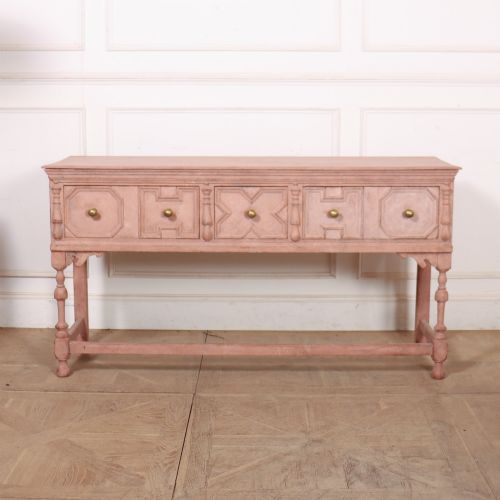
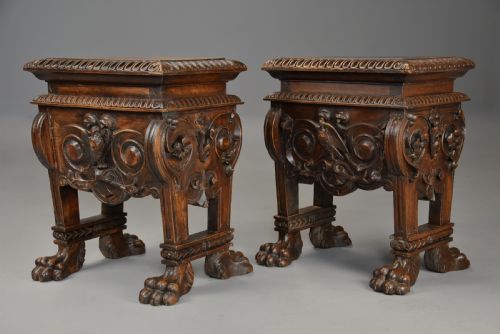
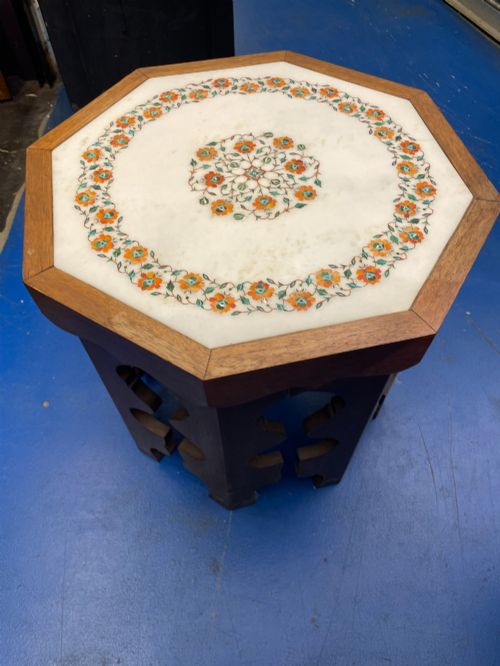
Carved Wooden Low Table
A carved wooden low table brings warmth and low-profile utility to a room, spanning styles from Anglo-Indian rosewood to sturdy oak coffee tables.
Carved Wooden Low Table
A carved wooden low table encompasses pieces designed for low placement, ranging from traditional coffee tables and opium tables to converted stools, benches, and occasional stands.
The selections here span from the 18th century through the Victorian period, Edwardian era, and into the 20th century, drawing on diverse origins including English, French, Italian, Chinese, and Anglo-Indian traditions.
Buyers frequently encounter solid oak coffee tables alongside exotic hardwoods like Chinese rosewood and padouk, as well as walnut and elm variants.
How they were made
Construction relies heavily on solid timbers such as oak, walnut, mahogany, and various hardwoods, frequently joined with traditional methods seen in joint stools and refractory furniture.
Carving and surface ornamentation define many pieces, incorporating intricate fretwork panels, marquetry inlay, painted finishes, and sometimes marble tops or brass elements.
Carved Wooden Low Table Retail Price Guide 2026
Typical asking prices for carved wooden low table among the pieces listed under this phrase on Sellingantiques today, from the lower quarter to the upper quarter. They describe what is for sale here now, not the wider market.
Listings feature oak, walnut, mahogany, and elm across periods spanning the 18th, 19th, and 20th centuries.
What varies in quality
Quality rests on the integrity of the timber selection, distinguishing dense burr walnut and seasoned oak from simpler utilitarian woods.
The crispness and depth of the hand carving dictate the aesthetic merit, separating standard production from finely detailed regional or period craftsmanship.
The Carved Wooden Low Table Glossary
- Joint stool
- A sturdy wooden stool constructed with mortise and tenon joints, often utilised as a low surface or stand.
- Marquetry
- The art of applying decorative veneer pieces to a structure to form intricate geometric or floral designs.
- Opium table
- A low, traditionally Chinese wooden table designed for domestic use, frequently featuring recessed legs and subtle carving.
- Burr walnut
- A prized timber cut from walnut tree growths, valued for its swirling, highly figured grain patterns on table tops.
Carved Wooden Low Table: Frequently Asked Questions
Are these tables sturdy enough for daily use?
Most pieces are built from solid hardwoods like oak or walnut, making them robust for everyday placement as coffee or occasional tables.
Heavier carved details and antique joints require standard care rather than rough handling.
How do I identify the period of a low table?
Dating relies on timber choice, construction techniques, and stylistic revival cues such as Jacobean or Queen Anne influences.
Examining the underside and joinery often reveals the age more clearly than surface appearance alone.
Where were these low tables originally made?
The collection draws from diverse regions, including English oak workshops, French provincial makers, and Anglo-Indian or Chinese studios.
This global spread accounts for the wide variation in carving styles and exotic wood types.
Can I mix these styles with modern interiors?
Low proportions and natural wood tones allow period pieces to anchor contemporary living spaces effectively.
Pairing an ornate Chinese rosewood table or a plain oak plank top with modern seating adds textural contrast.