

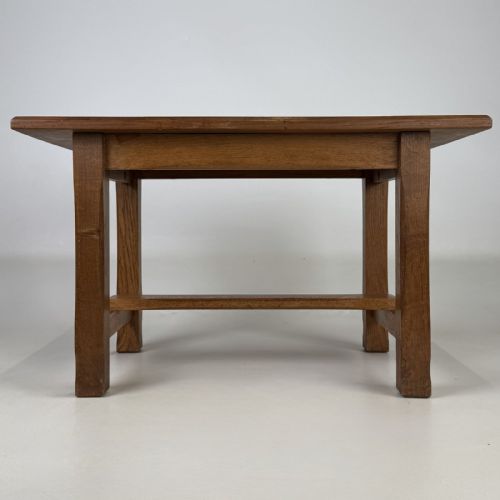

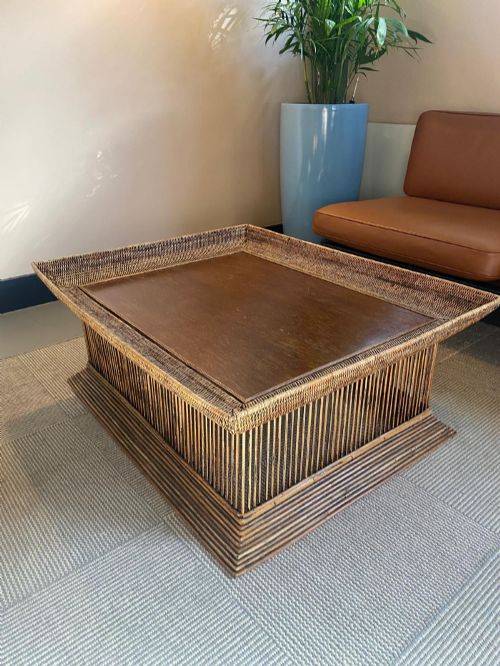
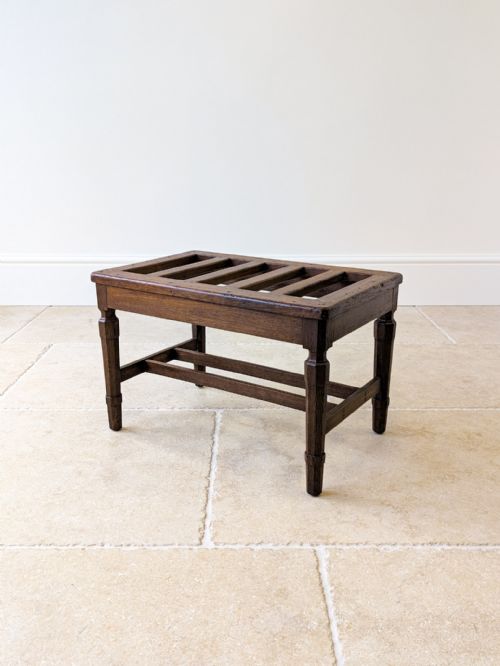
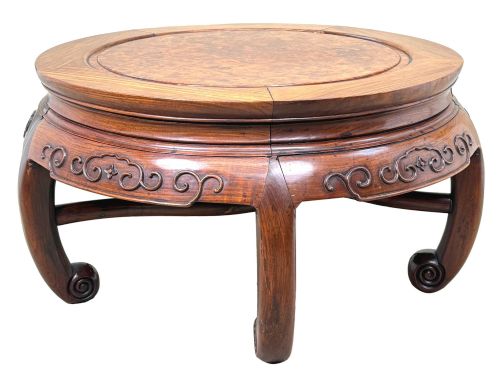

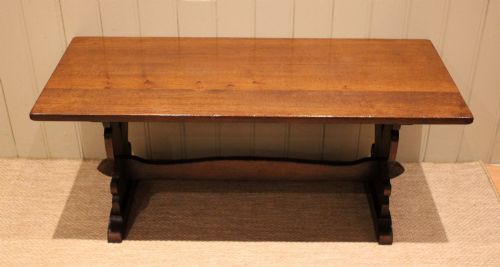
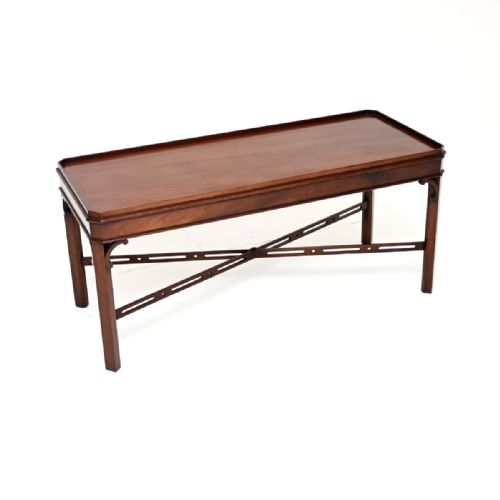
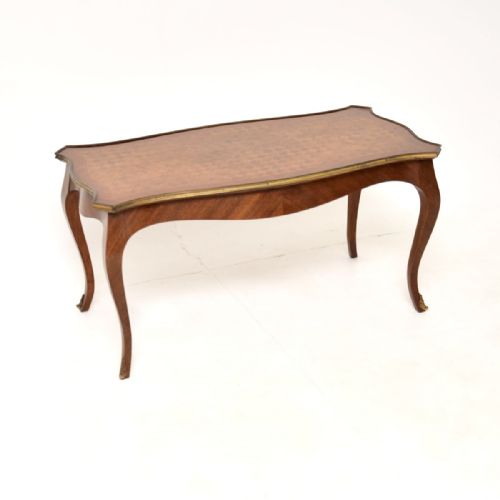
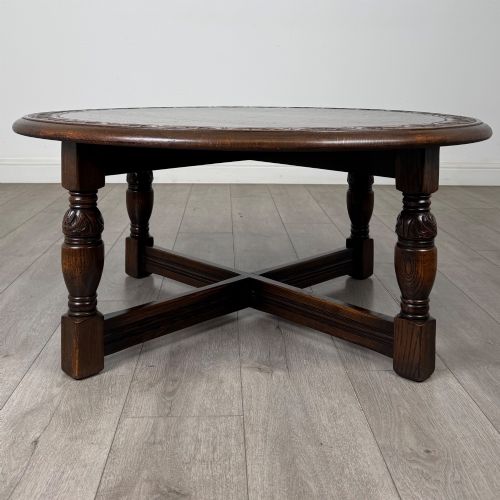
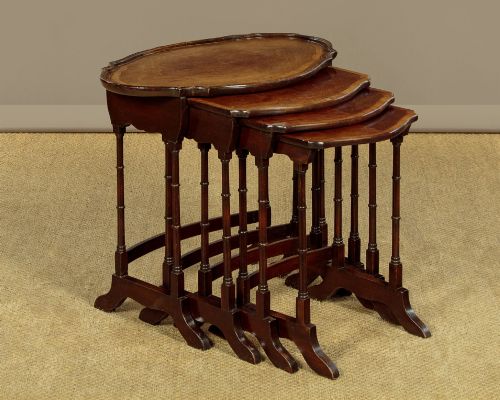
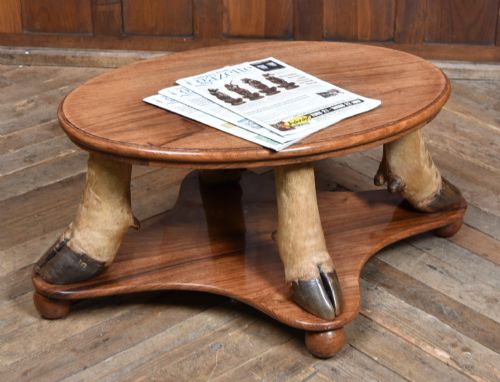
Brown Wood Low Table
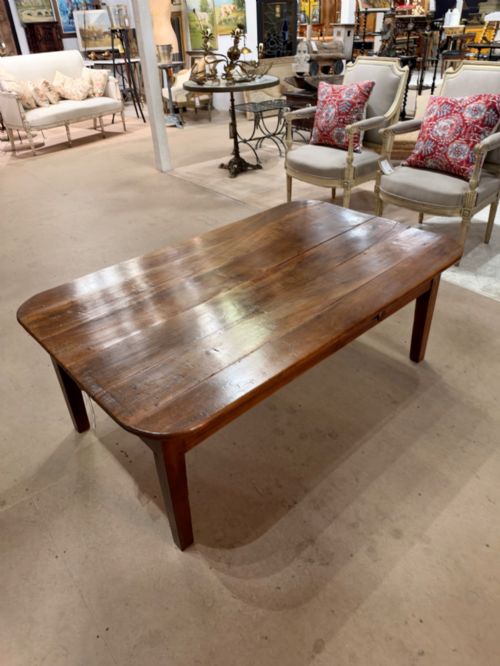
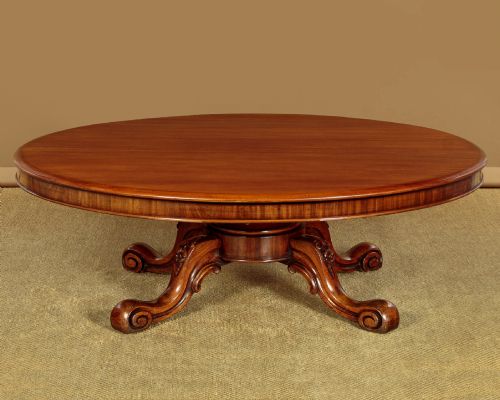
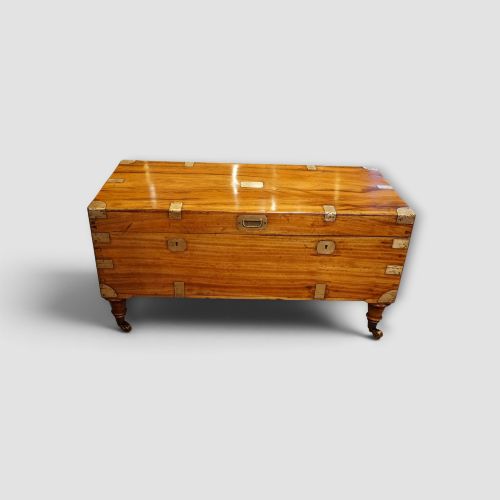
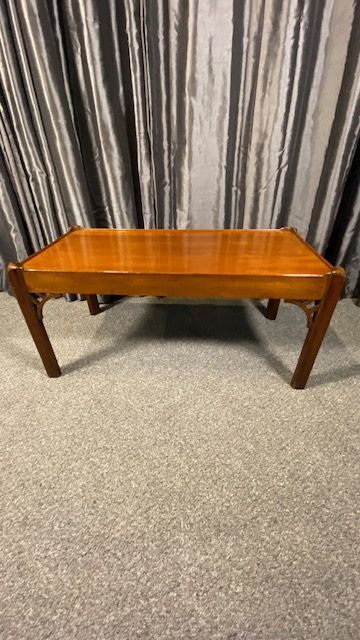
A brown wood low table brings warmth and utility to a seating area, offering a grounded surface made from walnut, elm, and kingwood.
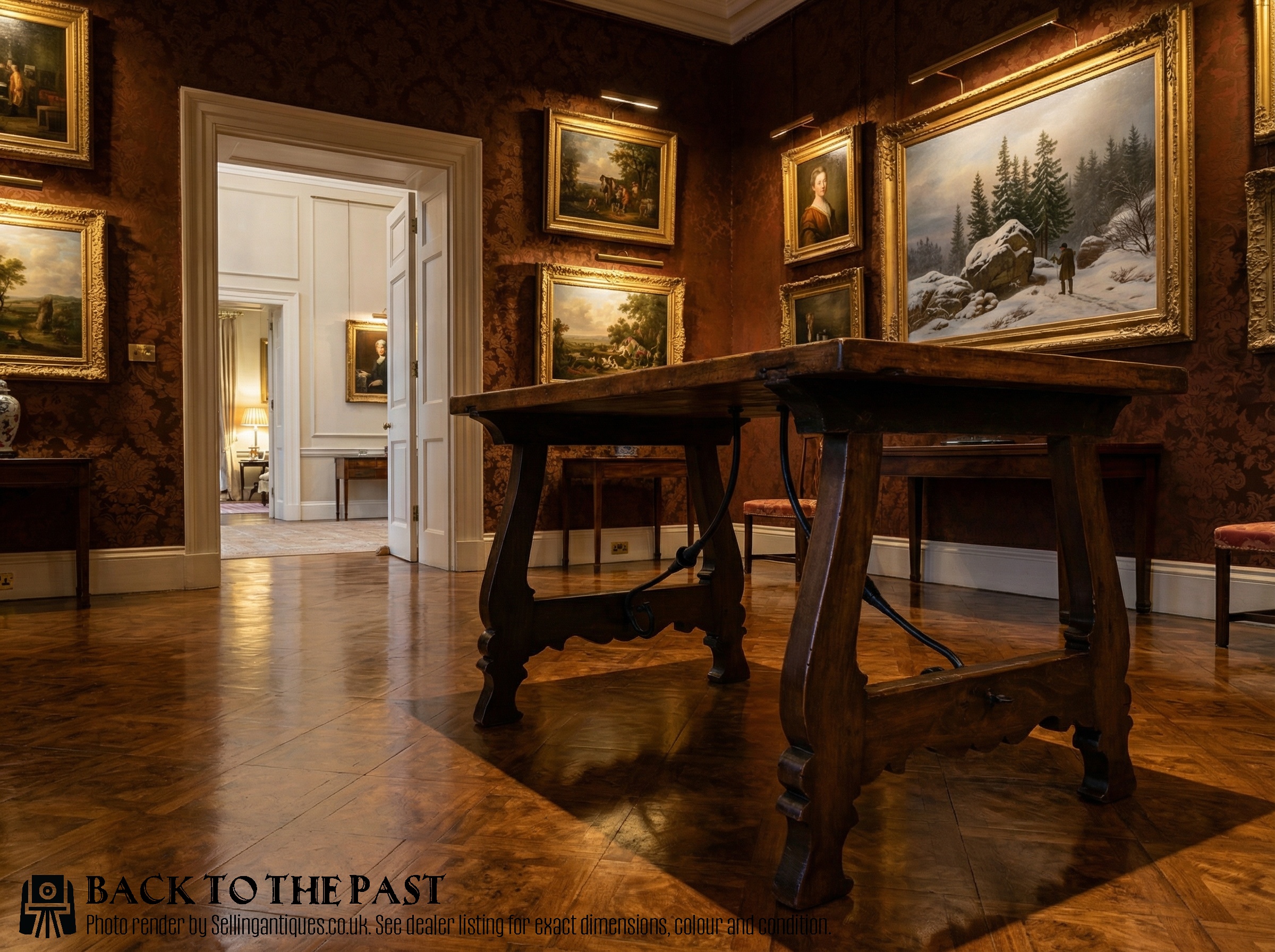
Brown Wood Low Table
When searching for a brown wood low table, buyers encounter coffee tables shaped by traditions spanning the nineteenth century through to nineteen thirty. The selection includes French inlaid parquetry, rustic country elm, and Victorian walnut pieces.
The most common forms on this page are walnut coffee tables from the Victorian era and the early decades of the twentieth century. These low tables serve everyday domestic use while displaying distinct regional and period characteristics.
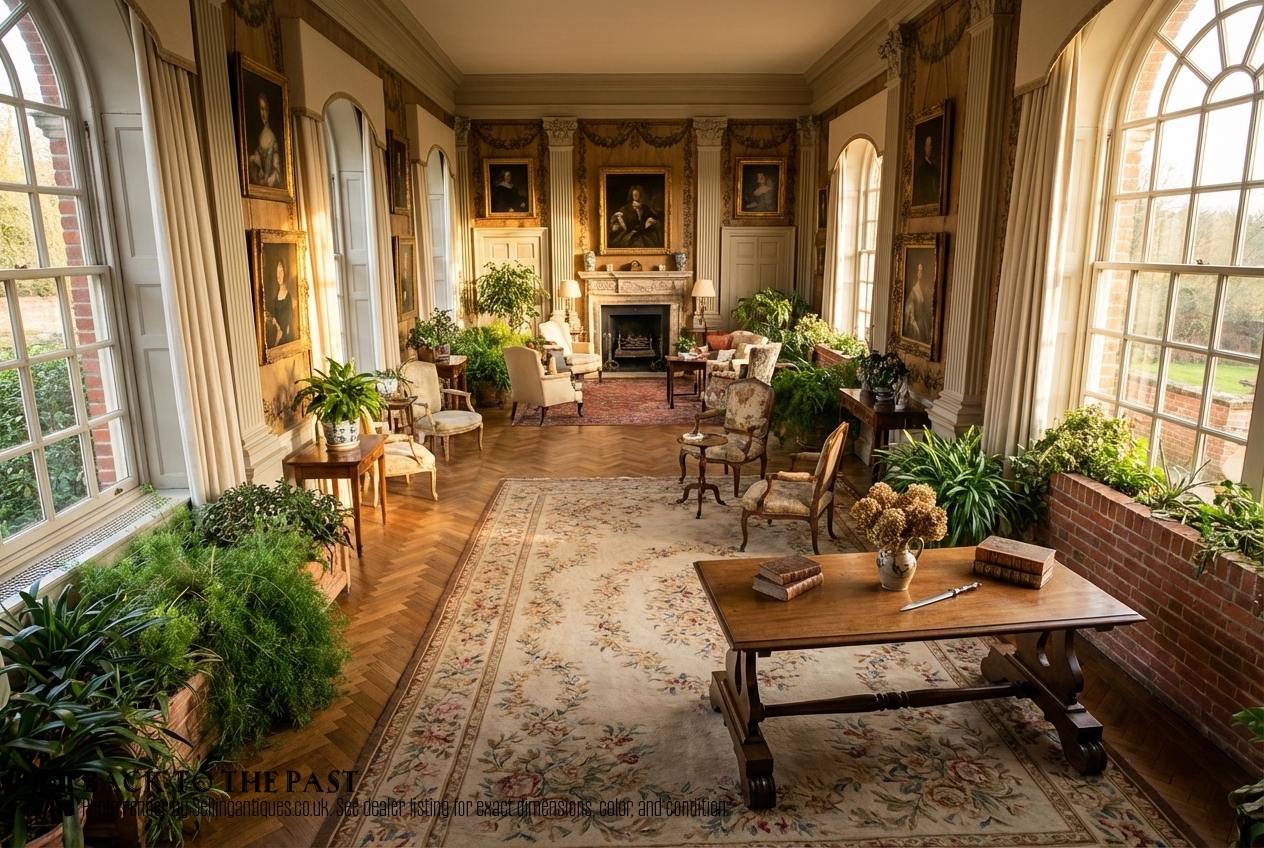
How They Were Made
Carpenters utilised solid timbers such as elm and walnut, alongside decorative veneers including burr walnut and kingwood. Marquetry inlay added geometric and floral patterns to French and continental surfaces.
Structural elements incorporated brass fittings and wrought iron to reinforce joints and support low timber frames. Traditional hand-joining techniques secured the tops to the legs across both rustic country and refined urban pieces.
Brown Wood Low Table Retail Price Guide 2026
Typical asking prices for brown wood low table among the pieces listed under this phrase on Sellingantiques today, from the lower quarter to the upper quarter. They describe what is for sale here now, not the wider market.
Listings feature items from the nineteenth century, nineteen twenty, nineteen thirty, and the Victorian period.
What Varies in Quality
The distinction between ordinary and exceptional tables lies in the selection of timber and the precision of surface decoration. Burr walnut veneer and intricate parquetry display a higher degree of artisan skill than plain plank construction.
Proportion and material integrity dictate the standing of a piece, where tight grain matching and well-fitted brass or iron hardware elevate the object from standard utility to refined craftsmanship.
The Brown Wood Low Table Glossary
- Parquetry
- Geometric wood inlay forming decorative patterns on table tops. This technique uses contrasting timbers to create visual depth.
- Walnut
- A dense, dark timber prized for its rich grain and stability. It forms the primary material for many nineteenth and twentieth century pieces.
- Elm
- A sturdy hardwood utilised in rustic country and regional tables. Its interlocking grain provides exceptional resistance to splitting.
- Burr Walnut Veneer
- Thin slices of decorative wood cut from walnut tree growths. It creates swirling, highly figured patterns across the surface.
Brown Wood Low Table: Frequently Asked Questions
What is a brown wood low table used for?
These pieces serve primarily as coffee tables positioned in front of seating areas in living rooms. They provide a sturdy horizontal surface for everyday items.
Historically, many started as taller tables or regional work surfaces lowered for modern domestic living. Their low profile keeps sightlines open across a room.
How do I date a walnut coffee table?
Dating relies on examining the timber grain, construction methods, and overall style cues. Victorian examples often feature dark walnut and traditional turnings.
Later pieces from the early twentieth century lean towards simpler lines or specific revival styles. Hardware and joinery inside the frame offer further clues to the decade of manufacture.
Are rustic elm tables durable?
Elm possesses a tough, interlocking grain that makes it resistant to splitting under heavy daily use. This resilience suited it well for regional and country furniture.
Over decades, the timber develops a distinct character through natural wear and handling. Regular maintenance preserves the matte finish of the wood.
What is parquetry inlay?
Parquetry involves arranging small geometric pieces of wood veneer to form patterns. Artisans fitted these pieces together precisely on the table top.
This technique highlights the contrasting natural tones of woods like kingwood and walnut. It demands high precision from the maker to ensure a smooth surface.