

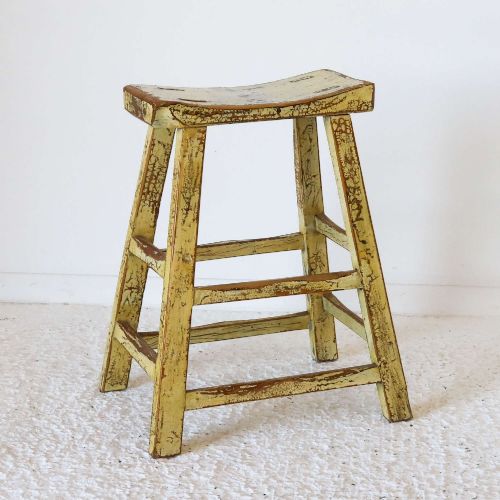
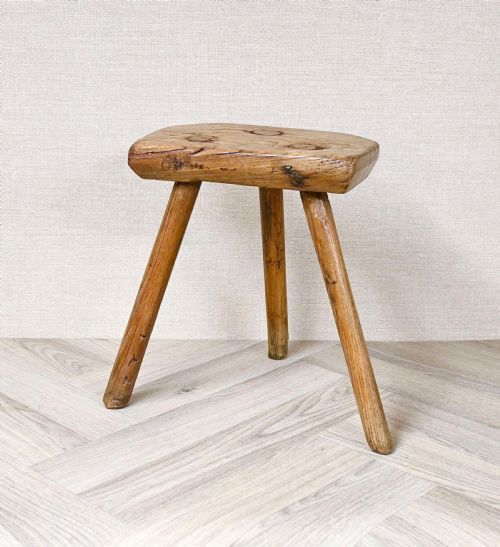

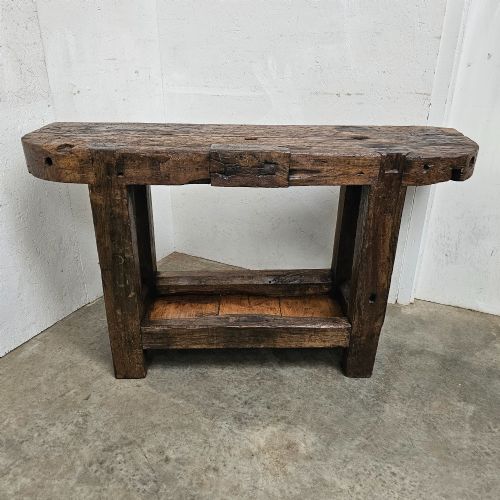


Antique Elm Bench
When you search for an antique elm bench, you enter a world of honest utility, where dense timber and regional craftsmanship meet everyday domestic life.
Antique Elm Bench
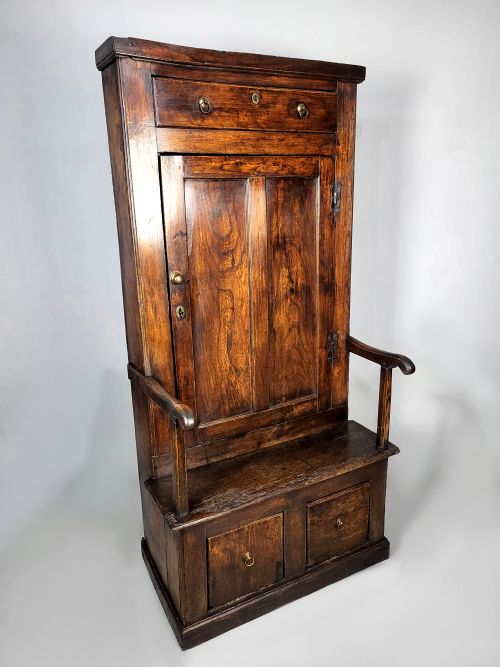
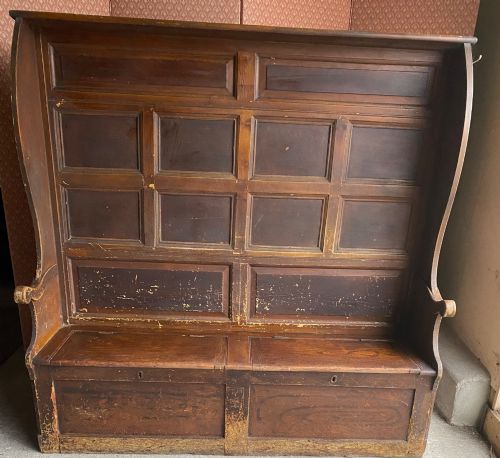
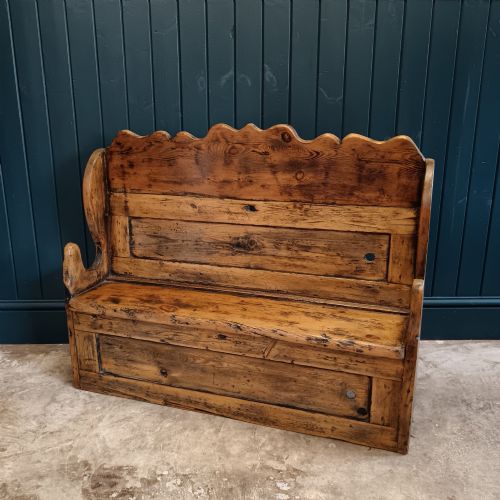
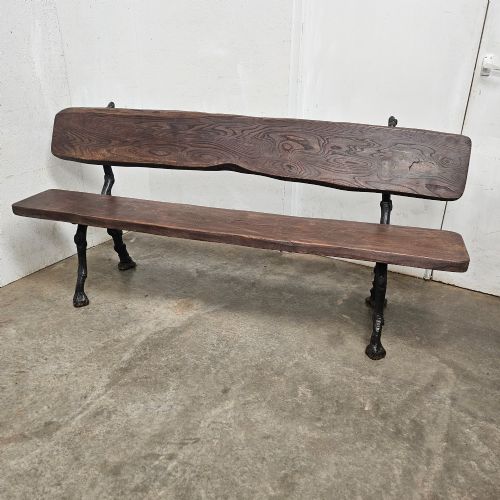
An antique elm bench is a functional seating form rooted in domestic, rural and provincial history, spanning long hallway benches, box settles, and low provincial forms. These pieces bridge the gap between utilitarian workshop items and country house furniture, shaped by generations of practical use.
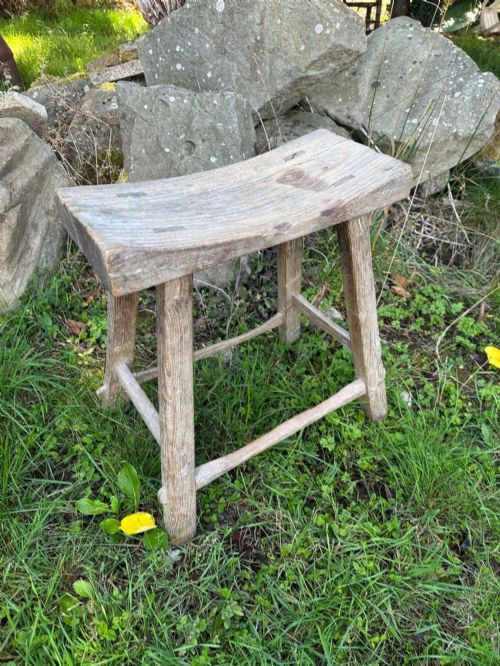
You are most likely to encounter nineteenth-century English and French country examples, alongside Georgian period settles and regional pig benches. These varieties offer distinct regional characteristics, from simple plank-top forms to enclosed settles with integrated storage.
The aesthetic leans heavily into rustic country and provincial styles, showing the honest wear of farmhouse kitchens, taverns, and workshops. They serve equally well today as window seats, hallway perches, or low coffee tables in contemporary interiors.
Materials and construction methods
Makers relied primarily on solid elm for its tough, interlocking grain, often pairing it with secondary hardwoods like oak, ash, or sycamore for structural stability. This dense timber resisted splitting under heavy everyday loads, making it ideal for continuous domestic service.
Joinery techniques combined traditional pegged mortise and tenon joints with primitive bodging methods, utilising natural burls, burr elm, and thick plank tops. Surfaces were hand-planed and left with an original finish, acquiring natural patination and rich colour through decades of use.
Antique Elm Bench Retail Price Guide 2026
Typical asking prices for elm bench among the pieces listed under this phrase on Sellingantiques today, from the lower quarter to the upper quarter. They describe what is for sale here now, not the wider market.
Listings feature items spanning the seventeenth to the early twentieth century, incorporating English, French, and Chinese regional forms.
Distinctions in quality and execution
Quality rests in the integrity of the original timber and the survival of an untouched surface, where deep patination and honest wear reflect decades of honest service. Pieces retaining their original finish and structural framing stand apart from heavily restored or altered examples.
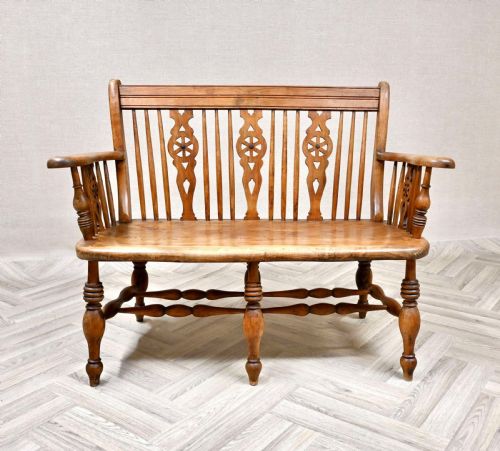
Proportion and construction balance define the finer pieces, such as a Georgian settle with panelled backs or a cleanly turned Windsor bench seat. The skill of the regional maker shows in how well the wild, interlocking grain of the elm was managed to prevent warping over time.
The Antique Elm Bench Glossary
- Settle
- A wooden bench with a high back, solid arms, and often an enclosed box base used for storage. This form kept draughts away from the sitter in vernacular interiors.
- Pig bench
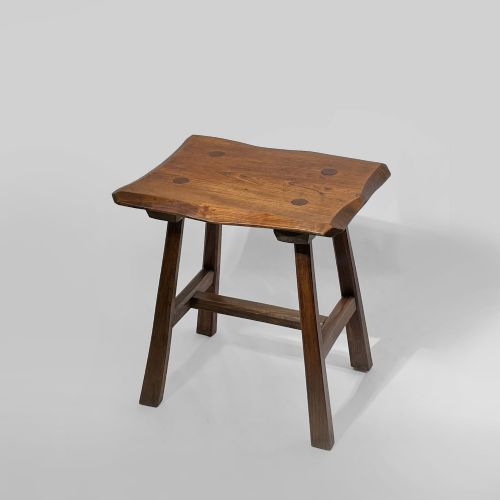
- A low, sturdy wooden bench historically used in rural farmhouses for butchery or general kitchen tasks. These sturdy forms now find favour as low coffee tables.
- Windsor
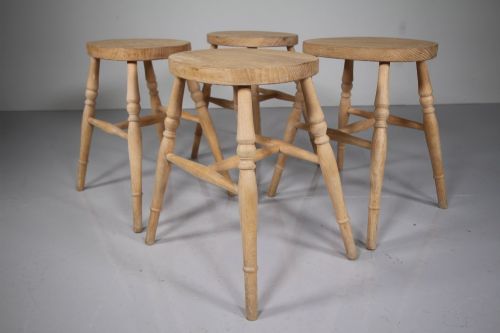
- A style of wooden seating characterised by turned legs and spindles inserted into a solid carved seat. This construction method offers lightweight strength.
- Treen
- Small handmade wooden household objects and utensils created by traditional turners and craftspeople. These items display the same turning skills found in vernacular furniture legs.
- Patina
- The deep surface sheen and colour developed by wood over centuries through handling, polishing, and natural ageing. This quality signals genuine age and continuous use.
Antique Elm Bench: Frequently Asked Questions
What is a bacon settle?
A bacon settle is a high-backed wooden bench featuring an enclosed compartment or integrated hanging space beneath the seat or back. Historically, farmhouses used these pieces to cure and store salted meats away from pests.
Today, they serve as substantial hallway or kitchen furniture with built-in storage. Their enclosed designs provide practical hiding spots for blankets and bulky items.
How do I style an antique elm bench?
These benches integrate smoothly into modern and traditional rooms alike, working well as hallway seating or paired with dining tables. Their warm wood tones ground minimalist spaces and add texture to neutral interiors.
Low variants function naturally as coffee tables in living areas. Placing a narrow form beneath a window creates an instant reading nook.
How can I tell the period of a bench?
Dating relies on examining construction marks, tool traces, and the way joints are pegged together by hand. Seventeenth and eighteenth-century examples often display wider single-plank seats and heavier panelled joinery.
Nineteenth-century iterations tend towards lighter country forms or revival styles like Reformed Gothic. Original finishes and honest wear patterns offer further clues to a piece's age.