
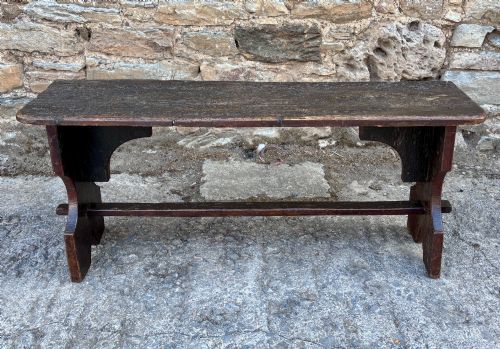
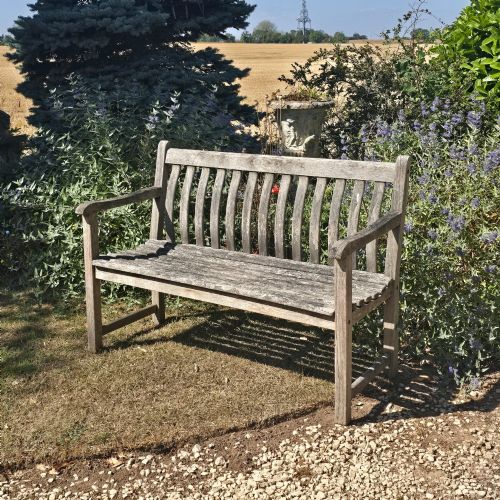
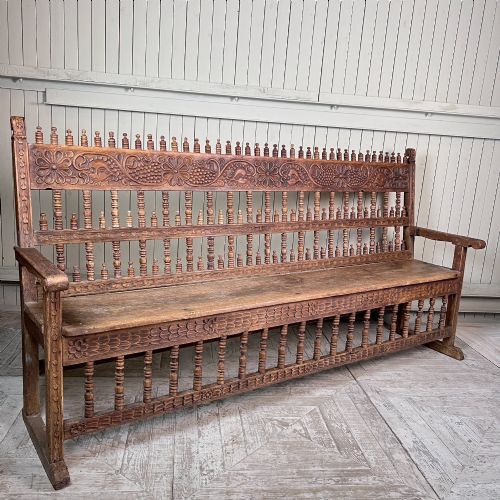
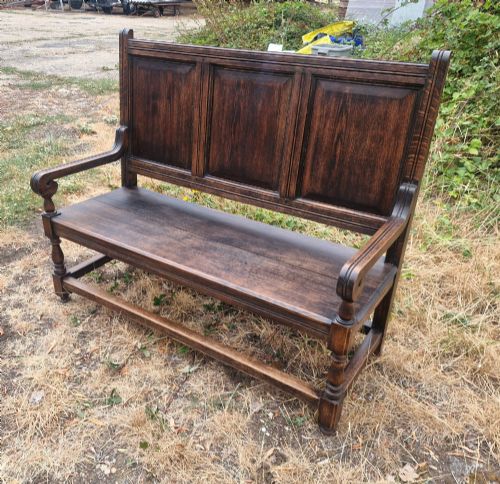
Traditional Timber Bench
A traditional timber bench brings grounded utility and honest grain to a hallway, garden or kitchen.

Traditional Timber Bench
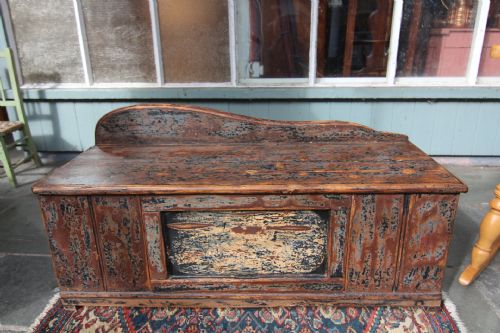
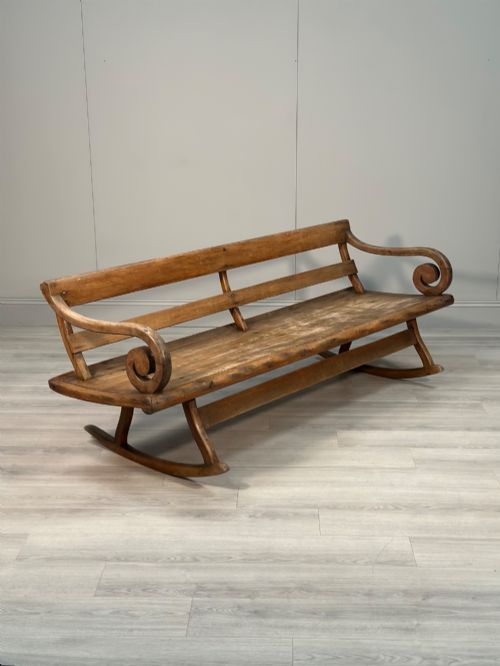
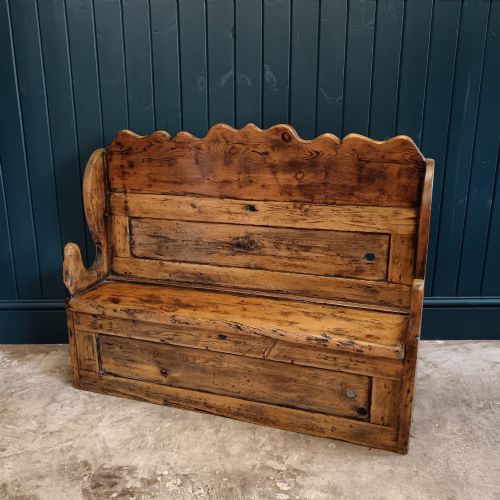
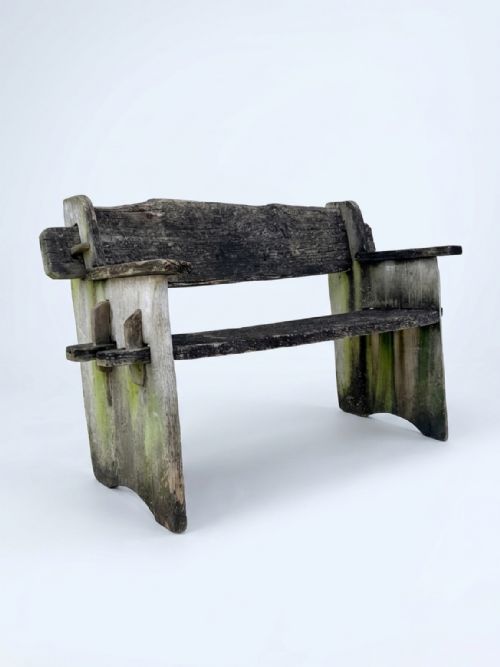
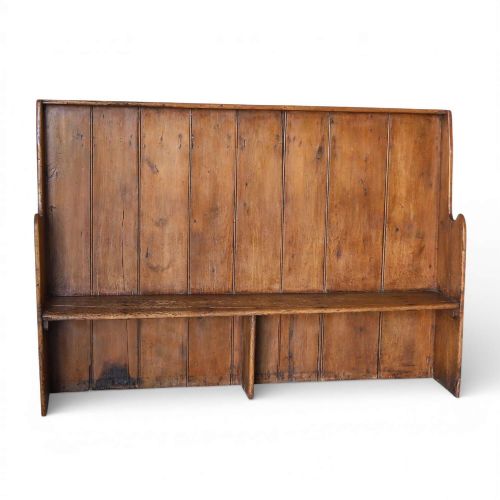
When you search for a traditional timber bench, you encounter sturdy seating designed for practical daily use across centuries. The selection spans robust elm settles, pine hallway seats and weather-resistant garden benches.
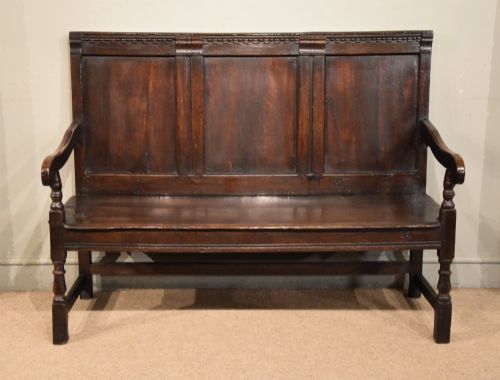
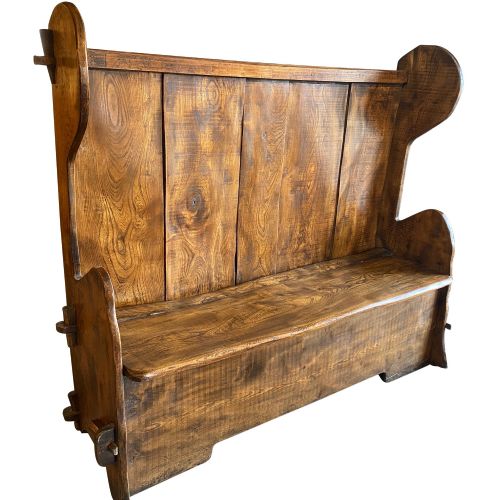
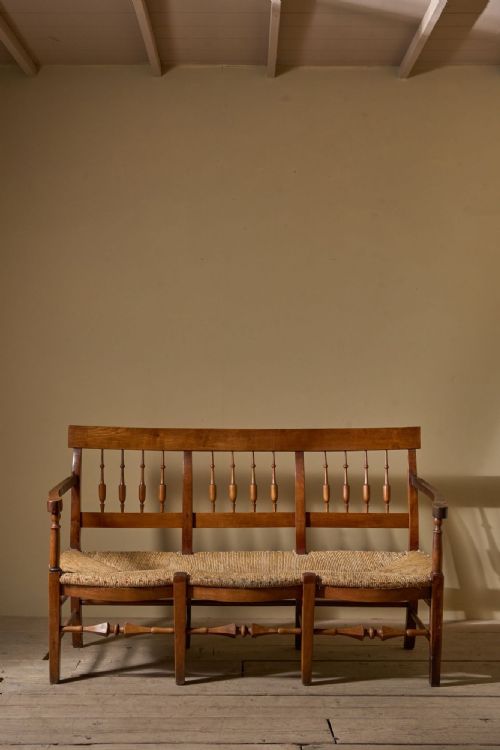
You are most likely to meet pieces originating from the eighteenth and nineteenth centuries, often showing regional English, French or Hungarian country character. Forms range from high-back settles with storage boxes to long slat-backed garden seats.
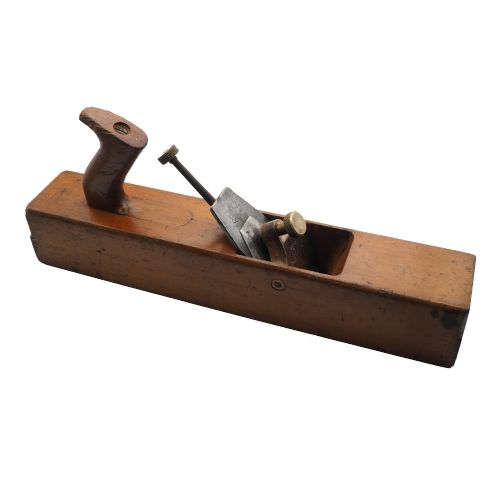
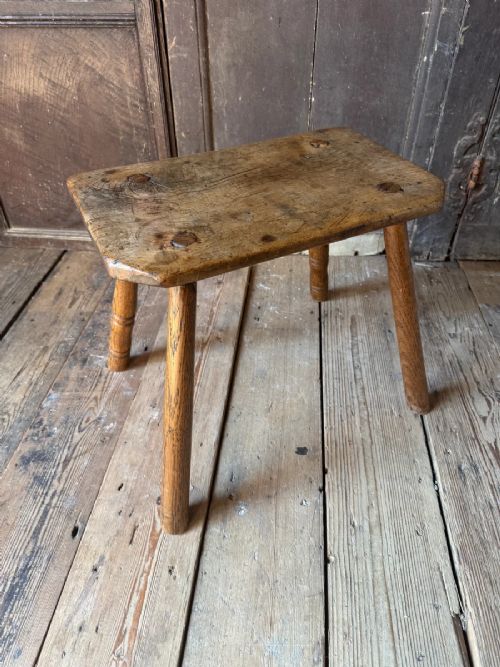
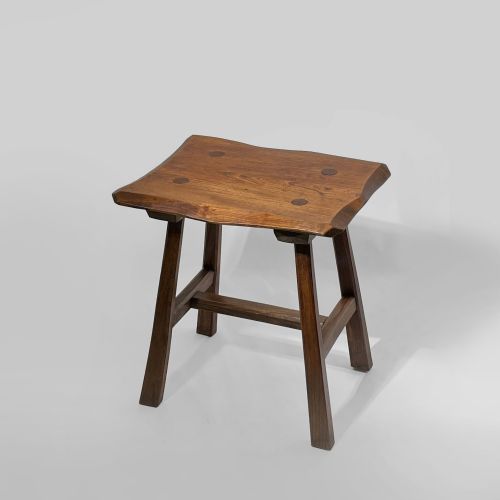
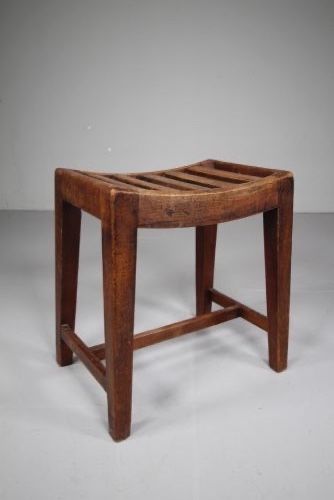
The category also encompasses utilitarian workshop benches and simple vernacular stools fashioned from native hardwoods. Each piece reflects the straightforward joinery of its period without unnecessary ornamentation.

How they were made
Constructed predominantly from solid native timbers such as oak, elm, pine and teak, these pieces rely on honest structural joinery. Pegged mortise and tenon joints secure the framework, while robust planks form the seats and backs.
Garden variants frequently combine timber slats with cast iron frames to withstand the elements, developing characteristic weathering over decades. Indoor examples utilise waxed, polished or painted finishes that highlight the natural grain of the wood.
Traditional Timber Bench Retail Price Guide 2026
Typical asking prices for traditional timber bench among the pieces listed under this phrase on Sellingantiques today, from the lower quarter to the upper quarter. They describe what is for sale here now, not the wider market.
Listings feature eighteenth and nineteenth century oak, pine, elm and teak benches alongside industrial workbenches and garden seating.
What varies in quality
Quality rests upon the integrity of the timber and the honesty of the construction, distinguishing humble utility from finer craftsmanship. Pieces fashioned from solid grown hardwoods like oak and elm retain structural stability better than softer alternatives.
The depth of the patina and the preservation of original surfaces dictate the visual appeal of an older piece. Examples that retain their early fixings and uncompromised proportions command greater interest among collectors.
The Traditional Timber Bench Glossary
- Settle
- A wooden bench with a high back, solid arms and often a box compartment beneath the seat for storage. This form kept draughts away in farmhouse kitchens.
- Patina
- The lustrous surface sheen developed on wood through years of handling, waxing and age. It serves as a visual indicator of authenticity.
- Vernacular
- Objects made by local craftsmen following regional traditions rather than formal academic styles. These pieces prioritise practical utility over high-fashion design.
- Weathering
- The natural silvering and textural degradation of outdoor timber exposed to sun and rain. Teak and pine garden seats display this characteristic ageing.
- Mortise and tenon
- A fundamental woodworking joint where a protruding tongue fits snugly into a matching cavity. This method secures sturdy frames without metal fasteners.
Traditional Timber Bench: Frequently Asked Questions
Where should I place a timber settle?
A high-back settle works effectively in a generous hallway or against a dining table to provide substantial seating. Its solid back helps block draughts in open spaces.
Ensure there is adequate floor clearance so the proportions do not overwhelm smaller rooms.
How do I care for antique pine?
Maintain waxed pine surfaces by applying a traditional beeswax polish periodically to nourish the grain. Avoid placing wooden furniture near direct heat sources to prevent splitting.
Dust regularly with a soft dry cloth to protect the accumulated patina.
How do I date an old bench?
Examine the tool marks, construction joints and timber types to establish the likely period of manufacture. Hand-sawn planks and pegged framing generally point to earlier centuries.
Compare the form and wear patterns against documented examples from regional traditions.