




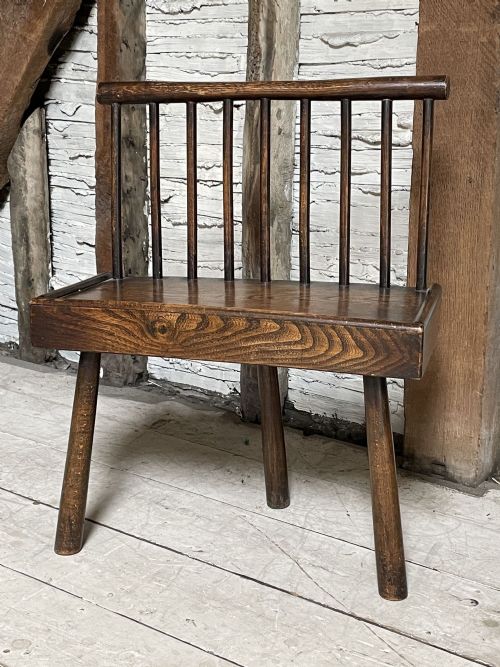
Primitive Oak Bench
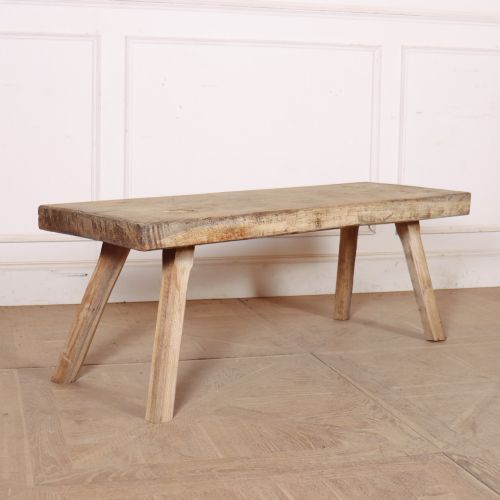
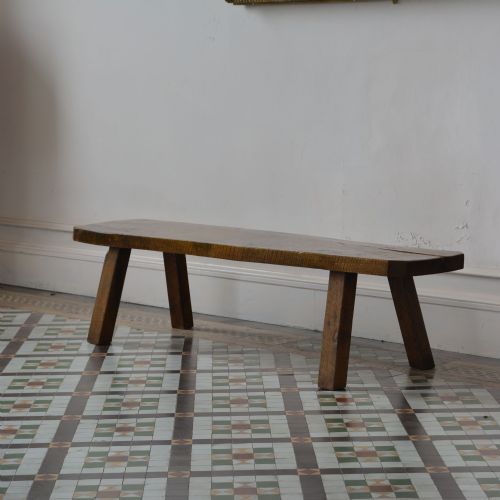
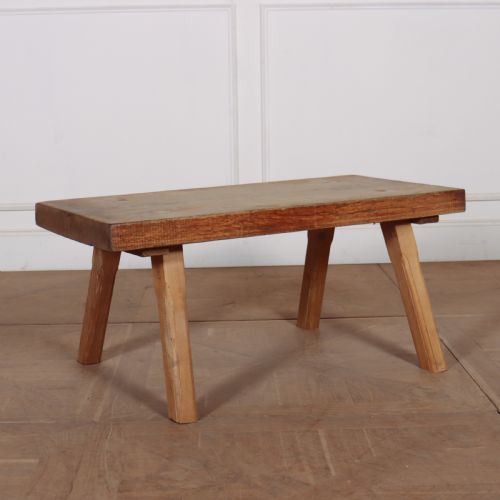
A primitive oak bench brings honest utility and heavy timber grain into a room, shaped by country carpenters who worked for purpose rather than fashion.

Primitive Oak Bench
A primitive oak bench encompasses low pig benches, garden seats, estate benches, and settlement settles intended for hard daily work or simple seating. These utilitarian forms emerge from centuries including the eighteenth, nineteenth, and Edwardian eras, reflecting rural life across English, Welsh, and French traditions.
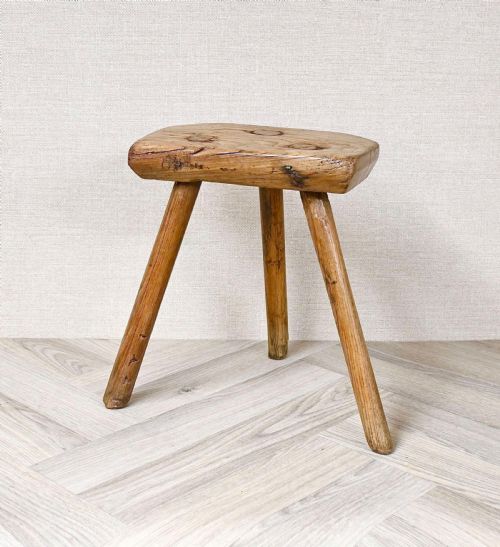
The rustic vernacular objects appearing here range from diminutive child stools and cutler's stools to long Welsh estate seating spanning nine feet. Many pieces double as low coffee tables or occasional side tables in contemporary interiors, adapting old agricultural forms to modern domestic spaces.
Makers built these pieces using robust local timbers and straightforward construction methods, resulting in sturdy items that display natural forms and weathered surfaces. The selection leans heavily toward seventeenth, eighteenth, and nineteenth century vernacular furniture designed for workshops, dairies, and farmhouses.
Materials and construction
Makers constructed these items primarily from solid oak, supplemented by elm, sycamore, pine, softwood, and hardwood depending on local availability. Carpenters paired these sturdy timbers with wrought iron brackets, braces, and fixings where extra structural strength was required for heavy daily tasks.
The manufacturing method relied on basic hand tools, pegged joints, and thick plank tops rather than complex cabinetmaking techniques. Surfaces often display the natural marks of adzes, drawknives, and pit saws, leaving the raw grain and tactile texture of the wood exposed.
Several miniature stools designed for children survive with heavily sculpted seats, proving that small apprentices needed somewhere to sit too.
Judging quality in rustic seating
Quality rests in the integrity of the timber and the honesty of the wear rather than slick surface finishes or decorative carving. Superior examples retain their original structural proportions, thick plank tops, and untouched patination accumulated through generations of use.
The value of a piece increases when the original tool marks, peg construction, and surface weathering remain completely undisturbed by modern restoration. Lesser examples suffer from unsympathetic timber replacements or heavy sanding that strips away the historic skin of the wood.
The Primitive Oak Bench Glossary
- Pig bench
- A low wooden bench traditionally used in agricultural settings for processing meat or general farm tasks. These narrow forms now frequently serve as coffee tables.
- Vernacular
- Architecture and furniture built by local craftsmen using traditional regional methods and materials. These objects prioritize practical utility over academic stylistic rules.
- Trestle
- A structural support consisting of a horizontal beam fixed to two splayed legs. This method allows for stable, heavy-load surfaces without obstructive corner posts.
- Patina
- The deep surface sheen and colour developed by wood through age, handling, and exposure to light. This visual quality is impossible to replicate artificially.
- Stickback
- A chair or settle design featuring spindles or sticks inserted directly into a solid wooden seat. This construction provides resilient support using lightweight components.
Primitive Oak Bench: Frequently Asked Questions
What is a primitive oak bench used for?
These benches originally served practical functions in farmhouses, workshops, and gardens, ranging from seating to working platforms. Today, homeowners use them as low coffee tables, hallway seats, or decorative side tables.
Their robust construction makes them suitable for daily household use while adding rustic character to modern living spaces.
How do I date an old oak bench?
Dating relies on observing construction methods, tool marks, timber shrinkage, and the type of fixings used by the maker. Hand-cut pegs, pit-sawn boards, and deep natural patination typically point to earlier centuries.
Comparing the proportions and wood species to documented vernacular examples helps narrow down the period of manufacture.
Can I use an antique pig bench as a coffee table?
Many surviving pig benches and narrow work tables match modern coffee table heights and proportions naturally. Their long, low profiles fit well in front of sofas while providing a sturdy surface for books and objects.
The weathered timber top handles daily domestic use without requiring delicate maintenance.