
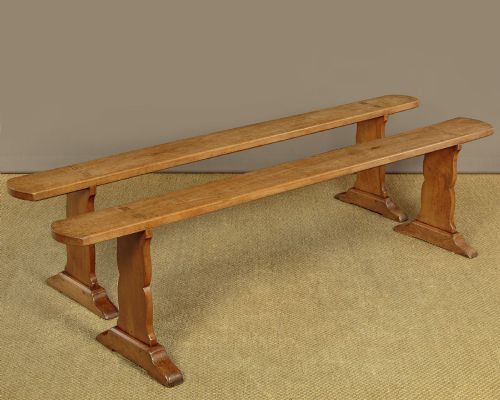
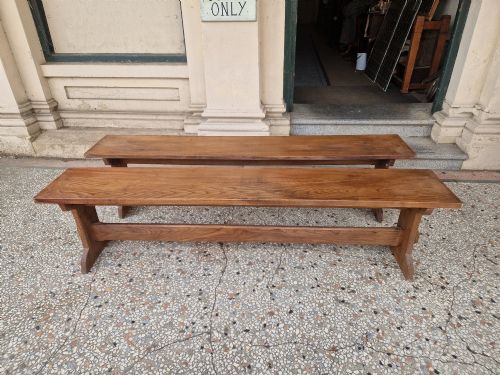


Antique Trestle Bench
An antique trestle bench offers rugged, enduring utility, grounding a room with centuries of history.

What an antique trestle bench is
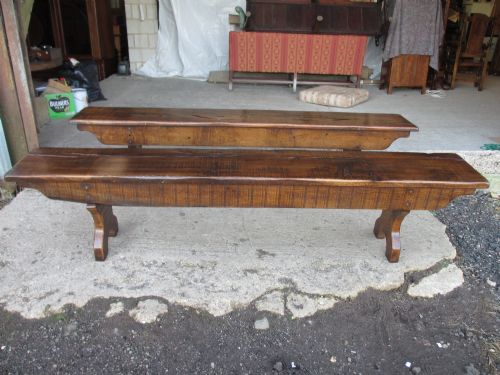
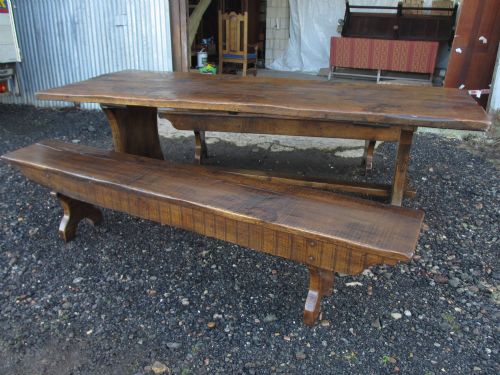
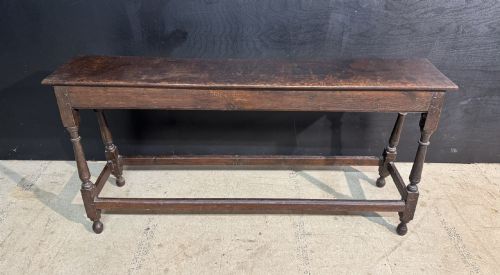
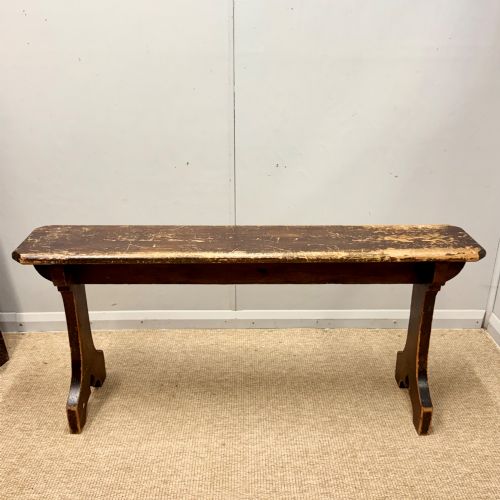
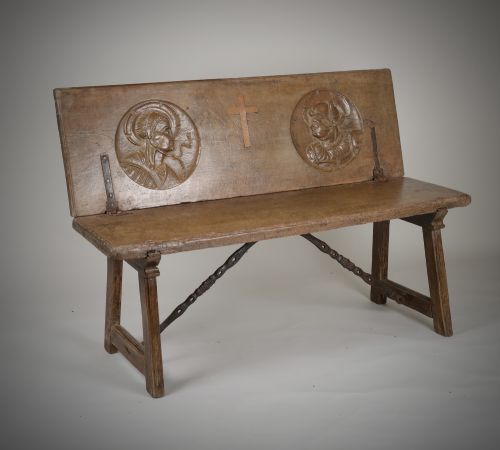
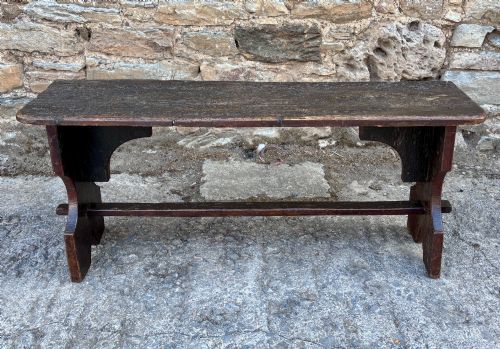
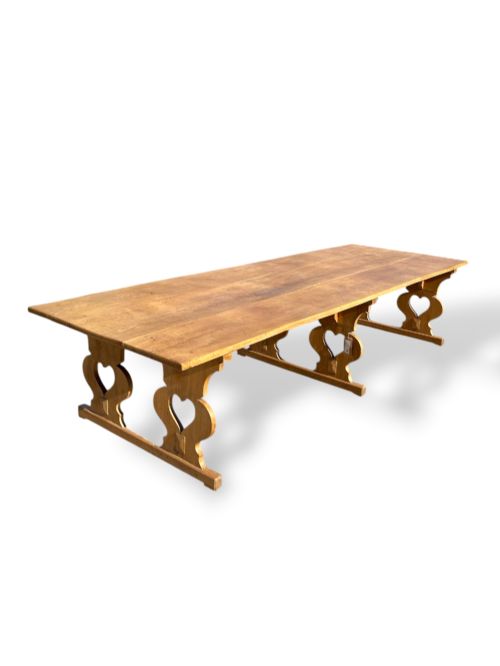
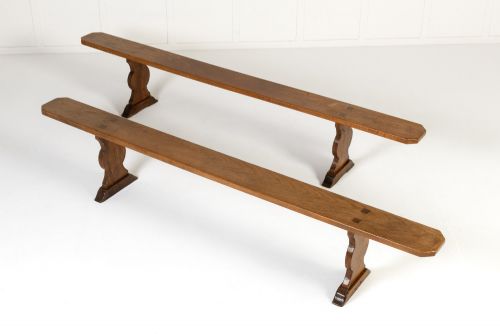
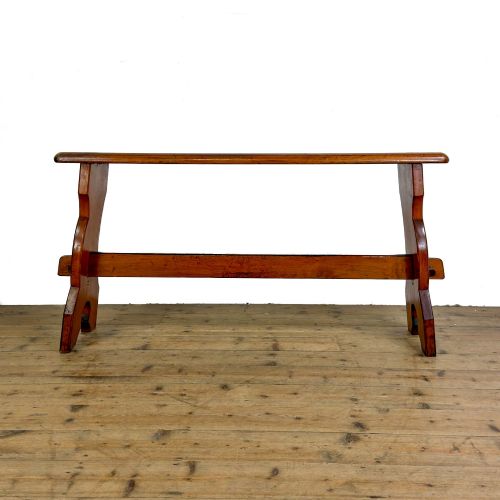
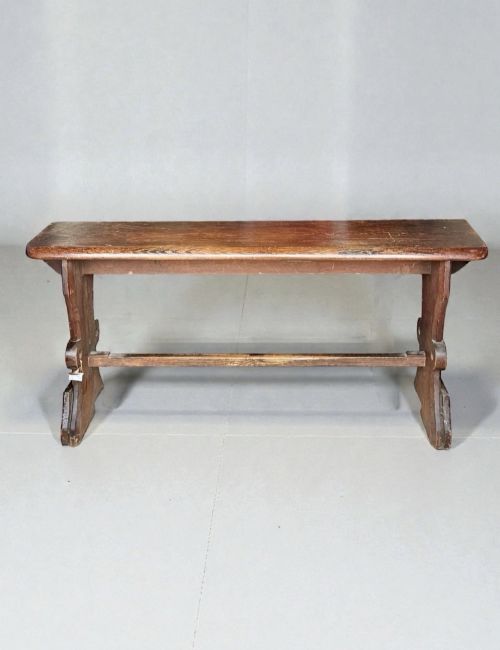
An antique trestle bench is a long, utilitarian seating form supported by trestle ends rather than standard corner legs. These pieces emerge from periods spanning the sixteenth century through to the twentieth century, encompassing rustic farmhouse and renaissance styles.
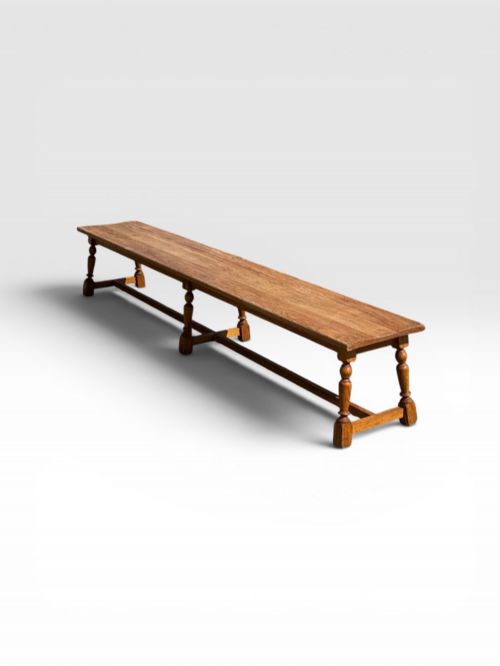
Buyers encounter substantial formats, including long welsh oak benches stretching up to nine feet alongside pairs of nineteen-thirties benches. Forms range from simple wooden boards on trestle supports to more elaborate benches and settles.
Origins in the evidence point to vernacular and country traditions, where heavy seating needed to withstand daily use. The presence of painted wood, pine, and oak items shows how these benches adapted to different domestic settings over time.
How they were made
Joiners and carpenters built these benches using solid timbers, with oak and pine forming the primary structural bodies. Wrought iron often appears in hardware and structural reinforcement, combining durability with functional design.
Surfaces show various finishes, from natural waxed wood to painted wood that preserves the underlying material. Construction techniques prioritize stability and load-bearing strength, utilising heavy planks and robust trestle assemblies.
Some benches stretch up to nine feet long, easily accommodating a small village feast.
What varies in quality
Quality rests in the integrity of the timber and the honesty of the construction, where dense oak boards outlast softer woods subjected to heavy wear. The proportion between the top plank and the supporting trestle dictates the visual balance of the piece.
Surface patination separates superior examples from lesser ones, with depth of colour and authentic wear reflecting generations of use. Hand-forged wrought iron elements show individual craftsmanship that machine-produced fastenings lack.
The Antique Trestle Bench Glossary
- Trestle
- A structural support consisting of a horizontal beam fixed to two splayed legs. This design provides maximum legroom and stability for long seating formats.
- Settle
- A wooden bench with a high back, solid arms, and often a storage box beneath the seat. It offers protection from draughts in older domestic interiors.
- Patina
- The surface sheen and texture developed through years of handling, polishing, and natural ageing. It serves as a key indicator of genuine antiquity.
- Renaissance
- A cultural and artistic movement spanning the fifteenth to seventeenth centuries. Furniture from this period exhibits classical architectural motifs and heavy proportions.
Frequently Asked Questions
What is an antique trestle bench used for?
These benches provide long, communal seating suited for dining tables, hallways, and large living spaces. Their sturdy construction accommodates multiple sitters simultaneously.
Historically, long forms and settles served practical seating needs in domestic and institutional settings, adapting easily to modern open-plan layouts.
How do I date an antique trestle bench?
Dating relies on timber species, construction joints, and surface wear patterns. Sixteenth-century pieces display different joinery methods compared to nineteenth or twentieth-century examples.
Examining tool marks and the method of securing the top board to the trestle ends reveals the era of manufacture.
Are antique trestle benches sturdy enough for daily use?
Solid oak and heavy pine construction ensures these benches remain structurally robust. They were originally built for heavy domestic or institutional service.
Regular maintenance and proper placement keep the joints secure, allowing the benches to withstand everyday seating demands.
What woods are used in antique trestle benches?
Oak and pine dominate the materials recorded in these pieces, supplemented by painted wood surfaces. Each timber reacts differently to age and environment.
Hardwoods like oak provide exceptional strength, while softer woods like pine offer a lighter appearance often found in country furniture.