
Antique Wooden Form
An antique wooden form offers sturdy utility, appearing here as rustic seating spanning the eighteenth to early twentieth centuries.
What these pieces are
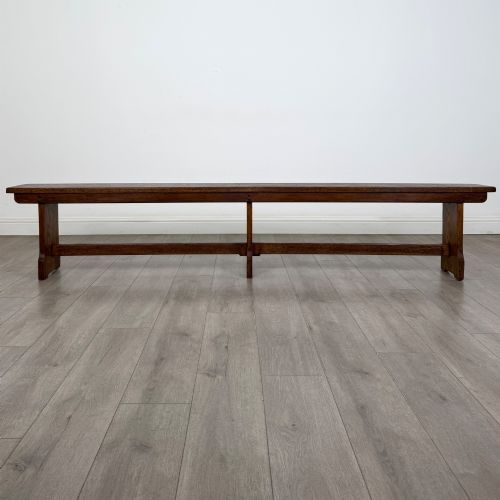
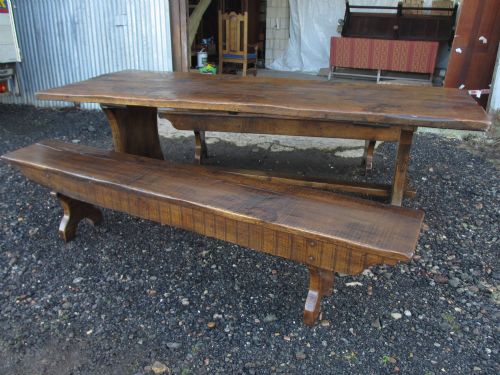
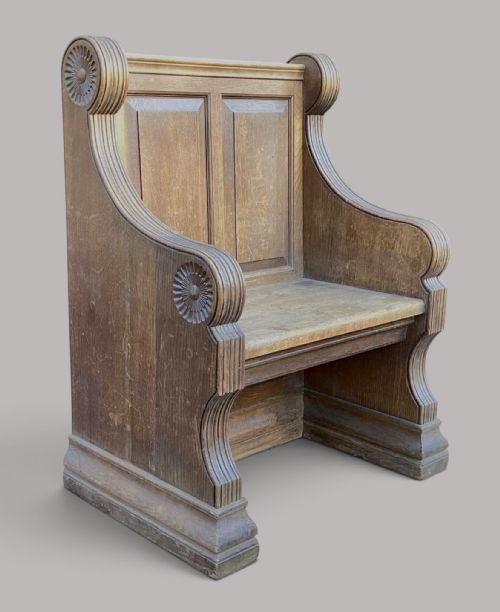
When you search for an antique wooden form, you are looking at utilitarian seating designed for robust daily use in domestic or institutional settings. The examples on this page consist entirely of benches originating from English and Scandinavian traditions.
The selection includes pairs of benches and single items dating from the eighteenth century through to 1930. These forms reflect vernacular traditions such as English country, Scandinavian country, and rustic farmhouse styles.
The most likely version you will meet here is a pine or oak bench from the nineteenth century. These range from substantial pairs of Scandinavian pine benches to single oak examples with distinct regional histories.
How they were made
Makers constructed these benches using solid timber planks, predominantly pine and oak. Structural integrity relied on traditional joinery suited to heavy daily wear.
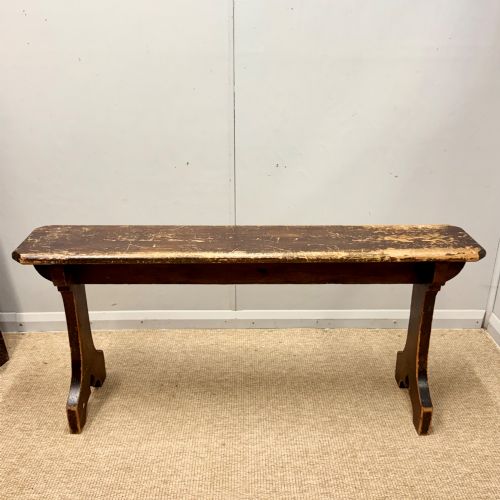
Surface finishes vary from bare timber showing natural grain to applied historical paint layers. Several pieces in the listings feature painted wood, retaining traces of their original decorative treatment.
Retail Price Guide 2026
Typical UK retail prices for wooden form, calculated from the Sellingantiques database of over a million retail prices indexed since 2003. This retail price guide relies exclusively on Sellingantiques data; no external sources or auction records are used, so the figures do not describe the wider market.
The inventory spans the 18th century, 19th century, 1900, and 1930, utilising pine, oak, and painted wood.
What varies in quality
Quality in these vernacular pieces rests on the weight and character of the timber itself, alongside the preservation of surface finish. Benches retaining authentic early paint layers or originating from specific historic provenances stand apart from standard workshop output.
Construction robustness and the preservation of original proportions dictate desirability. Pieces that maintain their structural honesty without excessive modern intervention demonstrate the highest standard of vernacular craftsmanship.
The Antique Wooden Form Glossary
- Vernacular furniture
- Everyday objects made by local tradespeople rather than high-style cabinetmakers, focusing on utility and regional tradition. These benches embody that straightforward approach.
- Pine
- A softwood commonly used in Scandinavian and country furniture for its accessibility and workability. It accepts paint finishes readily.
- Oak
- A durable hardwood prized for strength and longevity in English furniture construction. Eighteenth-century examples utilise this dense timber for structural endurance.
- Painted wood
- Timber surfaces coated with historic pigments for protection and decoration. Surviving paint layers provide evidence of period interior aesthetics.
Frequently Asked Questions
What is an antique wooden form?
An antique wooden form refers to traditional utilitarian seating, specifically benches fashioned from solid timbers like pine and oak.
These pieces were produced across various centuries to serve practical seating needs in domestic and regional environments.
How were these benches used?
These benches served as everyday seating in homes, country houses, and institutional spaces where durable furniture was required.
Their simple construction allowed them to withstand heavy daily use across generations.
How do I date an antique bench?
Dating relies on timber characteristics, construction methods, and stylistic indicators associated with periods like the eighteenth or nineteenth century.
Examining the wear patterns and surface treatments also helps establish the age of the wood.
How do I care for painted pine?
Care for painted wooden surfaces involves keeping them away from direct sunlight and excessive moisture to preserve the historical finish.
Gentle dusting with a dry cloth is sufficient for routine maintenance without disturbing the patina.