

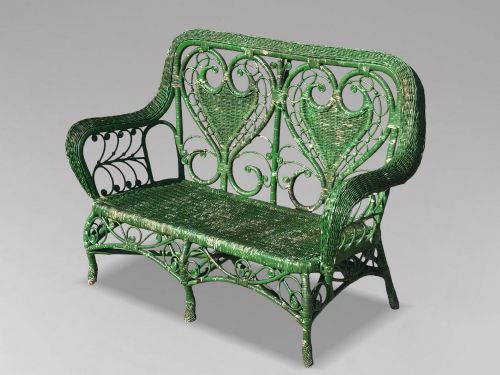
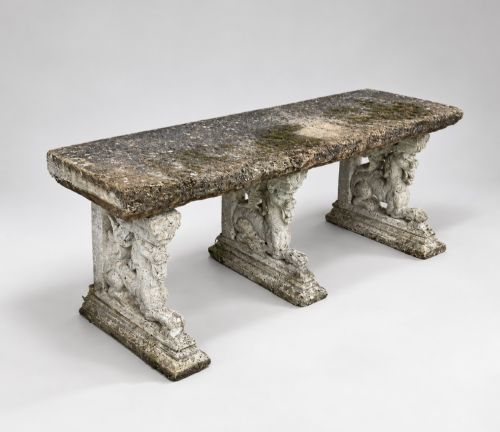
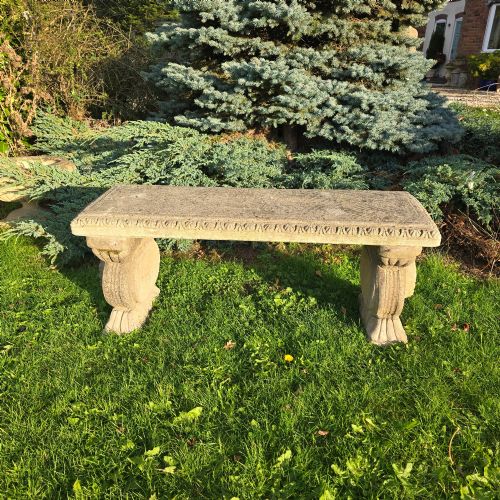
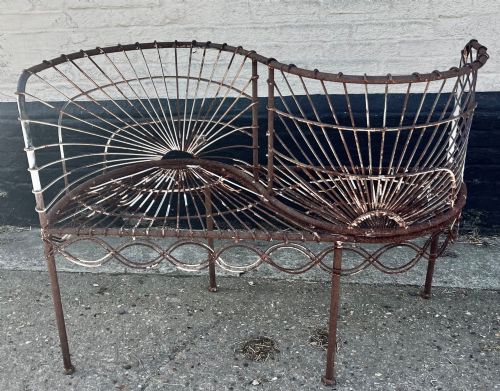
Antique Outdoor Bench
An antique outdoor bench brings enduring structure and patinated metal or timber to lawns, terraces and walled gardens.

Antique Outdoor Bench
An antique outdoor bench serves as a functional garden seat constructed from durable materials designed to withstand the elements. When searching for an antique outdoor bench, buyers encounter varied forms spanning the nineteenth and early twentieth centuries.
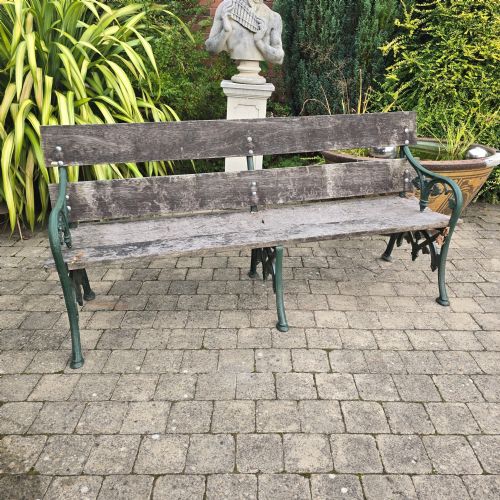
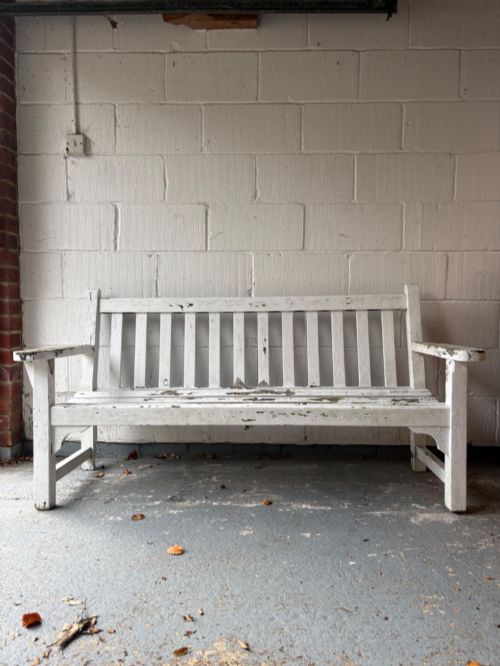
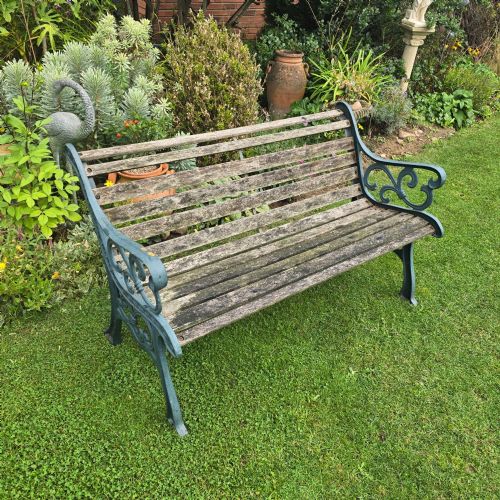
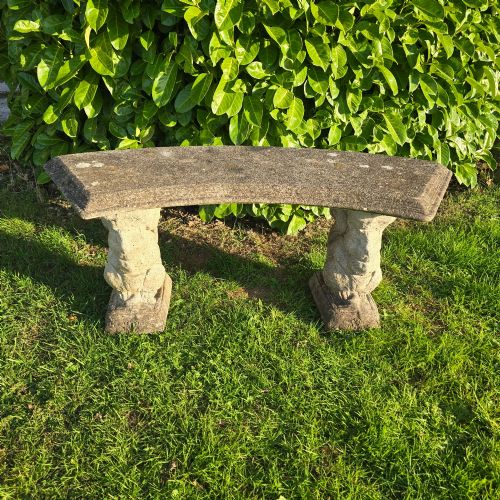
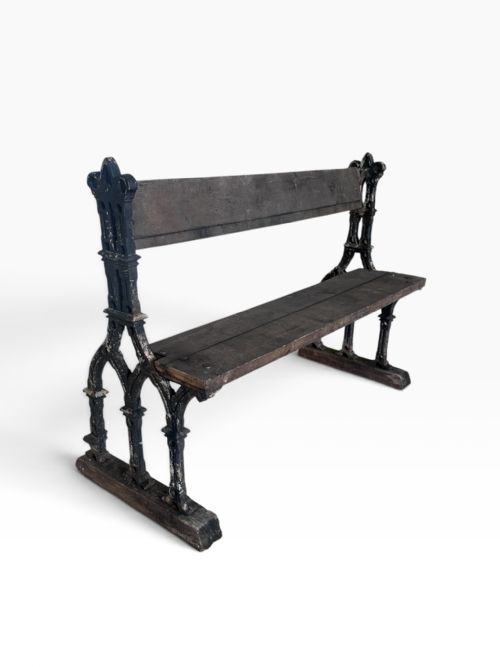
The selections on this page demonstrate distinct regional designs, ranging from English Gothic cast iron to French faux bois concrete and timber. Common configurations include straightforward slatted seats, armchairs, settee designs and shaded canopy versions.
Makers from the nineteenth century onwards produced these garden seats using robust metals and seasoned woods for permanent placement outdoors. Survivors show the natural weathering of decades spent on lawns, patios and terraces.
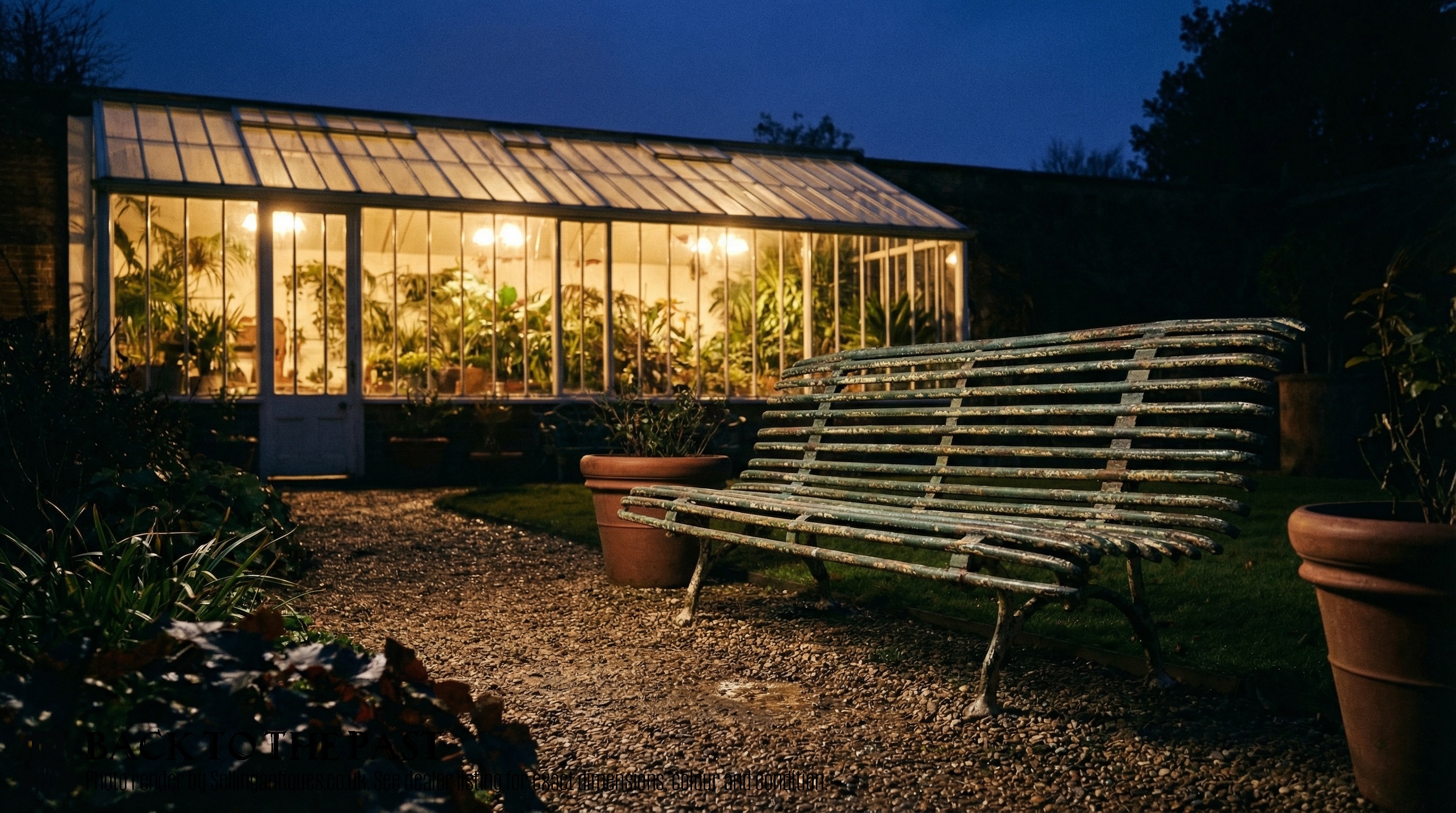
How they were made
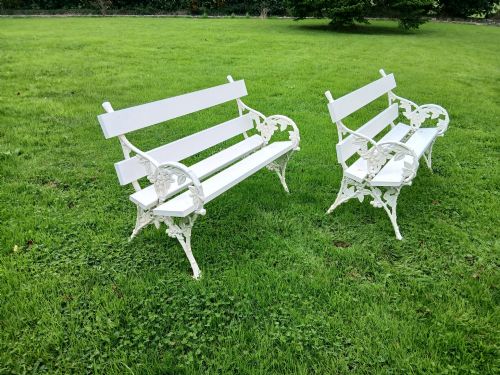
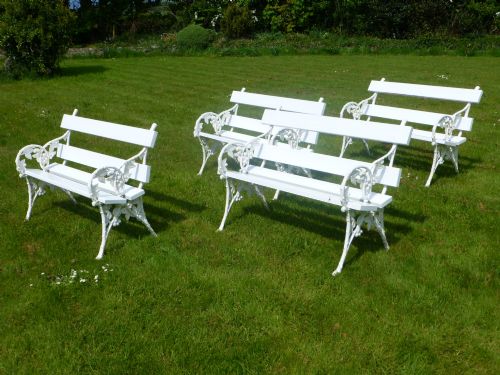
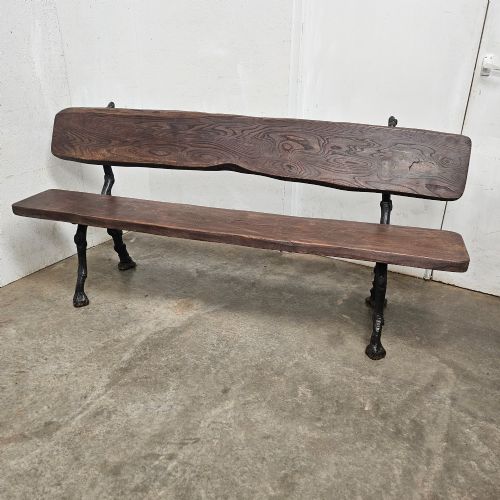
Foundries utilised cast iron and wrought iron for structural frames, decorative ends and strapwork backs. Molten metal poured into moulds created ornate patterns such as blackberry leaves, gothic arches and lion masks.
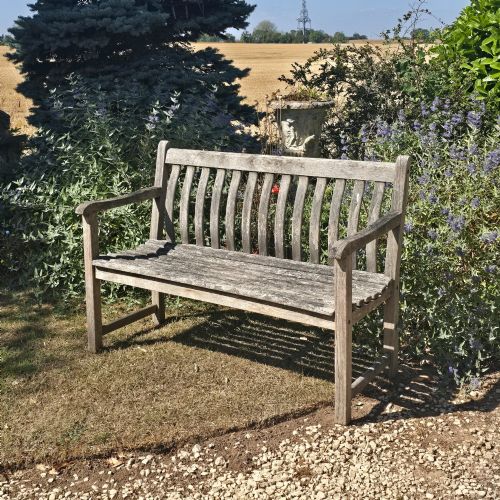
Timber varieties including teak, pine, elm and oak provided the horizontal slats and supportive seats. Carpenters joined these wooden elements to metal frames, creating durable seating designed to endure seasonal weather changes.
Antique Outdoor Bench Retail Price Guide 2026
Typical asking prices for outdoor bench among the pieces listed under this phrase on Sellingantiques today, from the lower quarter to the upper quarter. They describe what is for sale here now, not the wider market.
The listings span the nineteenth and twentieth centuries, featuring teak, cast iron, wrought iron, and pine.
What varies in quality
Quality rests in the crispness of the iron casting and the integrity of the original joins between metal and wood. Finer examples display deep relief work in botanical or architectural motifs rather than flat, simplified moulding.
The degree of weathering on teak and pine elements alters the surface character without compromising structural strength. Pieces retaining traces of early paint or uniformly silvered timber denote careful preservation over decades.
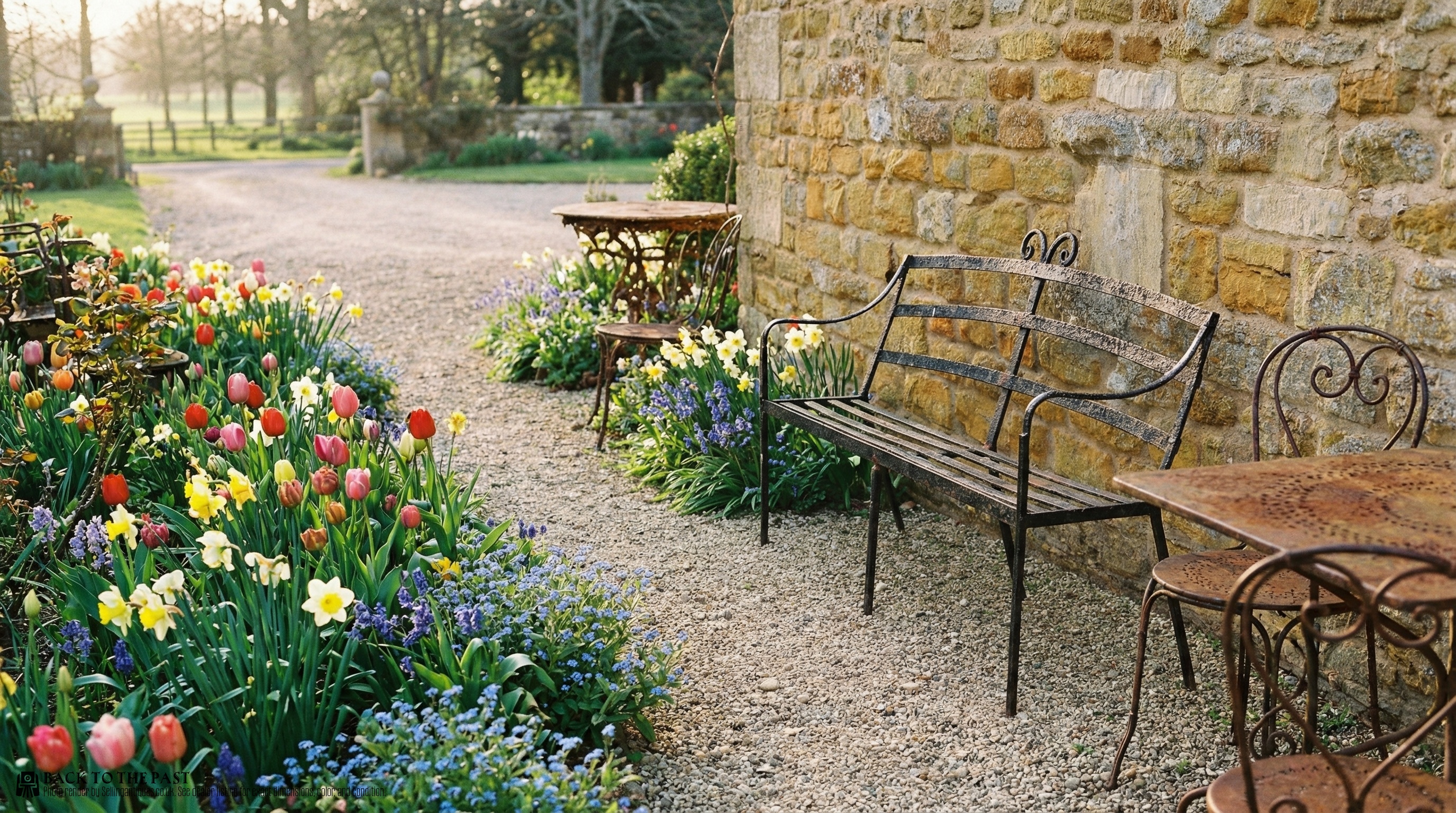
Falkirk Carron Foundry·Coalbrookdale Design
The Antique Outdoor Bench Glossary
- Cast Iron
- Molten iron poured into a mould to form rigid decorative panels and bench ends. This heavy material allowed intricate botanical and gothic designs.
- Faux Bois
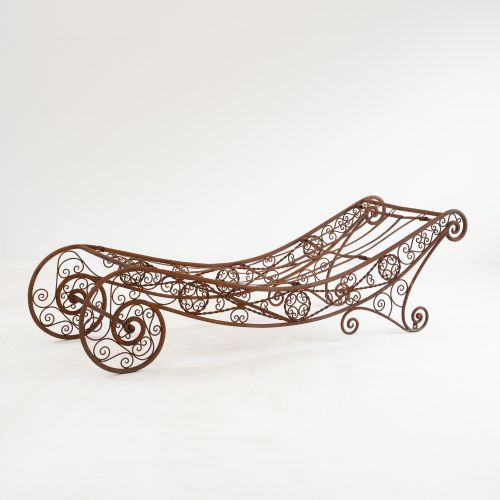
- An artistic technique rendering concrete or metal to imitate natural wood grain and branches. French makers applied this style to garden seats and daybeds.
- Strapwork
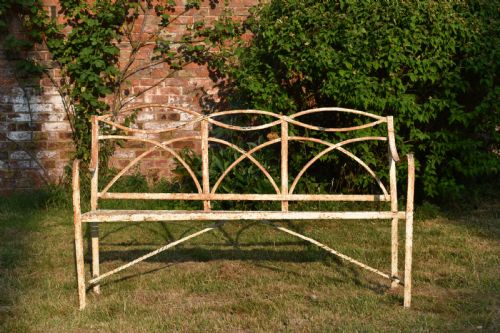
- Flat bands of wrought iron interwoven or riveted to form geometric patterns on bench backs. This technique provided lightweight yet strong structural support.
- Teak
- A dense, oil-rich hardwood prized for outdoor use due to its natural resistance to moisture and decay. It weathers to a silvery grey over time.
- Arbour
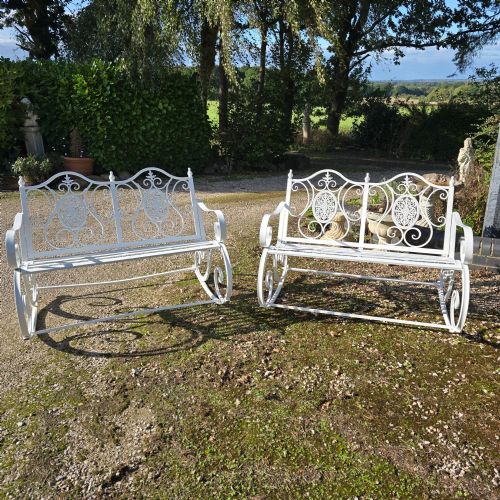
- A garden structure featuring curved metal or wirework designed to support climbing plants above a seat. These create shaded enclosures on lawns.
Antique Outdoor Bench: Frequently Asked Questions
How do I date an iron garden bench?
Dating relies on stylistic clues like Regency strapwork or Victorian gothic ornamentation combined with construction methods. Early pieces often feature heavier cast components and sand-cast surface textures.
Foundry marks or registry numbers stamped into the metal framework provide definitive manufacturing periods. Comparing the bolt types and assembly techniques also helps establish the age.
Can teak garden benches stay outside all year?
Teak possesses natural oils that protect the wood against moisture, frost and insect damage. Leaving timber outside allows it to develop a protective silver-grey patina.
Covering the bench during harsh winter months prevents excessive moisture absorption and staining. Regular cleaning removes debris and keeps the timber structurally sound.
What is faux bois seating?
Faux bois translates from French as false wood, describing items sculpted to resemble natural branches and bark. Makers used concrete or metal over armatures to create these rustic garden seats.
This style gained popularity in nineteenth-century France for domestic and park landscaping. The textured surfaces mimic organic forms while utilising permanent materials.
How should I clean a cast iron bench?
Cleaning requires removing surface dirt and organic matter using a soft brush and mild soapy water. Harsh chemicals and abrasive tools damage the underlying metal and historic paint layers.
Applying protective oils or specialised waxes helps preserve bare iron against active oxidation. Inspecting the surface periodically prevents moisture from settling into recessed ornament.