
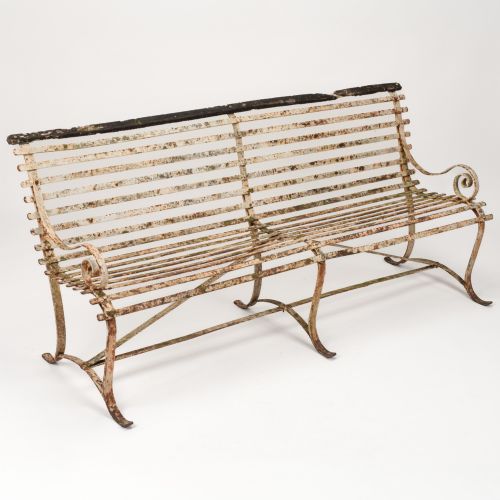
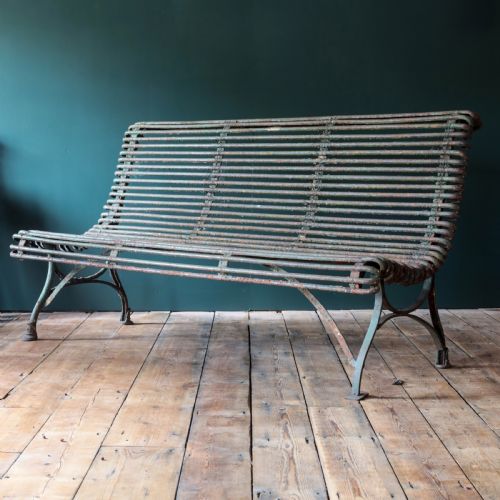
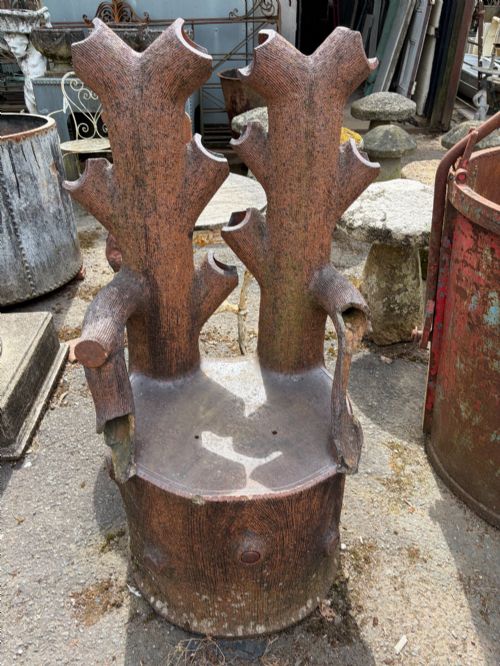

19th Century Garden Seat
Looking for a 19th century garden seat? You want heavy metal or glazed ceramic that handles the weather while holding form.
What 19th century garden seats are
When you search for a 19th century garden seat, you are looking at utilitarian and decorative furniture designed for grounds, conservatories, and porticos. The pieces available span sturdy ironwork and delicate ceramic barrel forms.
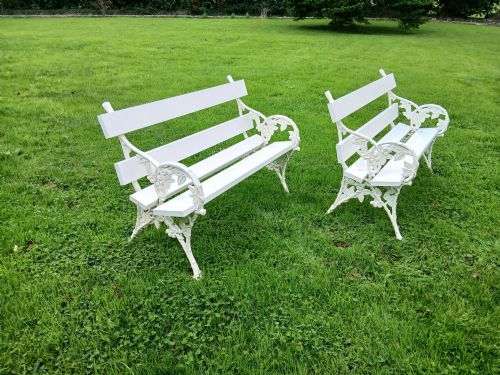
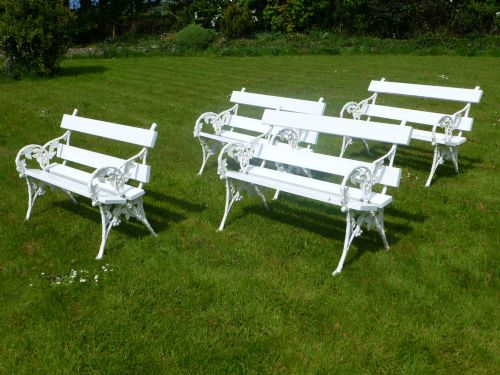
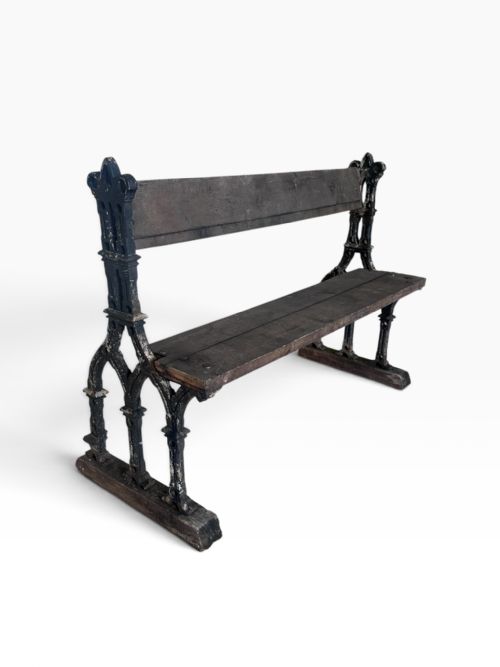
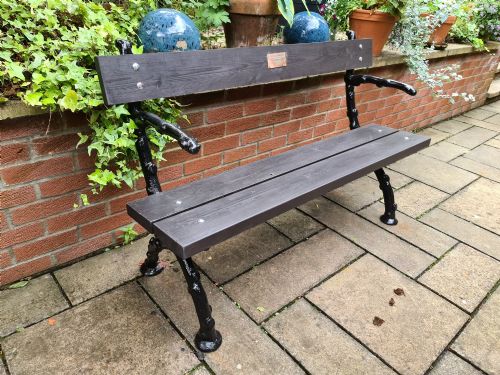
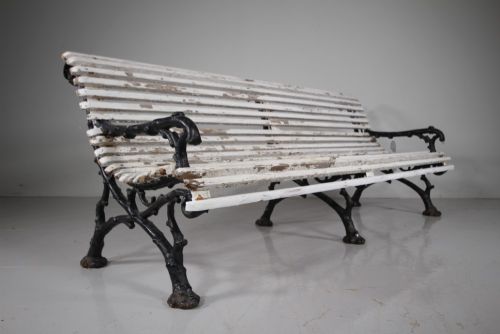
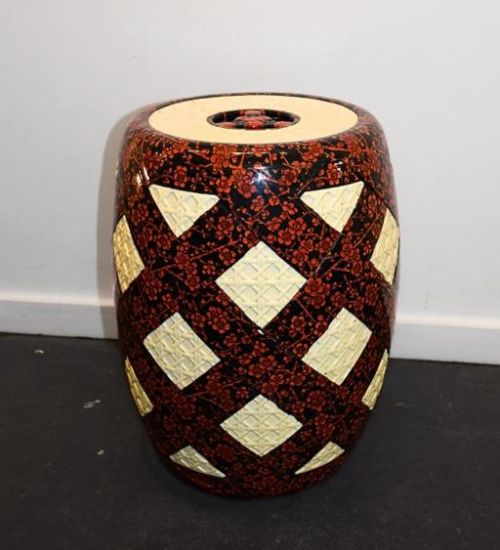
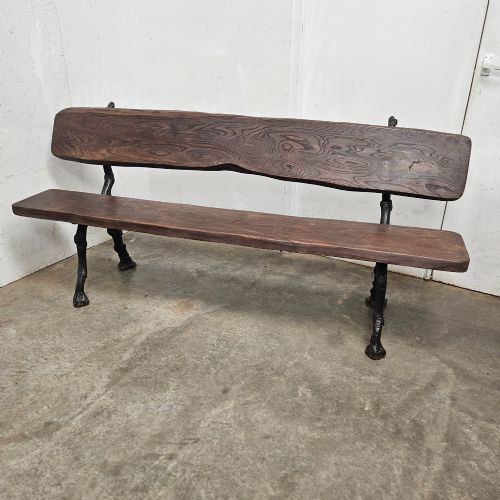
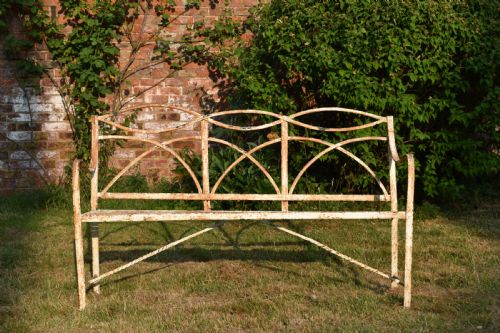
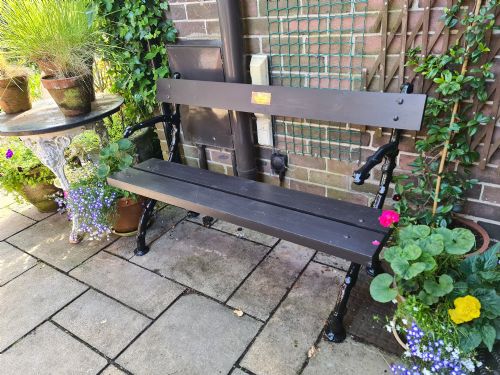
You are most likely to meet cast iron benches from the Victorian period alongside glazed ceramic and creamware examples. These functional outdoor items range from robust three-seat benches to barrel-shaped seats.
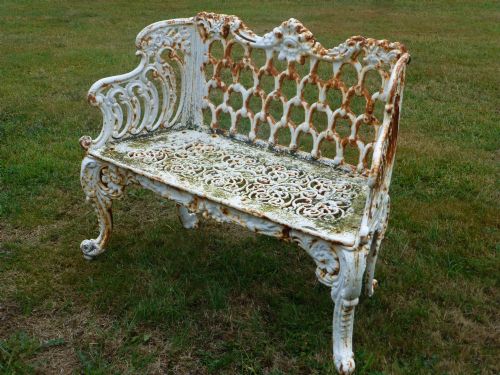
Origins stretch across English and French workshops, encompassing styles from Gothic Revival and Chinoiserie to rustic botanical motifs. Each piece reflects the nineteenth-century passion for outdoor leisure and sheltered plant rooms.
How they were made
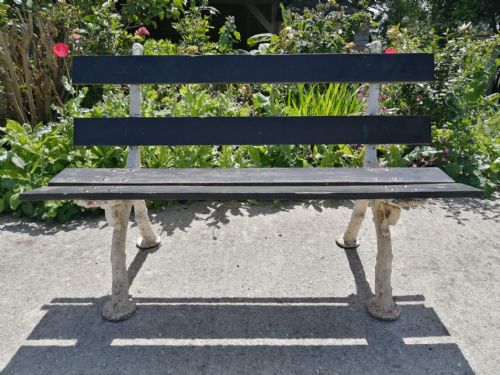
Makers utilised heavy casting and forging techniques for metal items, producing durable frames in cast iron and wrought iron. Plant motifs like blackberry and leaf designs were cast directly into the metalwork of foundry pieces.
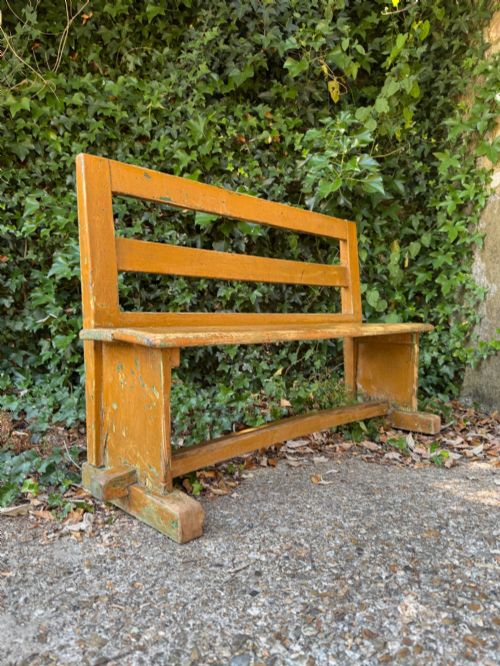
Ceramic and pottery examples involved throwing or moulding clay, followed by glazing and firing to withstand moisture. Painted wood, timber, and pine were shaped and joined to create conservatory benches and orangery seating.
Retail Price Guide 2026
Typical UK retail prices for 19th century garden seat, calculated from the Sellingantiques database of over a million retail prices indexed since 2003. This retail price guide relies exclusively on Sellingantiques data; no external sources or auction records are used, so the figures do not describe the wider market.
Styles across the inventory include Gothic Revival, Chinoiserie, and Victorian Rustic alongside French nineteenth-century examples.
What varies in quality
The distinction between standard utility items and finer pieces lies in the crispness of the casting and the depth of the glaze. Iron benches with intricate botanical patterns and named foundry origins demonstrate superior metalwork.
In ceramic pieces, quality is visible in the richness of the majolica or creamware glaze and the complexity of oriental-inspired or grotto moulding. Structural integrity in the timber or iron framework dictates longevity.
Falkirk Carron Foundry·Minton
The 19th Century Garden Seat Glossary
- Cast iron
- Molten iron poured into a mould to create rigid, highly detailed forms. This material defines the heavy garden benches of the Victorian era.
- Creamware
- A refined earthenware developed in the eighteenth century, noted for its pale yellowish-cream glaze. It appears on decorative indoor garden seats.
- Majolica
- A heavy earthenware type covered in an opaque lead glaze containing tin oxide, often brightly coloured. It provides a glossy surface for ornamental seats.
- Wrought iron
- Iron heated and hammered by hand into shape rather than poured into a mould. It yields resilient, slightly varied linear frames for outdoor benches.
- Orangery
- A protected brick and glass structure built for cultivating exotic plants and tender trees. Furniture here required lighter timber and painted wood construction.
Frequently Asked Questions
Where should I place a metal seat?
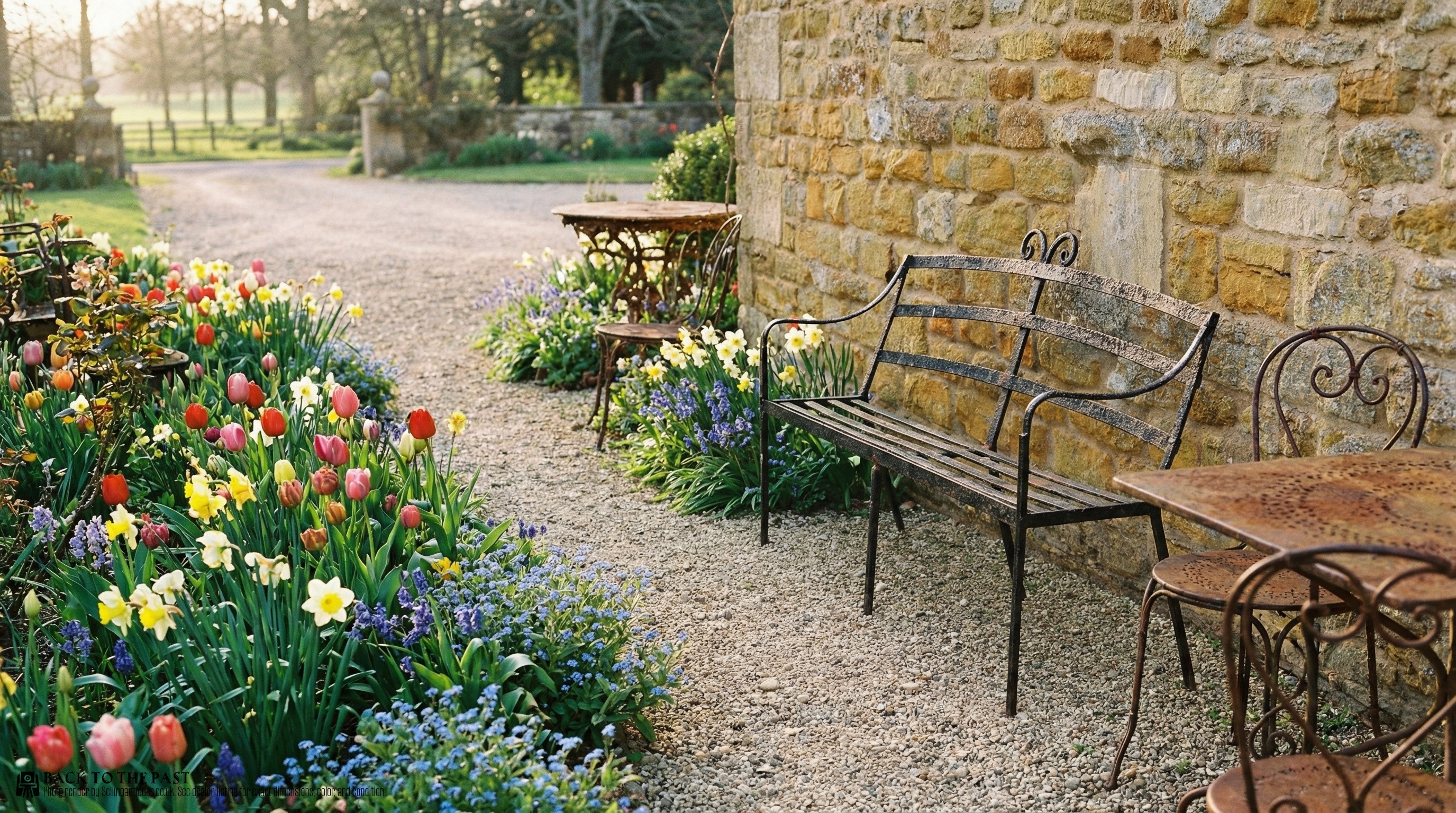
Cast and wrought iron pieces belong outdoors on gravel, stone, or lawn where their weight anchors them securely. Their metal construction handles rain and seasonal temperature shifts.
For painted wood or creamware variants, position them inside a conservatory or orangery to protect delicate finishes from persistent dampness.
How do I clean a ceramic garden seat?
Glazed ceramic and majolica surfaces require only warm water and a soft cloth to lift dust and organic debris. Avoid abrasive scourers that scratch the glossy glaze.
Keep pottery and porcelain seats indoors during freezing winter conditions to prevent moisture trapped in the clay body from expanding and cracking the glaze.
Are iron benches weather-resistant?
Nineteenth-century cast and wrought iron withstands outdoor conditions well due to the sheer thickness of the metal. Surface oxidation is normal and often forms a protective patina over decades.
Applying a suitable wax or protective coating helps stabilise the metal if you prefer to halt further atmospheric corrosion on your bench.
What is the difference between a bench and a barrel seat?
Benches provide linear seating for multiple people, constructed predominantly from heavy iron or timber with backs and armrests. They anchor patios and garden paths.
Barrel seats are compact, drum-shaped ceramic or porcelain vessels designed for single occupants, frequently utilised inside conservatories or sheltered garden corners.