
Victorian Garden Seat
These heavy metal and timber furnishings bring enduring utility and distinct character to exterior spaces through a Victorian garden seat.
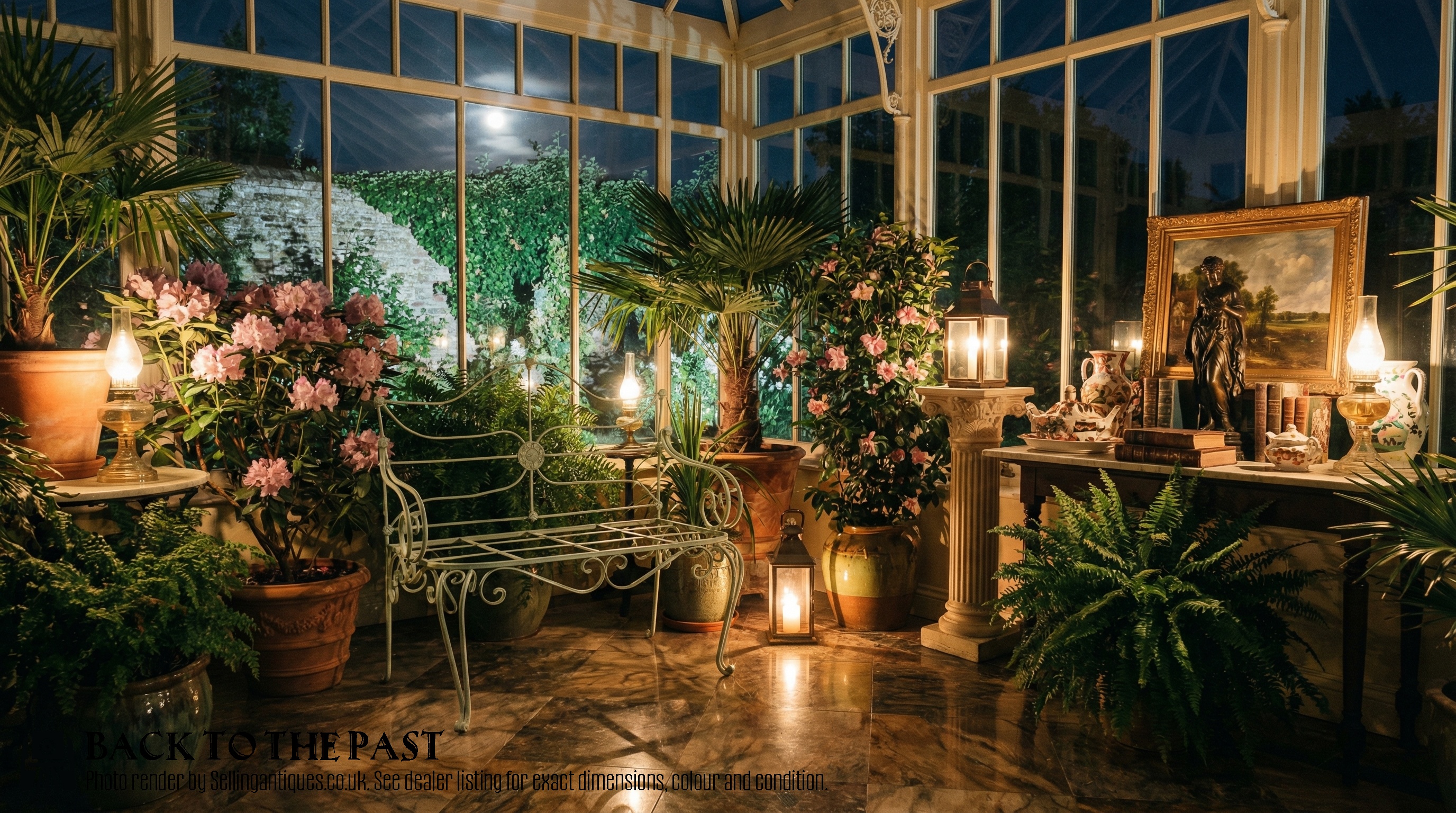
Victorian Garden Seat
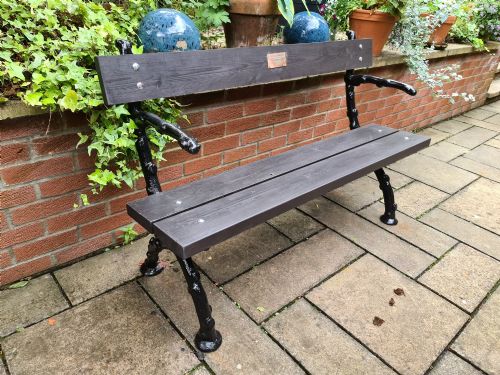
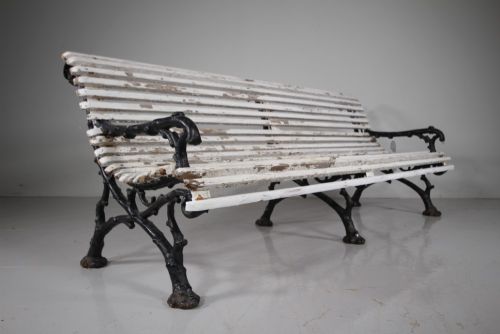
A Victorian garden seat provides durable outdoor resting places created across the nineteenth century and early decades of the twentieth century in various stylistic interpretations. Buyers will encounter heavy metal bench frames, slatted timber additions, and ceramic barrel forms designed for exterior landscapes.
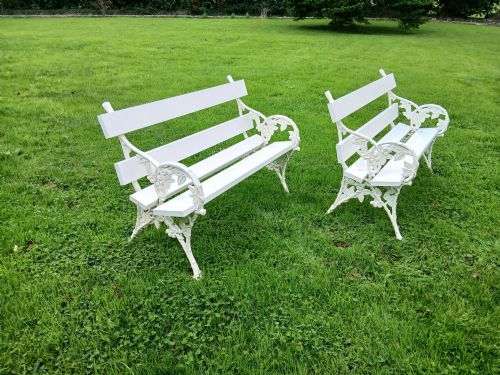
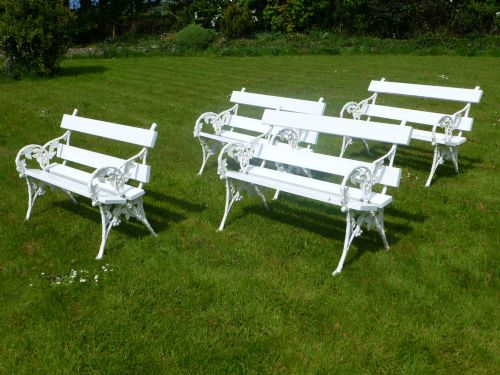
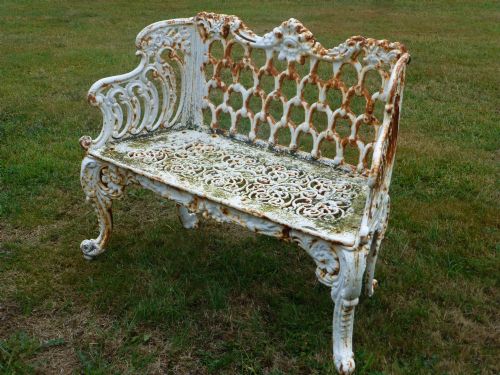
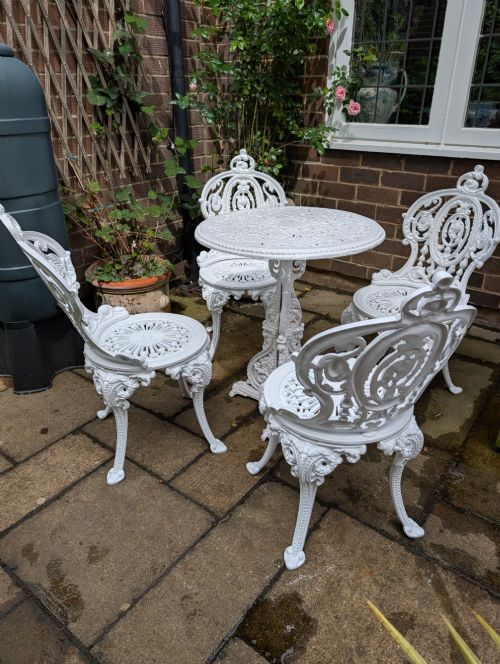
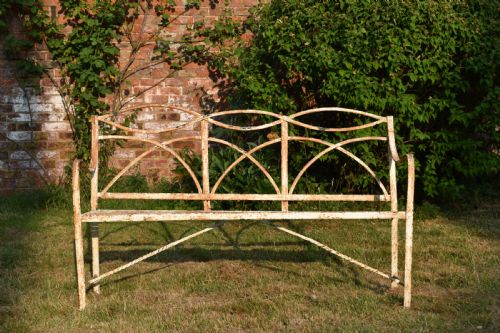
Cast iron and wrought iron construction dominates the selections, frequently paired with wooden slats or formed entirely as intricate metallic patterns. Examples range from simple strapwork frames to elaborate botanical motifs and architectural revivals.
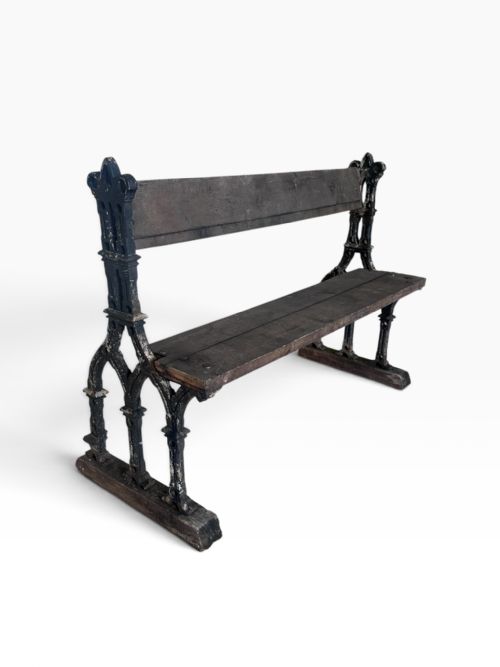
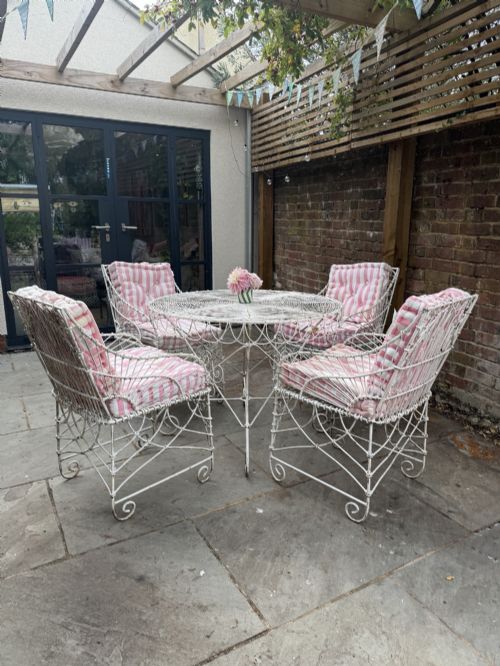
Design vocabulary embraces Gothic revival influences, rustic branch imitations known as faux bois, and light wirework structures alongside ceramic pottery cylinders. These diverse forms reflect the shifting tastes of nineteenth-century garden landscaping and patio decoration.
Materials and Construction Techniques
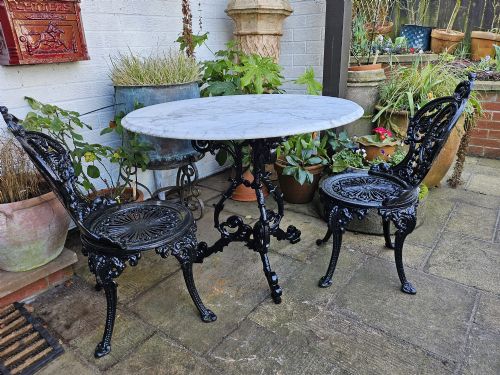
Foundries utilised cast iron poured into detailed moulds to achieve complex botanical reliefs such as blackberry, nasturtium, and horse chestnut patterns. This technique allowed manufacturers to produce robust structural bench ends and intricate backrests with sharp decorative relief.
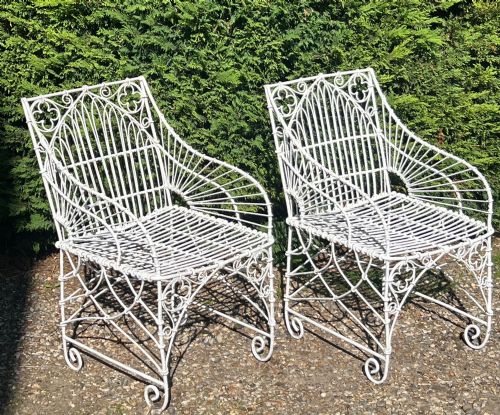
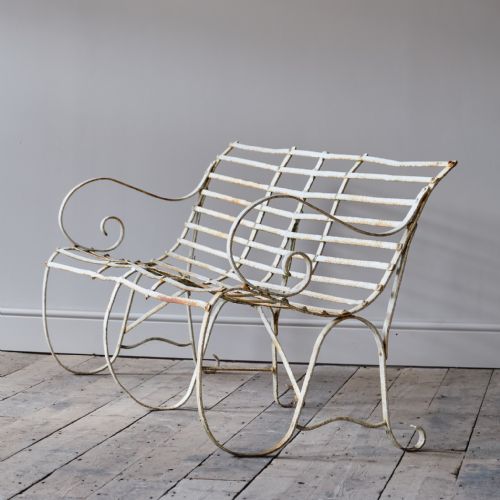
Wrought iron construction relied on manual forging and strapwork assembly to create lighter, flexible frames capable of supporting wooden slats. Artisans bent and riveted metal bars to form geometric patterns and supportive structural bracing.
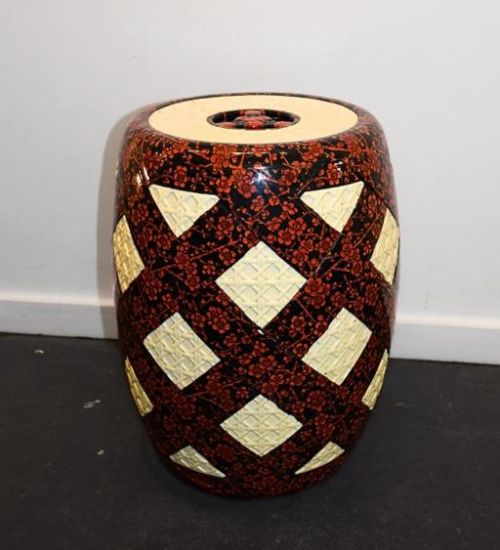
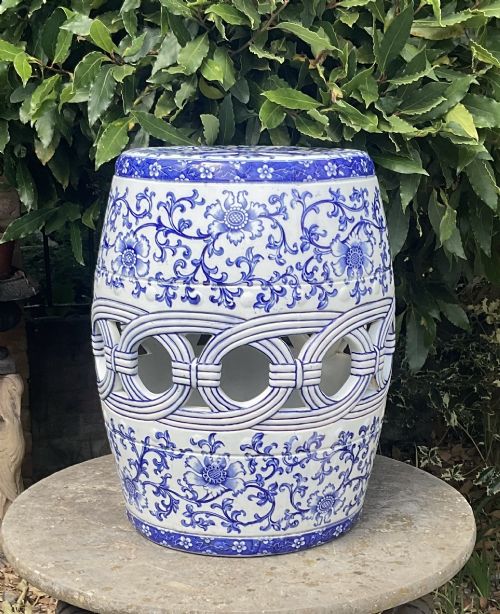
Ceramic makers produced glazed earthenware, creamware, majolica, and faience barrel-shaped seats fired with blue and white designs or colourful glazes. Timber components combined with these metals provided practical slatted seating surfaces for outdoor conditions.
Victorian Garden Seat Retail Price Guide 2026
Typical asking prices for victorian garden seat among the pieces listed under this phrase on Sellingantiques today, from the lower quarter to the upper quarter. They describe what is for sale here now, not the wider market.
Listings feature 19th century cast iron and wrought iron alongside ceramic earthenware and timber components.
Assessing Craftsmanship and Distinction
Distinction rests on the clarity of the cast ornament and the prominence of the manufacturing foundry. Sharp, deeply defined botanical mouldings demonstrate superior production compared to worn or secondary casts.
Structural integrity and material combination dictate the calibre of the piece, particularly where original timber slats meet robust iron frameworks. Surviving maker attributions and uncommon aesthetic patterns elevate specific examples above standard production items.
Falkirk Carron Foundry·John Finch·Coalbrookdale·Christopher Dresser·Phoenix Foundry
The Victorian Garden Seat Glossary
- Faux bois
- A technique imitating wood grain or natural branches using cast iron or concrete. This rustic style mimics organic tree growth for garden furniture.
- Strapwork
- Flat bands of metal arranged in geometric or interlaced patterns. Makers utilised this technique for open, supportive bench backs.
- Majolica
- A type of earthenware coated with an opaque tin glaze and painted with vibrant colours. It appears on ceramic barrel-form garden seats.
- Wirework
- Thin metal rods and wire bent into open lattice structures. This technique formed lightweight garden arbours and seating.
- Gothic Revival
- An architectural and decorative style incorporating pointed arches and medieval motifs. It heavily influenced nineteenth-century metal garden benches.
Victorian Garden Seat: Frequently Asked Questions
How do I maintain an iron garden bench?
Iron garden furniture benefits from gentle cleaning and protective coatings to manage outdoor exposure. Regular checks on painted surfaces help preserve the metal underneath.
Keeping timber slats sealed or oiled protects wooden components from weathering. Storing pieces under cover during harsh winter months extends their operational lifespan.
Were these seats meant for outdoor use?
Nineteenth-century manufacturers built these furnishings specifically to withstand exterior elements in parks and private estates. Heavy cast iron and durable ceramics endured rain and sun.
Covered canopies and robust framing allowed visitors to rest comfortably in varying weather conditions. Porches and lawns served as their primary placement areas.
How do I distinguish iron from wirework?
Cast iron elements feature solid, heavy moulded components with high structural mass and detailed relief patterns. Wrought iron utilises forged bars and riveted joints.
Wirework employs slender, interwoven wire lattices that create a much lighter and more transparent visual profile. Each construction method served different aesthetic and functional requirements.
What is a ceramic garden seat?
Ceramic garden seats take the form of heavy glazed earthenware barrels or drums used as portable outdoor stools. Potters decorated them with blue and white patterns or coloured majolica glazes.
These pieces offered solid resting spots that resisted moisture and provided colourful accents among garden plantings. They functioned both as seats and decorative pedestals.