



Wrought Iron Garden Seat
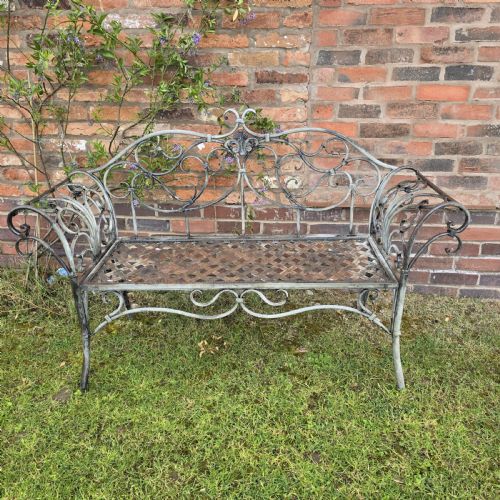
A wrought iron garden seat brings enduring structural grace to lawns and terraces, offering solid metal forms designed to weather the seasons.
Identifying Wrought Iron Garden Seats
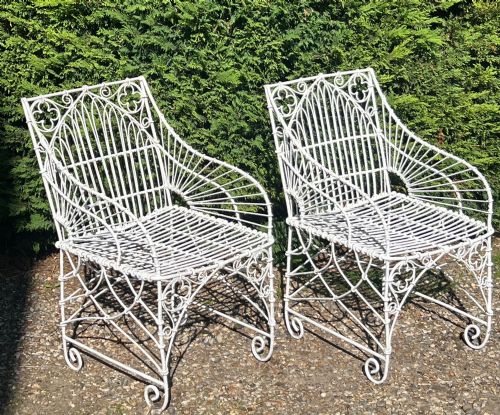
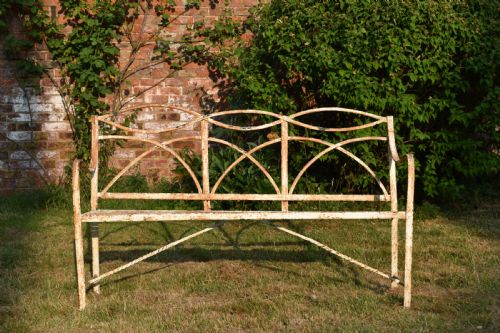
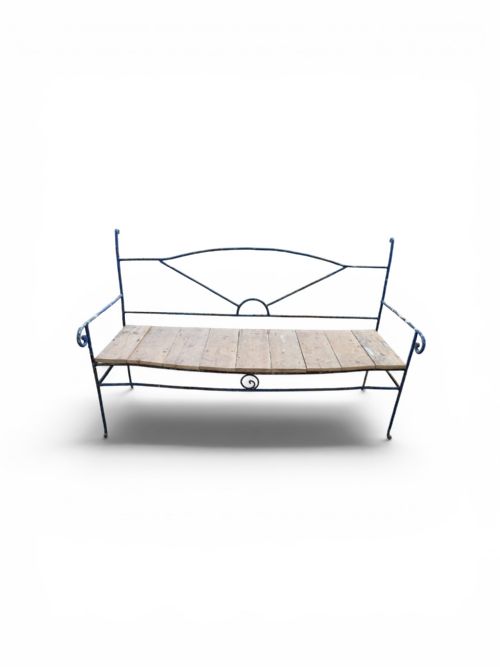
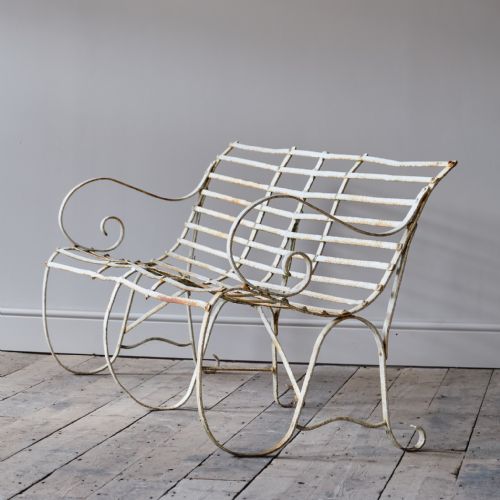
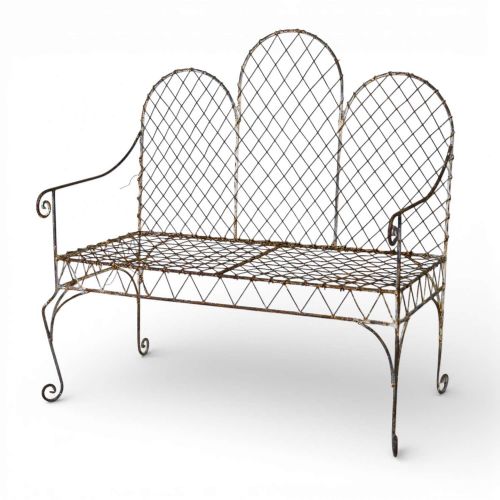
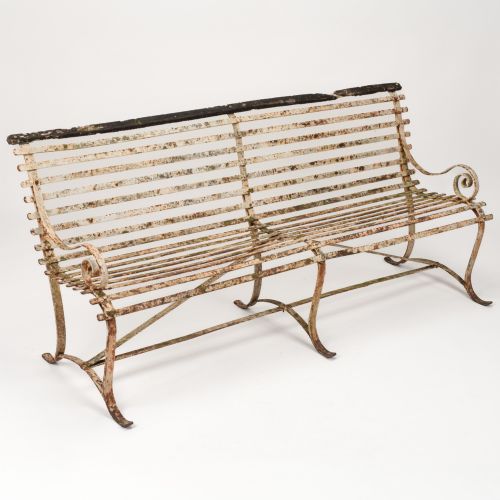
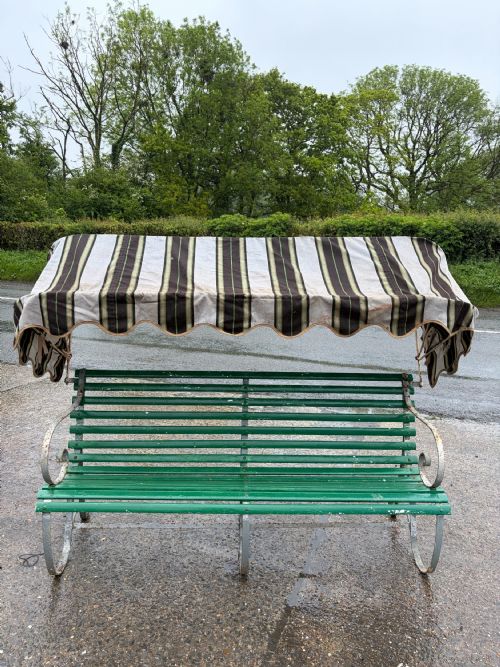
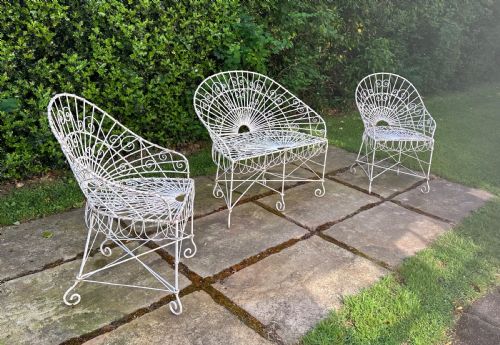
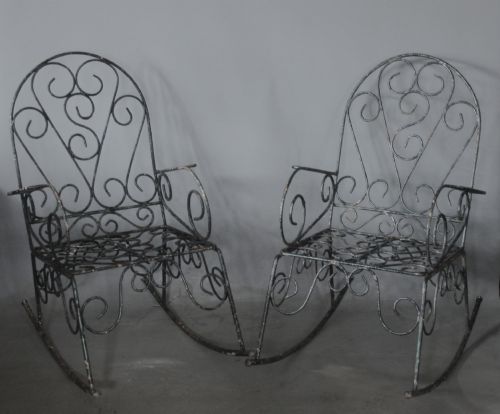
A wrought iron garden seat spans several distinct historical eras, most notably the Regency and Victorian periods, alongside early twentieth-century examples. Buyers searching for a wrought iron garden seat will find generous three-seater benches, twin-seat configurations, and specialised items such as croquet or tennis seats with fold-down footrests and garden tree seats.
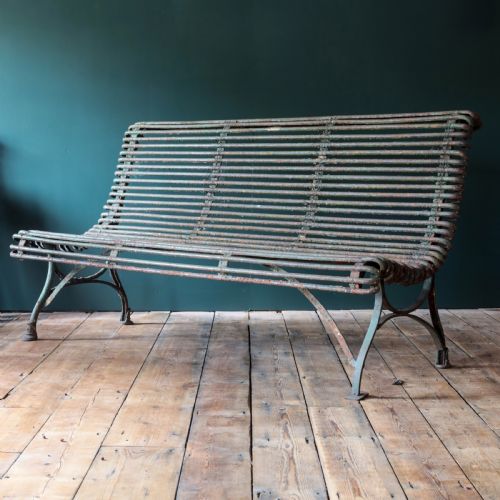
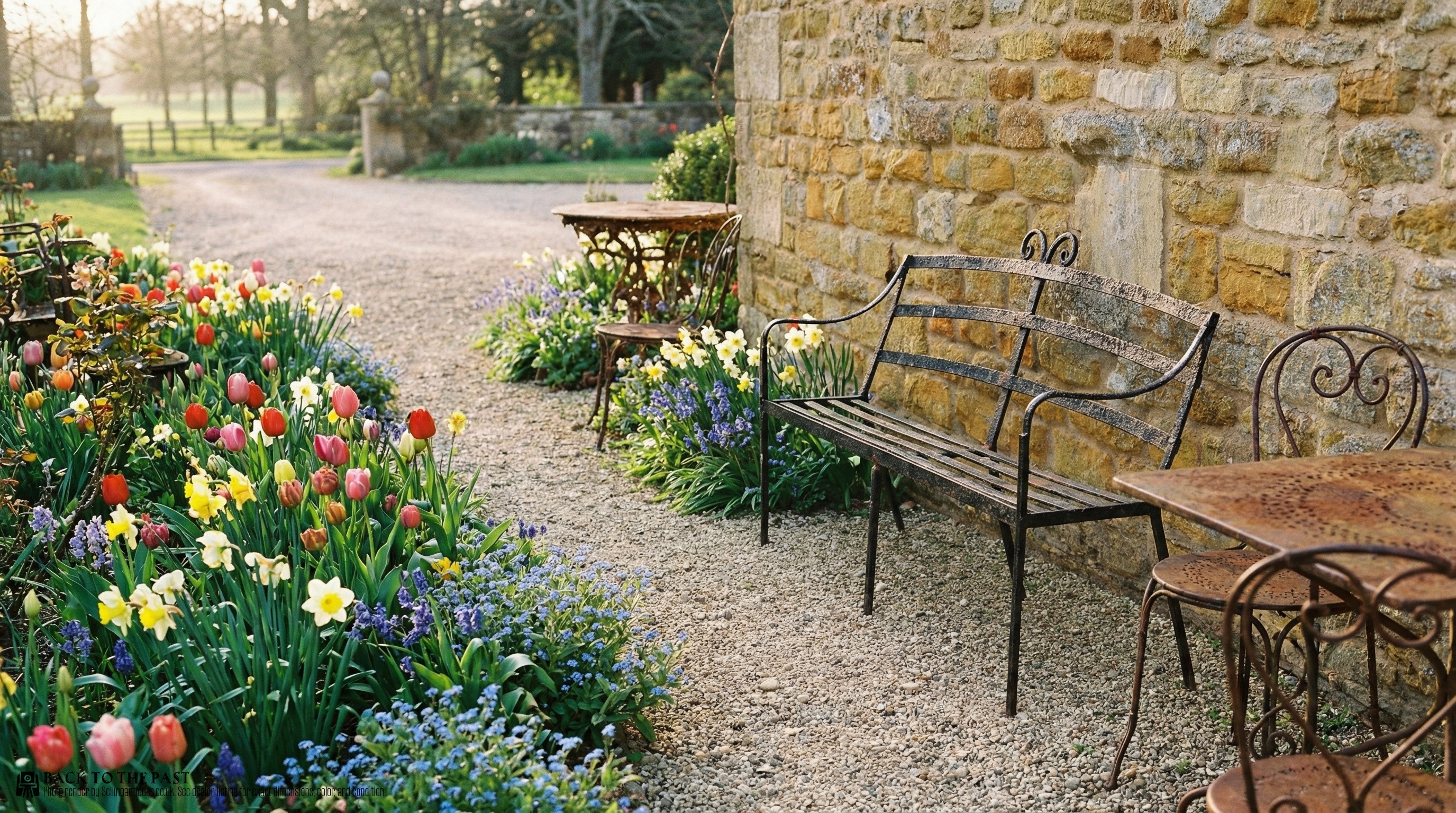
The prevailing style on this page draws heavily from Regency aesthetics, particularly strapwork designs, as well as classic Victorian frameworks and French nineteenth-century influences. These outdoor benches frequently appear alongside related object types including garden benches, garden seats, and outdoor chairs.
Origins vary between English workshops and French country traditions, with pieces dating from the early nineteenth century through to the 1930s. Whether structured with an integrated canopy or fitted with slatted wood details, each variant provides a robust foundation for outdoor use.
Materials and Construction
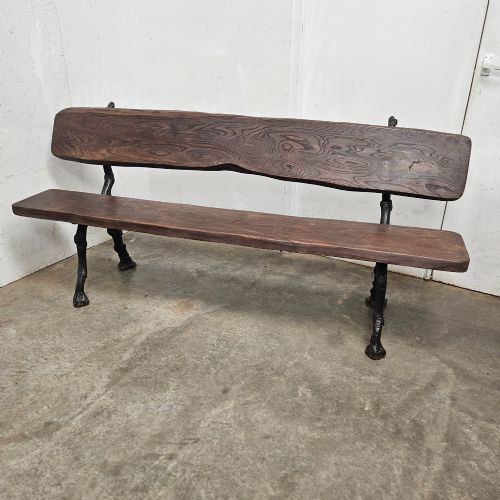
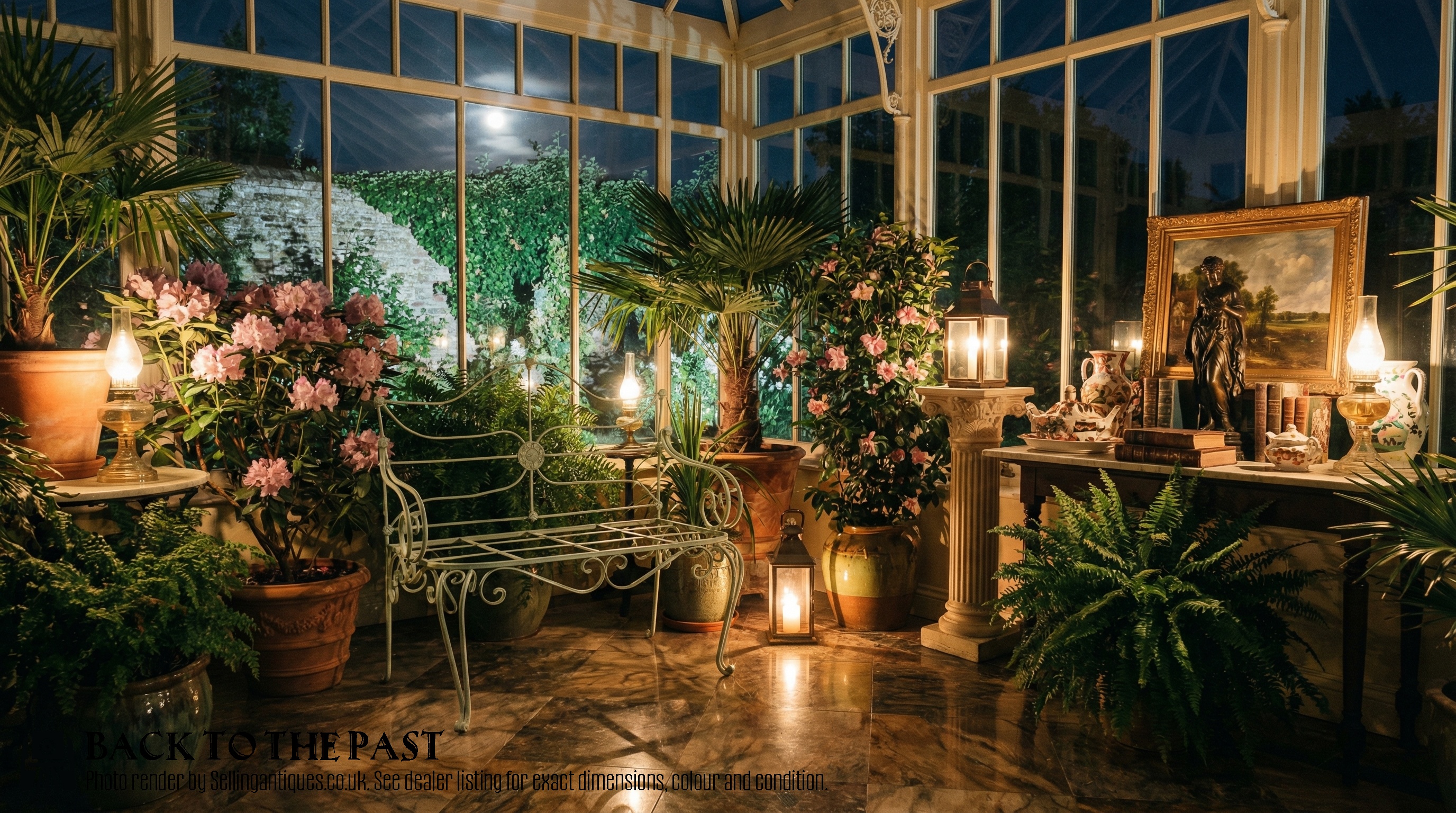
Makers utilised durable metals including wrought iron, painted iron, painted metal, and steel to forge the structural frames of these garden seats. Many examples incorporate wooden elements, specifically slatted wood components for the seats, combined with sturdy metal scrollwork and supports.
Protective surface treatments such as paint layers, including traditional green finishes, were applied to shield the metal from outdoor exposure. The forging techniques relied on shaping iron bars into linear strapwork and scroll patterns that define the structural integrity of each bench.
Retail Price Guide 2026
Typical UK retail prices for wrought iron garden seat, calculated from the Sellingantiques database of over a million retail prices indexed since 2003. This retail price guide relies exclusively on Sellingantiques data; no external sources or auction records are used, so the figures do not describe the wider market.
Listings feature pieces spanning the Regency, Victorian, and Edwardian eras, alongside 1930s French metalwork.
Evaluating Quality and Design
The distinction between standard examples and superior pieces rests in the complexity of the metalwork, such as intricate strapwork versus plain bar construction. Better examples often incorporate thoughtful functional elements like fold-down footrests, canopies, or bespoke configurations tailored for croquet and tennis lawns.
Material composition also dictates the standing of a piece, where solid wrought iron frames paired with well-preserved painted surfaces or integrated slatted wood hold greater distinction than later generic metal forms. The clarity of the nineteenth-century or Regency styling and the proportional balance of the frame separate ordinary garden seating from exceptional finds.
The Wrought Iron Garden Seat Glossary
- Wrought iron
- A tough, malleable form of iron that can be heated and hammered into decorative scrolls and structural bars. This material forms the primary framework for antique garden benches.
- Strapwork
- A decorative motif composed of flat, interlaced bands resembling leather straps. It defines the characteristic openwork backs of Regency garden seats.
- Garden tree seat
- A circular bench constructed to encircle the trunk of a mature tree. These expansive pieces offer shaded outdoor resting points.
- Canopy
- An overhead structural hood or covering attached to a garden bench. Victorian examples occasionally employ this feature to provide shelter from sun and showers.
Frequently Asked Questions
How do I care for a wrought iron garden seat?
Keep the metal clean and dry where possible, and inspect the painted surface regularly for signs of wear. Applying a suitable protective coating helps prevent rust from taking hold during damp winter months.
Position the bench on firm, level ground away from standing water to protect the base of the legs. Regular maintenance preserves both the structural integrity and the original painted finish.
Were these seats left outside all year?
Traditional garden seats were constructed robustly to withstand outdoor conditions across multiple seasons. The durable iron and painted finishes allowed them to remain in lawns, courtyards, and terraces.
However, extreme winter weather often prompted owners to move delicate pieces like canopy benches or wooden-slatted variants into outhouses. Sensible seasonal storage helps extend the lifespan of antique metalwork.
How can I tell a Regency seat from a Victorian one?
Regency designs frequently feature clean geometric strapwork and lighter linear iron framing. These pieces emphasise classical restraint and open metal patterns.
Victorian iterations tend towards heavier proportions, sometimes incorporating ornate canopies or more elaborate casting alongside traditional forged elements. Comparing the scrollwork density helps clarify the period of manufacture.
Are these benches comfortable to sit on?
The curved backs and supportive metal strapwork provide a surprisingly ergonomic resting place. Many historical examples were specifically shaped to support the spine during long afternoons outdoors.
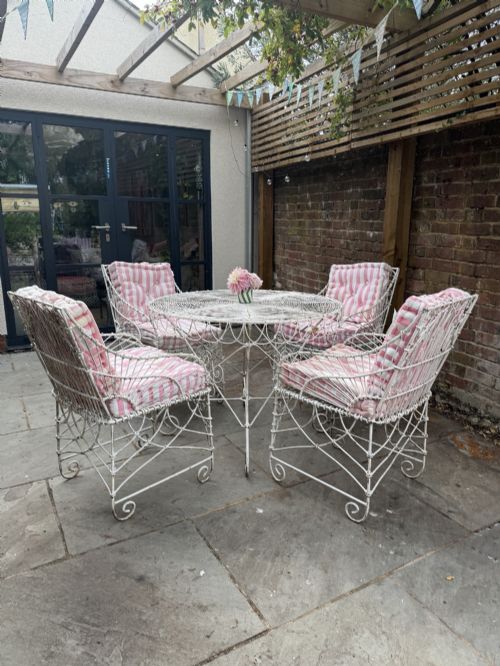
For extended sitting, owners often add tailored cushions to soften the iron or slatted wood surface. The built-in footrests on sporting variants further enhance comfort during lawn games.