


French Metal Garden Bench
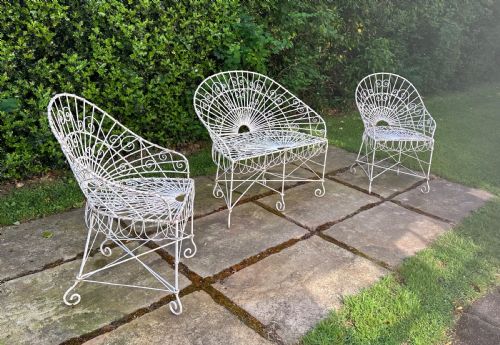
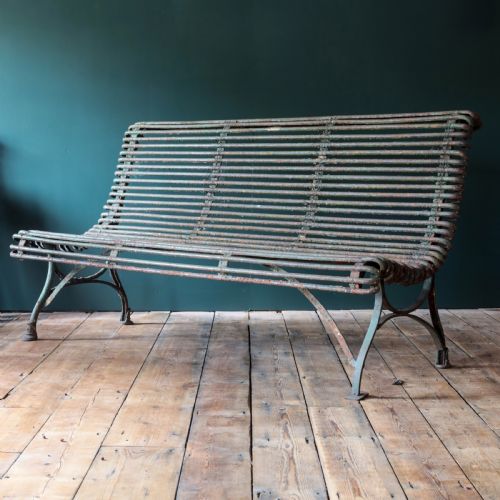
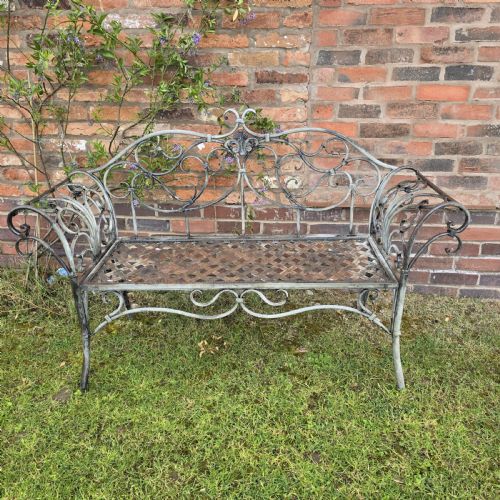
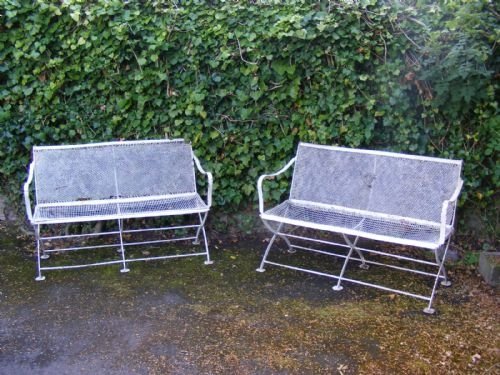
A french metal garden bench brings enduring character to a lawn or conservatory, offering solid seating built from wrought iron, cast iron, and wirework.
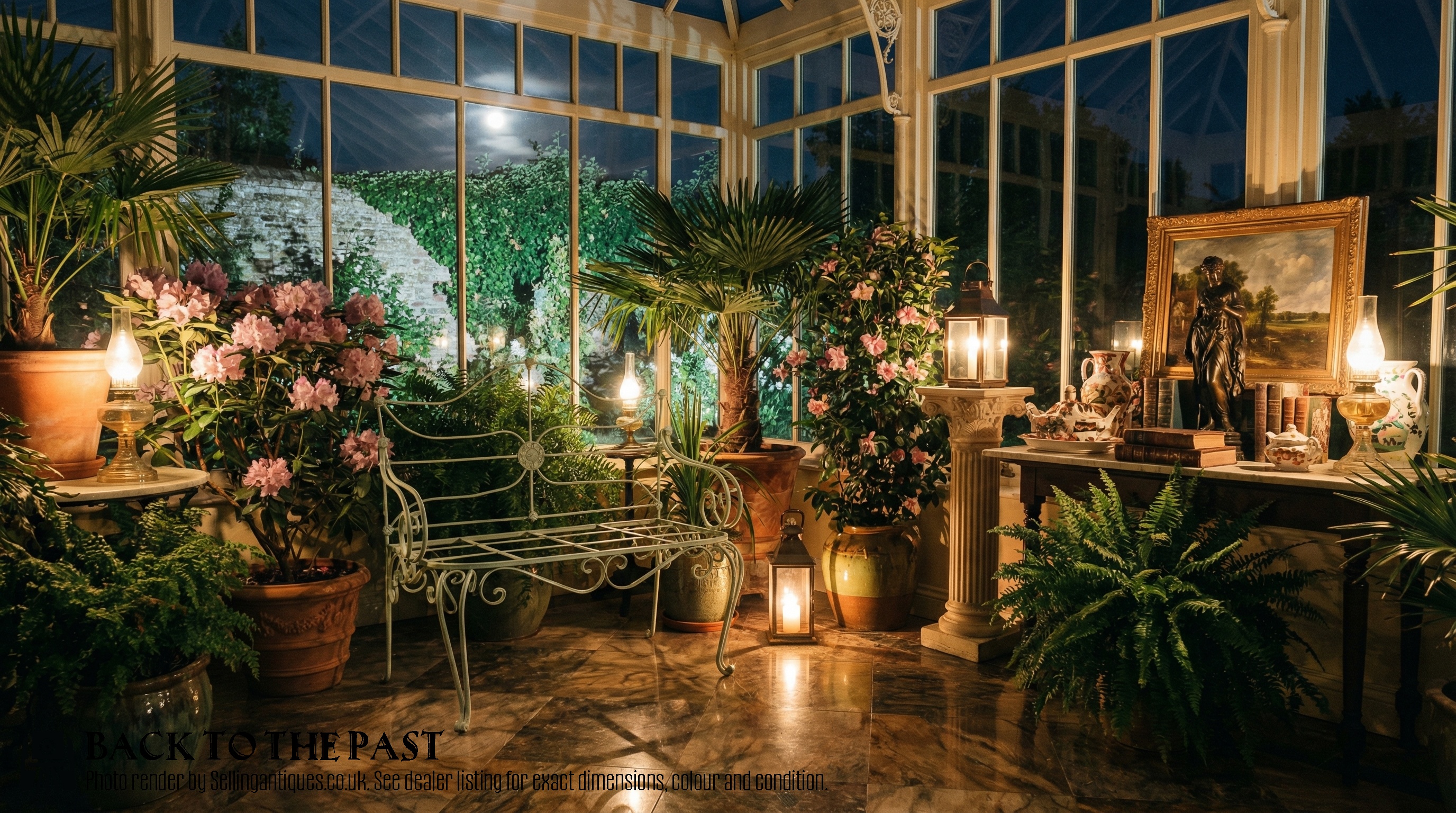
French Metal Garden Bench
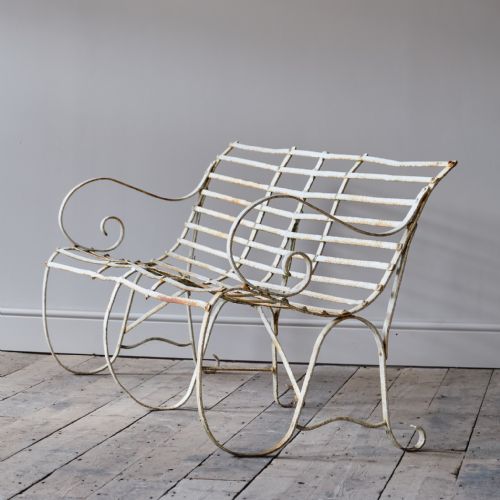
A french metal garden bench provides durable outdoor seating shaped by 19th century, Victorian, and early 20th century traditions. Buyers searching this phrase encounter variations spanning simple strap work forms to ornate gothic revival designs.
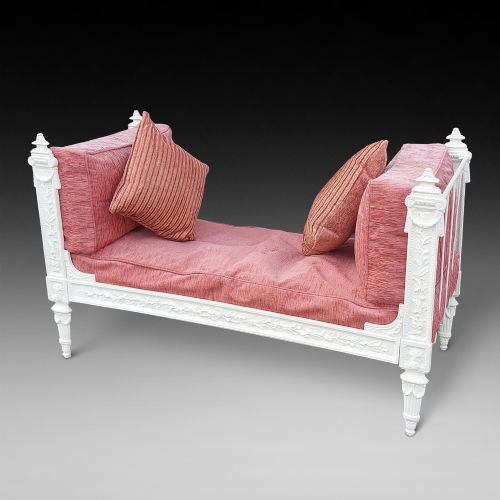
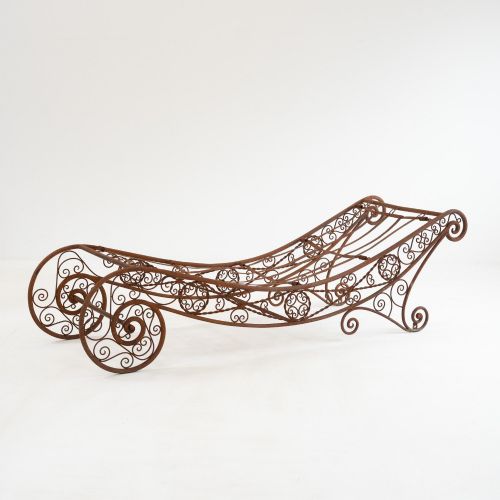
The selection ranges across distinct periods including the 1880s, 1900s, 1920s, and 1930s. Alongside standard benches, the listings include related garden daybeds, wirework arbours, and folding metalwork tables.
Makers often utilised robust metals such as wrought iron and cast iron, sometimes paired with timber. Pieces frequently display layers of original paint or natural verdigris finishes developed over decades of outdoor exposure.
Construction and Materials
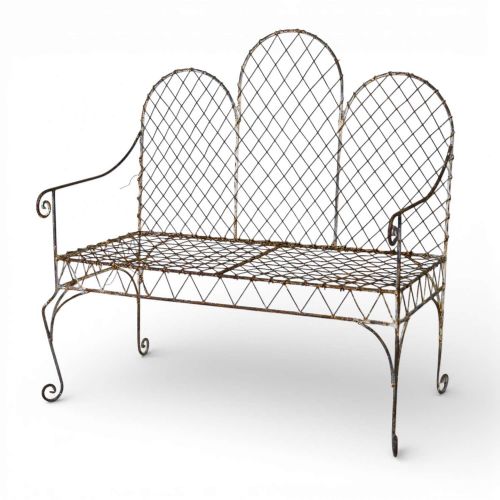
Blacksmiths and foundries shaped these pieces using wrought iron and cast iron, forming rigid frames and decorative scrollwork. Wirework construction appears in specific arbor forms, requiring skilled manipulation of metal strands.
Surface treatments rely on applied paint finishes that weather over time. Many surviving examples retain authentic layers of historic paint or copper patination.
Structural elements occasionally incorporate timber components alongside the primary metal framework. Joints utilise traditional fixings appropriate to each manufacturing era.
Assessing Quality and Character
Quality rests in the integrity of the original metalwork and the complexity of the scroll or strap work execution. Heavier castings and carefully forged wrought iron demonstrate superior craftsmanship.
The preservation of original surface finishes dictates much of the desirability. Pieces retaining uncompromised layers of historic paint hold distinct character compared to later repainted surfaces.
The French Metal Garden Bench Glossary
- Wrought iron
- Iron heated and hammered into shape by hand. This material offers high tensile strength and allows for slender, elegant structural components.
- Cast iron
- Molten iron poured into a mould to create detailed forms. It provides rigidity and permits ornate decorative patterns impossible through forging.
- Verdigris
- A green patina formed naturally on copper or brass surfaces through atmospheric oxidation. It signifies considerable age and exposure to the elements.
- Strap work
- Flat strips of metal riveted or joined to form geometric patterns. This technique provides robust bracing while maintaining visual lightness.
- Arras
- A specific style of French ironwork associated with factory-made garden furniture from northern France. These pieces are particularly noted for their distinctive construction.
French Metal Garden Bench: Frequently Asked Questions
How do I protect my metal bench outdoors?
Position the piece on firm, well-drained ground to prevent moisture accumulation around the base of the legs. Regular inspection of the surface helps maintain the protective paint layers against weathering.
During harsh winter months, storing the bench under cover preserves the structural integrity of older ironwork. Avoid using abrasive cleaners that strip historic paint layers.
Can I leave original paint outdoors?
Original paint finishes survive well outdoors if the underlying metal remains stable. Natural weathering adds to the historic character of 19th century and early 20th century pieces.
Applying a clear protective wax can stabilise flaking paint without altering the appearance. Shelter the piece during extreme weather to prevent further degradation.
What is the difference between cast and wrought iron?
Cast iron is poured into moulds, resulting in rigid, ornate components with a granular texture. It provides excellent weight and structural mass for garden seats.
Wrought iron is worked by hand while hot, yielding fibrous metal that bends without snapping. This allows for slender scrolls and dynamic structural framing.