


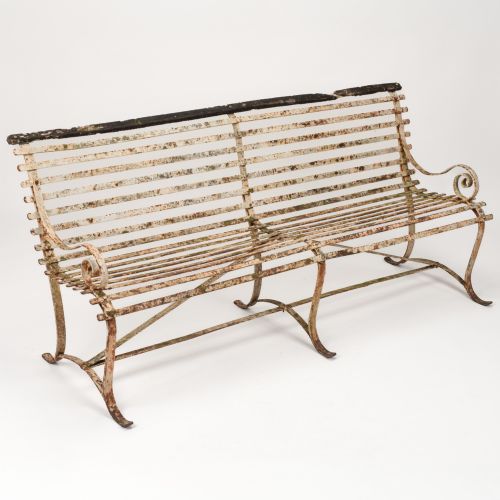
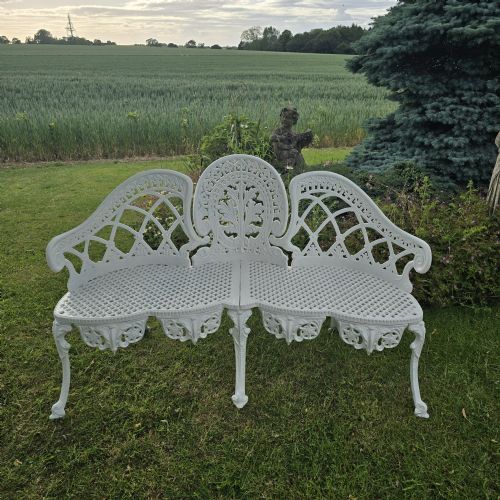

Vintage Iron Park Bench
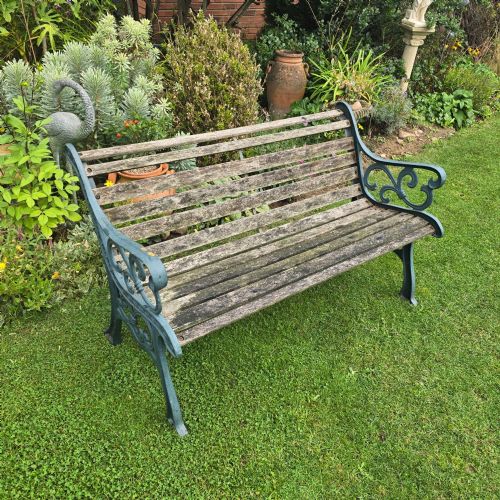
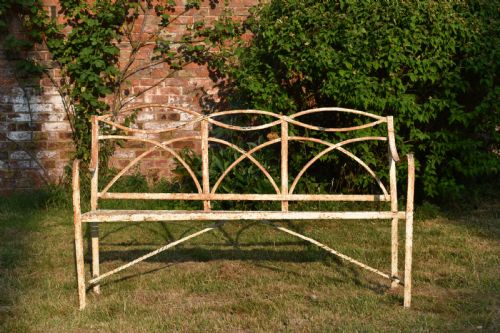
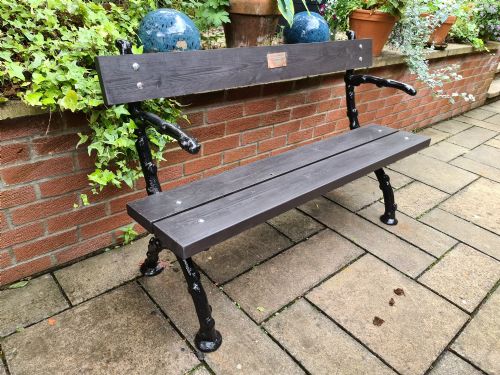
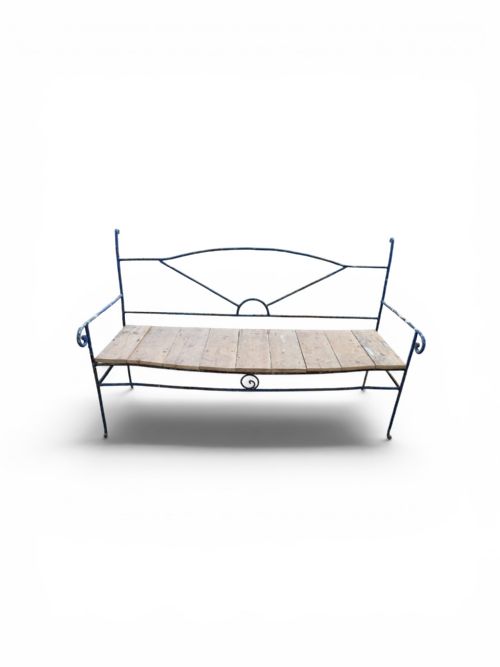
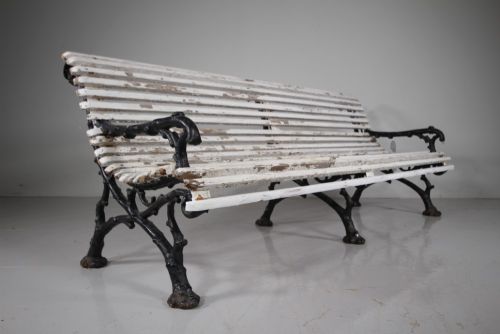
A vintage iron park bench grounds a garden in history, offering heavy metal framework and wooden slats designed to weather the seasons.
Vintage Iron Park Bench
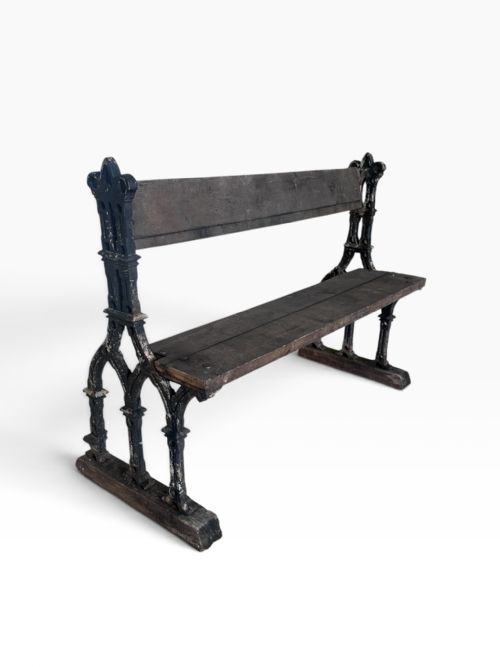
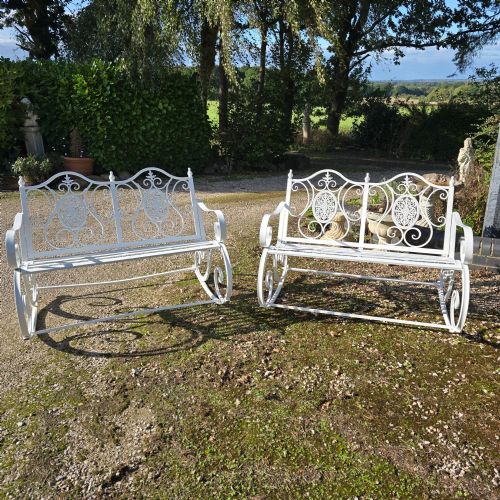
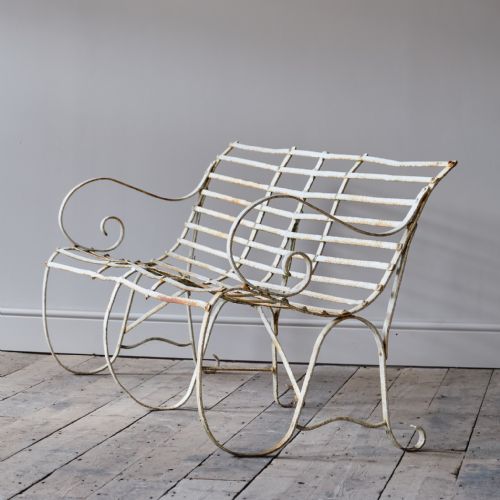
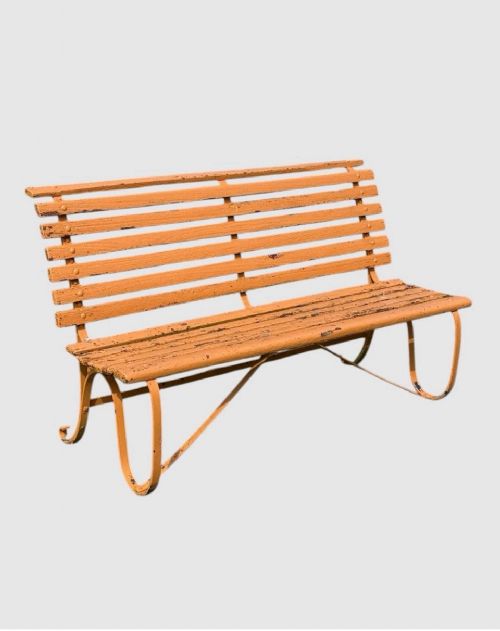
A vintage iron park bench brings heavy metal structure and slatted seats to lawns, patios, and garden paths. When you search for a vintage iron park bench, you encounter forms ranging from simple nineteenth-century strapwork seats to elaborate gothic designs.
Origin details in the selection point to English and French workshops, utilising regional casting patterns. You will find sturdy two-seater and four-seater formats designed for permanent outdoor placement.
Factors that separate examples
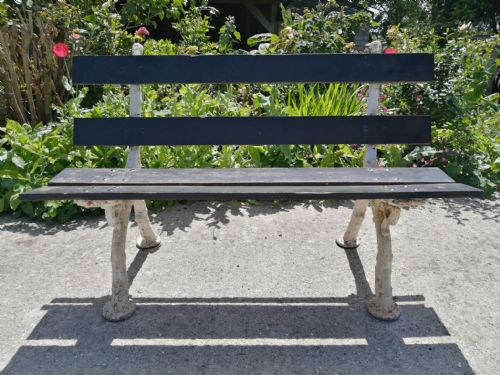
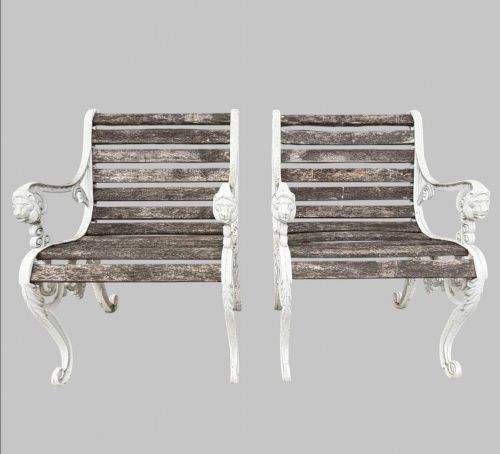
The crispness of the iron casting defines the upper tier of pieces, where fine details like faux bois bark textures or lion masks remain sharp. Heavier gauge metal and substantial framing indicate robust construction intended for municipal parks or large estates.
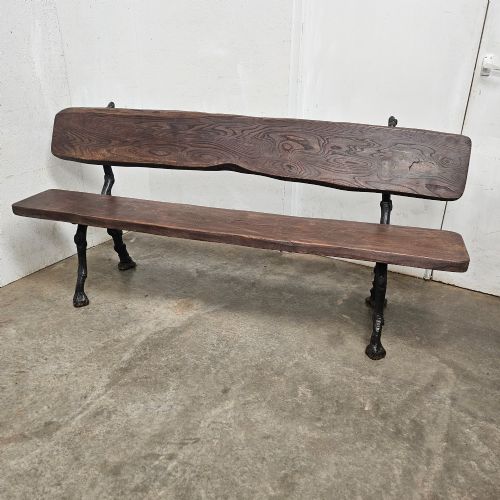
The integrity of the original components matters greatly, particularly whether the timber slats are period replacements or surviving elm and wood. Surviving layers of original paint add historic depth compared to stripped and uniformly repainted surfaces.
Vintage Iron Park Bench Retail Price Guide 2026
Typical asking prices for vintage iron park bench among the pieces listed under this phrase on Sellingantiques today, from the lower quarter to the upper quarter. They describe what is for sale here now, not the wider market.
The selection includes pieces from the 19th Century, Regency, and Edwardian periods, utilising cast iron, wrought iron, elm, and timber.
Coalbrookdale
The Vintage Iron Park Bench Glossary
- Cast iron
- Iron poured into a mould in a molten state to create rigid, highly decorative components like bench ends and backs. It provides heavy structural weight and intricate relief detail.
- Wrought iron
- Iron heated and worked by hand with tools to create strong, flexible structural elements like strapwork and scrolls. It resists snapping under tension better than cast iron.
- Faux bois
- A decorative technique mimicking the texture and appearance of natural wood grain. Foundry workers often applied this to cast iron to imitate rustic timber branches.
- Strapwork
- Flat bands of metal arranged in geometric patterns or interlaced strap designs. This technique appeared frequently on Regency and Victorian garden seating frames.
- Bench ends
- The structural cast iron side panels that support the backrest and seat slats. Collectors occasionally find these individual components separated from their original timber.
Vintage Iron Park Bench: Frequently Asked Questions
How do I care for an iron garden bench?
Keep the metal clean and address any emerging rust spots with appropriate treatments to preserve the structural integrity.
Store the bench under cover or protect it with a breathable cover during harsh winter weather to guard the wooden slats.
Are these benches comfortable to sit on?
Most feature contoured wooden slats and sloped iron backrests designed for upright garden seating rather than deep lounging.
Adding fitted outdoor cushions can improve comfort during extended periods in the garden.
Can I leave my bench outside all year?
Cast and wrought iron withstand outdoor elements effectively, though continuous moisture exposure affects wooden components.
Checking timber fixings annually ensures the wood remains securely fastened to the heavy iron frame.
How do I identify a Victorian bench?
Victorian examples often display heavier ornamentation, such as gothic tracery, faux bois branch patterns, or distinct foundry markings.
Construction methods typically combine rigid cast iron ends with durable timber slats designed for heavy public use.