

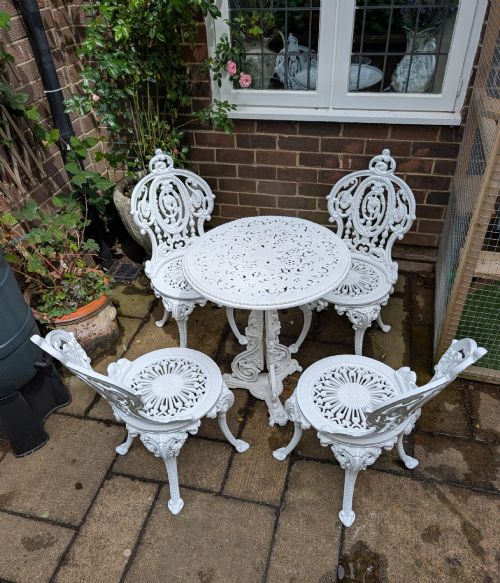

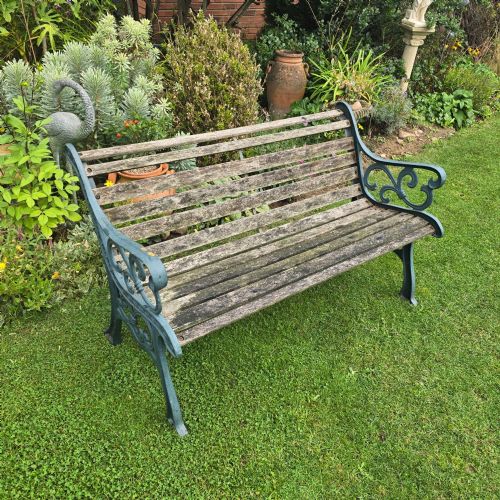
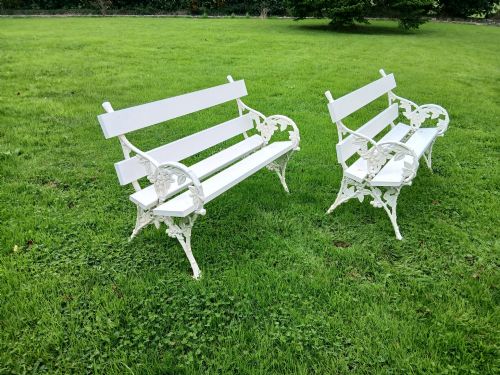
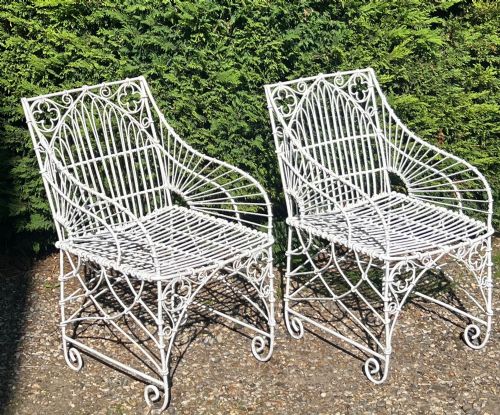
Painted Iron Garden Seat
These painted iron garden seats combine durability with classic outdoor style, offering a practical yet decorative addition to any lawn, patio or conservatory.
Painted Iron Garden Seat
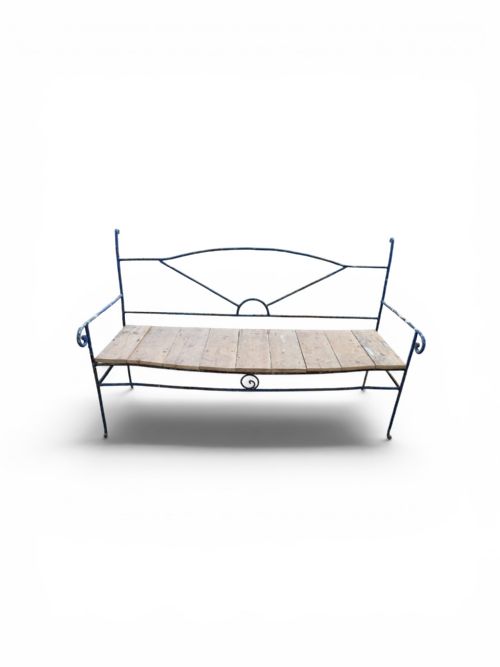
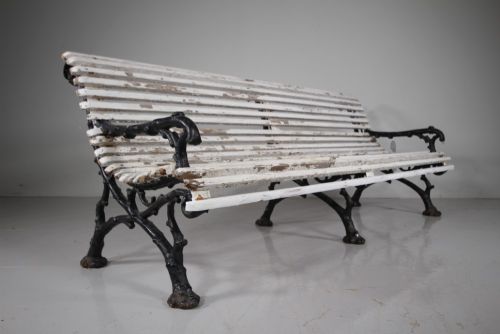
A painted iron garden seat is a sturdy outdoor bench designed for lawns, terraces and conservatories. These pieces provide a functional place to sit while adding architectural presence to exterior spaces.
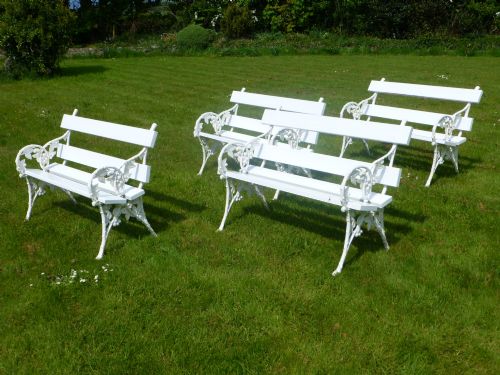
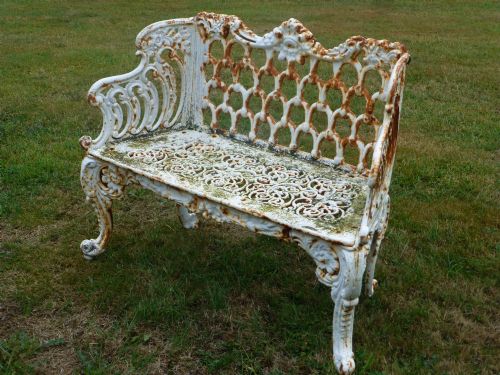
Buyers searching for a painted iron garden seat will most frequently encounter nineteenth-century examples and Victorian designs. Pieces range from simple strap work forms to elaborate white house rose garden patterns.
Surviving examples span multiple eras including the Regency period, Edwardian era and the 1930s. Some benches incorporate wooden elements or feature cast aluminium alongside traditional ironwork.
How They Were Made
Makers utilised cast iron, wrought iron and cast metal to form the structural frames and decorative backrests of these seats. Molten metal was poured into moulds or hammered by hand into strap work patterns.
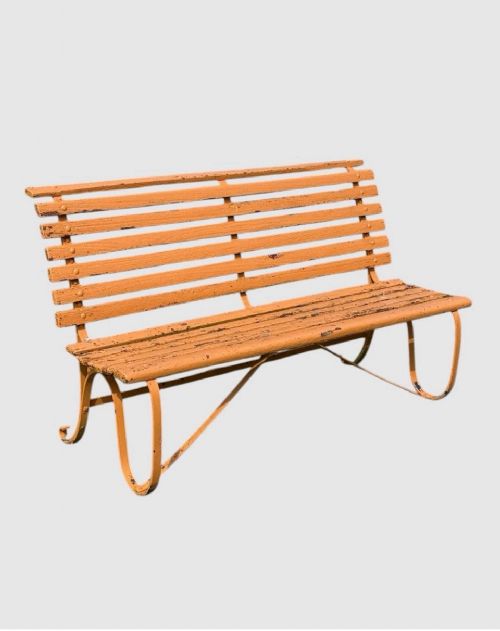
Many of these benches integrate wooden slats or seats alongside the metal framework. Protective layers of paint were applied to the iron to prevent rust and withstand outdoor weathering.
Painted Iron Garden Seat Retail Price Guide 2026
Typical asking prices for painted iron garden seat among the pieces listed under this phrase on Sellingantiques today, from the lower quarter to the upper quarter. They describe what is for sale here now, not the wider market.
Materials recorded across the available inventory include cast iron, wrought iron, cast aluminium, paint, and wood.
What Varies in Quality
The sophistication of the casting and forging distinguishes simpler utility seating from finer ornamental works. Elaborate decorative motifs, such as rose patterns or intricate strap work, demand greater skill from the maker.
Material composition also dictates the character of the piece, with heavier cast iron elements offering a solid permanence compared to later cast aluminium or mixed wood and metal constructions.
Carron Foundry
The Painted Iron Garden Seat Glossary
- Cast Iron
- A strong, rigid iron-carbon alloy poured into moulds to create intricate decorative patterns and sturdy bench ends. This heavy material forms the primary structure of many nineteenth-century garden seats.
- Regency Style
- An aesthetic inspired by the early nineteenth century, characterised by classical restraint, symmetry and refined decorative elements. Benches in this style often incorporate curved lines and classical motifs.
- Edwardian
- Pertaining to the period from the death of Queen Victoria in 1901 to the start of the First World War in 1914. Garden seating from this time often shows lighter proportions and simpler forms.
Painted Iron Garden Seat: Frequently Asked Questions
Are these seats weatherproof?
These pieces are designed for outdoor use and withstand normal weather conditions when properly maintained. Applying periodic coats of paint helps protect the metal from moisture and rust.
Leaving the seats outdoors year-round is common, though storing them during harsh winter weather preserves the painted finish.
How do I date a garden seat?
Dating relies on examining the construction methods, materials and stylistic clues such as Victorian or Regency decorative motifs. Foundry marks or specific casting techniques can also point towards a nineteenth-century or Edwardian origin.
Comparing the heaviness of the iron and the style of any wooden elements helps narrow down the decade of manufacture.
Can I use these benches indoors?
These seats adapt well to indoor spaces such as conservatories, sunrooms or large hallways. Their decorative metalwork adds an architectural element to interior rooms.
Using felt pads beneath the feet protects indoor flooring from the heavy metal frame.
What is strap work?
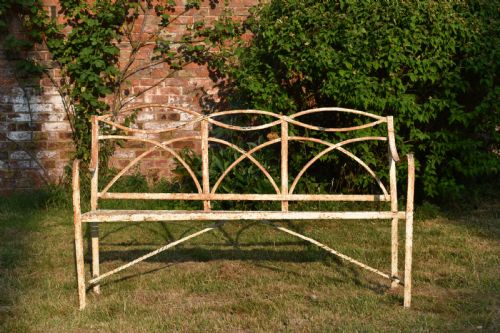
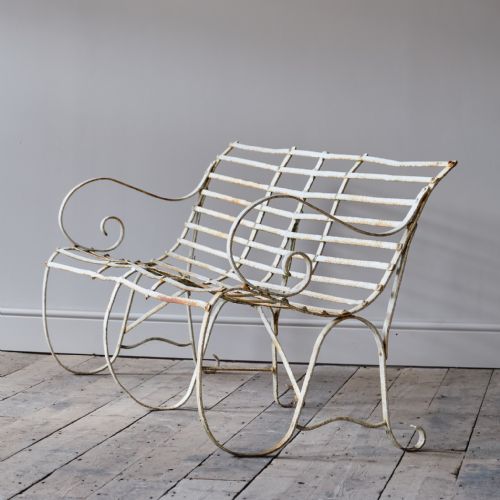
Strap work refers to a decorative technique using flat bands of wrought iron arranged in geometric or interlocking patterns. This style provides structural support while creating an open, airy visual effect on the backrest.
Benches featuring this technique often date from the nineteenth century.