
Vintage Park Bench
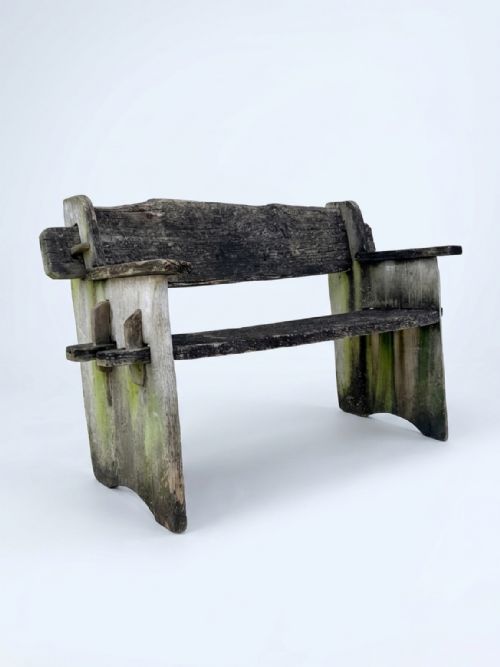
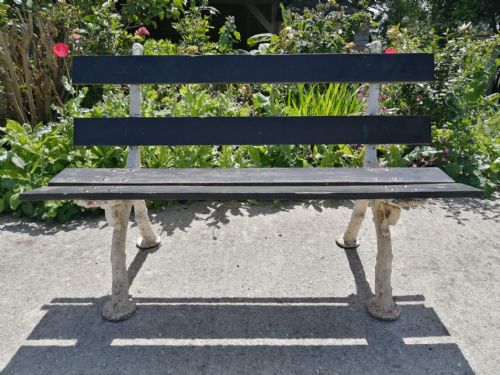
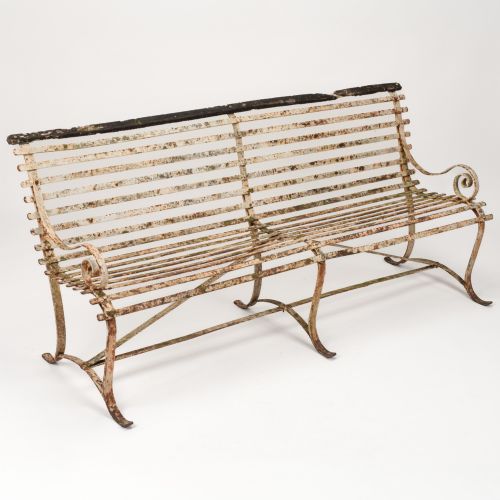
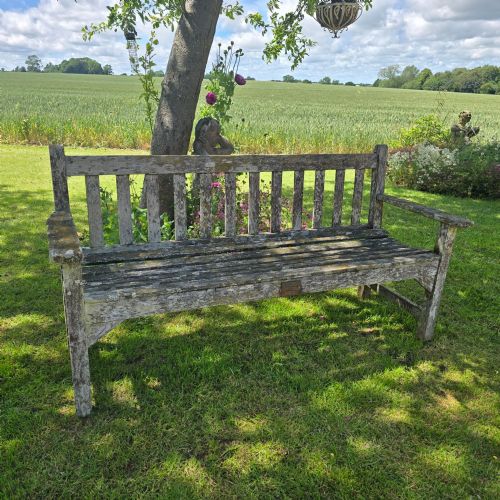
A vintage park bench brings enduring character to a lawn or terrace, offering robust metal framing and weathered timber slats.
Vintage Park Bench
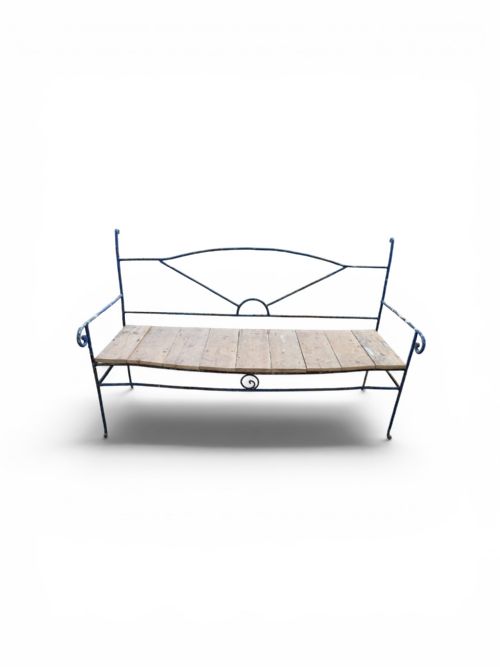
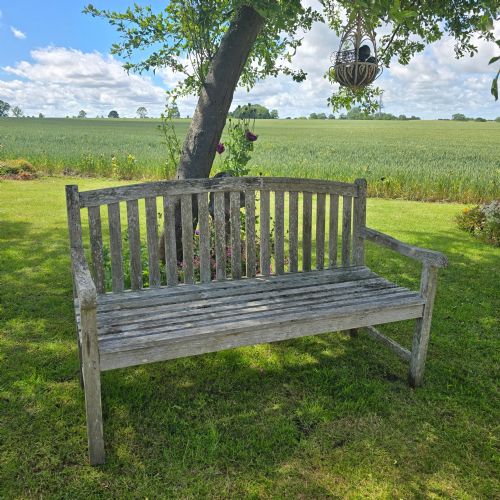
A vintage park bench is a durable outdoor seat designed for gardens and public grounds, spanning periods from the early nineteenth century through to the interwar decades. Buyers examining this selection encounter diverse formats including timber slats paired with cast iron ends, alongside entirely metal framework.
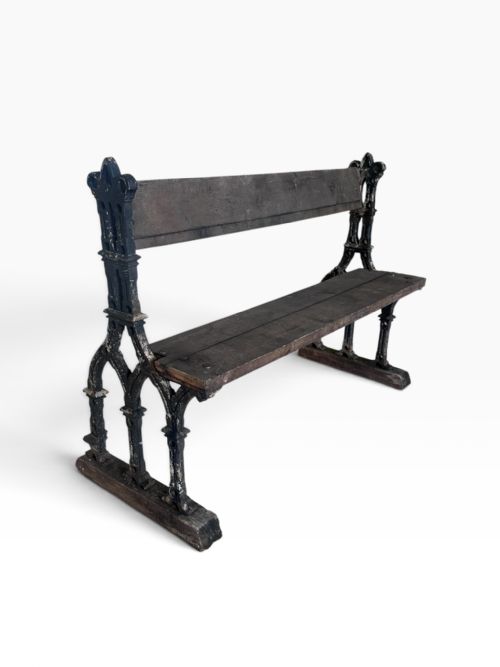
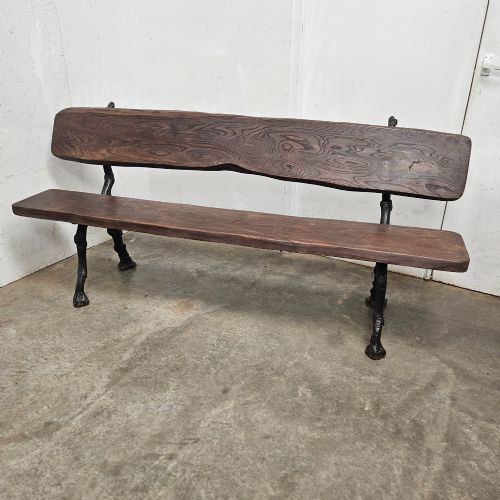
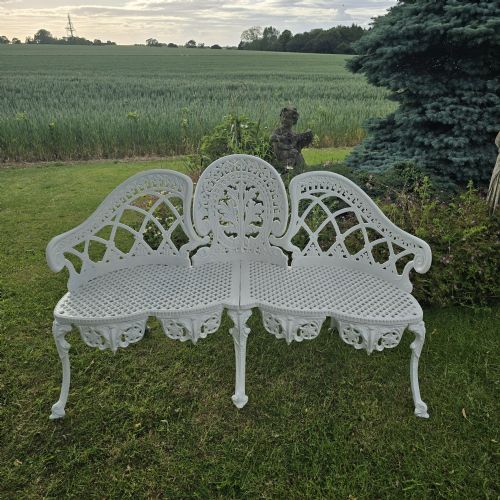
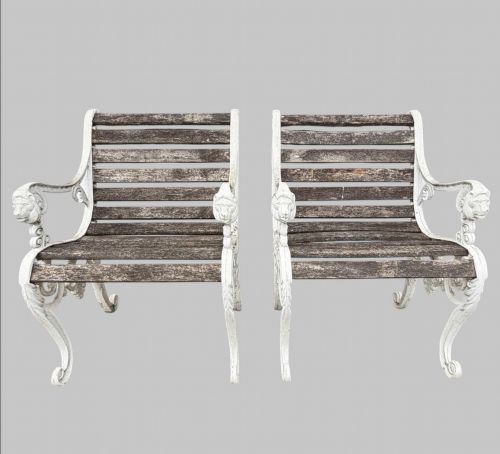
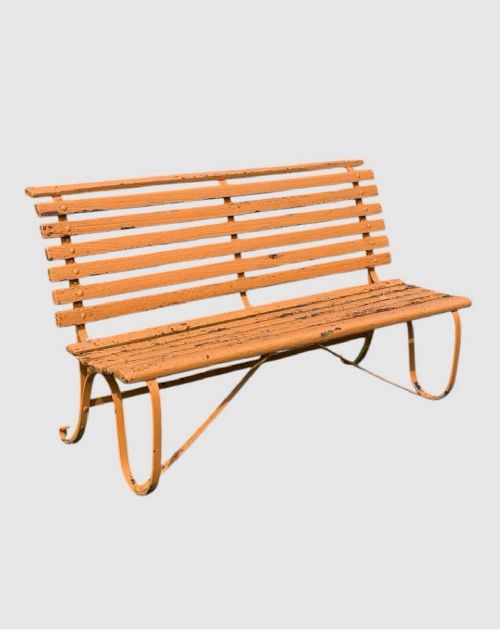
The version most commonly met on this page combines heavy iron supports with slatted timber seating, often showing decades of weathering on the wood. Examples range from simple utilitarian garden seats to elaborate gothic patterns and decorative strapwork frames.
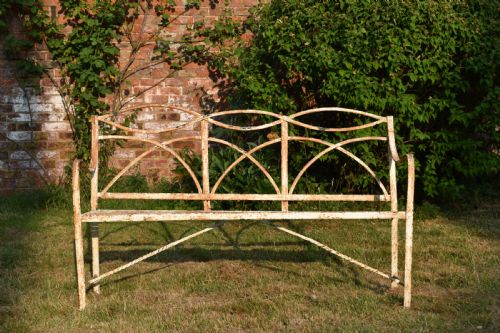
Origins stretch across English workshops and continental makers, incorporating styles from the Regency period through Victorian rustic designs. These pieces function equally well as practical garden seating or as focal points within planted landscaping.
Materials and Construction
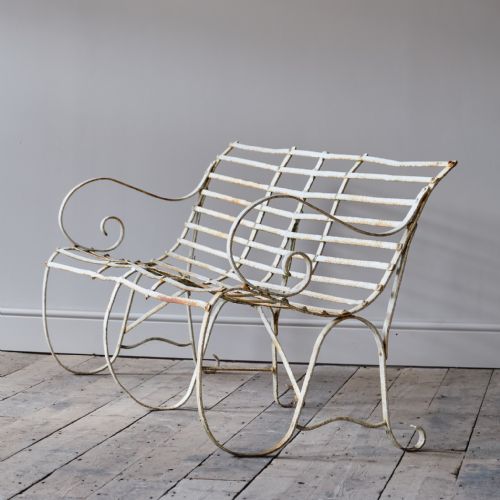
Makers utilised durable metals such as cast iron and wrought iron to form intricate structural ends, scrollwork and strapwork. These metal components were frequently painted or left to develop a protective oxide layer over time.
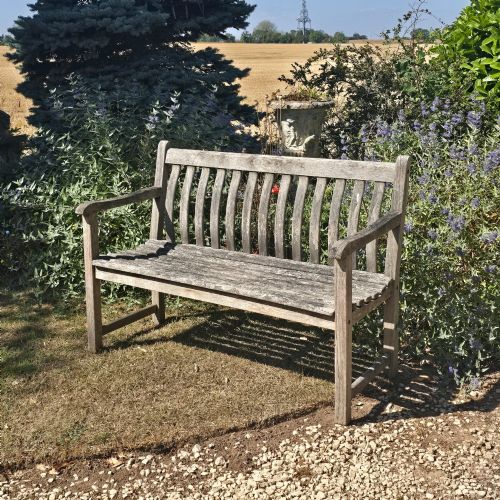
Timber elements such as teak, elm and general hardwoods were selected for slats and seats, offering natural resistance to outdoor conditions. Over decades, exposure to the elements causes this wood to weather into a silvered tone.
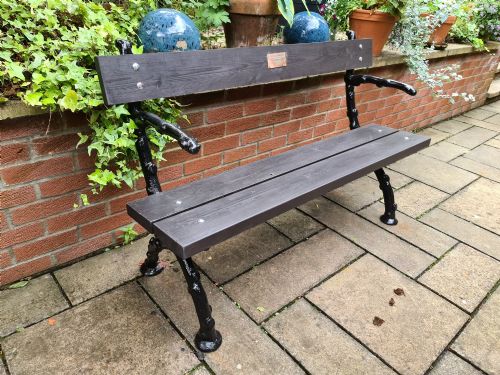
Construction methods combined bolted or riveted metal frames with secure wooden slats, ensuring the seats could withstand heavy public or private use. Layers of original paint often survive beneath later coats on both iron and wood surfaces.
Vintage Park Bench Retail Price Guide 2026
Typical asking prices for vintage park bench among the pieces listed under this phrase on Sellingantiques today, from the lower quarter to the upper quarter. They describe what is for sale here now, not the wider market.
Factors of Quality
Quality rests in the crispness of the iron casting and the complexity of decorative elements like lion masks or faux bois texturing. Superior examples display intricate detailing that remains sharp despite generations of exposure and repainting.
The condition and density of the timber significantly influence the standing of a piece, with well-weathered teak retaining its structural integrity better than softer woods. Original surfaces and retained layers of early paint add substantial character compared to stripped or heavily restored metalwork.
Coalbrookdale
The Vintage Park Bench Glossary
- Faux Bois
- A decorative technique mimicking the texture and appearance of natural wood grain, often rendered in cast iron to resemble rustic branches.
- Strapwork
- Flat metal bands arranged in geometric or interlaced patterns, frequently utilised on the backs and seats of Regency and Victorian garden benches.
- Bench Ends
- The structural cast iron or wooden side supports that hold the backrest and seat slats together.
- Weathering
- The natural alteration of wood and metal surfaces resulting from prolonged exposure to sun, rain and air over many decades.
- Arras
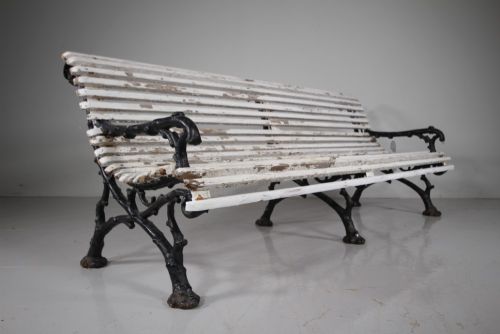
- A distinct style of French metal garden furniture known for slatted iron construction and curved frames.
Vintage Park Bench: Frequently Asked Questions
How do I maintain an old metal and wood bench?
Keep the timber clean and treat it periodically with suitable oils to prevent excessive drying while preserving the silvered surface.
Protect the iron components from active rust by applying appropriate metal treatments without removing the character of historic paint layers.
Can these benches stay outside all year?
Most pieces are built from hardy materials like teak and cast iron that tolerate outdoor conditions throughout the changing seasons.
Positioning them on dry paving rather than damp soil helps prevent moisture absorption at the base of the legs during winter months.
How do I date a cast iron garden seat?
Examine the style of the ironwork, comparing decorative motifs like gothic tracery or Regency strapwork against documented period designs.
Construction techniques, such as the use of early bolts and the presence of layered historic paint, also provide clear indicators of age.
Are replacement slats acceptable on vintage benches?
Replacement timber is common on older frames because wood degrades long before the heavy iron supports require intervention.
Using traditional timbers like teak for repairs maintains the integrity and visual harmony of the original design.