

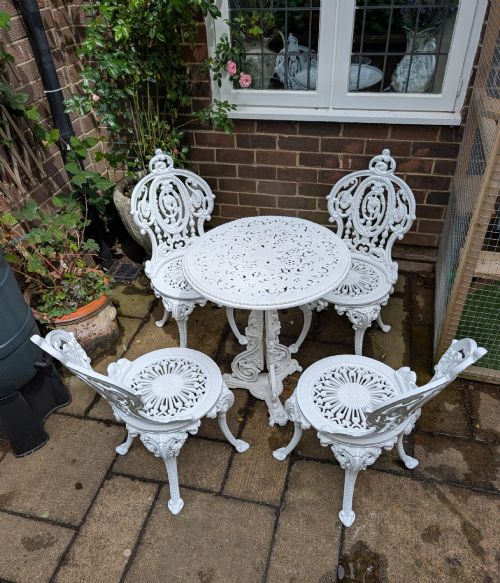
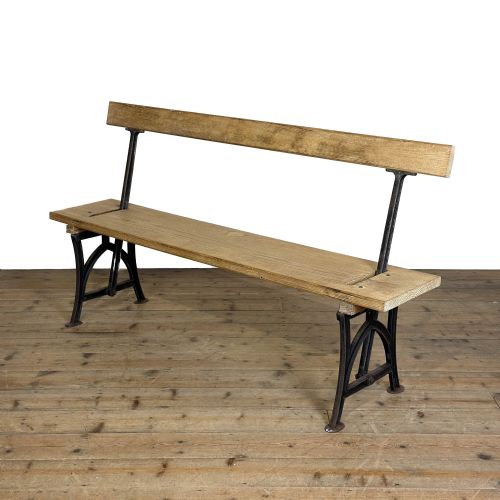

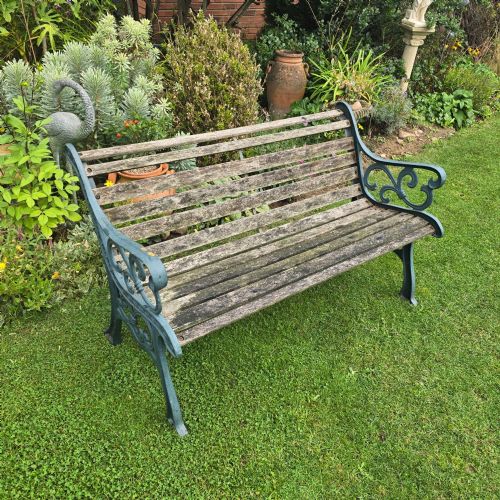
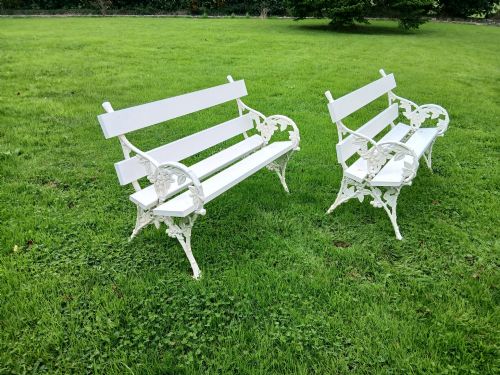
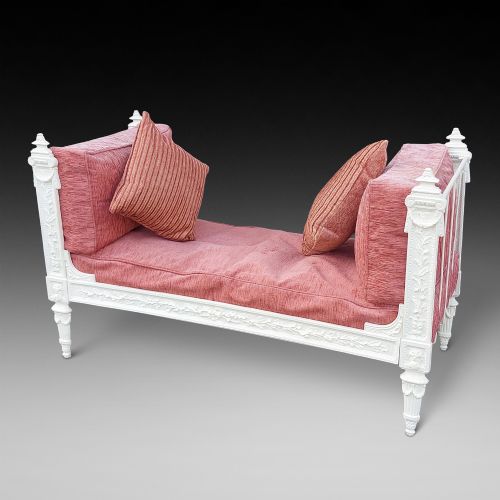
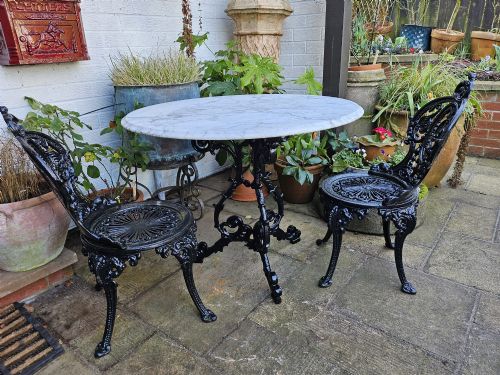
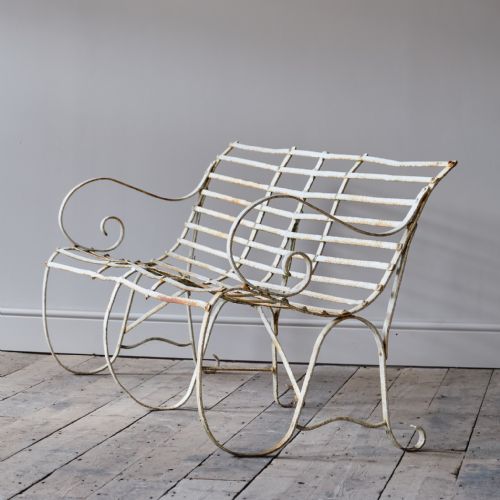
Cast Iron Garden Seat
These cast iron garden seat examples bring robust Victorian design and enduring outdoor seating to lawns and terraces.
Cast Iron Garden Seat
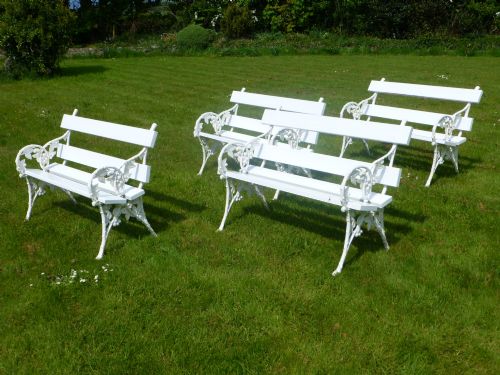
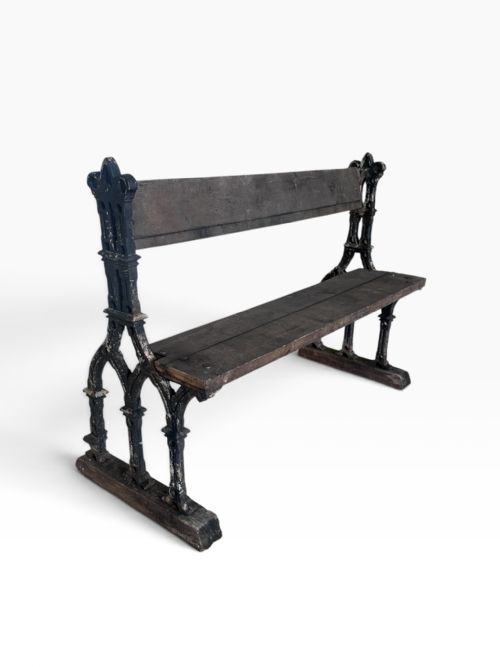
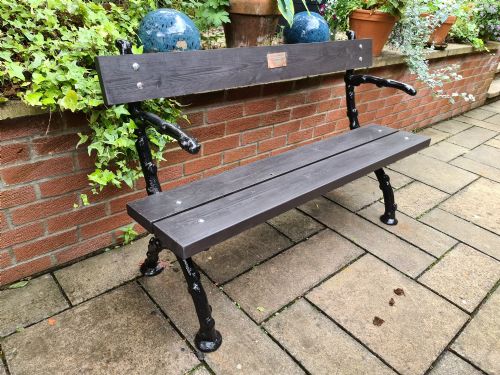
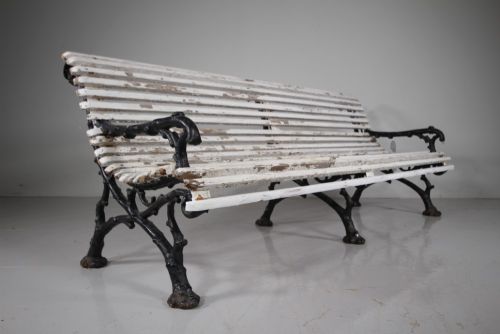
A cast iron garden seat forms a substantial outdoor bench, combining heavy metal framework with timber or iron laths for the seat and backrest. These items originate predominantly from the nineteenth century, including specific Victorian Gothic and decorative revival periods.
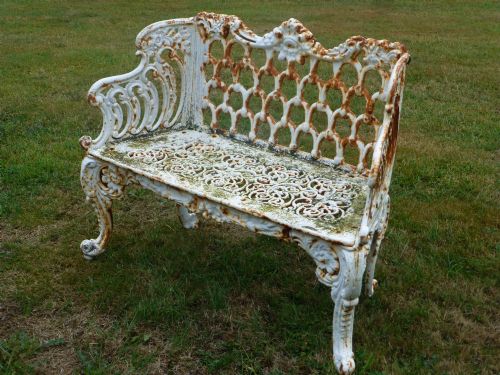
Buyers will most frequently encounter nineteenth-century Victorian pieces featuring botanical motifs like blackberry, leaf, or rustic twig patterns. Many examples incorporate wooden elements alongside the metal work, or survive as complete two and three seater garden benches.
How they were made
Foundries poured molten cast iron into sand moulds to create intricate openwork patterns, structural ends, and decorative backs. Artisans frequently combined these heavy metal castings with wooden timber slats, oak, or painted wood for the seating surface.
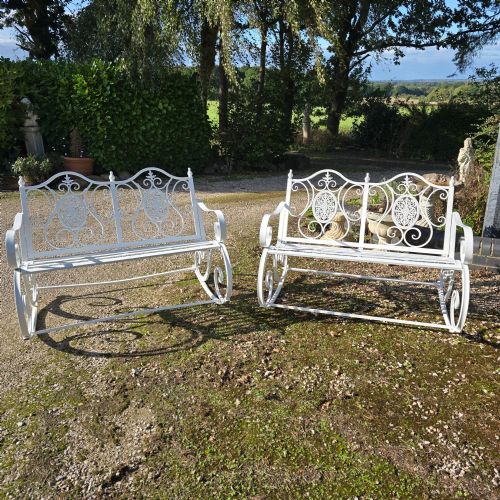
Makers finished the metal and wood components with protective paint layers to withstand outdoor exposure. Wrought iron strap work and later cast aluminium also appear among the structural materials recorded in these outdoor seats.
Cast Iron Garden Seat Retail Price Guide 2026
Typical asking prices for cast iron garden seat among the pieces listed under this phrase on Sellingantiques today, from the lower quarter to the upper quarter. They describe what is for sale here now, not the wider market.
Listings feature garden benches spanning from the nineteenth century through the 1930s, constructed from cast iron, wrought iron, timber, and painted wood.
What varies in quality
The sophistication of the foundry work dictates the refinement of each cast iron garden seat, ranging from plain structural frames to deeply modelled botanical and figural relief patterns. Crisp casting detail in complex designs like the serpent and twig or faux bois motifs separates standard utility benches from masterworks.
The integrity of the original construction and the preservation of the cast metal define the standing of a piece. Examples bearing specific foundry attributions carry distinct historical weight compared to unbranded workshop production.
Falkirk Carron Foundry·Coalbrookdale·John Finch·Phoenix Foundry
The Cast Iron Garden Seat Glossary
- Cast Iron
- A hard, brittle alloy of iron and carbon poured into moulds while molten to form complex decorative shapes. It provides the heavy load-bearing frames for these garden benches.
- Faux Bois
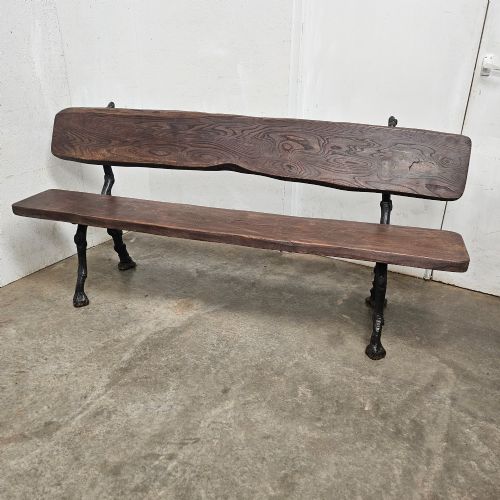
- An artistic imitation of wood or tree branches executed in another medium such as cast iron. This style appears frequently on rustic nineteenth-century garden seats.
- Wrought Iron
- Iron that has been heated and hammered into shape by hand rather than cast in a mould. This material provides flexible strap work on selected outdoor benches.
- Victorian Gothic
- An architectural and decorative style drawing on medieval forms prevalent during the nineteenth century. Pieces in this category utilise pointed arches and traceried metalwork.
Cast Iron Garden Seat: Frequently Asked Questions
How do I care for cast iron seats?
These outdoor seats require periodic inspection of their painted surfaces to prevent rust formation on the exposed metal. Applying suitable protective coatings helps preserve the iron through seasonal weather changes.
Wooden laths paired with the metal framework may need occasional treatment or re-securing to maintain structural stability. Keeping the bench clear of standing water and debris extends the life of both materials.
Are these benches heavy to move?
Cast iron construction makes these garden seats exceptionally heavy and stable once placed in position. Two or more people are generally required to lift and relocate a standard bench safely.
This substantial weight prevents the seating from shifting during use and offers natural resistance to strong winds outdoors. Positioning the bench on a flat, level stone or paved surface prevents subsidence into soft turf.
How do I identify Victorian periods?
Nineteenth-century pieces often display distinct botanical casting patterns, such as ferns, oak leaves, and rustic branches. Foundry marks and specific pattern names stamped into the metal further verify the era of manufacture.
Victorian examples also favour architectural motifs like Gothic revival tracery or naturalistic faux bois finishes. Comparing the bolt fixings and construction methods helps distinguish older nineteenth-century castings from later twentieth-century reproductions.
Can these seats stay outside all year?
Traditional cast iron withstands outdoor exposure remarkably well, though prolonged moisture can lead to surface oxidation if the paint layer degrades. Many owners prefer to cover the benches or store them under shelter during harsh winter months.
Protecting any wooden components from persistent dampness prevents rot and preserves the original integrity of the seat. Regular maintenance ensures the bench remains a durable garden feature across decades.