



Traditional Park Seat
A traditional park seat offers enduring garden charm, built from sturdy teak and cast iron to withstand the elements.
Traditional Park Seat
A traditional park seat represents the classic outdoor garden bench, built for both public grounds and private country houses. When searching for a traditional park seat, you encounter robust examples spanning the nineteenth and twentieth centuries.
The selections on this page draw from Victorian, Edwardian, and later periods up to nineteen thirty. Common forms include garden benches and four-seater garden seats designed for practical outdoor use.
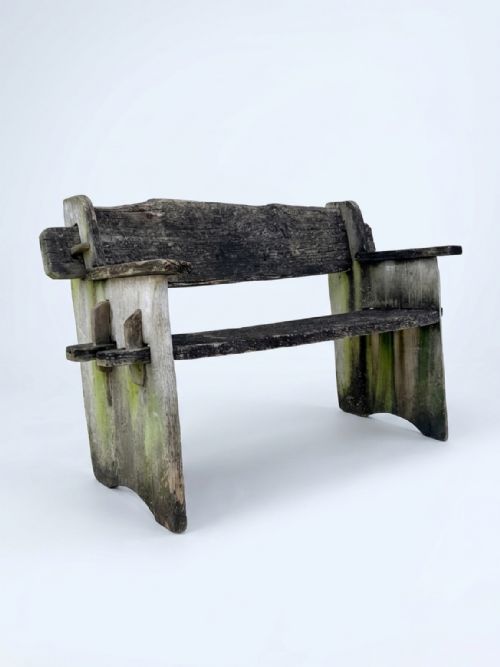
Origins heavily reflect English country and rustic garden styles, capturing the traditional aesthetic of historic estates. These pieces range from heavily weathered timber slats to structural cast iron ends.
How they were made
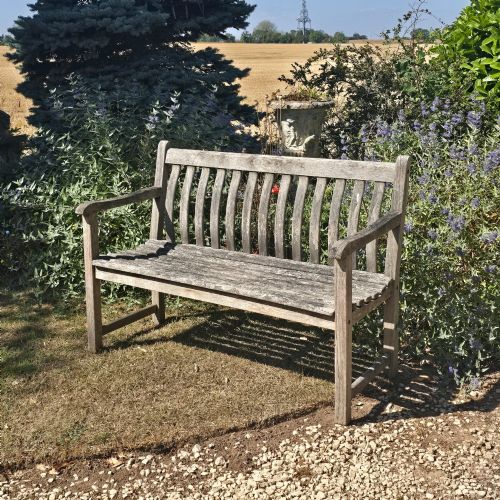
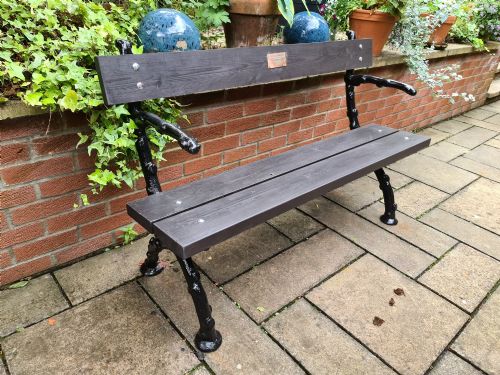
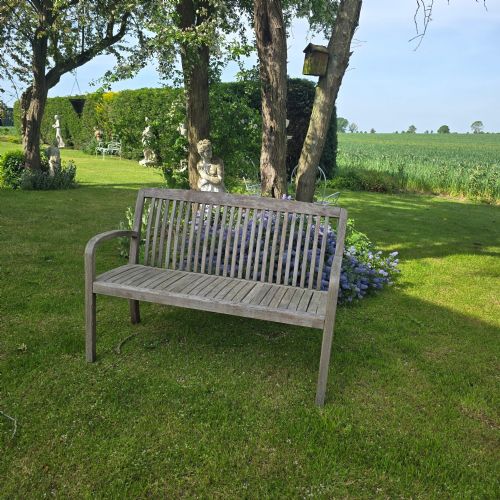
Construction relies heavily on durable timbers such as teak and general wood, paired with robust cast iron or wrought iron frameworks. Teak provides natural resistance to weathering, while cast iron forms sturdy decorative ends and supports.
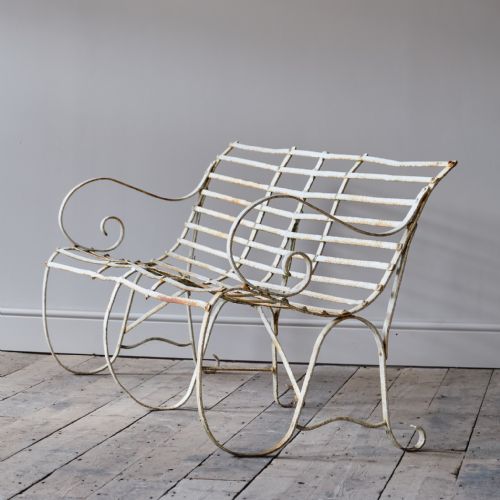
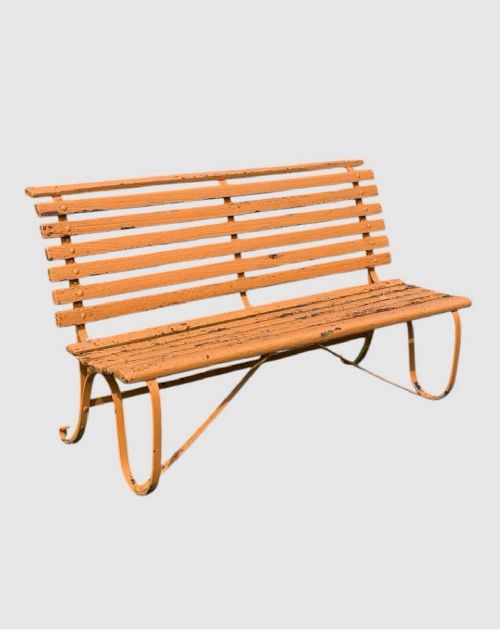
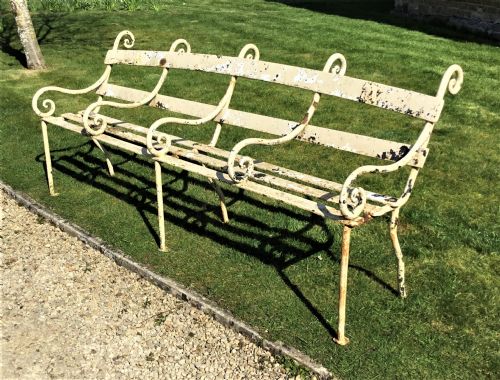
Techniques combine traditional carpentry for wooden slats with metal casting and strap work for structural longevity. Many pieces incorporate painted finishes over metalwork alongside untreated timber that ages gracefully outdoors.
Some benches have spent a century watching grass grow and still refuse to wobble.
What varies in quality
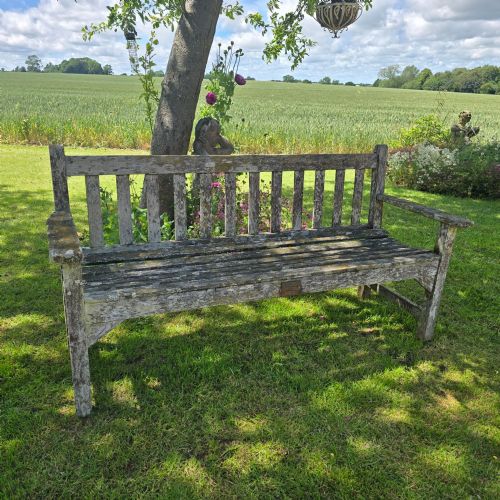
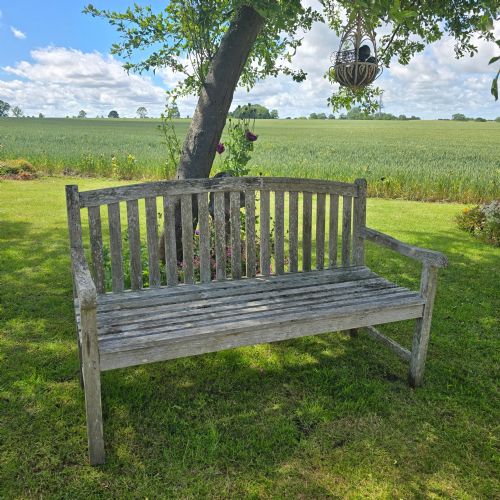
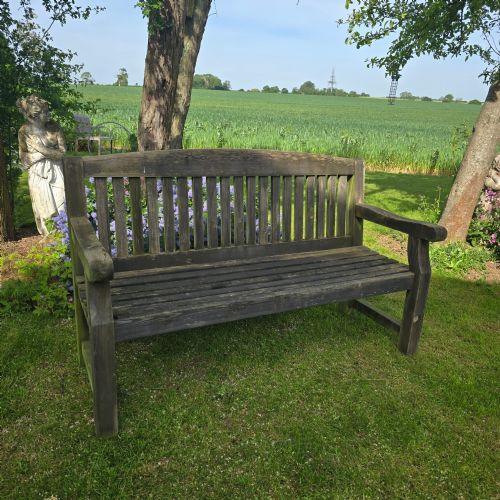
Quality rests upon the natural weathering of the wood and the integrity of the metal framework. Silvered teak showing deep patination indicates age and proper exposure to the elements.
Intricacy of ironwork also distinguishes individual examples, with elaborate strap work and Victorian cast iron detailing marking finer craftsmanship. Original pairings of timber and metal hold greater distinction than later replacements.
The Traditional Park Seat Glossary
- Teak
- A dense, durable hardwood prized for outdoor furniture due to its natural oils. It weathers to a distinctive silver-grey tone over time.
- Cast Iron
- Molten iron poured into a mould to create rigid structural supports and decorative ends for garden seats. It provides substantial weight and stability.
- Wrought Iron
- Iron beaten into shape by hand, often used for strap work and slender structural elements on older benches. It offers flexibility and strength compared to cast iron.
- Strap Work
- Flat strips of iron arranged in decorative patterns across the back or seat frame. This technique adds both rigidity and visual detail.
- Weathered Wood
- Timber that has acquired a silvery patina through prolonged exposure to sun and rain. Collectors value this natural ageing process for its authentic appearance.
Traditional Park Seat: Frequently Asked Questions
How do I care for a teak park seat?
Teak requires very little maintenance because its natural oils protect against decay. Allowing the wood to weather naturally results in a silver-grey patina.
Applying oil is optional and serves primarily to retain the original golden colour rather than to protect the timber.
Are these seats suitable for year-round outdoor use?
These pieces are built from durable materials like cast iron and teak specifically to withstand outdoor conditions. They tolerate rain and sun across all seasons.
Storing them under cover during severe winter weather can help preserve the timber and metal joints for longer.
How can I tell a Victorian bench apart from a later one?
Victorian examples often feature heavier cast iron frames with distinct foundry markings and ornate strap work. The timber slats on nineteenth-century pieces also show deeper patination.
Later Edwardian and nineteen thirties pieces tend towards simpler wooden forms and lighter iron construction.
What is the difference between teak and general wood seats?
Teak contains high natural oil content that resists moisture and rotting without chemical treatments. General wood or timber seats often rely on paint or varnish for protection against the weather.
Over time, teak maintains its structural integrity outdoors much longer than unsealed domestic timber.