


Weathered Wood Bench
A weathered wood bench brings age and character to a garden or hallway.
Weathered Wood Bench
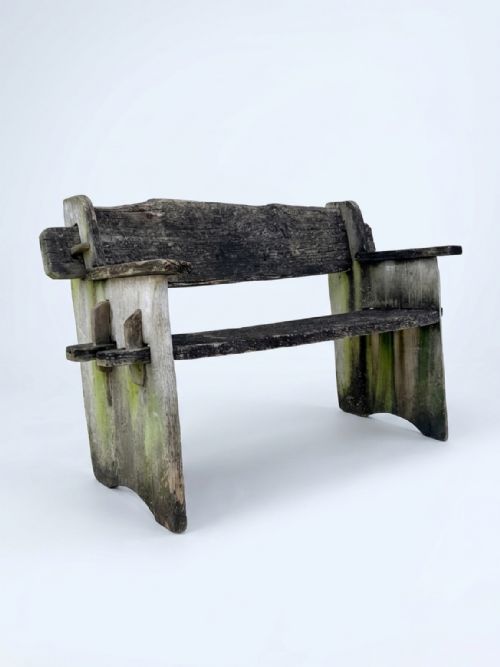
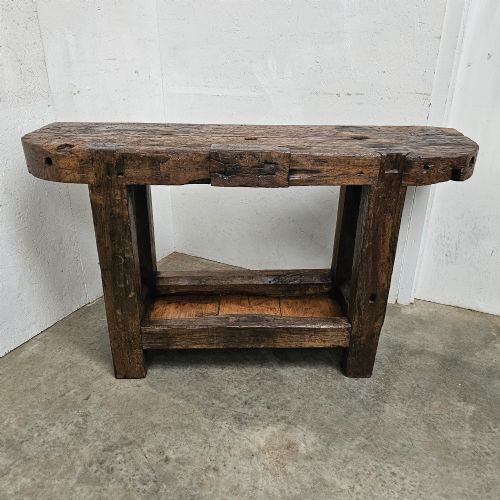
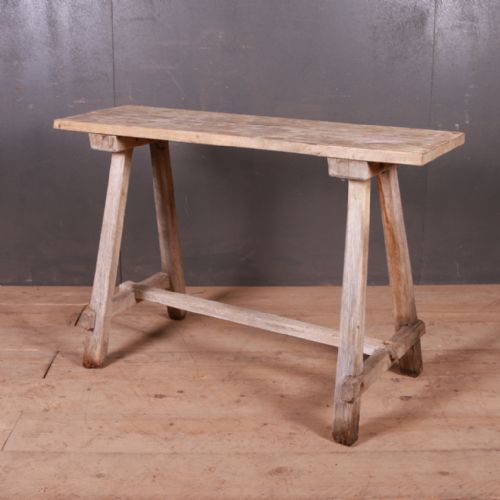
A weathered wood bench is a sturdy seat or resting place shaped by time, weather, and daily use outdoors or in workshops. These pieces range from garden seats and park benches to old workbenches and tree seats.
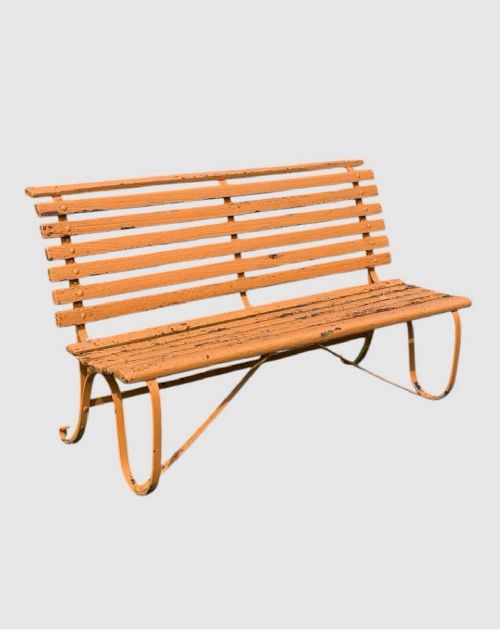
Most examples found here date from the nineteenth century up to the nineteen-thirties, taking forms such as slatted garden benches and rustic elm workbenches. Their origins span English country, French provincial, and rustic Chinese traditions.
Buyers look for these items to anchor an outdoor space or add texture to an interior room with natural, patinated timber. Each piece carries the marks of its working past, whether situated on a terrace or in a hallway.
How they were made
Makers constructed these benches using robust timbers like oak, elm, teak, and general weathered wood, often pairing heavy wooden planks with cast iron frames for structural strength. Natural forms and root wood also appear, utilising the organic shape of the tree.
Joinery methods relied on traditional carpentry suited to heavy use, whether for domestic garden seating or demanding workshop tasks. The surfaces have acquired their silvered and weathered appearance through decades of exposure to the elements.
One chair was coaxed directly from a tree root, proving nature made the first designer.
What varies in quality
Quality rests in the integrity of the timber and the depth of the natural weathering achieved over generations. Benches that retain their original structural timber and honest patination stand apart from those with excessive modern replacements.
The balance between utilitarian strength and pleasing proportion dictates the character of each piece. Simpler country forms rely entirely on the honest weight of the wood and the clarity of their primitive construction.
The Weathered Wood Bench Glossary
- Weathered wood
- Timber exposed to sun and rain over long periods, creating a silvered, textured surface. This appearance is valued for its genuine age and decorative appeal.
- Cast iron
- A strong, heavy alloy used for the structural ends and frames of outdoor seats. It provides a dark, durable contrast to wooden slats.
- Primitive
- Describing furniture made by local carpenters or craftsmen without refined urban styling. These pieces prioritise functional utility and direct construction.
- Tree root
- Wood taken from the subterranean growth of a tree to form natural, sculptural chairs and stools. Each organic shape is entirely unique to the individual root.
- Slatted
- Constructed from narrow strips of timber arranged with small gaps between them. This design allows rain to drain quickly from garden seats.
Weathered Wood Bench: Frequently Asked Questions
Are weathered wood benches suitable for outdoor use?
These benches were built to withstand the elements, using durable timbers like teak and oak alongside cast iron frames. They continue to function well outdoors in gardens and on patios.
Over decades, exposure to weather creates the distinctive silvered patina that collectors look for today. Minimal upkeep helps preserve their structural integrity while maintaining their aged appearance.
How do I identify the age of a wooden bench?
Age is determined by the construction methods, the tool marks left by the maker, and the depth of the surface weathering. Nineteenth-century pieces often show hand-planed boards and simpler, heavier joinery.
Comparing the timber grain and hardware against known period styles helps confirm the era. Wear patterns around common handholds and feet also indicate long periods of use.
Can I use an old workbench as a seating bench?
Workbenches and low tables were originally made for trade use rather than sitting, but many low examples function well as coffee tables or sturdy benches. Their low heights and deep timber tops suit modern living spaces.
Care should be taken with surface heights to ensure comfortable seating if used alongside standard chairs. The heavy construction provides reliable stability in either role.
What is the difference between oak and elm furniture?
Oak is a hard, dense timber with a prominent grain pattern, frequently used for structural framing and heavy garden furniture. It holds up well against moisture and outdoor conditions.
Elm offers a more twisting grain and exceptional toughness, making it a traditional choice for primitive workbenches and stools. Its unique texture responds well to long-term wear and patination.