


Antique Garden Seat
An antique garden seat brings enduring character to lawns and terraces through solid cast metal, durable timber, and traditional ceramic forms.
Antique Garden Seat
When searching for an antique garden seat, buyers encounter heavy cast iron benches, slatted timber designs, and glazed ceramic barrels spanning the nineteenth and early twentieth centuries. These pieces encompass everything from ornate Victorian foundry work and Edwardian teak park benches to Regency strapwork metal frames and glazed pottery drums.
The most common examples on this page are nineteenth-century cast iron benches bearing botanical motifs and Edwardian timber garden seats constructed from durable teak. Makers utilised robust materials intended to withstand prolonged outdoor exposure while maintaining decorative appeal across lawns, conservatories, and paved terraces.
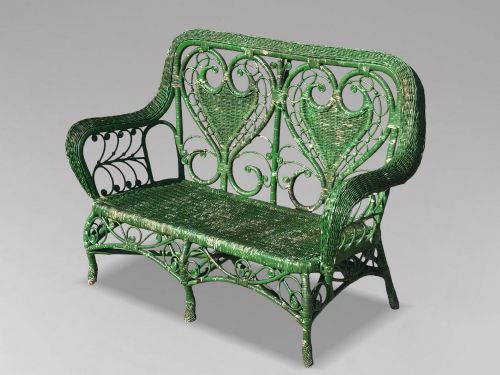
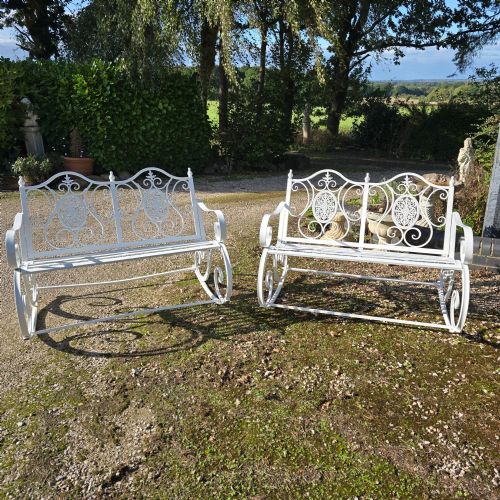
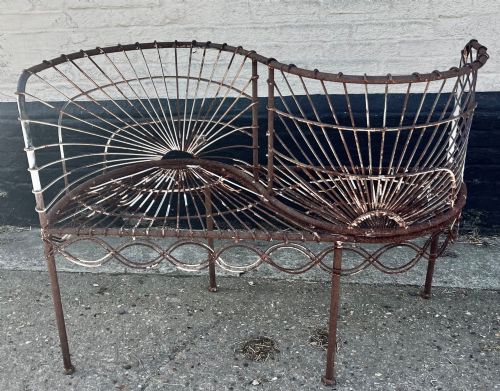
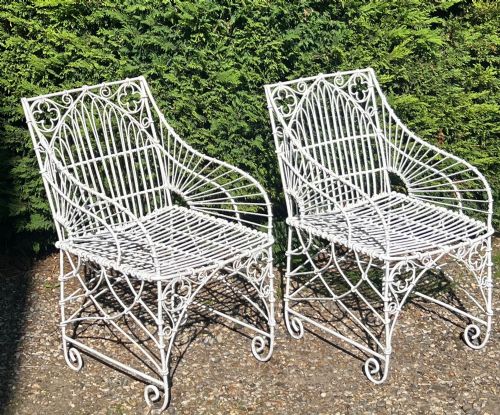
Beyond standard benches, the category extends to wirework frames, rustic wood constructions, and ceramic barrel seats suitable for both interior and exterior display. Each variant reflects the changing horticultural fashions and domestic leisure habits of the periods in which they were produced.
Materials and construction methods
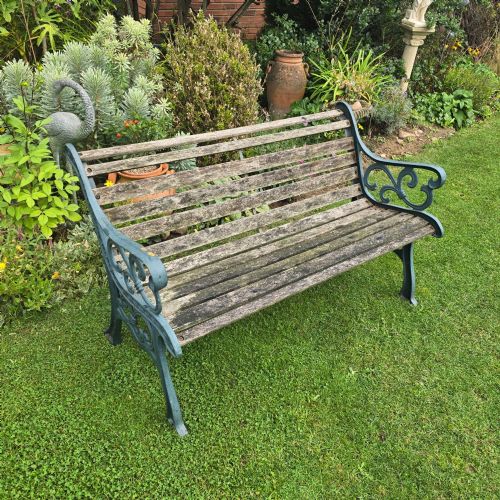
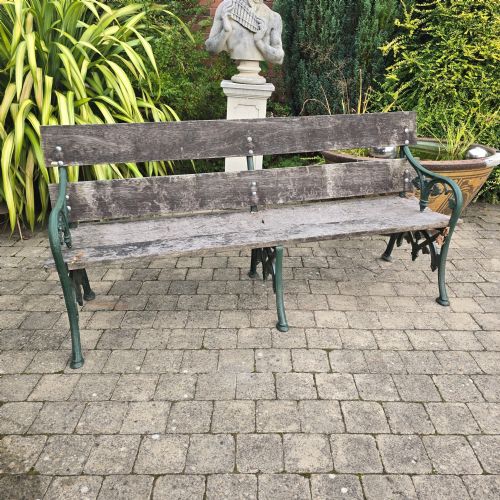
Foundries cast molten iron into intricate moulds to produce detailed patterns such as blackberry leaves, ferns, gothic tracery, and faux bois branch formations. These heavy metal components were frequently bolted together to form sturdy frames capable of supporting repeated use.
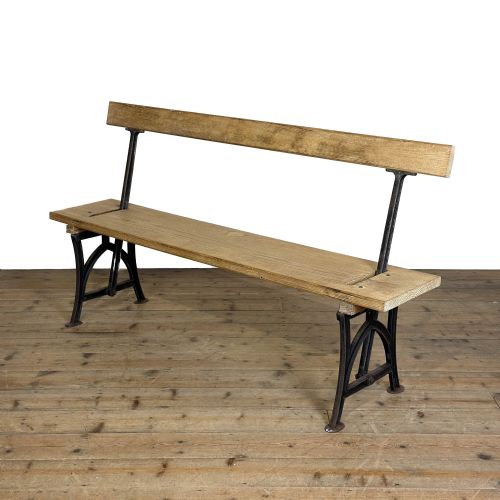
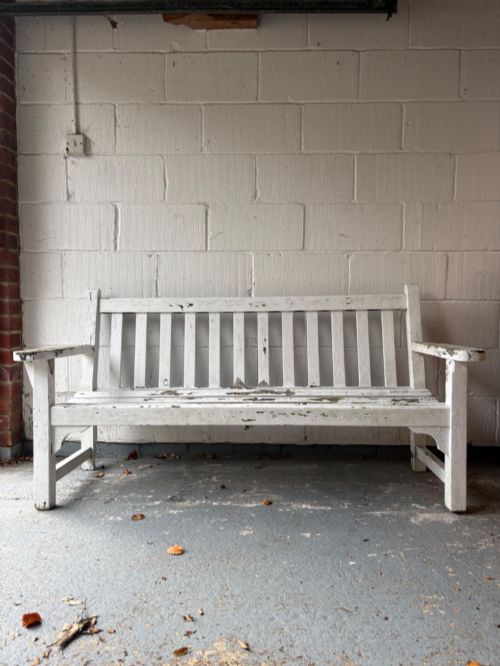
Timber benches relied on dense hardwoods like teak and elm, chosen for their natural resistance to moisture and decay in open garden settings. Craftsmen joined these planks using traditional joinery and reinforced them with iron straps or brackets.
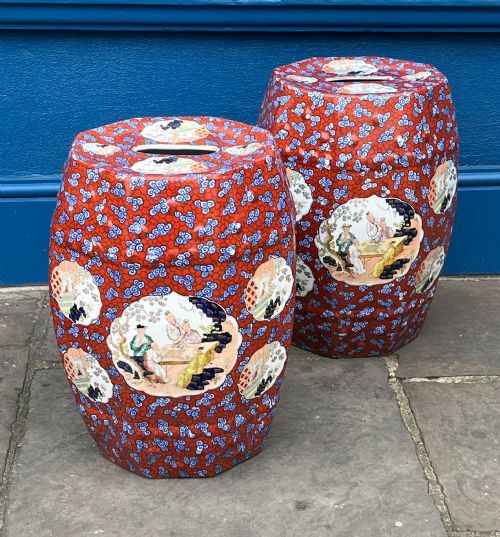
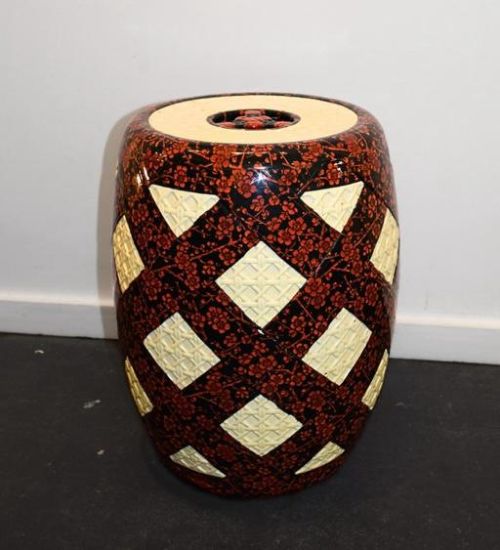
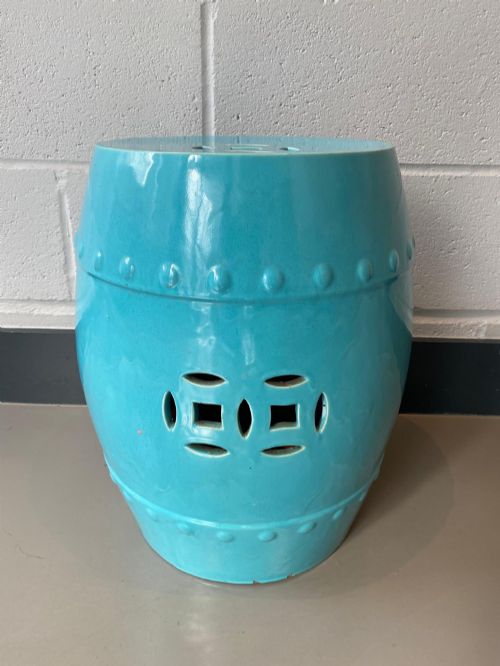
Ceramic and stoneware garden seats were shaped from clay, glazed in bright colours or blue and white patterns, and fired in kilns to create weatherproof barrel-shaped vessels. These pieces combined structural utility with vibrant decorative glazes for porch and conservatory placement.
Antique Garden Seat Retail Price Guide 2026
Typical asking prices for garden seat among the pieces listed under this phrase on Sellingantiques today, from the lower quarter to the upper quarter. They describe what is for sale here now, not the wider market.
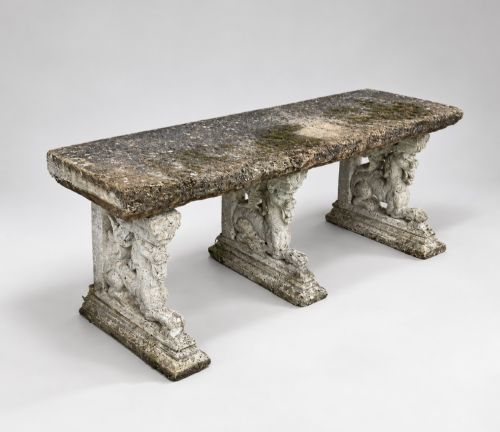
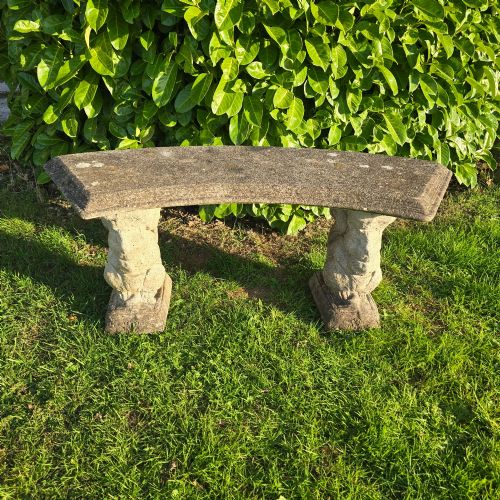
Seated hounds and stone lions keep silent watch over the garden benches.
Evaluating craftsmanship and design
Quality in cast iron examples rests upon the crispness of the moulding and the depth of the relief work. Superior pieces exhibit sharp botanical details and clean casting lines without the blurring seen in secondary copies.
For timber designs, the grade of wood and the integrity of the original construction dictate the standard. Well-chosen teak patinates gracefully under weathering, maintaining structural stability through tight joints and substantial slat thickness.
Ceramic garden seats are distinguished by the precision of their moulded relief, the richness of the glaze, and the absence of firing distortions. Pieces bearing recognised foundry marks or maker labels generally represent superior production standards.
Falkirk Carron Foundry·Heals of London
The Antique Garden Seat Glossary
- Cast Iron
- Molten iron poured into a mould to create rigid, highly detailed decorative furniture frames. This material defined much of the nineteenth-century outdoor seating production.
- Faux Bois
- A decorative technique mimicking natural wood grain moulded into iron or carved into timber and stone. This rustic style was particularly popular during the Victorian era.
- Strapwork
- Flat bands of wrought iron interwoven or riveted into geometric patterns for bench backs and seats. It provides a lighter alternative to solid cast iron.
- Teak
- A dense, oil-rich tropical hardwood prized for outdoor furniture due to its natural resilience against rot and weathering. Edwardian makers utilised this timber extensively.
- Majolica
- A type of earthenware coated with an opaque tin glaze and painted with bright colours. These ceramic pieces served as decorative seats or stands in sheltered garden spaces.
Antique Garden Seat: Frequently Asked Questions
How do I date an iron garden bench?
Cast iron pieces from the nineteenth century often feature registration marks, foundry names, or distinct stylistic indicators like gothic tracery and fern patterns. Examining the bolt construction and surface patination also helps determine the manufacturing era.
Heavier ornamentation typically points to the Victorian period, whereas later twentieth-century iterations lean towards simplified lines and alternative composite materials.
Can teak garden benches stay outside all year?
Teak contains natural oils that protect the wood against moisture, making it well-suited for permanent outdoor placement. Over time, exposed teak develops a silvery-grey patina without losing its structural integrity.
Regular cleaning helps remove surface dirt, but the timber requires no chemical sealants to survive seasonal weather changes.
Where were ceramic garden seats placed?
Ceramic and pottery seats served as versatile furniture items positioned on covered porches, within conservatories, or directly on garden paths. Their glazed surfaces resisted damp ground conditions while adding colour to planting schemes.
Collectors often utilise them today as small side tables or decorative pedestals indoors as well as outdoors.
What is the difference between cast iron and wrought iron?
Cast iron is poured into moulds while molten, resulting in rigid, heavy components with intricate decorative relief. Wrought iron is heated and hammered by hand into strapwork and linear frameworks.
Cast iron pieces provide sculptural forms, whereas wrought iron structures offer resilient flexibility and lighter visual weights.