
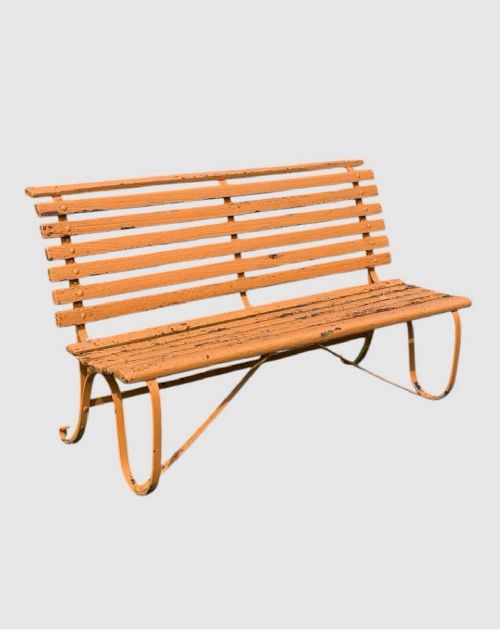


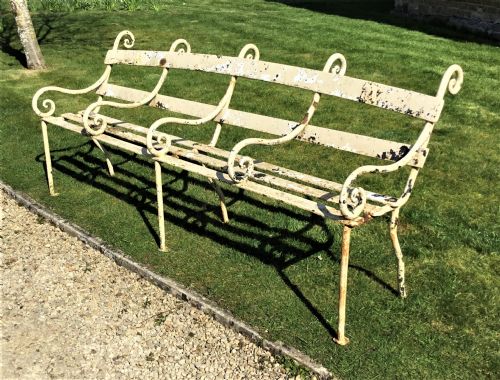
Period Garden Furniture
Period garden furniture brings functional seating into the open air, combining robust iron construction with nineteenth-century design.
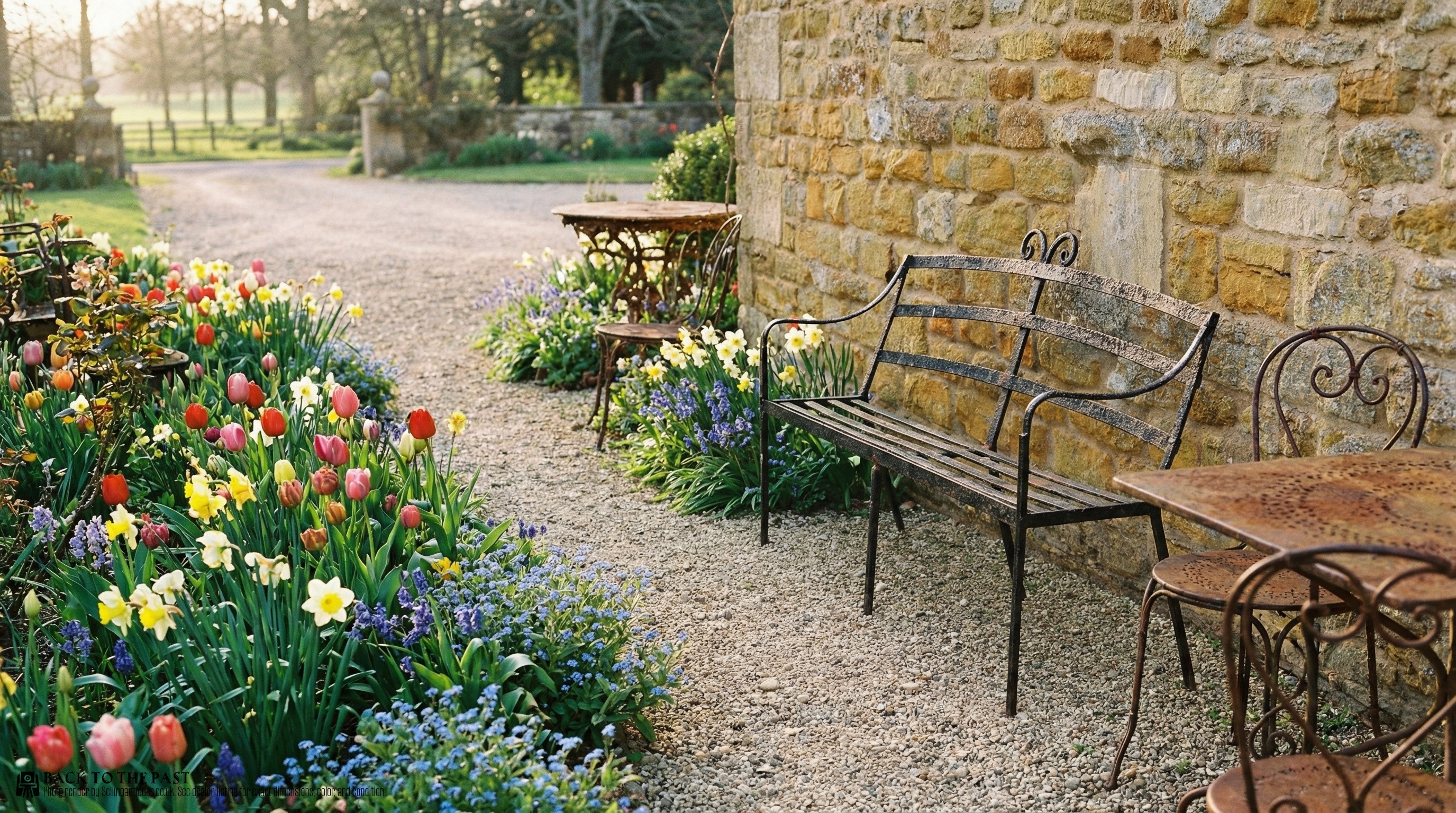
What period garden furniture is
Period garden furniture consists of outdoor seating created during the nineteenth century, including pieces from the Victorian era and around eighteen fifty. Buyers searching for period garden furniture encounter sturdy garden seats, benches, and settees built to withstand outdoor exposure.
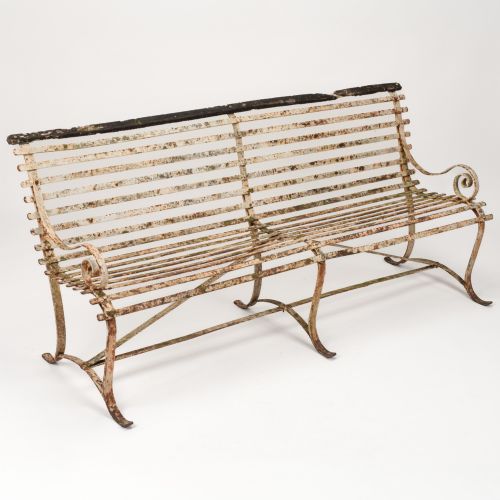
The items found here span the nineteenth century, showcasing forms such as four-seater benches and smaller garden seats. These pieces originate from an era when metalwork techniques advanced to produce ornamental and durable garden furnishings.
How they were made
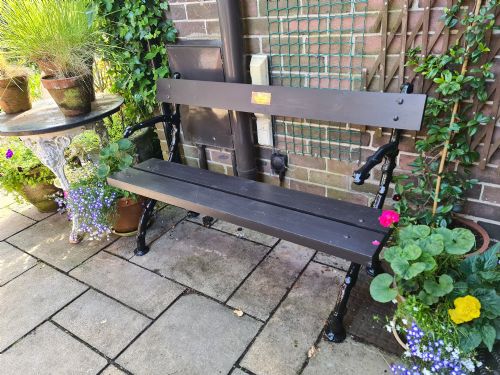
Makers utilised cast iron and wrought iron to construct the frames and supports of these garden seats. Cast iron allowed for decorative moulding, while wrought iron provided flexible strength for structural strapwork.
Finished surfaces were frequently treated with paint to protect the metal from weathering outdoors. The combination of heavy iron casting and painted finishes defined the production methods of the period.
Retail Price Guide 2026
Typical UK retail prices for period garden furniture, calculated from the Sellingantiques database of over a million retail prices indexed since 2003. This retail price guide relies exclusively on Sellingantiques data; no external sources or auction records are used, so the figures do not describe the wider market.
What varies in quality
Distinction across the range lies in the complexity of the ironwork and the crispness of the casting details. Pieces featuring intricate strapwork or sculptural casting demonstrate higher craftsmanship than simpler utility items.
The original integrity of the metal structure and the survival of early painted surfaces dictate the standing of an individual bench. Heavier construction and refined nineteenth-century proportions distinguish the finest examples.
The Period Garden Furniture Glossary
- Cast iron
- Iron poured into a mould to create solid forms and decorative patterns. This material permits intricate detailing on nineteenth-century garden seats.
- Wrought iron
- Iron heated and hammered into shape by hand or machine. This process yields durable components suitable for structural bench frames.
- Strapwork
- Flat strips of metal interwoven or applied in geometric patterns. This technique appears on Victorian bench backs and frames.
- Victorian
- The period of British history spanning the reign of Queen Victoria. Furniture from this era often incorporates ornate floral and natural motifs.
Frequently Asked Questions
Where should I place period garden furniture?
Position these iron benches on solid paved terraces or firm lawns where the weight of the metal remains stable.
Keep them clear of constantly damp soil to preserve the iron and paint over time.
How do I care for cast iron garden seats?
Maintain the painted surface regularly to prevent the iron underneath from oxidizing in wet weather.
Store or cover the benches during severe winter months if you wish to protect the finish from frost.
How do I identify a nineteenth-century bench?
Examine the construction for heavy cast components and hand-forged wrought iron elements typical of the era.
Look for traditional strapwork designs and nineteenth-century proportions rather than modern lightweight tubular steel.
Are these benches comfortable to sit on?
The ergonomic shape relies entirely on the rigid iron slats and curved backs designed by Victorian makers.
Many owners add loose cushions to soften the hard metal surface for extended outdoor seating.